Optimizing Google App Campaigns for Value-Based Bidding
📑 10 slides
👁 37 views
📅 1/30/2026
📺 YouTube
Introduction to Value-Based Bidding
Ashley Black, Google Ads expert, shares insights on optimizing app campaigns.
2
Types of Google App Campaigns
- CPI campaigns: Focus on pure install volume.
- CPA campaigns: Bid on specific actions like trial starts.
- ROAS campaigns: Optimize for return on ad spend.
3
Common Mistakes in ROAS Campaigns
- Setting ROAS bids too high limits scale and performance.
- Long conversion windows (30-90 days) hinder optimization.
- Start with shorter windows (7 days) for better results.
4
Volume Requirements for ROAS
- Minimum 10 post-install events per day for optimization.
- Higher volume needed for revenue events (20+ trials/day).
- Low-volume apps may not benefit from ROAS campaigns.
5
Bid Strategy for ROAS Campaigns
- Start 20% below target ROAS to allow for scaling.
- Higher bids reduce scale; lower bids increase reach.
- Gradually increase bids once volume stabilizes.
6
Placement Differences in ROAS vs CPA
- Same inventory types but different distribution.
- ROAS campaigns often see higher CPMs and quality traffic.
- Placements include Play Store, search, YouTube, and display.
7
Exclusions to Improve Performance
- Exclude users who already have your app installed.
- Consider excluding reinstalls to avoid cannibalization.
- Brand keyword exclusions can prevent wasted spend.
8
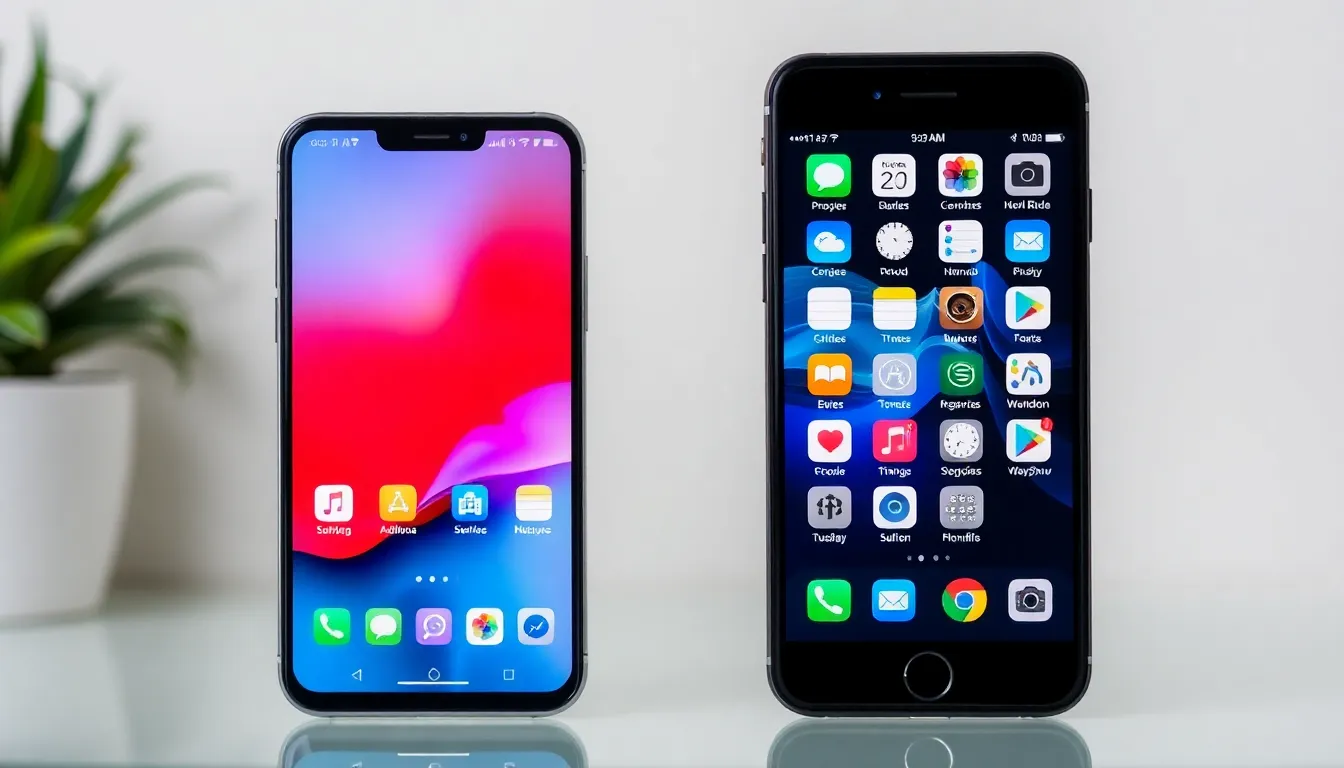
iOS vs Android Campaigns
- Android excels with Play Store integration and data.
- iOS campaigns rely more on web and YouTube traffic.
- Google's iOS product is improving but still limited.
9
Optimizing with Retention Events
- Look beyond trial starts to deeper funnel actions.
- Identify events correlating with long-term retention.
- Higher-value events can justify higher bids.
10
Key Takeaways
- Start with conservative ROAS targets and short windows.
- Ensure sufficient volume of revenue events for optimization.
- Monitor placements and exclusions to refine performance.
1 / 10