Report on Biological Population Characteristics
📑 5 slides
👁 6 views
📅 2/23/2026
Introduction to Biological Populations
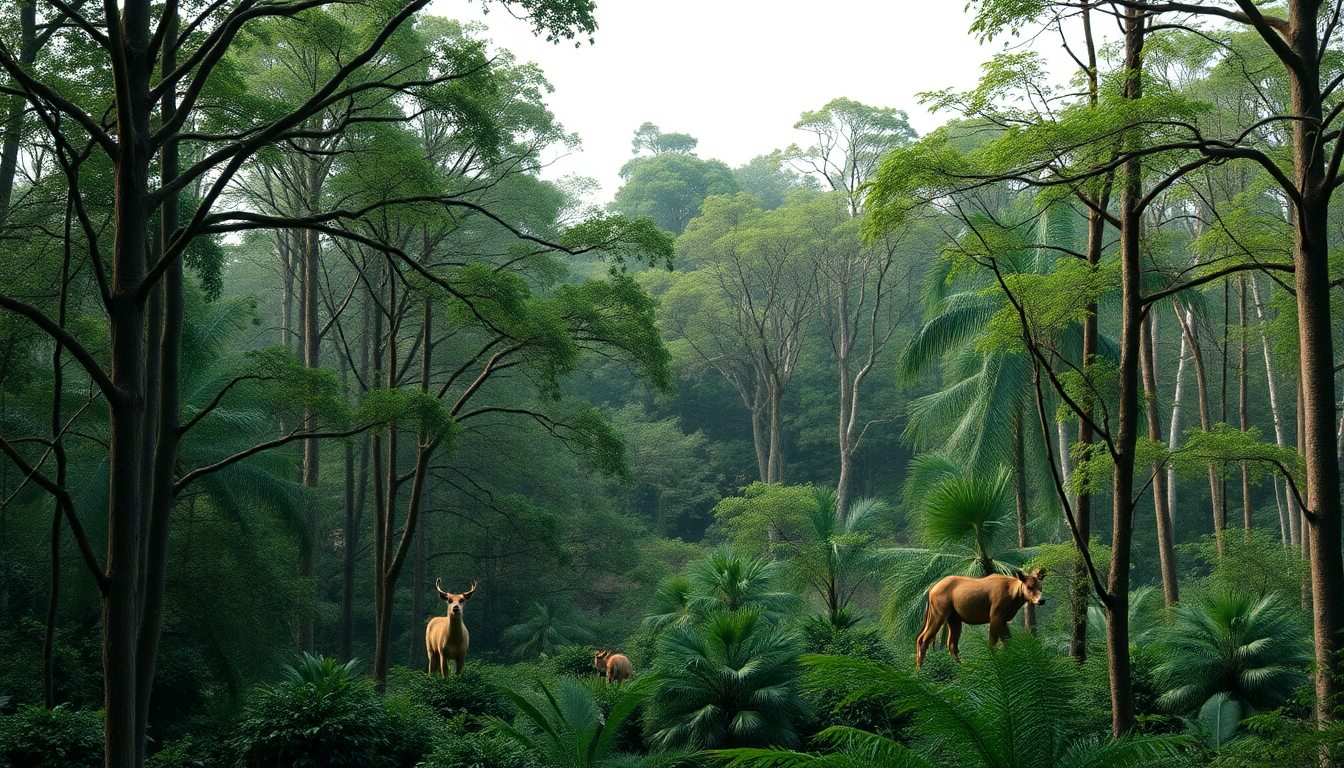
Biological populations consist of same-species organisms in a specific area.
2
Population Size and Density
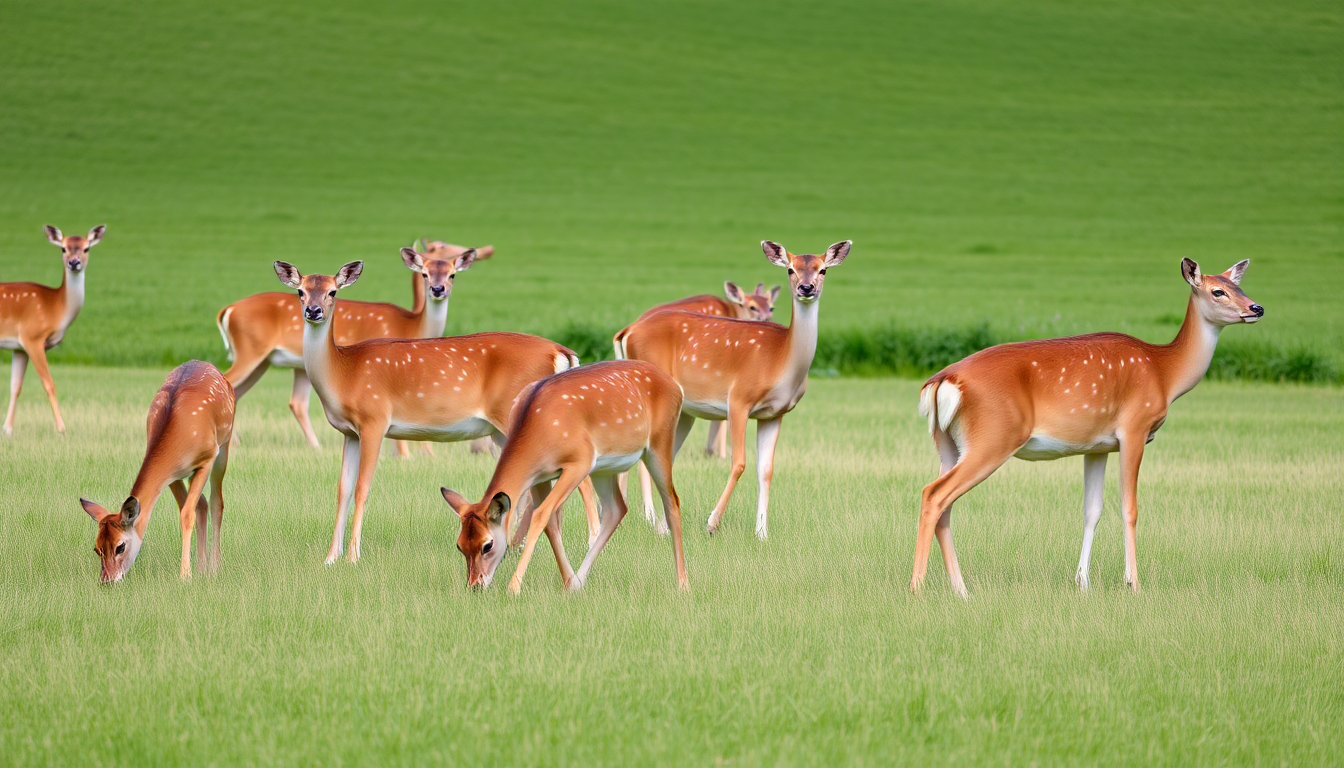
- Population size refers to the number of individuals in a given area.
- Density measures individuals per unit area, affecting resource competition.
- High-density populations may show increased disease transmission rates.
3
Age Structure and Growth
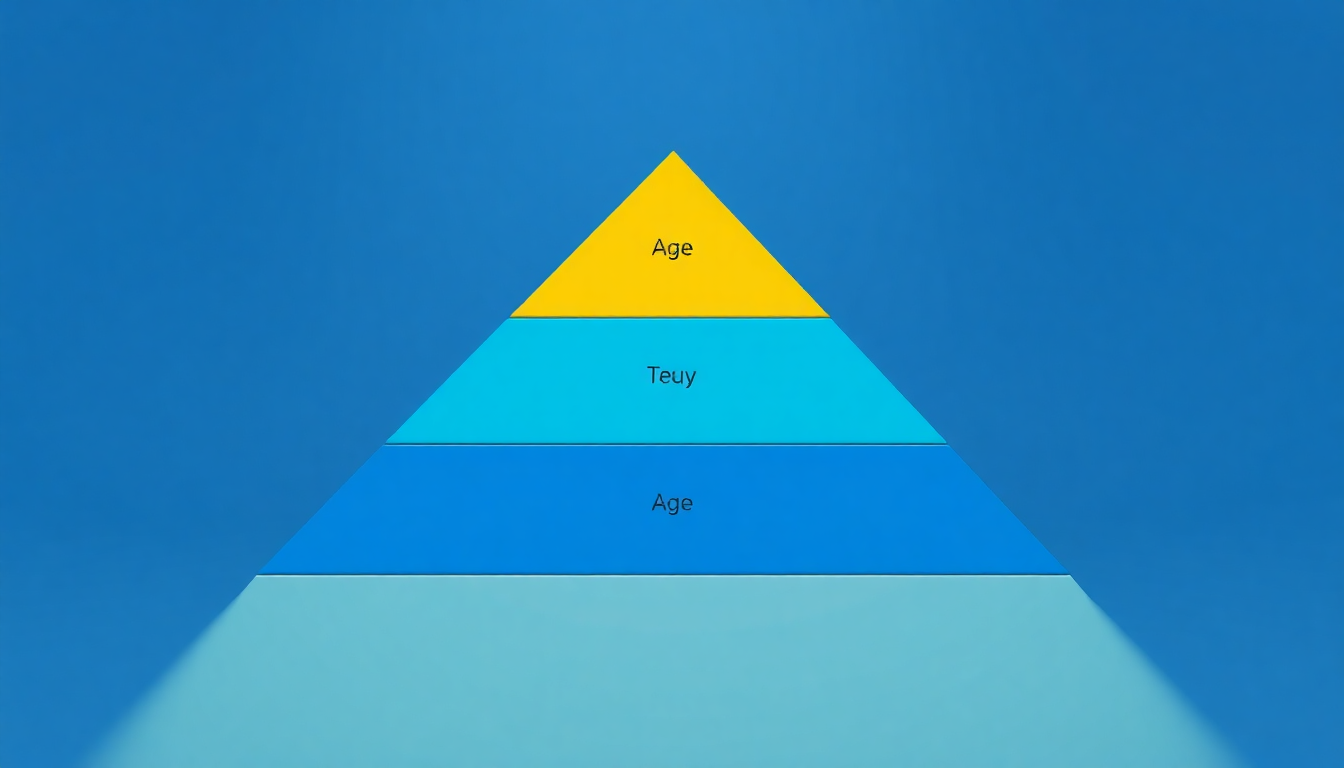
- Age structure shows proportions of individuals at different life stages.
- Growing populations have pyramid-shaped age structures with many young.
- Stable populations display balanced age groups, indicating steady growth.
4
Spatial Distribution Patterns
- Random distribution occurs when resources are uniformly available.
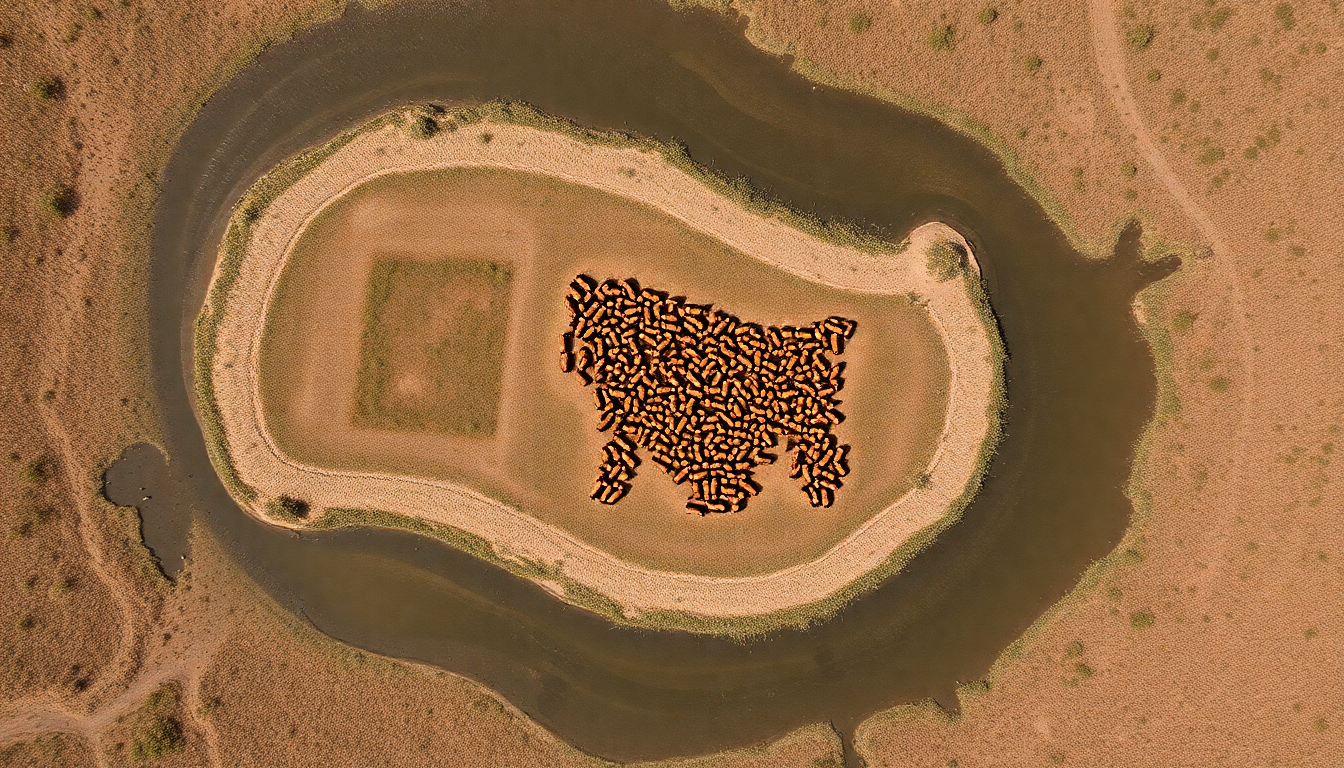
- Clumped distribution is common where resources are patchy or clustered.
- Uniform distribution often results from territorial behavior or competition.
5
Conclusion: Key Takeaways
- Population characteristics provide insights into ecosystem health.
- Monitoring changes helps predict environmental impacts and species survival.
- Effective management requires understanding all population parameters.
1 / 5