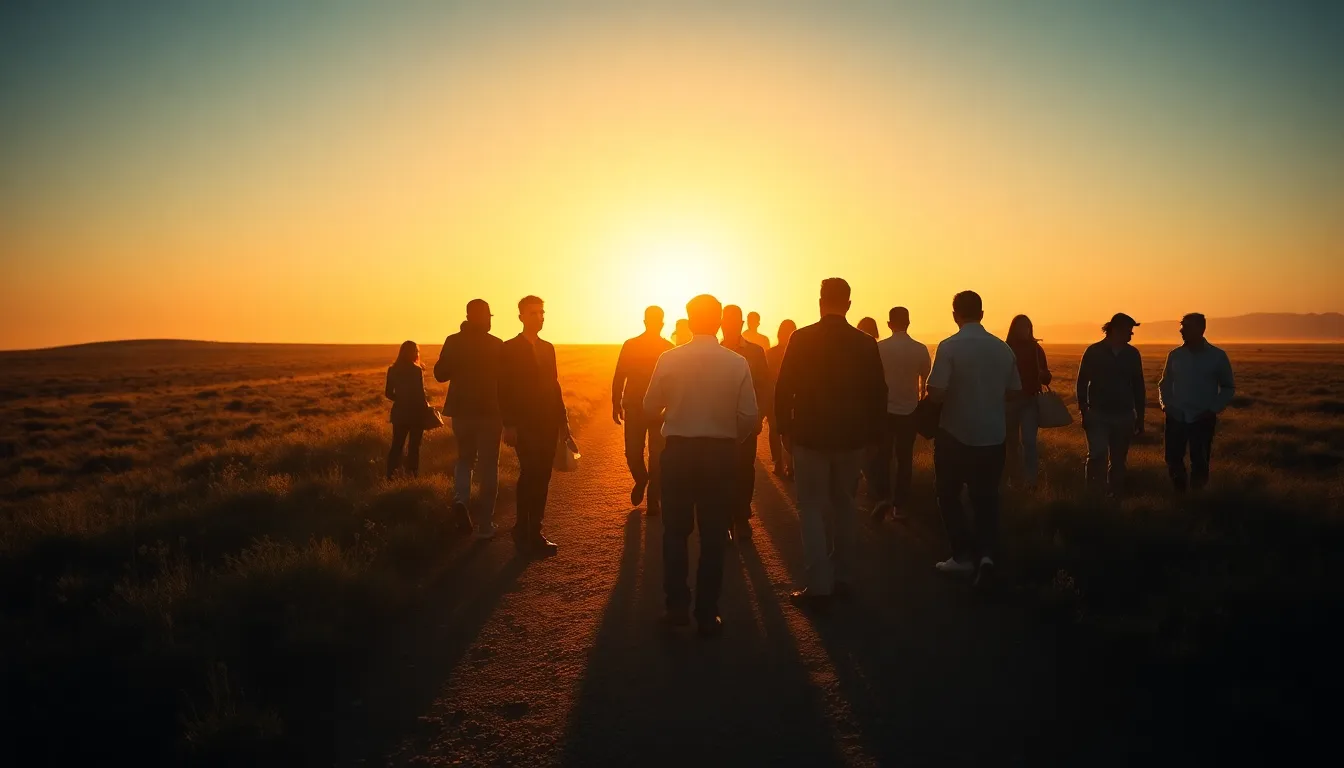
World Peace: A Global Vision

📑 10 slides 👁 24 views 📅 2/5/2026
0.0 (0 ratings)

Introduction to World Peace

World peace refers to the ideal state of harmony among nations, free from conflict and war.

Introduction to World Peace
2

Historical Peace Movements

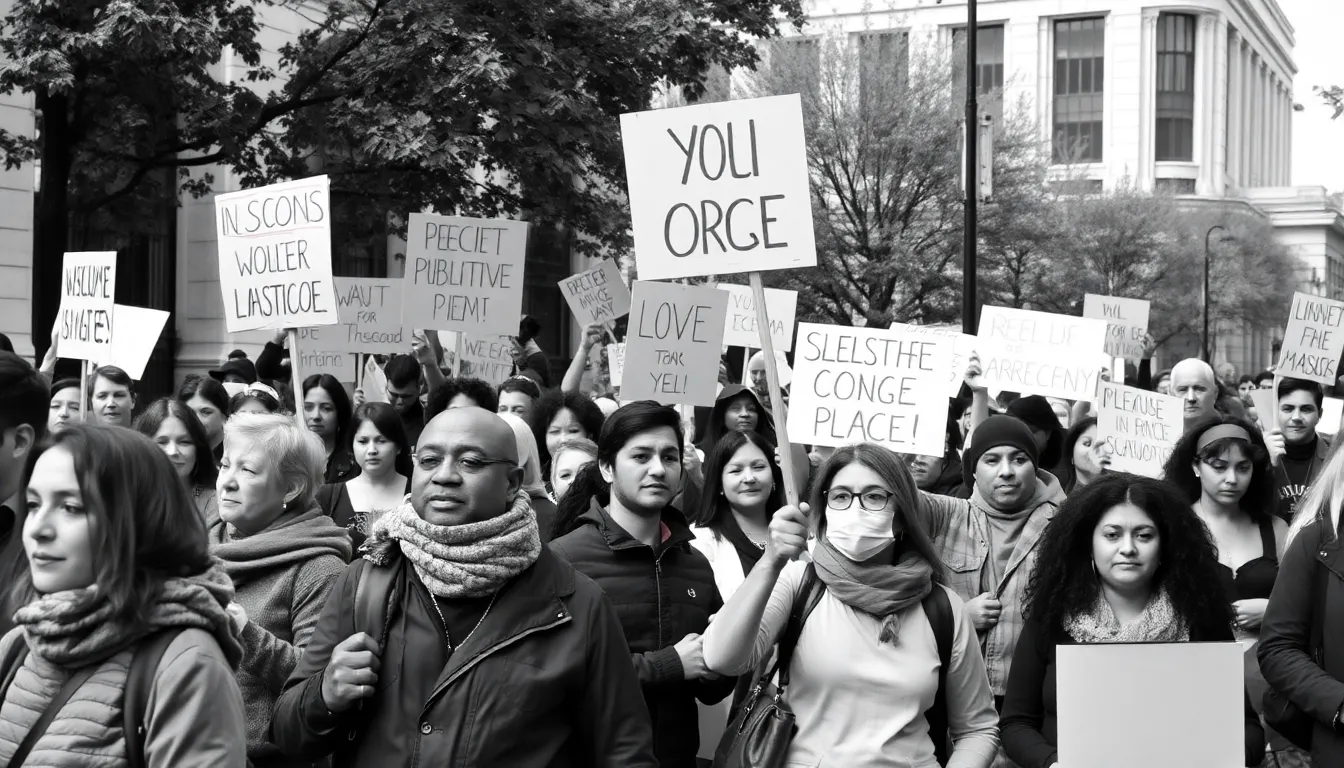
  • The Peace of Westphalia in 1648 ended the Thirty Years' War in Europe.
  • Gandhi's non-violent resistance inspired global movements for peace and freedom.
  • The Nobel Peace Prize, established in 1901, honors contributions to peace.
  • The Civil Rights Movement in the 1960s promoted racial equality and peace.
Historical Peace Movements
3

Economic Benefits of Peace

  • Peaceful nations experience higher GDP growth and better living standards.
  • Global conflicts cost over $14 trillion annually in economic losses.
  • Trade and cooperation between nations flourish in peaceful environments.
  • Investing in peacebuilding saves costs compared to post-conflict reconstruction.
Economic Benefits of Peace
4

Role of Education in Peace

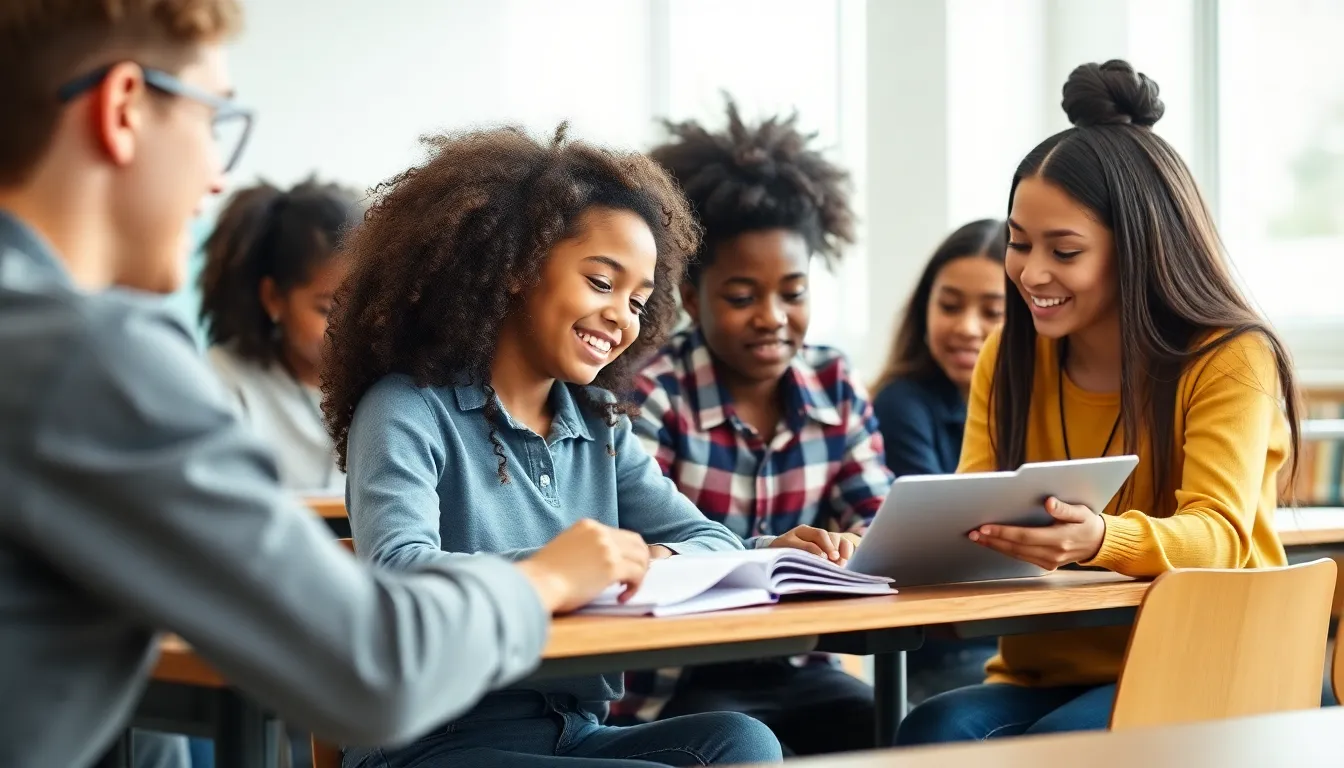
  • Education reduces prejudice and fosters understanding across cultures.
  • Schools teaching conflict resolution skills create more peaceful societies.
  • Literacy rates correlate strongly with lower levels of violence in communities.
  • UNESCO promotes global citizenship education to build peaceful mindsets.
Role of Education in Peace
5

Technology for Peacebuilding

  • Social media connects people across borders, fostering understanding.
  • AI and data analysis help predict and prevent potential conflicts.
  • Digital diplomacy enables faster communication between world leaders.
  • Peace apps teach mediation skills to millions worldwide.
Technology for Peacebuilding
6

Environmental Peace

  • Climate change exacerbates conflicts over resources like water and land.
  • Cooperative environmental projects build trust between nations.
  • The Arctic Council shows how shared ecosystems can promote peace.
  • Sustainable development goals address both environmental and peace issues.
Environmental Peace
7

Women in Peace Processes

  • Peace agreements are 35% more likely to last when women participate.
  • UN Security Council Resolution 1325 promotes women's role in peacebuilding.
  • Women-led peace organizations often focus on community reconciliation.
  • Gender equality correlates strongly with more peaceful societies.
Women in Peace Processes
8

Overcoming Barriers to Peace

  • Addressing income inequality reduces social tensions and violence.
  • Countering misinformation and hate speech prevents escalation of conflicts.
  • Disarmament treaties have reduced global nuclear arsenals by 80% since 1986.
  • Cultural exchange programs break down stereotypes and build empathy.
Overcoming Barriers to Peace
9

Youth and Future Peace

  • 90% of armed conflict occurs in countries with young populations.
  • Youth peace networks operate in over 50 countries worldwide.
  • The UN Youth Strategy invests in young people as agents of peace.
  • Digital natives have unprecedented tools for cross-cultural connection.
Youth and Future Peace
10

Our Shared Path Forward

  • Peace requires daily commitment from individuals and nations alike.
  • Small acts of kindness and understanding contribute to global harmony.
  • We must address root causes: poverty, injustice, and environmental stress.
  • Everyone has a role to play in building a more peaceful world.
Our Shared Path Forward
1 / 10