Why the Sky is Blue?
📑 10 slides
👁 49 views
📅 1/21/2026
Introduction
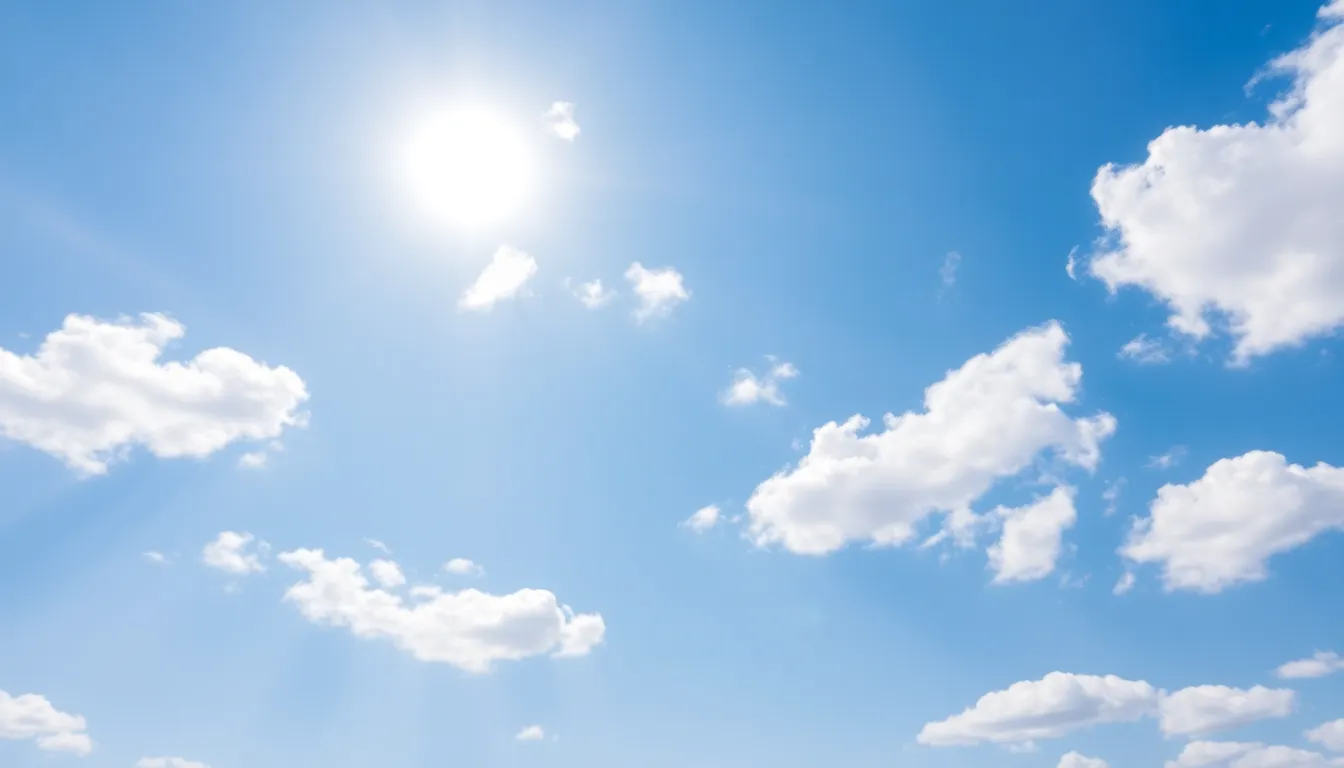
The sky appears blue due to a phenomenon called Rayleigh scattering.
2
Sunlight Composition
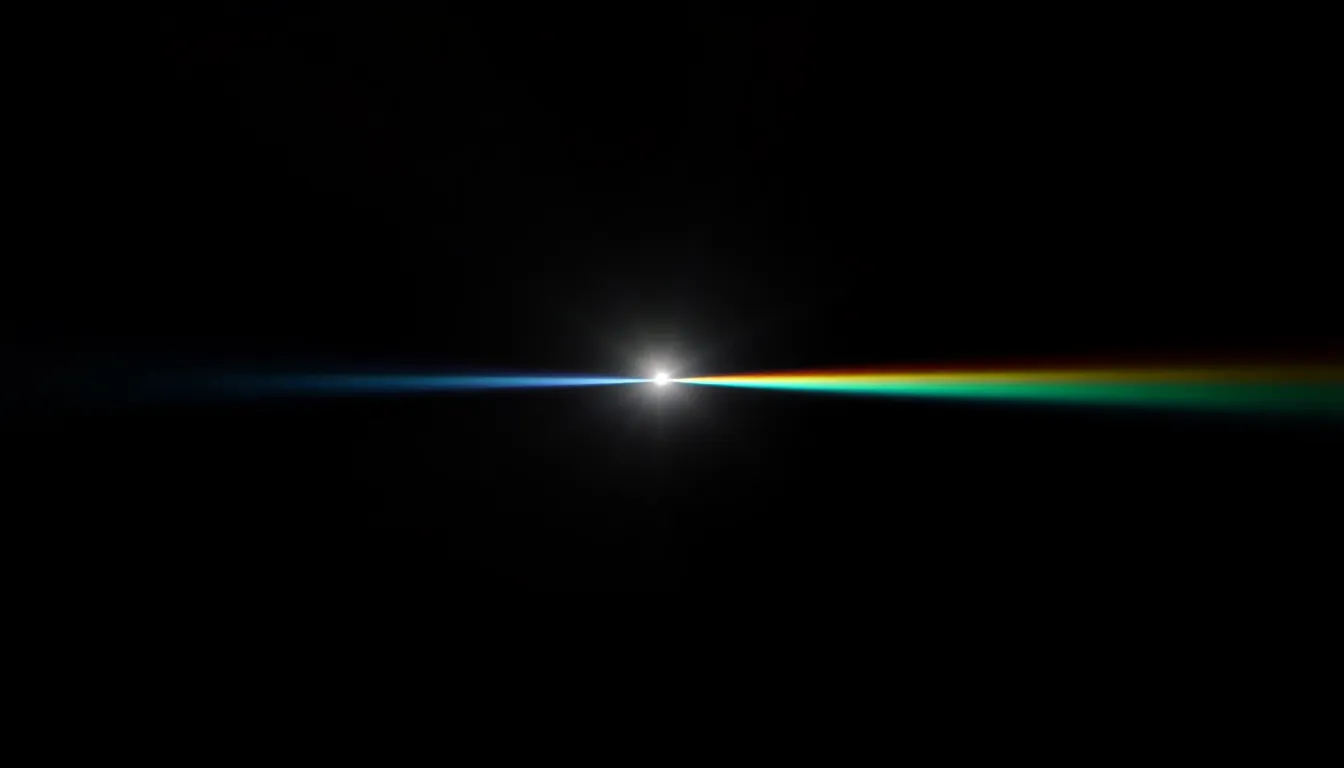
- Sunlight is made up of all colors of the visible spectrum.
- When combined, these colors appear as white light to our eyes.
- Each color has a different wavelength, with blue being shorter.
3
Rayleigh Scattering
- Named after Lord Rayleigh, who first explained it in the 19th century.
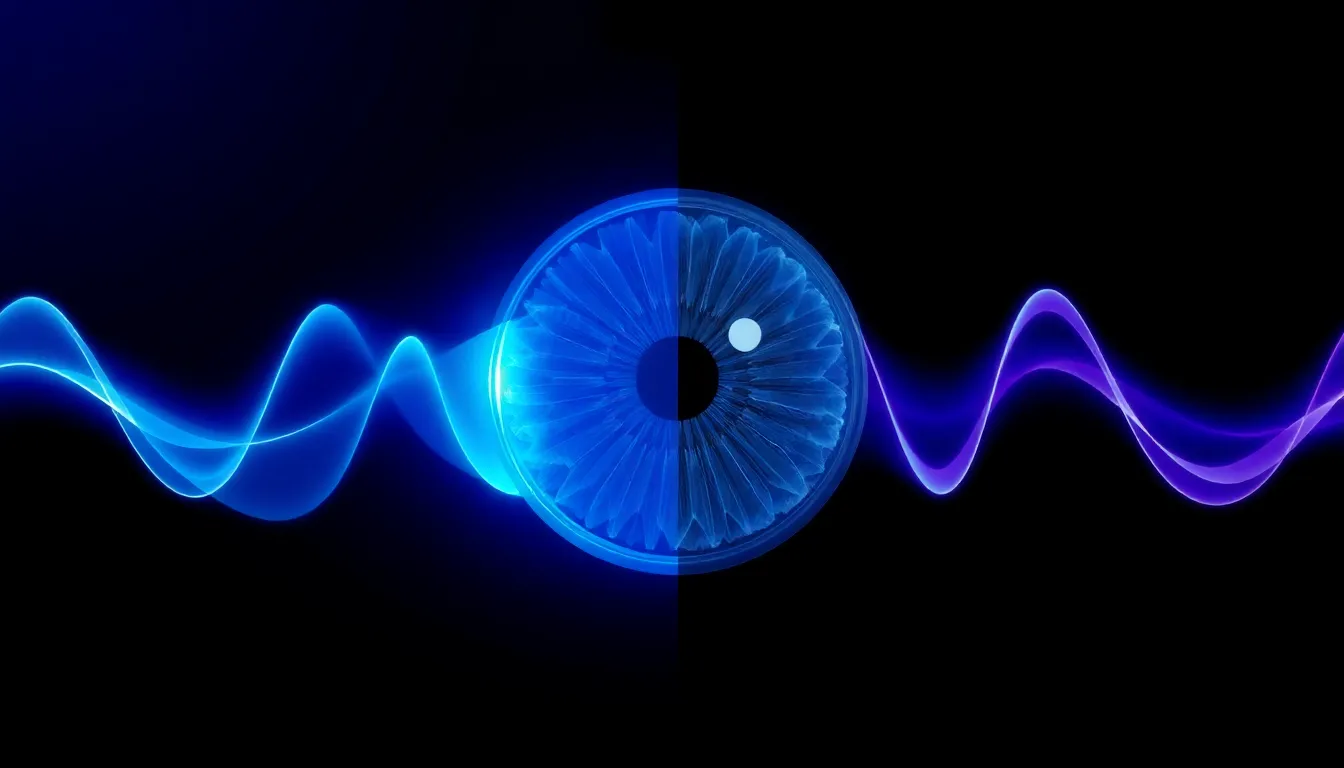
- Shorter wavelengths (blue/violet) scatter more than longer ones (red).
- This scattering is inversely proportional to the 4th power of wavelength.
4
Atmospheric Particles
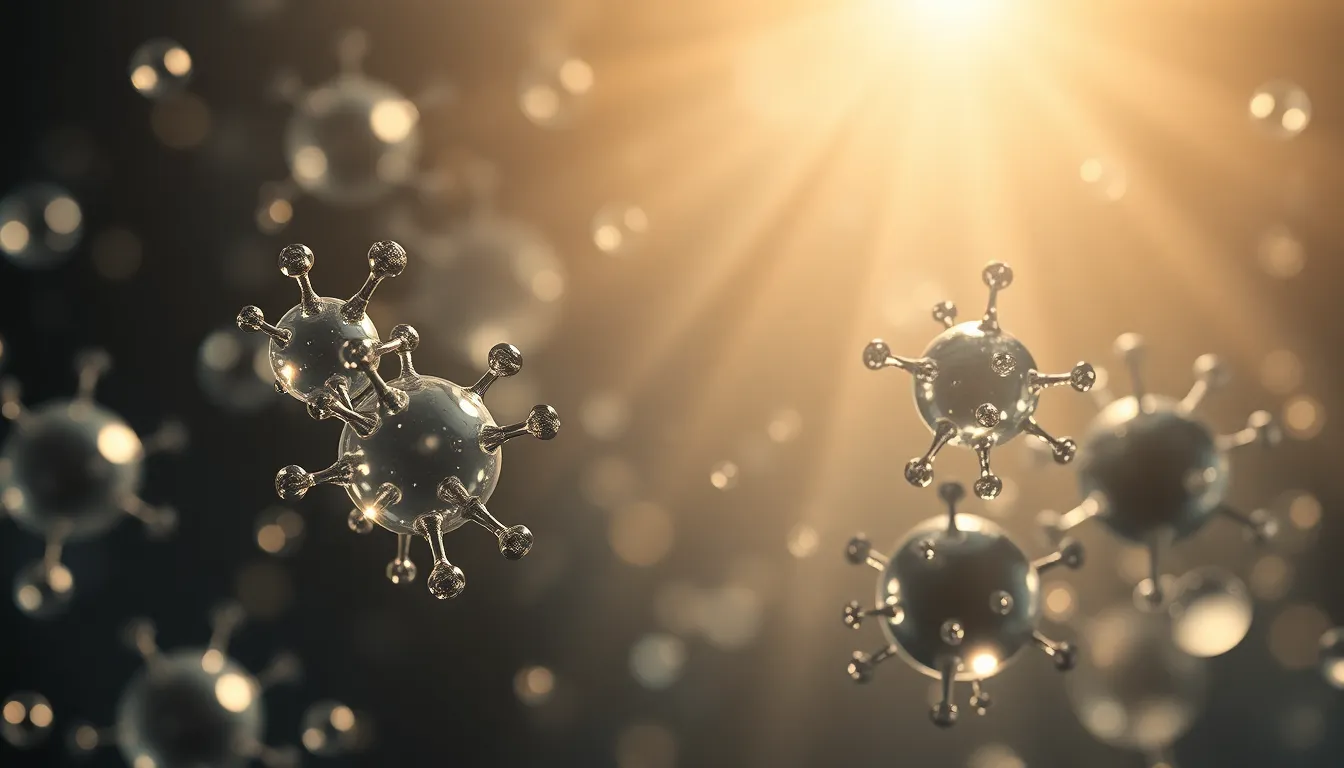
- Nitrogen and oxygen molecules in the atmosphere cause the scattering.
- These particles are much smaller than the wavelength of visible light.
- The density of these particles affects how much light is scattered.
5
Why Not Violet?
- Violet light is scattered even more than blue light.
- Our eyes are less sensitive to violet and more sensitive to blue.
- Sunlight contains less violet light compared to blue light.
6
Sky Color Variations
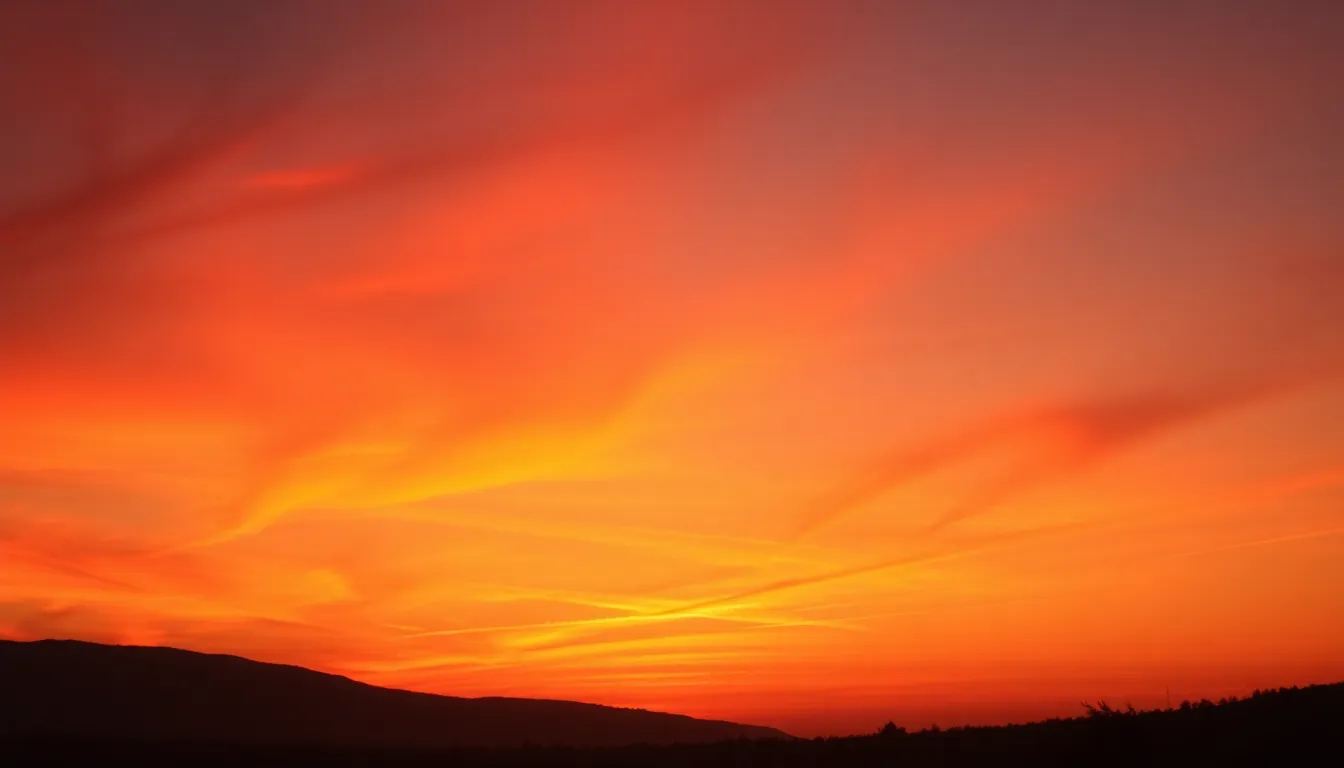
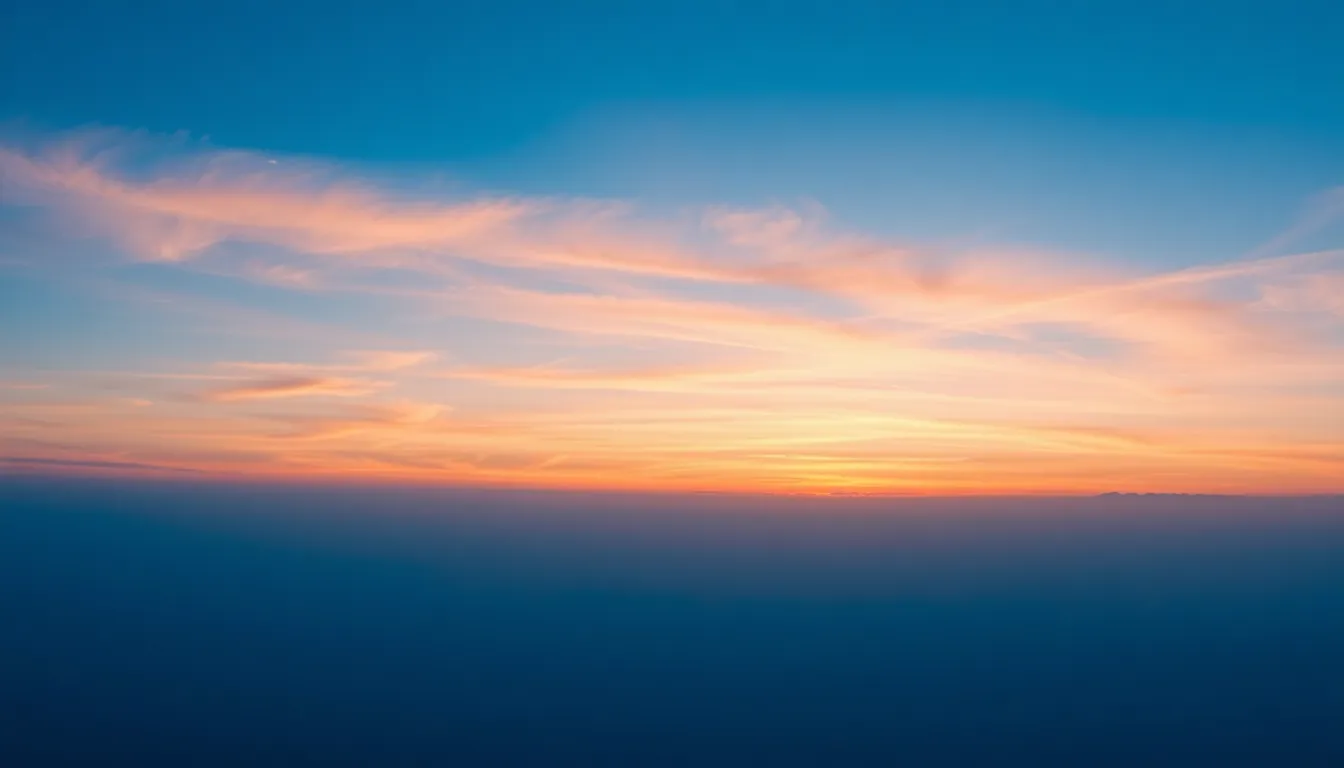
- At sunrise/sunset, the sky appears red/orange due to longer light path.
- More atmosphere means more scattering of blue light, leaving red hues.
- Clouds appear white because they scatter all colors equally.
7
Altitude Effects
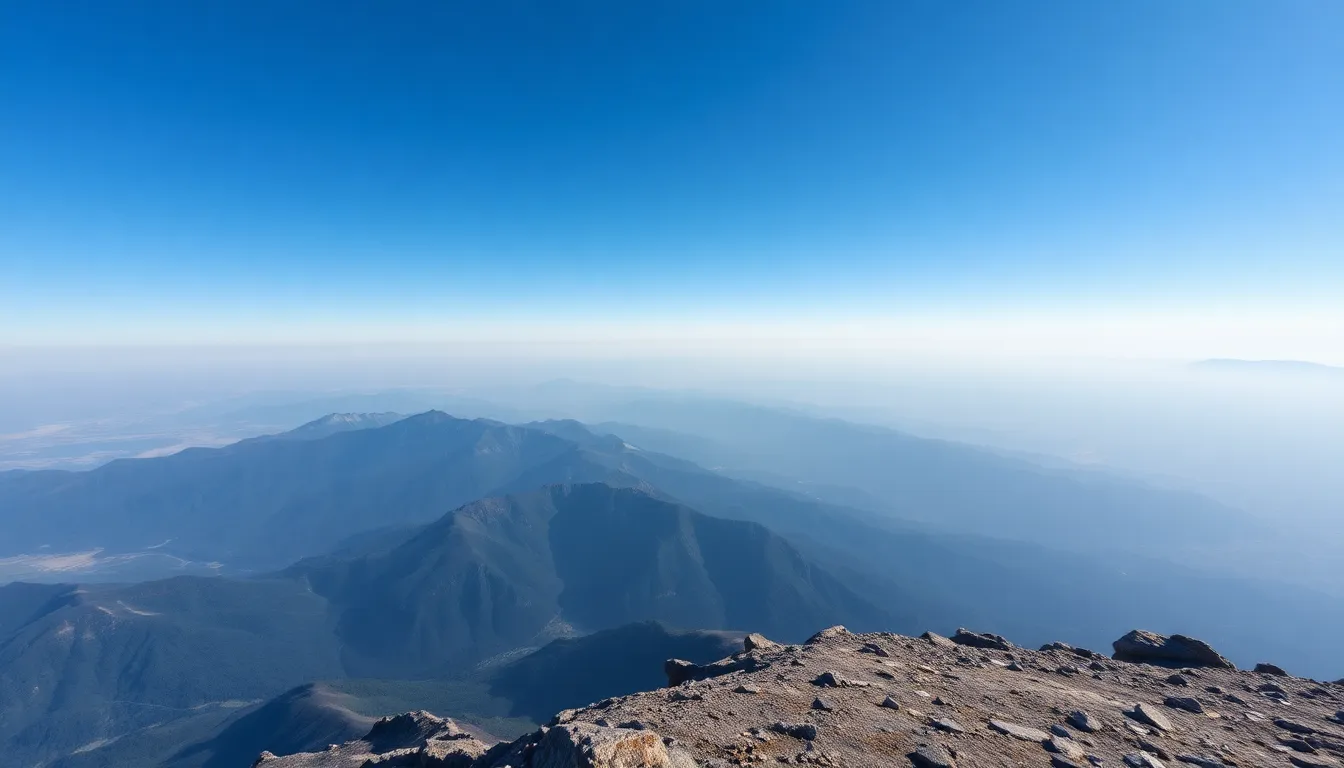
- At higher altitudes, the sky appears darker blue (less atmosphere).
- Astronauts see black sky as there's no atmosphere to scatter light.
- Mountaintop skies have more intense blue color than sea level.
8
Other Planets' Skies
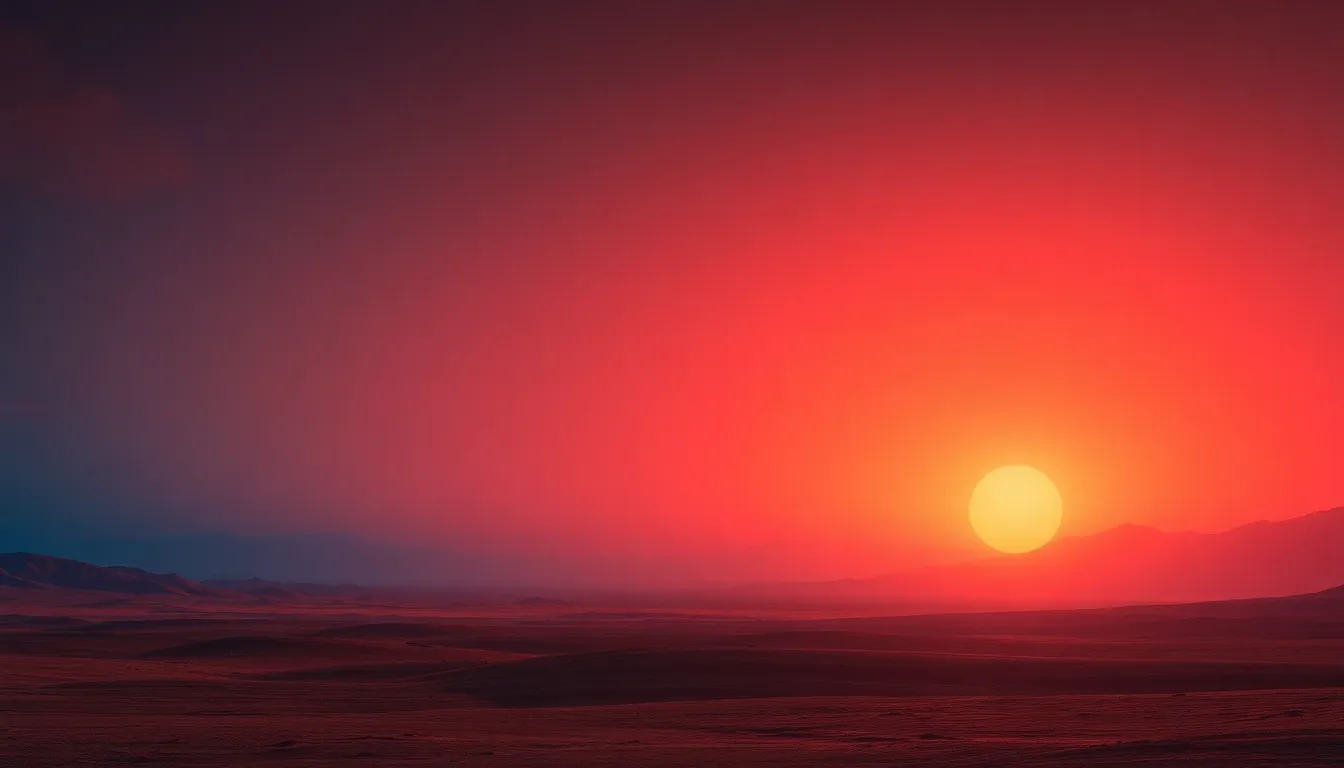
- Mars has blue sunsets but reddish daytime sky due to dust.
- Venus' thick atmosphere makes its sky orange all the time.
- Titan's orange sky comes from organic compounds in its atmosphere.
9
Historical Understanding
- Leonardo da Vinci was among the first to study sky color scientifically.
- John Tyndall demonstrated light scattering in the 1860s.
- Rayleigh provided the complete mathematical explanation in 1871.
10
Conclusion
- The blue sky results from Rayleigh scattering of sunlight.
- Blue light scatters more due to its short wavelength.
- This phenomenon also explains colorful sunrises and sunsets.
1 / 10