What is Polio?

📑 5 slides 👁 10 views 📅 4/15/2026
0.0 (0 ratings)

Introduction to Polio

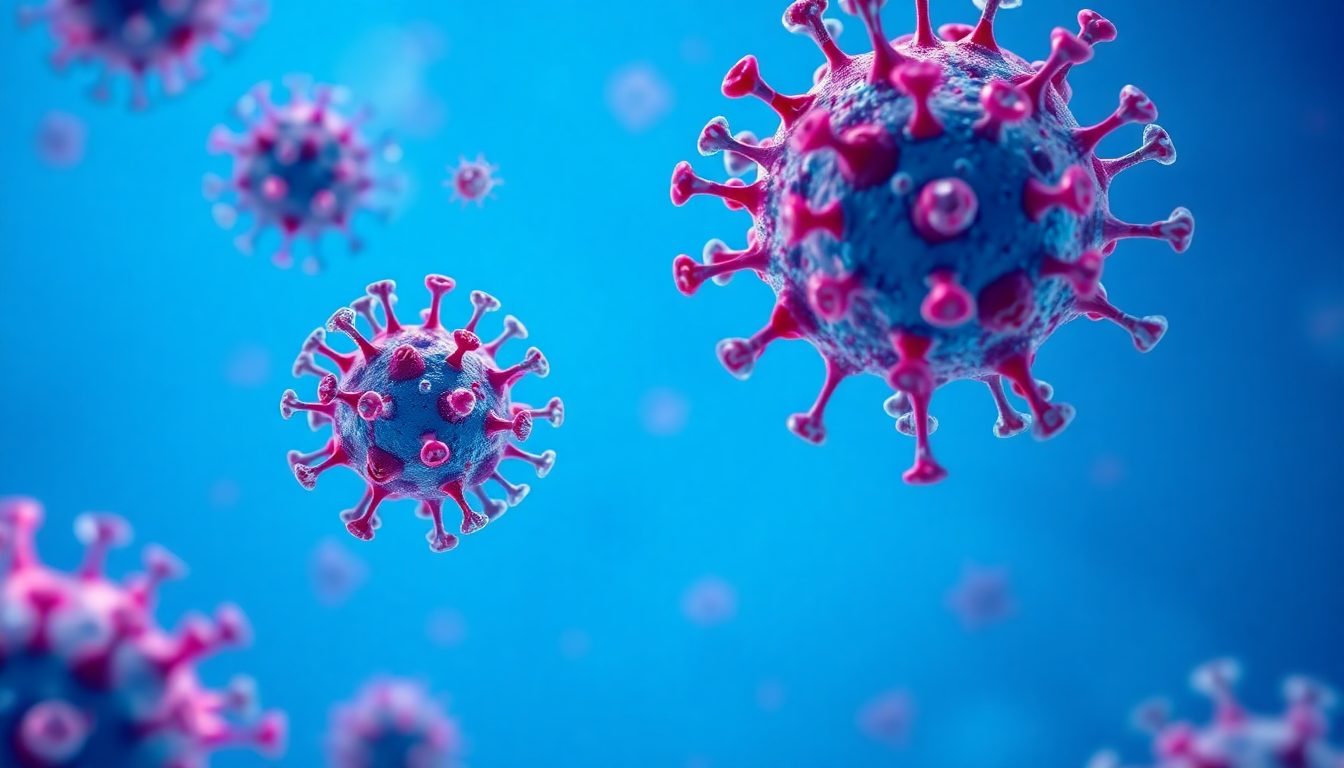
Polio is a highly infectious viral disease caused by the poliovirus.

Introduction to Polio
2

Symptoms and Transmission

  • Most cases are asymptomatic, but symptoms can include fever, fatigue, and headache.
  • Severe cases may cause muscle weakness, paralysis, or difficulty breathing.
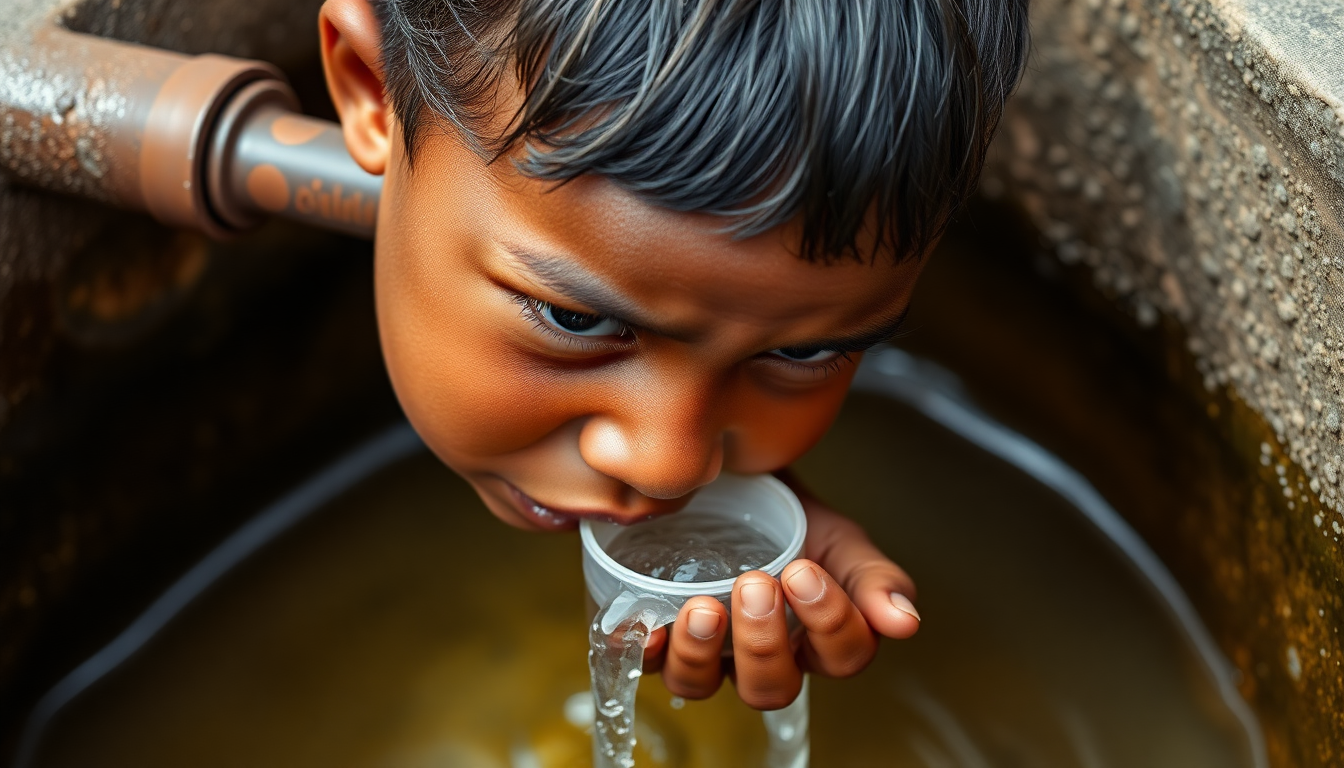
  • Polio spreads through contaminated water or food, or direct contact with an infected person.
  • The virus enters the body through the mouth and multiplies in the intestines.
Symptoms and Transmission
3

Prevention and Vaccination

  • Vaccination is the most effective way to prevent polio, with two main types: IPV and OPV.
  • IPV (inactivated polio vaccine) is given as an injection, while OPV (oral polio vaccine) is taken orally.
  • Global vaccination campaigns have reduced polio cases by over 99% since 1988.
  • Herd immunity is crucial to protect unvaccinated individuals from outbreaks.
Prevention and Vaccination
4

Global Eradication Efforts

  • The Global Polio Eradication Initiative (GPEI) was launched in 1988 to eliminate polio worldwide.
  • Only two countries (Afghanistan and Pakistan) still report wild poliovirus cases as of 2023.
  • Challenges include vaccine hesitancy, conflict zones, and limited healthcare access.
  • Success depends on sustained funding, community engagement, and surveillance.
Global Eradication Efforts
5

Conclusion and Future Outlook

  • Polio is preventable but remains a threat in under-vaccinated communities.
  • Continued vaccination and surveillance are key to achieving global eradication.
  • Public awareness and education play a vital role in combating misinformation.
  • A polio-free world is within reach with collective global effort.
Conclusion and Future Outlook
1 / 5