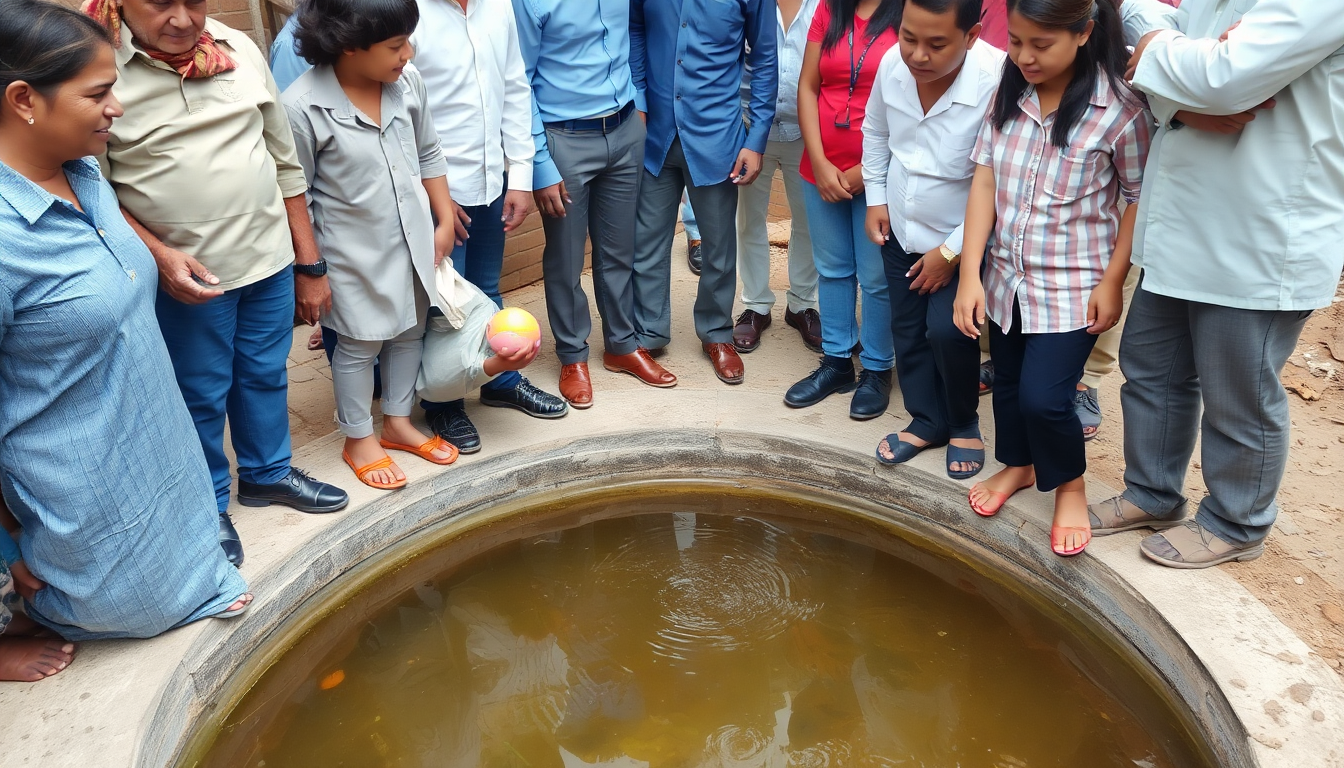
Major Waterborne Diseases: Epidemiology, Public Health Significance, Flood-related

📑 5 slides 👁 51 views 📅 7/25/2026
0.0 (0 ratings)

Waterborne Diseases: An Overview

Cholera, Typhoid Fever, Hepatitis A, and Acute Diarrhoeal Diseases are major waterborne diseases

Waterborne Diseases: An Overview
2

Epidemiology of Waterborne Diseases

  • Cholera affects 1.3 million people annually, with 21,000-143,000 deaths reported
  • Typhoid Fever causes 21 million illnesses and 200,000 deaths each year
  • Hepatitis A infects 1.5 million people globally, with a 0.5% mortality rate
📊
3

Public Health Significance of Waterborne Diseases

  • Waterborne diseases lead to significant economic burdens, with estimated annual losses of $12 billion
  • Flood-related outbreaks can overwhelm healthcare systems, exacerbating the crisis
  • Improved water, sanitation, and hygiene (WASH) infrastructure can reduce disease incidence by 25-30%
Public Health Significance of Waterborne Diseases
4

Flood-related Waterborne Disease Outbreaks

  • Floods contaminate water sources, increasing the risk of waterborne disease outbreaks by 2-5 times
  • Flood-related outbreaks are more common in low-income countries, where WASH infrastructure is limited
  • Early warning systems and emergency preparedness can mitigate the impact of flood-related outbreaks
📊
5

Conclusion: Addressing Waterborne Diseases

  • Waterborne diseases are a significant public health concern, exacerbated by floods
  • Improved WASH infrastructure, surveillance, and emergency preparedness are crucial to reducing disease incidence
  • Collaborative efforts are necessary to address the global burden of waterborne diseases
Conclusion: Addressing Waterborne Diseases
1 / 5