The Underground Railroad

📑 10 slides 👁 27 views 📅 2/4/2026
0.0 (0 ratings)

Introduction to the Underground Railroad

Network of secret routes and safe houses for enslaved African Americans escaping to freedom.

Introduction to the Underground Railroad
2

Key Figures: Harriet Tubman

  • Known as the 'Moses of her people' for leading many to freedom.
  • Made 13 missions to rescue approximately 70 enslaved people.
  • Used the North Star and natural landmarks to navigate.
  • Later became a spy for the Union during the Civil War.
Key Figures: Harriet Tubman
3

Safe Houses and Conductors

  • Safe houses were called 'stations' and were often homes or churches.
  • Conductors were guides who led escapees to freedom.
  • Many were Quakers or abolitionists who opposed slavery.
  • Secrecy was paramount to avoid detection by slave catchers.
Safe Houses and Conductors
4

Routes to Freedom

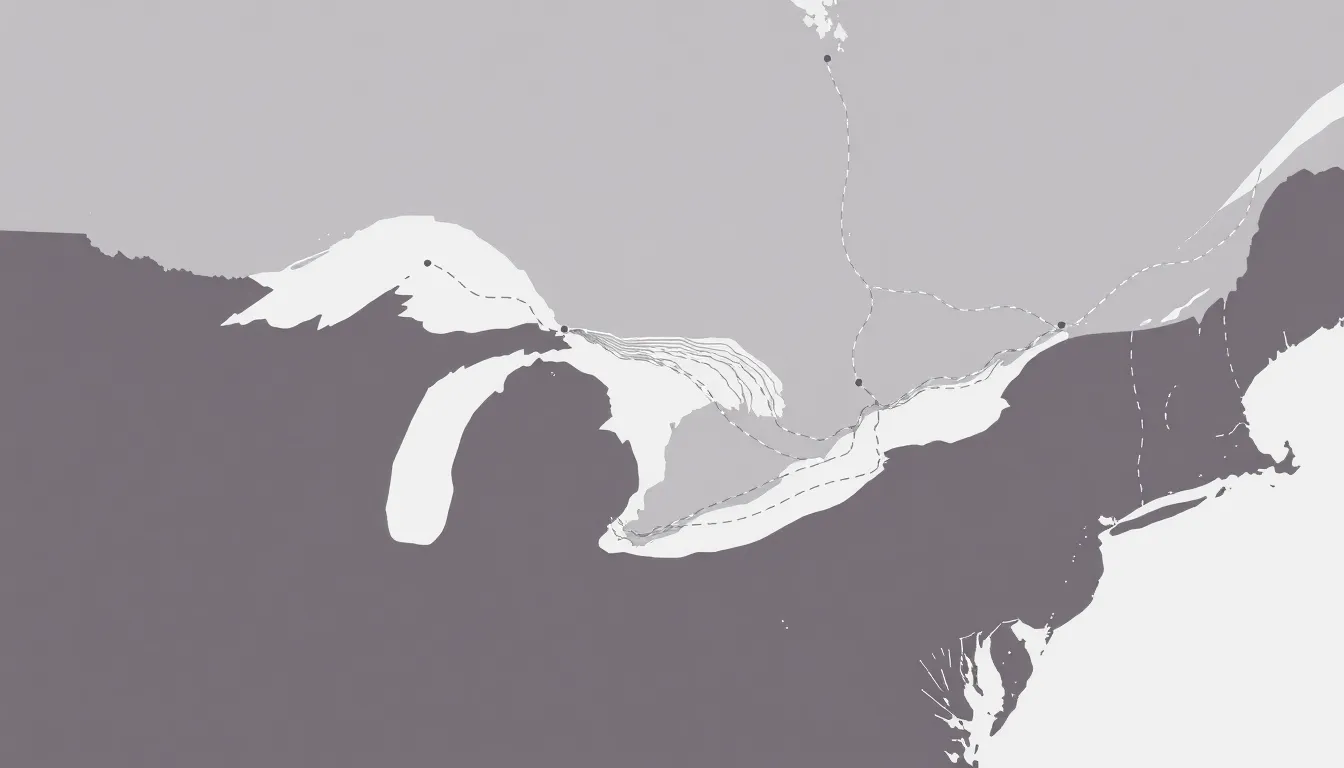
  • Routes stretched from the South to Northern states and Canada.
  • Major destinations included Philadelphia, New York, and Ontario.
  • Some escapees traveled by foot, others hid in wagons or boats.
  • The journey was dangerous, with risks of capture and punishment.
Routes to Freedom
5

Quilts and Secret Codes

  • Quilts with specific patterns were used to signal safe houses.
  • Songs like 'Follow the Drinking Gourd' contained hidden messages.
  • Escapes were often planned during harvests or holidays.
  • Codes were essential to maintain secrecy and avoid suspicion.
Quilts and Secret Codes
6

Dangers and Challenges

  • Slave catchers and bloodhounds were constant threats.
  • Fugitive Slave Act of 1850 required escaped slaves to be returned.
  • Many escapees faced starvation, exposure, or betrayal.
  • Rewards were offered for the capture of conductors like Tubman.
Dangers and Challenges
7

Impact on the Civil War

  • Underground Railroad heightened tensions between North and South.
  • Many escapees joined the Union Army to fight against slavery.
  • Harriet Tubman served as a nurse and spy for the Union.
  • The network's success inspired abolitionist movements.
Impact on the Civil War
8

Legacy and Memorials

  • National Underground Railroad Freedom Center in Ohio honors its history.
  • Harriet Tubman is set to appear on the U.S. $20 bill.
  • Many safe houses are now museums or historical landmarks.
  • Symbolizes courage and the fight for human rights.
Legacy and Memorials
9

Myths and Misconceptions

  • Contrary to popular belief, it was not an actual railroad.
  • Not all helpers were white; many free African Americans participated.
  • Escapes were rarely dramatic; most were carefully planned.
  • The term 'Underground Railroad' was coined in the 1830s.
Myths and Misconceptions
10

Conclusion: A Symbol of Hope

  • The Underground Railroad remains a powerful symbol of resistance.
  • It demonstrated the power of collective action and solidarity.
  • Its legacy continues to inspire movements for justice today.
  • A testament to the enduring human spirit against oppression.
Conclusion: A Symbol of Hope
1 / 10