Types of Network Topology

📑 5 slides 👁 25 views 📅 3/11/2026
0.0 (0 ratings)

Introduction to Topology

Network topology defines how devices are interconnected

Introduction to Topology
2

Point-to-Point & Bus

  • Point-to-Point: Direct connection between two nodes (simplest form)
  • Bus: Single backbone cable connects all devices (cost-effective)
  • Bus topology prone to collisions as network grows
  • Point-to-Point used in leased lines and microwave links
Point-to-Point & Bus
3

Ring & Star Topologies

  • Ring: Data travels in one direction (reduces packet collisions)
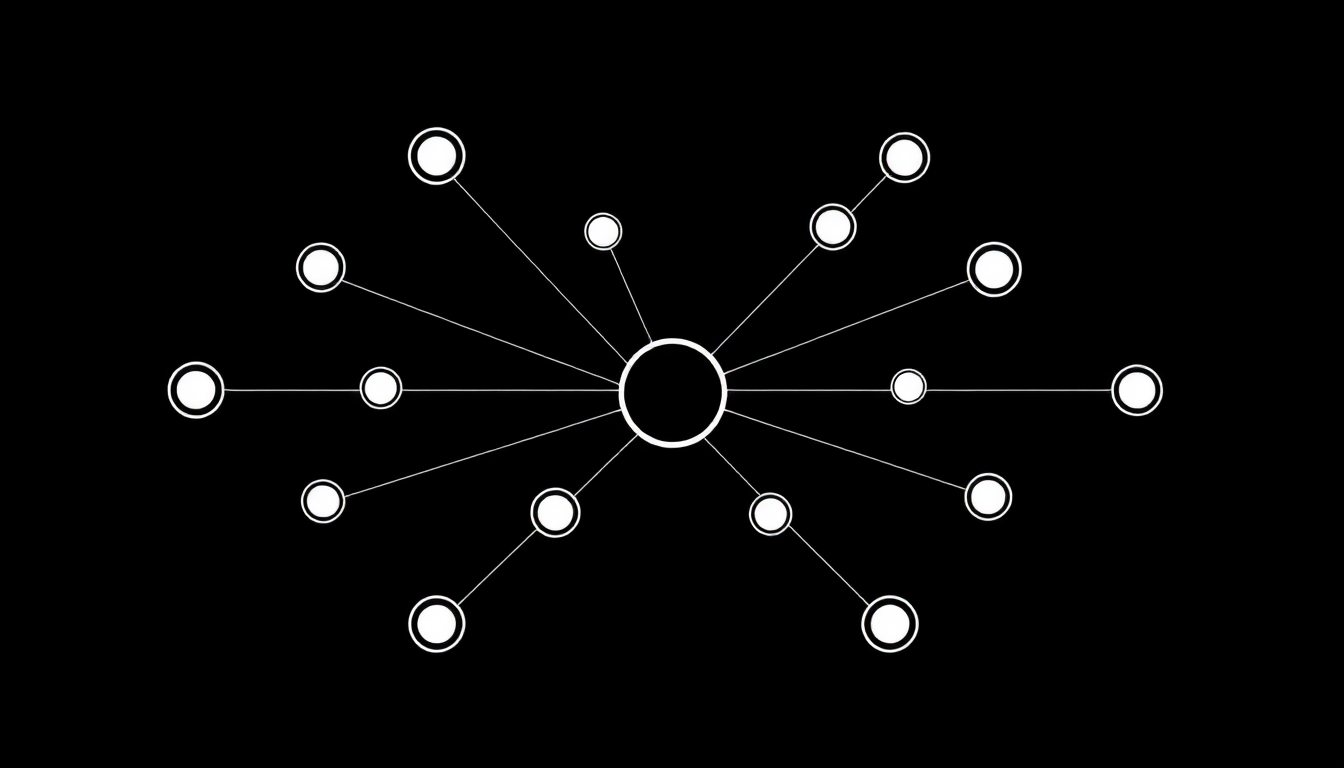
  • Star: All nodes connect to central hub (easy to troubleshoot)
  • Ring failure affects entire network; star only affects one node
  • Star requires more cabling but offers better performance
Ring & Star Topologies
4

Tree & Mesh Topologies

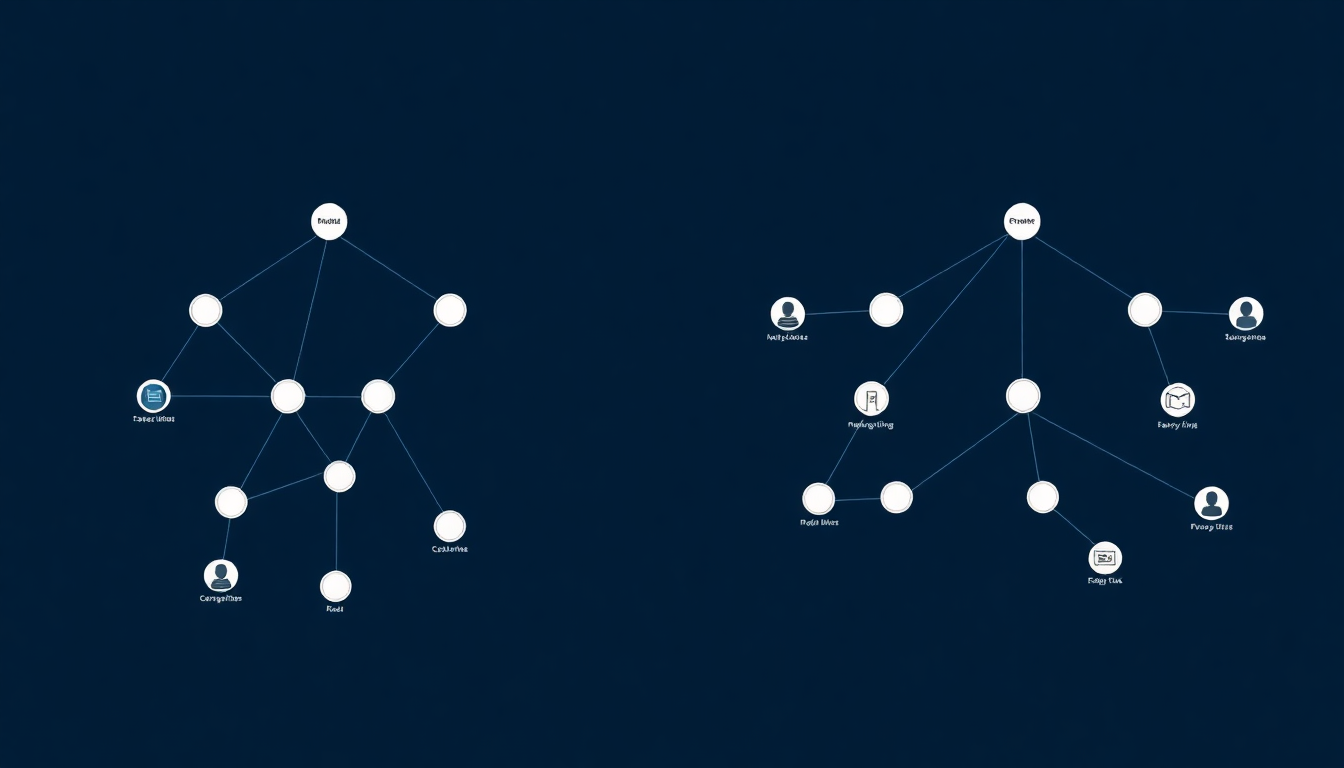
  • Tree: Hierarchical star networks (scalable for large orgs)
  • Mesh: Every node connects to others (high redundancy)
  • Full mesh is expensive but most fault-tolerant
  • Partial mesh balances cost and reliability
Tree & Mesh Topologies
5

Comparison & Summary

  • Point-to-Point: Simple but limited to two devices
  • Bus: Economical but poor scalability
  • Star: Popular balance of cost and reliability
  • Mesh: Maximum reliability but highest cost
Comparison & Summary
1 / 5