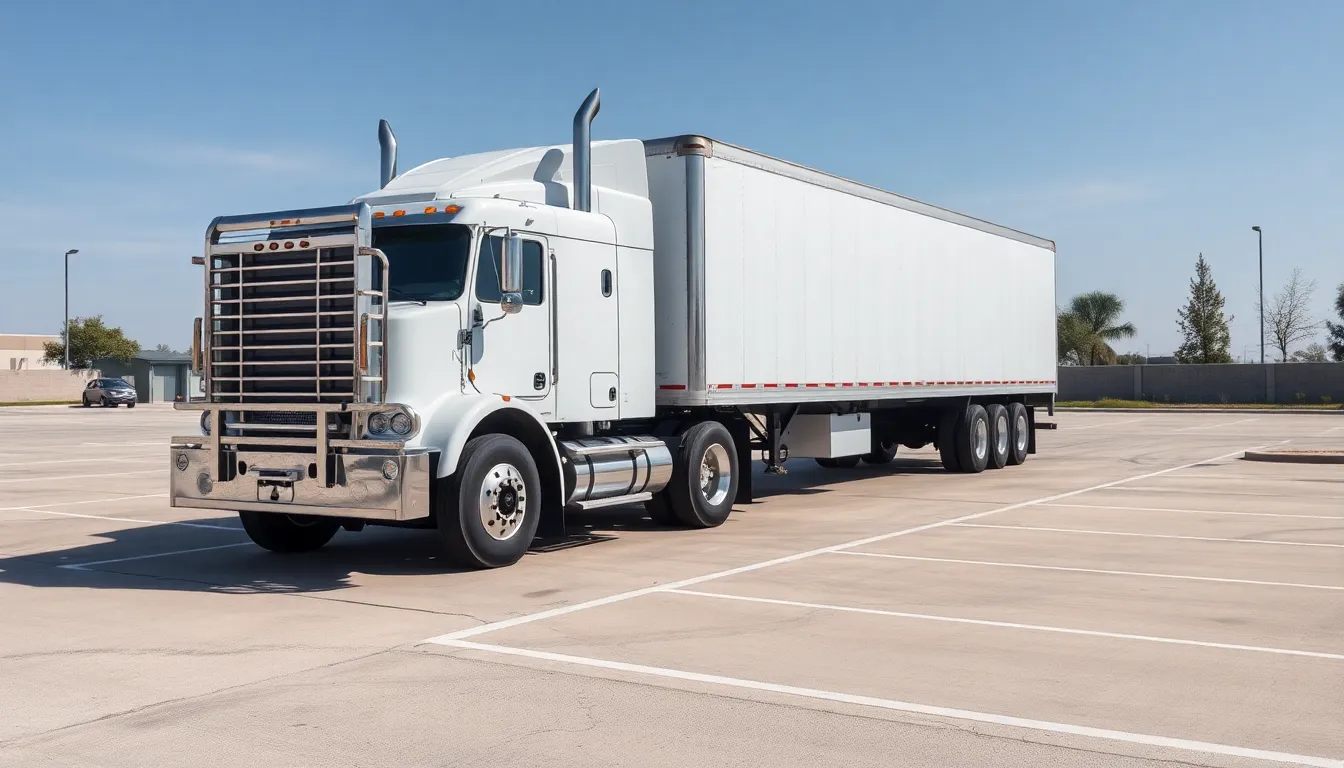
Truck Idling in the Parking Lot

📑 5 slides 👁 34 views 📅 1/26/2026
0.0 (0 ratings)

Introduction to Truck Idling

Truck idling refers to running engines while parked, wasting fuel and increasing emissions.

Introduction to Truck Idling
2

Environmental Impact

  • Idling trucks emit CO2, NOx, and particulate matter, harming air quality.
  • One hour of idling produces 21 lbs of CO2, equivalent to 50 miles of driving.
  • Reducing idling could cut 11 million tons of CO2 annually in the US.
  • Urban areas suffer most due to concentrated emissions in parking lots.
Environmental Impact
3

Economic Costs

  • Idling wastes $3-5 billion in diesel fuel annually in the US alone.
  • Engine wear from idling increases maintenance costs by up to 15%.
  • Fleet operators lose 1-2% of fuel efficiency per 1000 idle hours.
  • Anti-idling policies can save companies $1000+ per truck yearly.
Economic Costs
4

Solutions & Alternatives

  • Auxiliary Power Units (APUs) provide climate control without main engine.
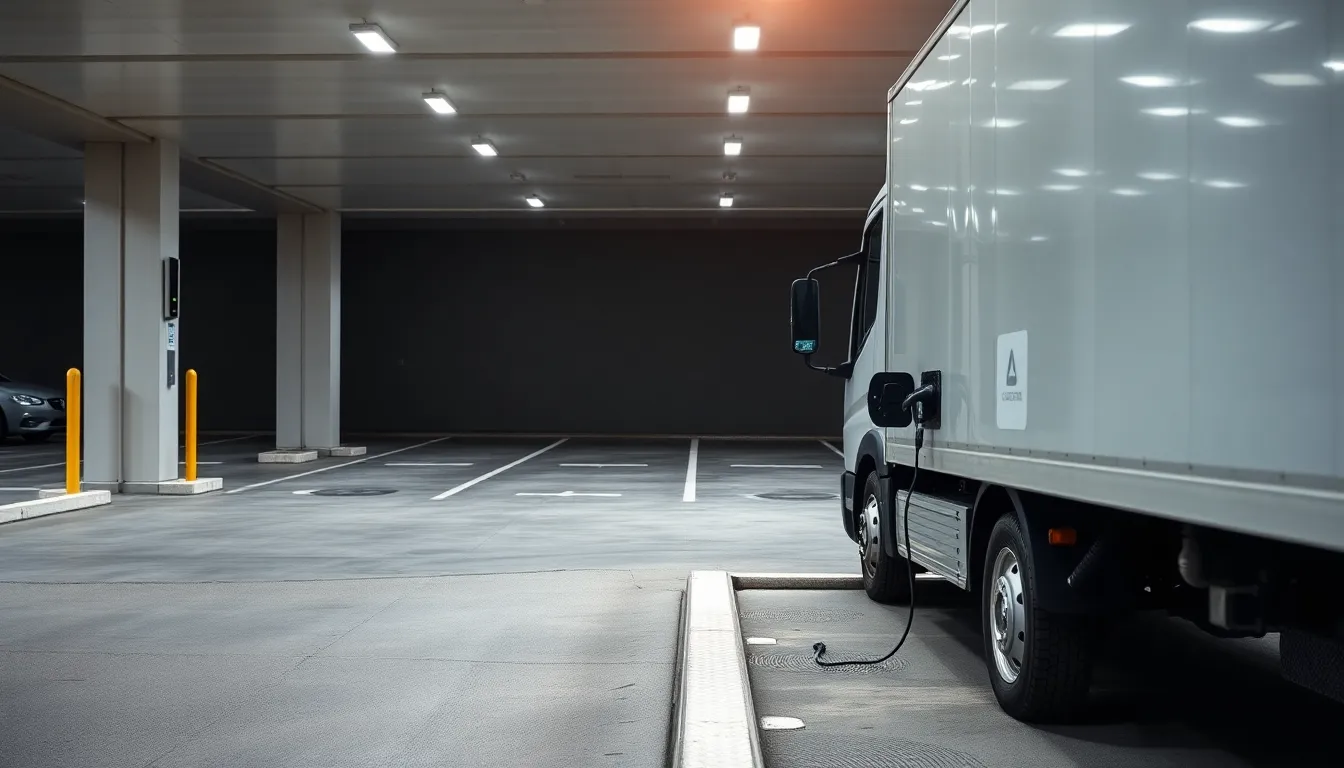
  • Shore power stations allow plug-in electricity at parking facilities.
  • Automatic engine shut-off systems activate after preset idle times.
  • Driver training programs can reduce unnecessary idling by 30-50%.
Solutions & Alternatives
5

Conclusion & Call to Action

  • Truck idling is costly, harmful, and largely preventable with existing solutions.
  • Combining technology upgrades with driver education yields best results.
  • Companies adopting anti-idling measures see ROI within 12-18 months.
  • Industry-wide changes could significantly reduce environmental impact.
Conclusion & Call to Action
1 / 5