Hazard Analysis/Prevention and Safety Management
📑 10 slides
👁 27 views
📅 1/29/2026
Introduction to Hazard Analysis
Hazard analysis identifies potential risks in workplace environments to prevent accidents.
2
Types of Hazards
- Physical hazards include noise, vibration, and radiation, affecting 22% of industrial workers.
- Chemical hazards exposure leads to 50,000 occupational illnesses annually in the U.S.
- Biological hazards like pathogens are critical in healthcare and labs.
- Ergonomic hazards cause 33% of workplace injuries due to poor workstation design.
3
Hazard Prevention Strategies
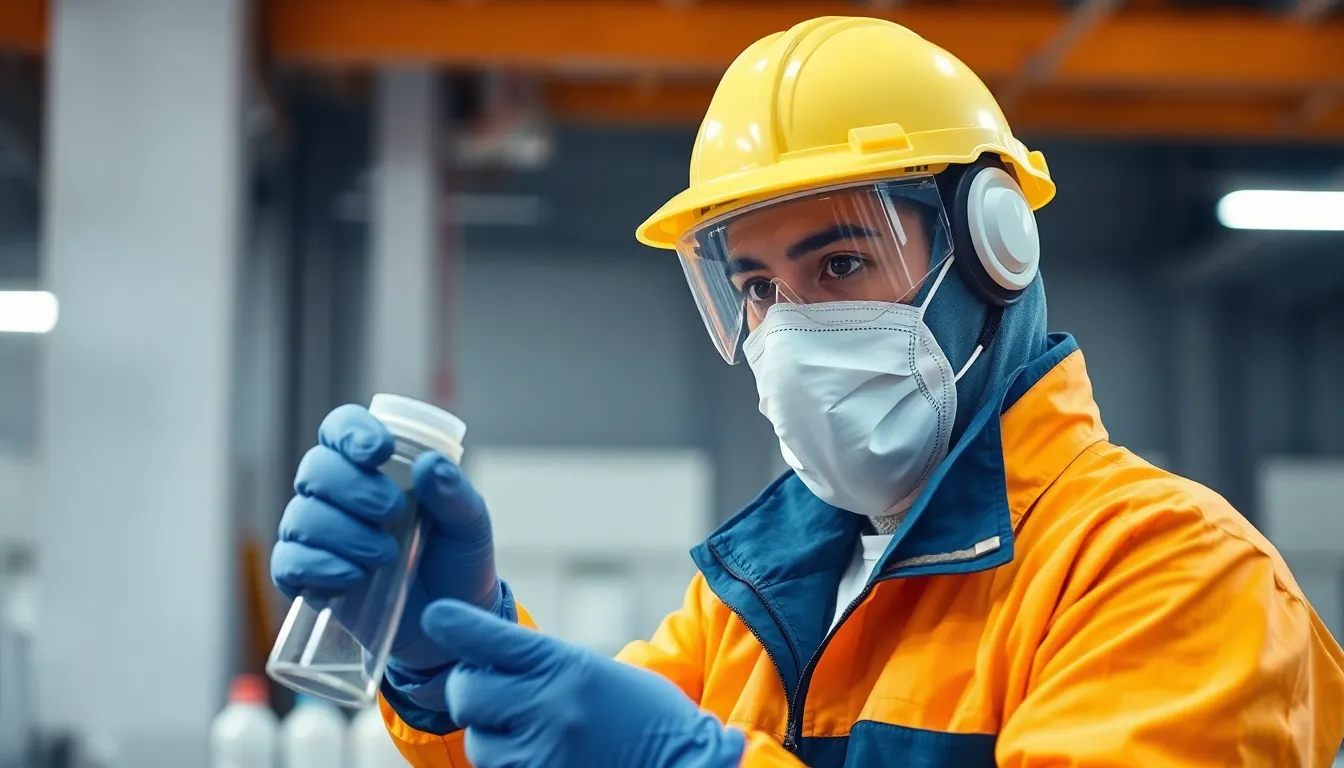
- Engineering controls like ventilation systems reduce chemical exposure by 70%.
- Administrative controls include training programs, lowering injury rates by 25%.
- PPE usage is critical, with 90% effectiveness in preventing certain injuries.
- Regular audits and inspections ensure compliance with safety standards.
4
Safety Management Systems
- Safety Management Systems (SMS) integrate policies to minimize workplace risks.
- Companies with SMS report 40% fewer accidents compared to those without.
- Key components: risk assessment, incident reporting, and continuous improvement.
- ISO 45001 is the global standard for occupational health and safety management.
5
Risk Assessment Techniques
- Qualitative risk assessment uses expert judgment to evaluate hazards.
- Quantitative methods like FTA calculate failure probabilities numerically.
- HAZOP studies identify deviations from normal operations in complex systems.
- Bow-Tie analysis visually maps causes and consequences of hazardous events.
6
Case Study: Deepwater Horizon
- 2010 explosion caused 11 deaths and $65 billion in damages due to safety failures.
- Root cause: inadequate hazard analysis and poor safety management practices.
- Post-incident reforms included stricter OSHA regulations for offshore drilling.
- Lessons: emphasize proactive hazard identification and emergency preparedness.
7
Role of Technology in Safety
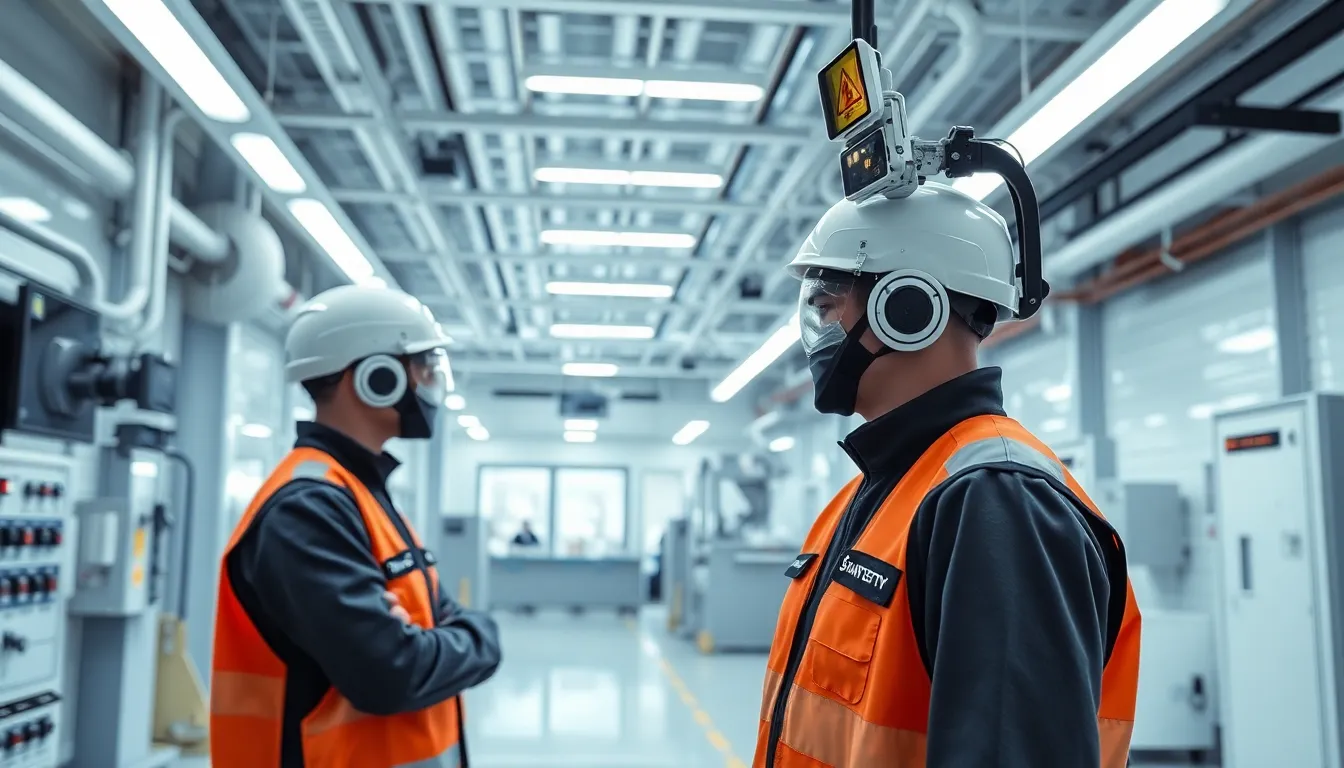
- IoT sensors monitor real-time hazards, reducing response time by 50%.
- AI predicts potential accidents with 85% accuracy using historical data.
- Drones inspect hazardous areas, preventing human exposure to risks.
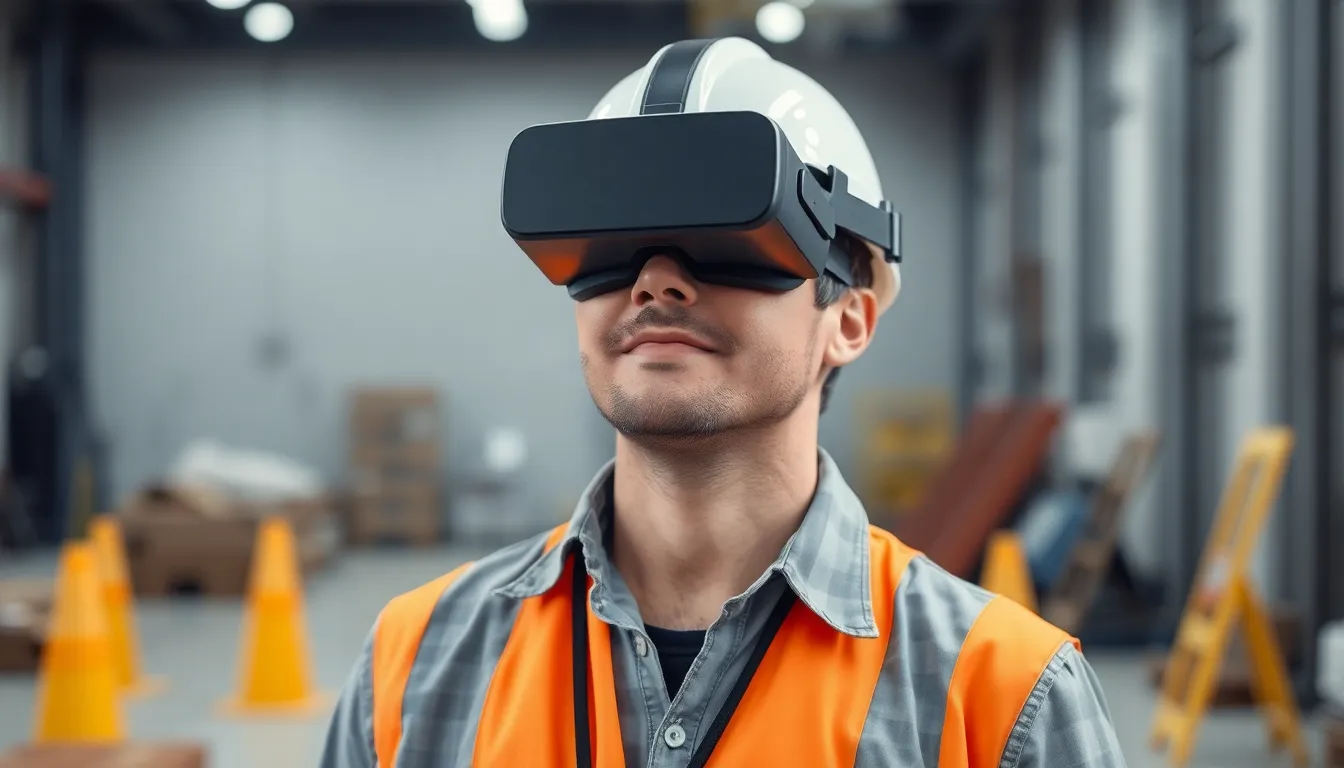
- VR training improves safety awareness, cutting training-related injuries by 35%.
8
Regulatory Framework
- OSHA standards mandate hazard communication and employee training.
- EU directives require risk assessments for all workplaces under Directive 89/391.
- Penalties for non-compliance can exceed $100,000 per violation in the U.S.
- Global harmonization efforts aim to standardize safety regulations.
9
Future Trends in Safety
- Predictive analytics will dominate safety management by 2030.
- Wearable tech will monitor worker vitals, preventing 20% of fatigue-related accidents.
- Sustainability and safety integration will become a priority in corporate policies.
- Global safety culture initiatives aim to reduce workplace fatalities by 50% by 2030.
10
Summary and Key Takeaways
- Hazard analysis and prevention are critical for reducing workplace accidents.
- Effective safety management systems can decrease incidents by up to 40%.
- Technology and regulatory compliance play pivotal roles in modern safety practices.
- Continuous improvement and learning from case studies enhance safety outcomes.
1 / 10