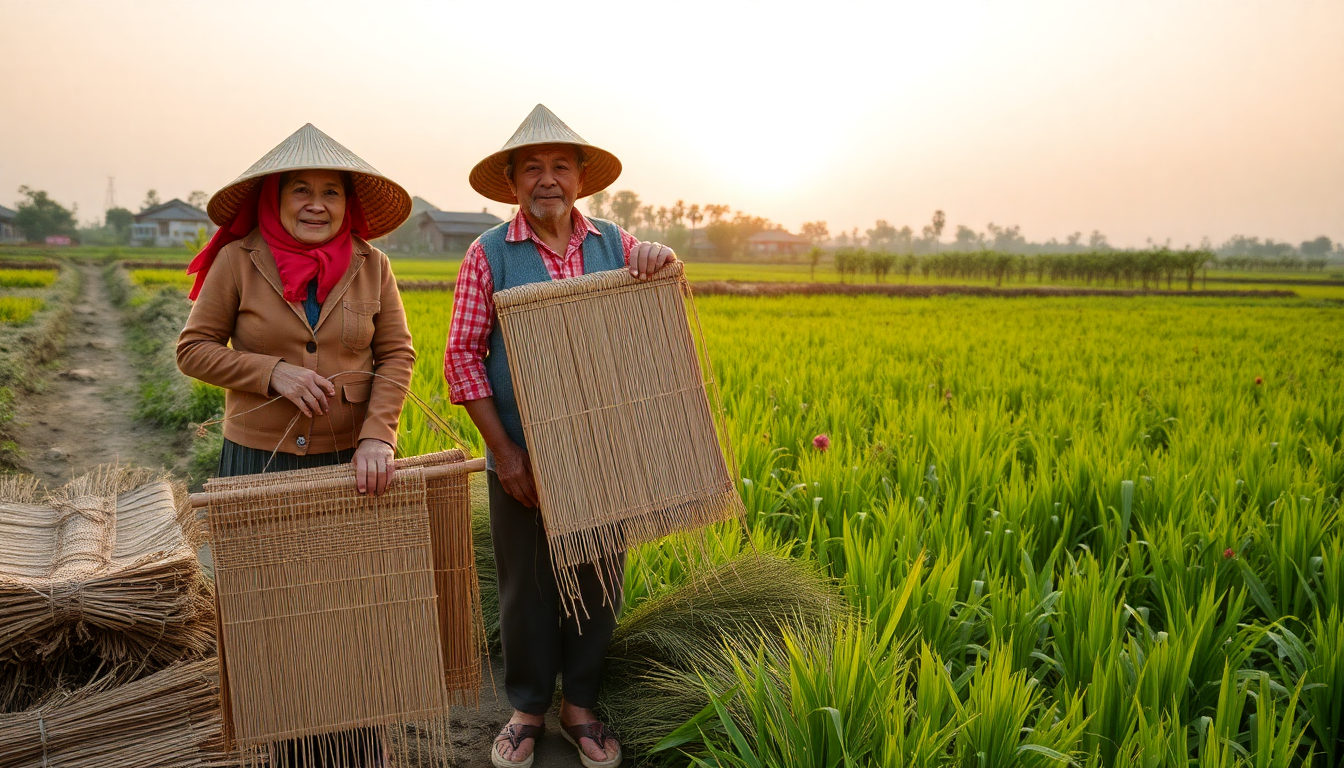
Traditional Crafts and Innovative Agriculture
📑 5 slides
👁 6 views
📅 11/16/2026
Tradition Meets Innovation
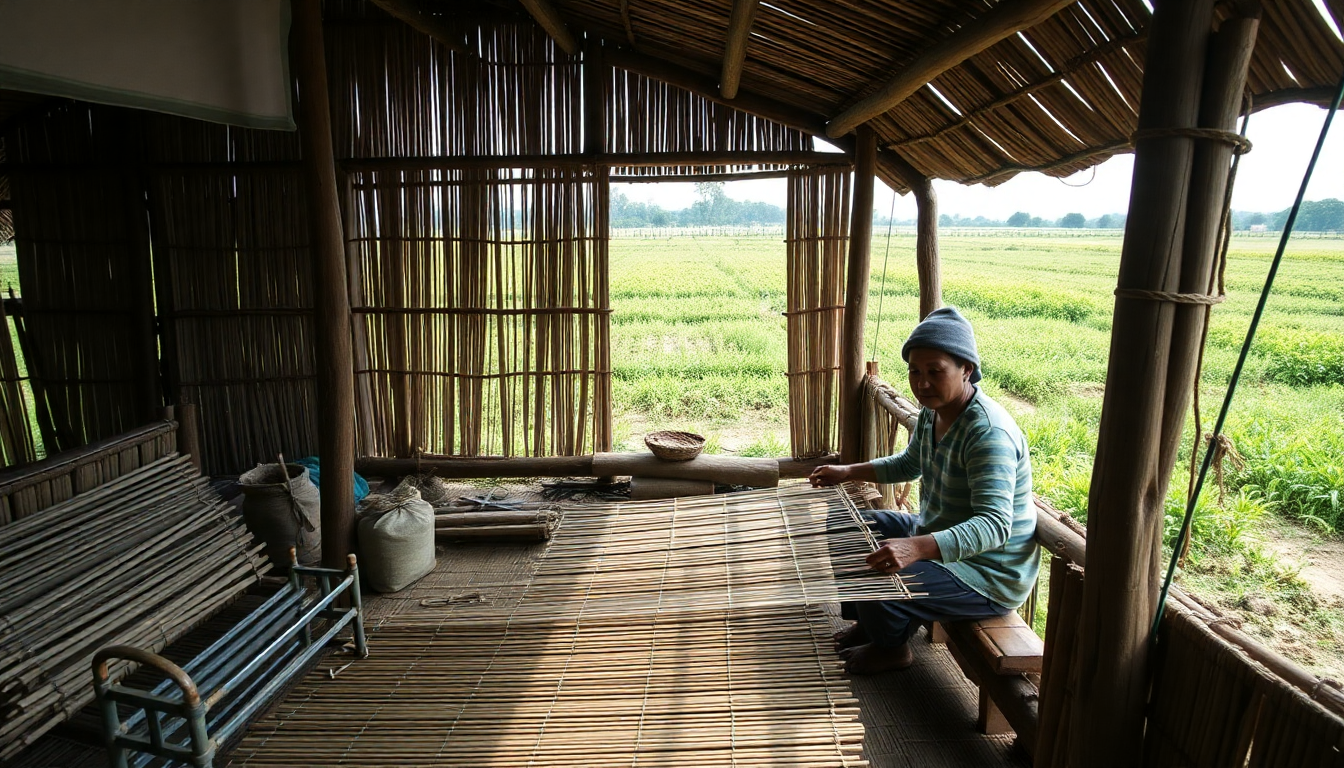
This presentation explores how traditional mat-weaving can work alongside innovative agriculture.
2
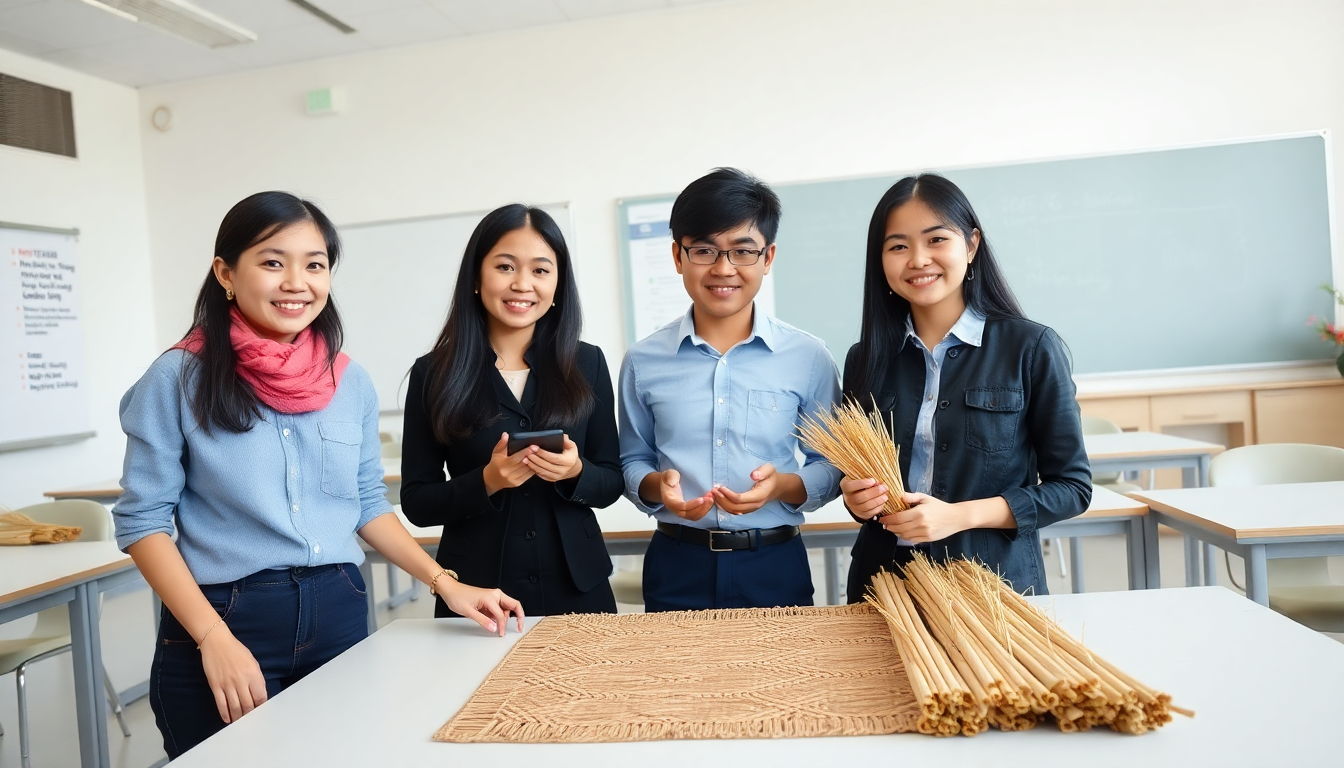
Meet the Team
- Presenter 1: ____________________ — add a name and a brief role or contribution.
- Presenter 2: ____________________ — add a name and a brief role or contribution.
- Presenter 3: ____________________ — add a name and a brief role or contribution.
- Presenter 4: ____________________ — add a name and a brief role or contribution.
3
How the Partnership Works
- Mat-weaving carries distinctive cultural value, but traditional production often has low productivity.
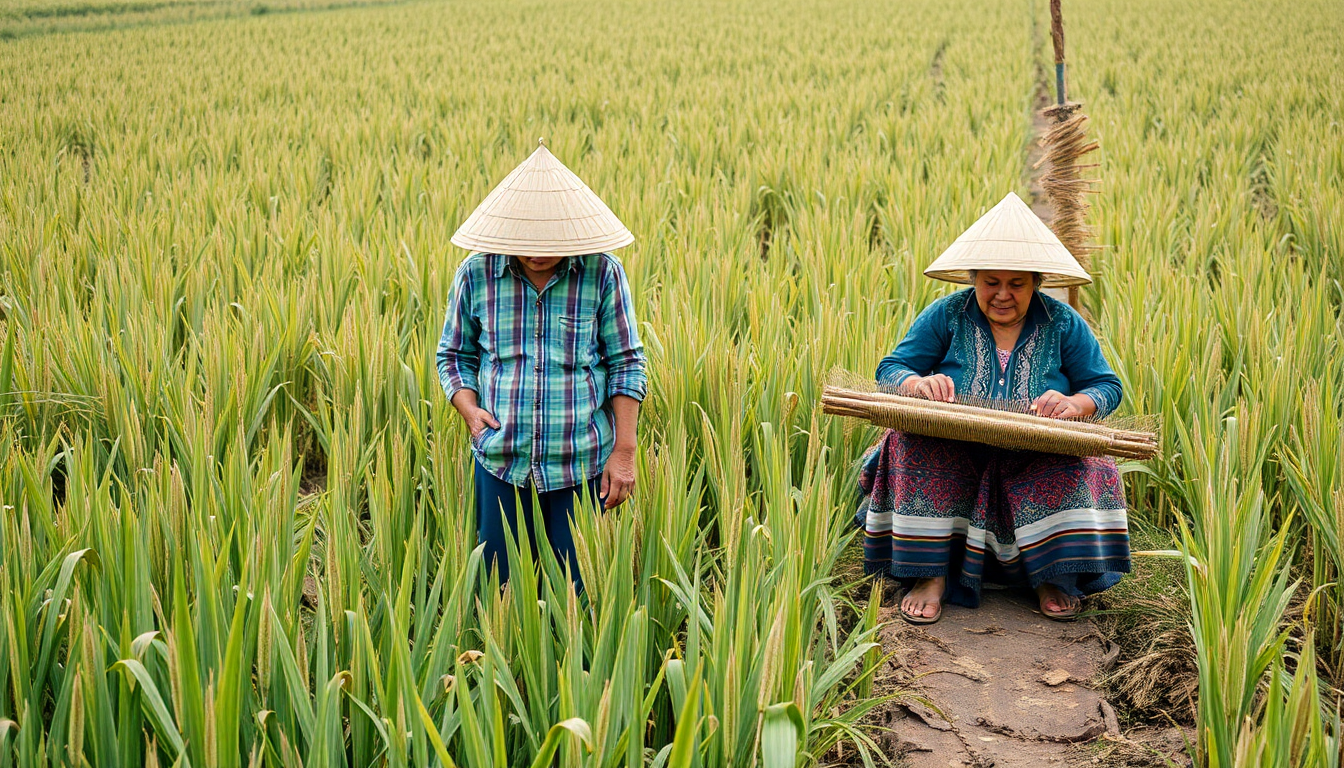
- Innovative farming can provide a stable supply of high-quality raw materials for weaving.
- Reliable materials can help artisans plan production and maintain consistent craft quality.
- Combining farming and craft skills creates opportunities to develop rural livelihoods sustainably.
4
Challenges and Lessons
- Both sectors face high investment costs when adopting improved equipment, farming methods, or facilities.
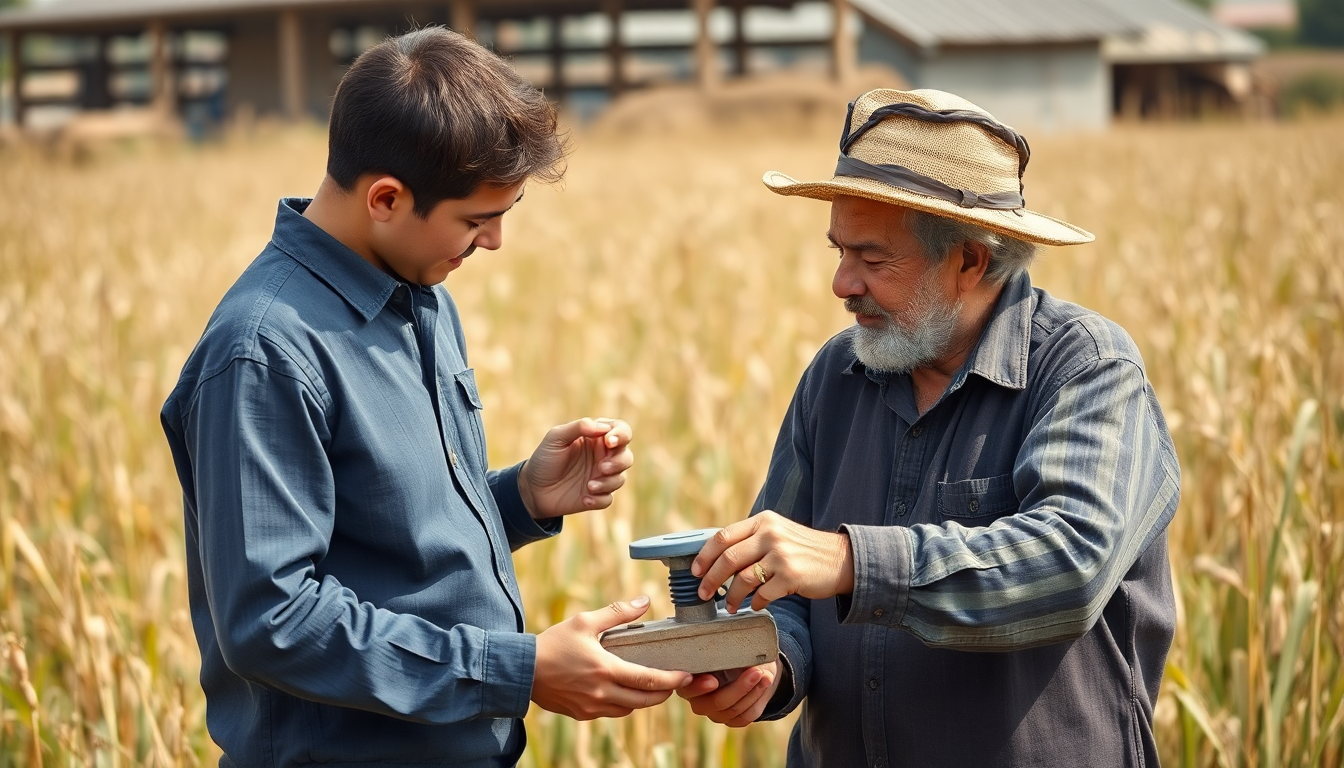
- Older workers may need patient, practical training to use new agricultural technologies confidently.
- The interview guest encourages young people to learn new knowledge and bring creativity to the craft.
- Preservation works best when communities combine respect for tradition with openness to useful change.
5
A Shared Future
- Traditional mat-weaving and innovative agriculture can strengthen one another through shared planning.
- Investing in accessible training and suitable technology can address barriers without losing craft identity.
- Young people can contribute fresh ideas while learning skills and knowledge from experienced artisans.
- Working together can help preserve cultural heritage and develop resilient, productive rural communities.
1 / 5