Special Education Programs and Services

📑 10 slides 👁 22 views 📅 2/4/2026
0.0 (0 ratings)

Introduction to Special Education

Overview of special education programs and services for children with exceptionalities.

Introduction to Special Education
2

Prevalence of Special Needs

  • Prevalence: Total cases including giftedness, disabilities, and impairments.
  • Identifiable Prevalence: Cases identified through formal systems.
  • True Prevalence: Unidentified cases in schools or communities.
Prevalence of Special Needs
3

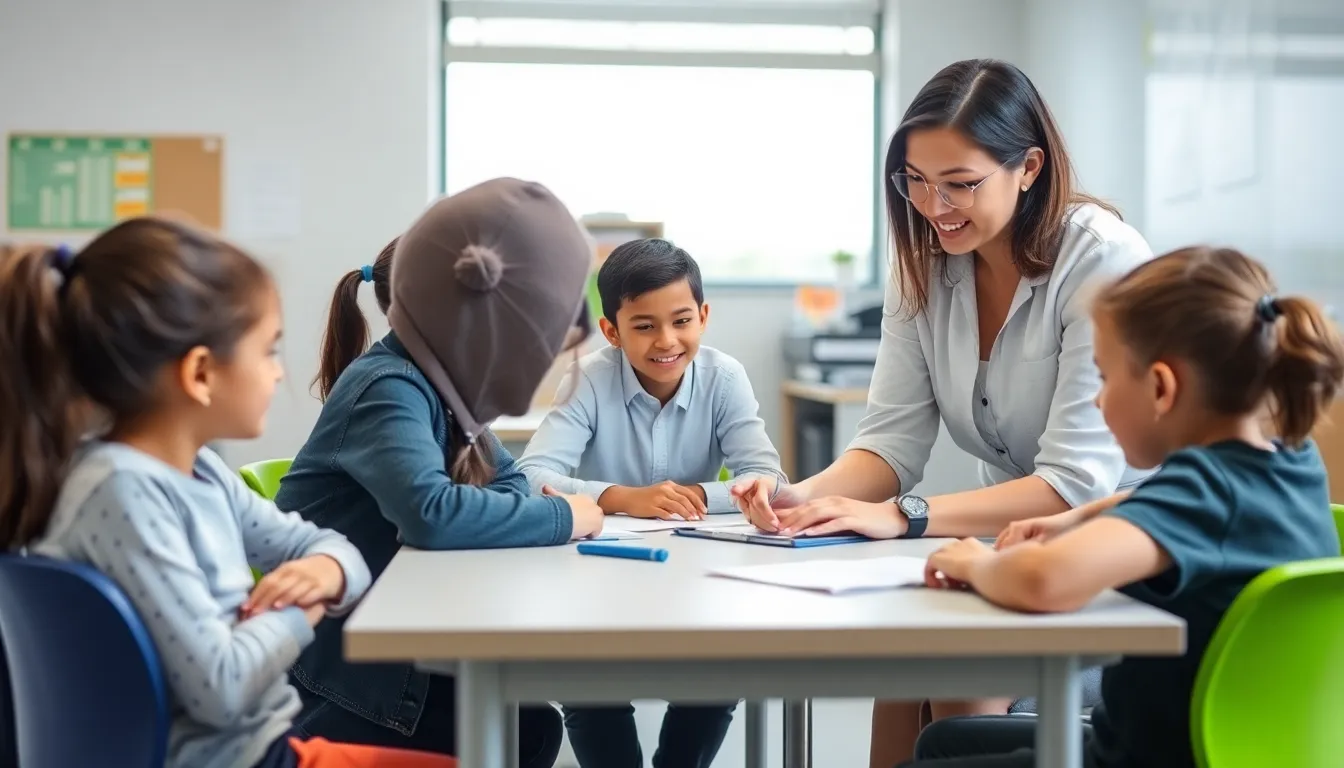
Special Education Center

  • Operates as a 'school within a school' model.
  • Serves as a specialized resource for students with exceptionalities.
  • Provides tailored instruction and support.
Special Education Center
4

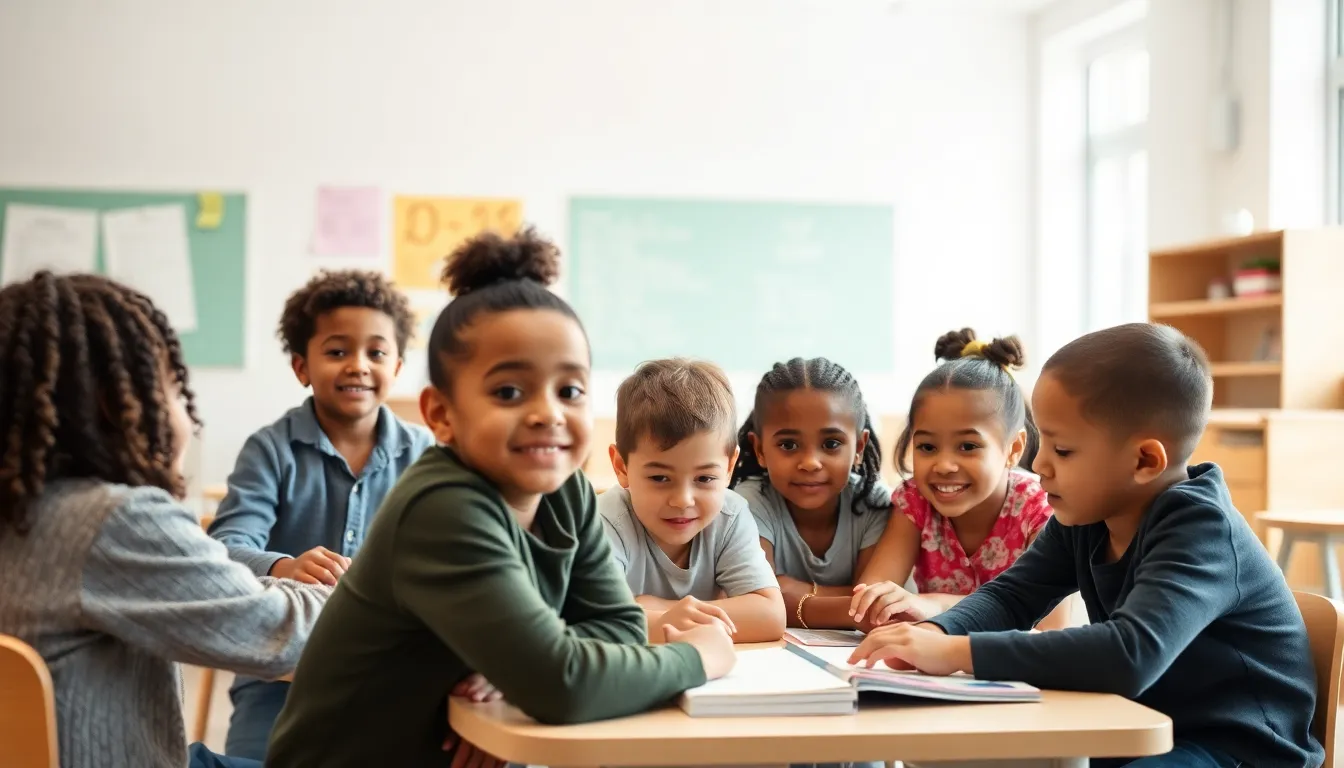
Integration and Mainstreaming

  • Students with disabilities study alongside peers in regular classrooms.
  • Partial mainstreaming for part of the day or specific subjects.
  • Full mainstreaming for full participation in all subjects.
Integration and Mainstreaming
5

Special Day and Residential Schools

  • Special Day School: Daytime specialized instruction without boarding.
  • Residential School: Provides both education and boarding facilities.
  • Caters to students requiring intensive support and care.
Special Day and Residential Schools
6

Inclusive Education Principles

  • Diversity enriches education by fostering inclusion.
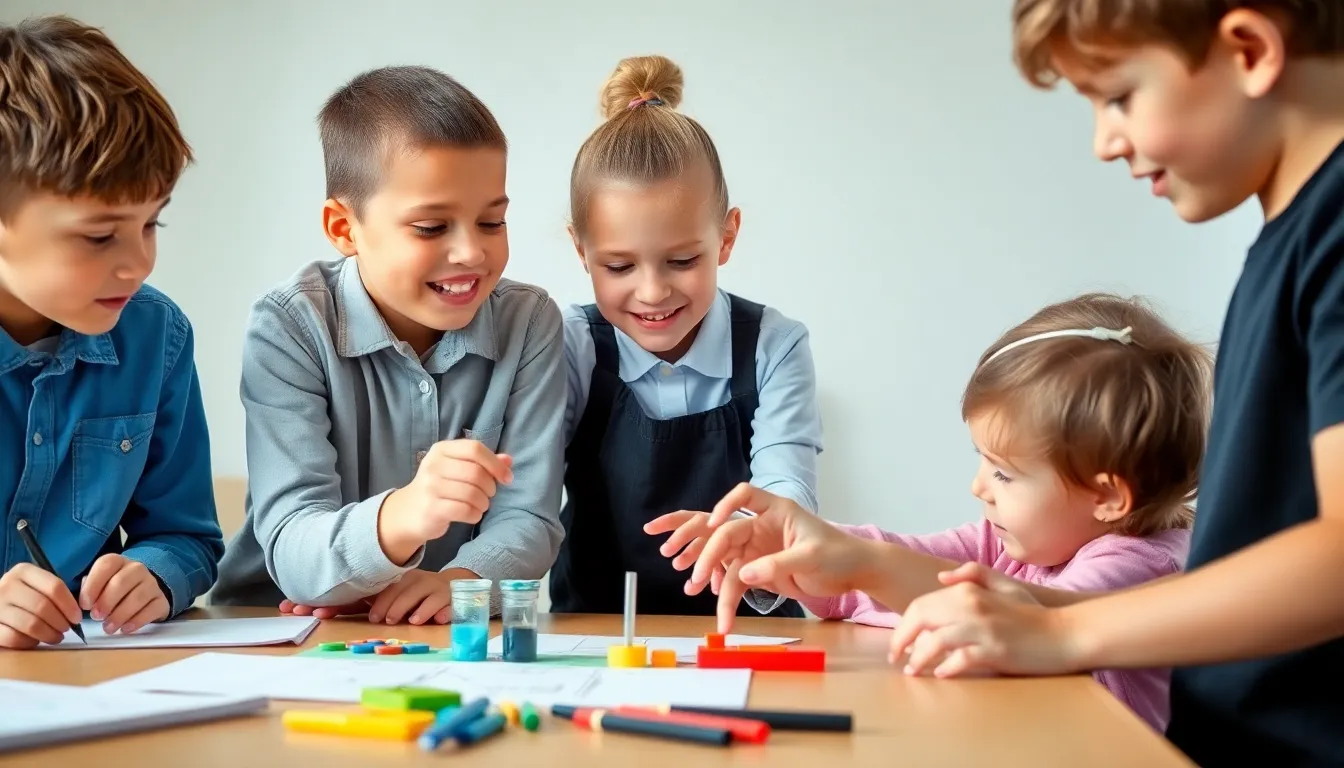
  • Strength-based curriculum focuses on individual talents.
  • Student engagement and collaboration are key.
Inclusive Education Principles
7

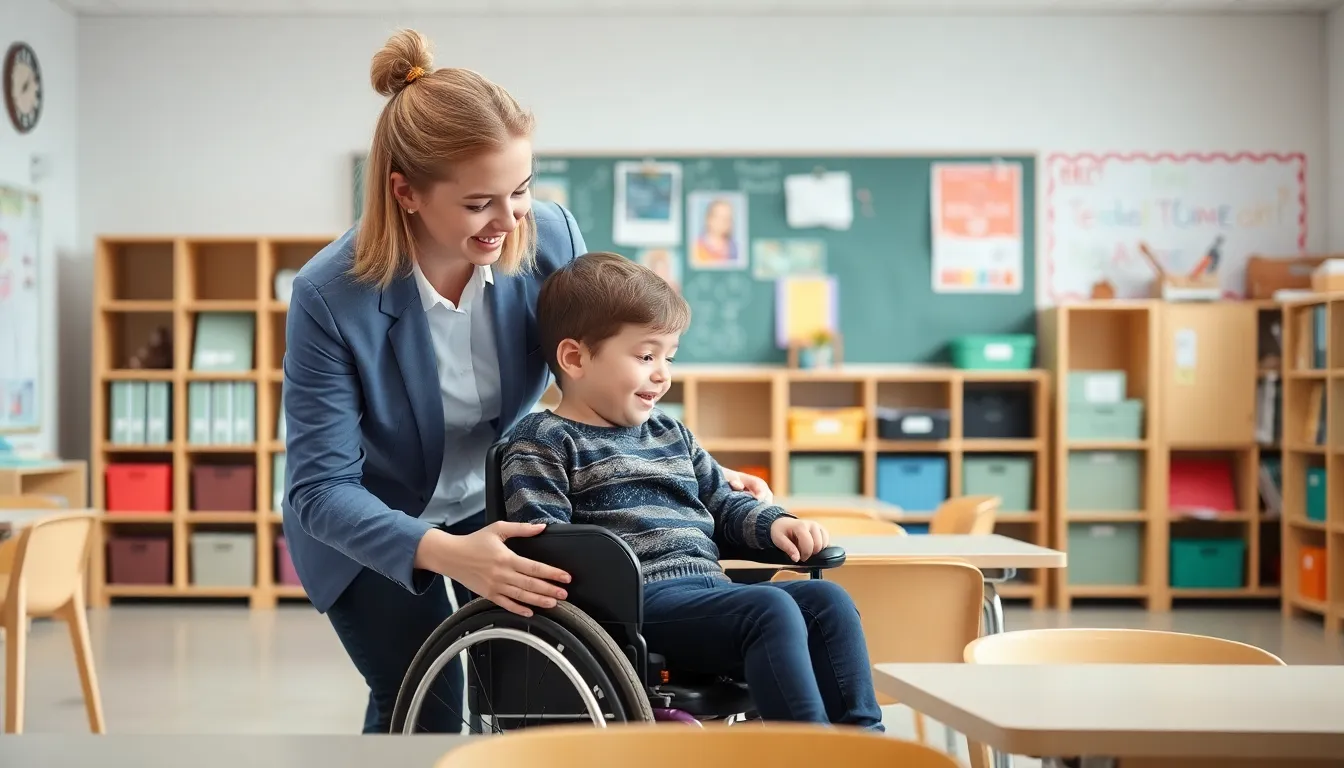
Support Services Overview

  • Tailored services to help students succeed in school.
  • Determined by Individualized Education Plan (IEP) team.
  • Includes fundamental, service-based, and medical supports.
Support Services Overview
8

Types of Support Services

  • Fundamental supports: Adjustments to school environment.
  • Service-based supports: Counseling and therapy.
  • Medical supports: Assistance with physical needs.
Types of Support Services
9

Examples of Supports

  • Curricular supports: Alternate materials and adjustments.
  • Behavioral supports: Anger management strategies.
  • Physical supports: Toileting and feeding assistance.
Examples of Supports
10

Conclusion and Summary

  • Special education programs cater to diverse learning needs.
  • Inclusive education principles promote equity and support.
  • Collaboration and tailored services ensure student success.
Conclusion and Summary
1 / 10