Plastic Production and Its Environmental Impact

๐Ÿ“‘ 10 slides ๐Ÿ‘ 30 views ๐Ÿ“… 1/27/2026
0.0 (0 ratings)

Introduction to Plastic Production

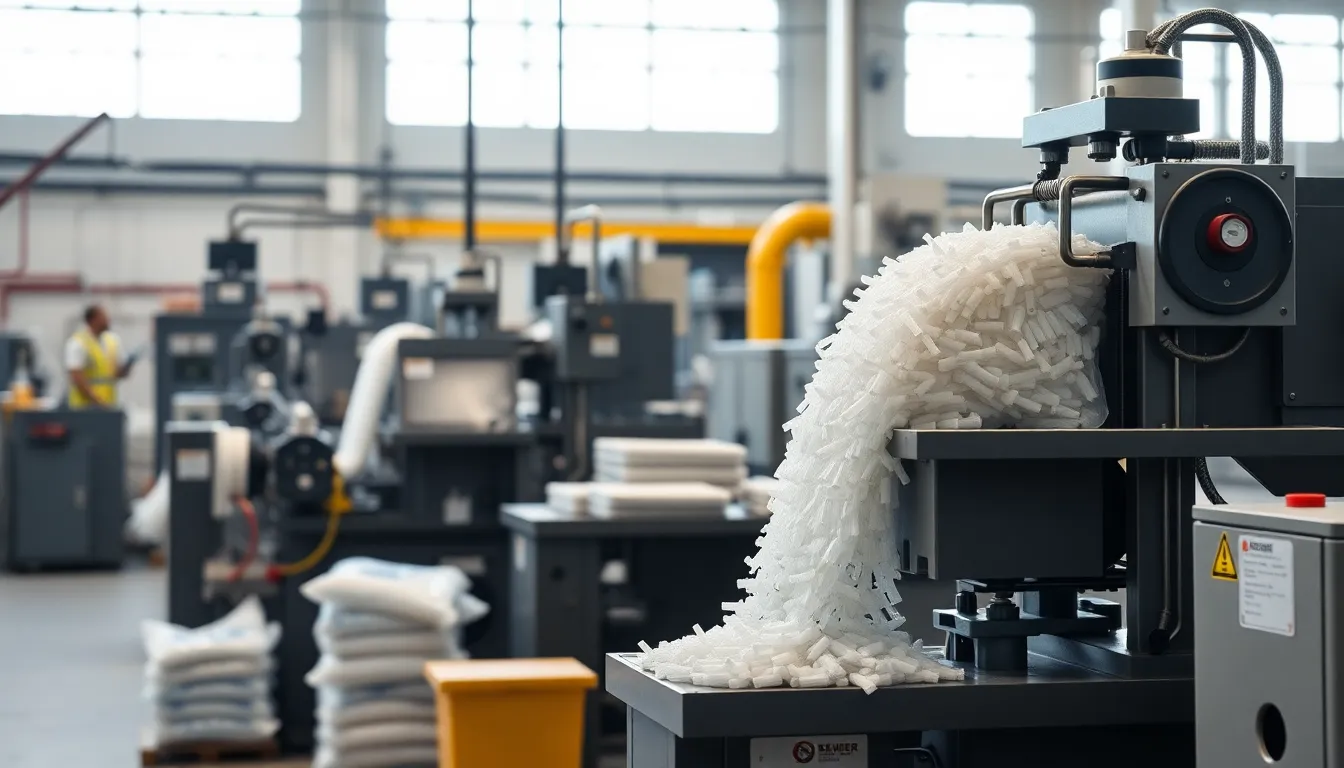
Plastic is a synthetic material made from petroleum, widely used in packaging and products.

Introduction to Plastic Production
2

Why Plastic Production Is Harmful

  • Plastic production consumes 6% of global oil, contributing to greenhouse gas emissions.
  • Many plastics contain toxic chemicals that can leach into food and water.
  • Less than 10% of plastic is recycled, leading to massive waste accumulation.
Why Plastic Production Is Harmful
3

Plastic's Impact on Oceans

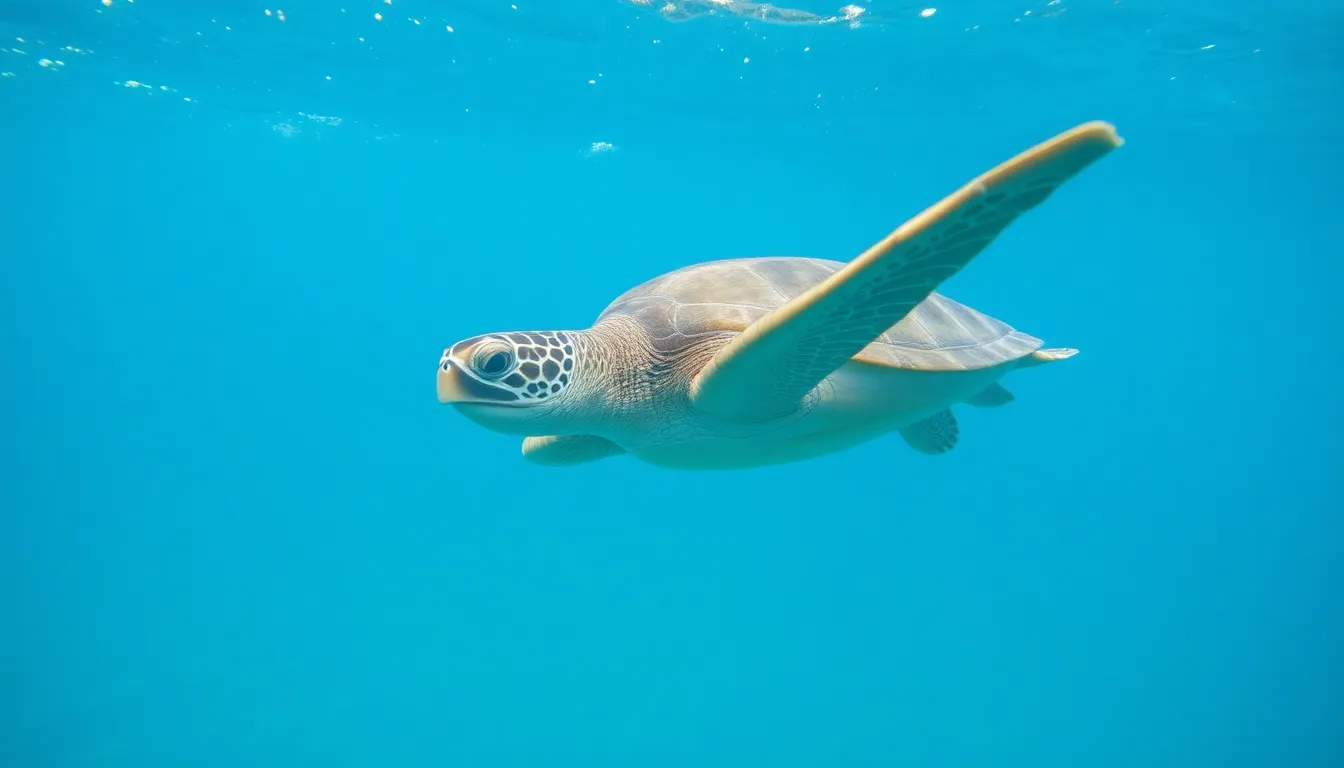
  • Over 8 million tons of plastic enter oceans yearly, harming marine life.
  • Microplastics are found in 90% of seabirds and many fish species.
  • Plastic debris forms giant garbage patches in ocean gyres.
Plastic's Impact on Oceans
4

Land Pollution from Plastic

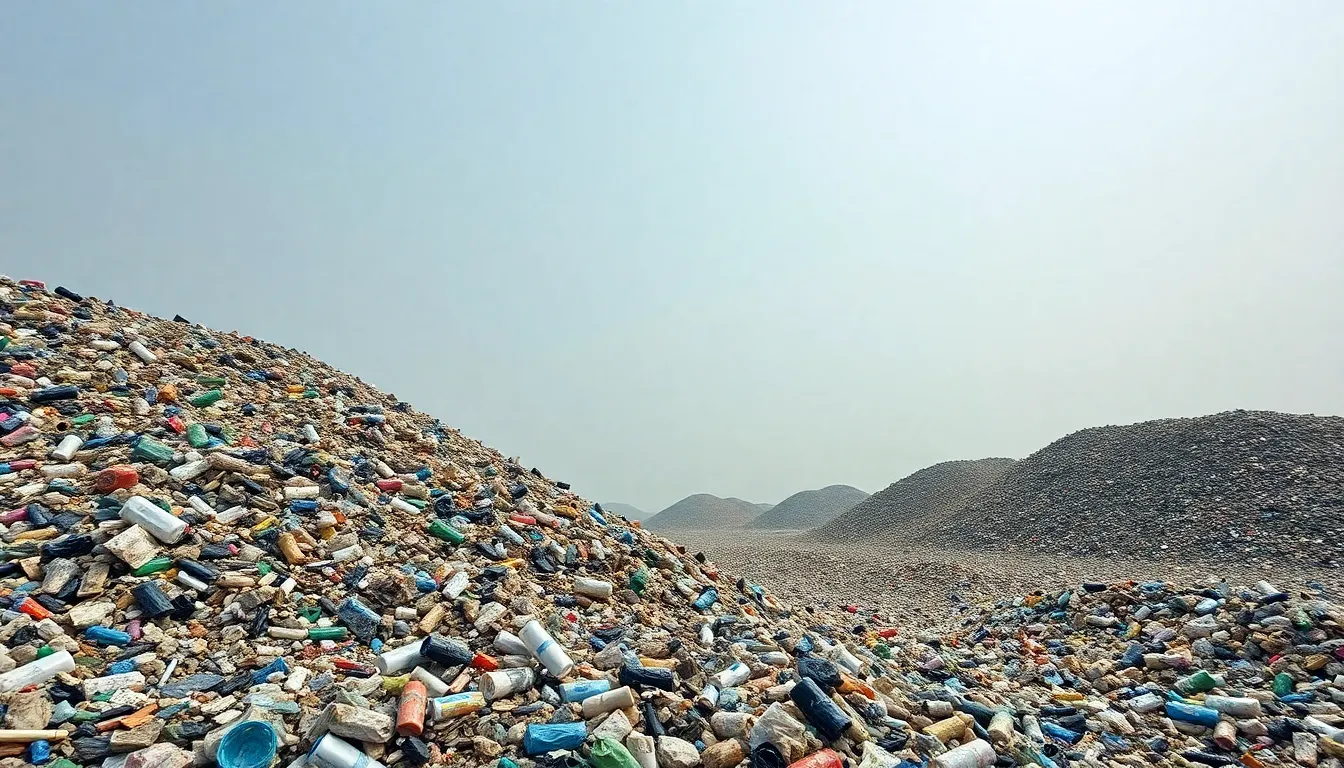
  • Landfills overflow with plastic waste, taking centuries to decompose.
  • Plastic fragments contaminate soil, affecting agriculture and ecosystems.
  • Burning plastic releases dangerous dioxins into the air.
Land Pollution from Plastic
5

Health Risks of Plastic

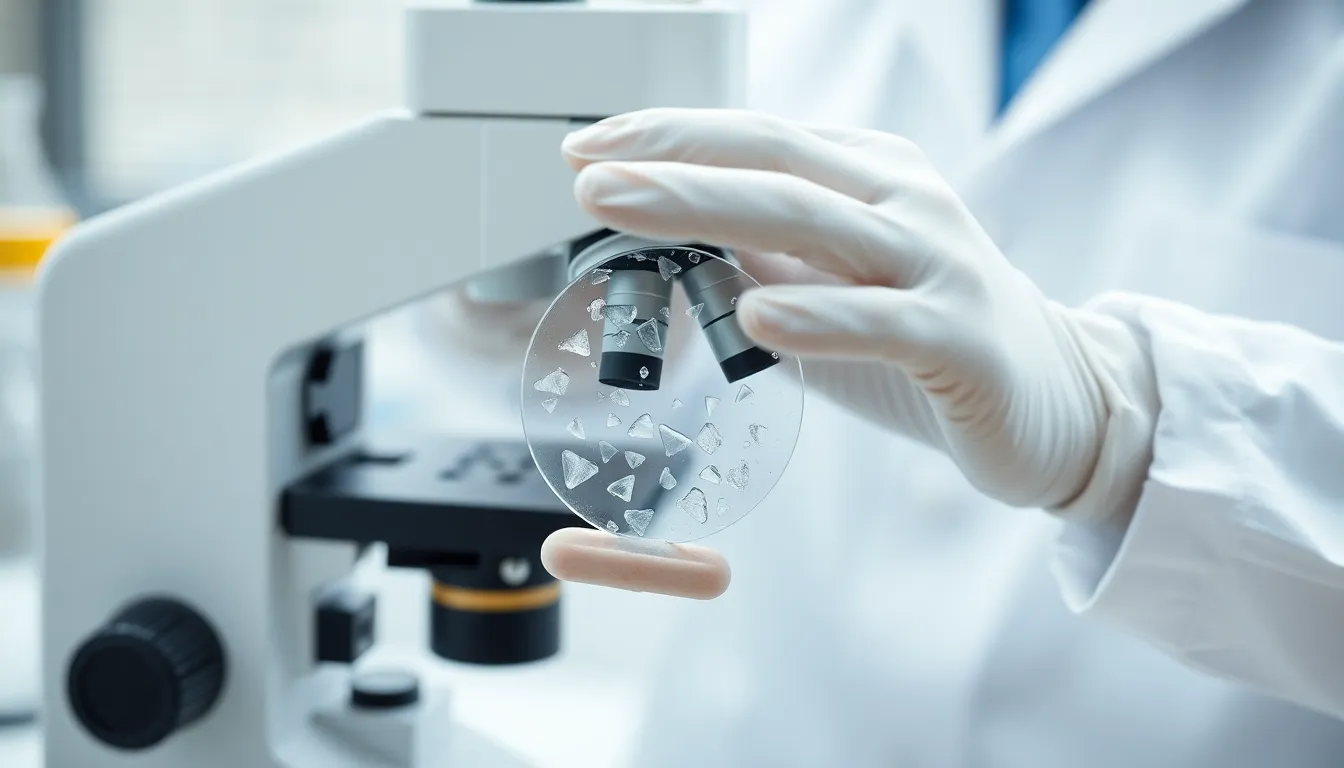
  • Microplastics have been detected in human blood and organs.
  • Plastic chemicals like BPA are linked to hormonal disorders and cancer.
  • Inhaling microplastics may cause respiratory issues.
Health Risks of Plastic
6

Reducing Single-Use Plastics

  • Use reusable bags, bottles, and containers instead of disposable ones.
  • Support businesses that offer plastic-free packaging alternatives.
  • Governments can ban single-use plastics like straws and cutlery.
Reducing Single-Use Plastics
7

Improving Recycling Systems

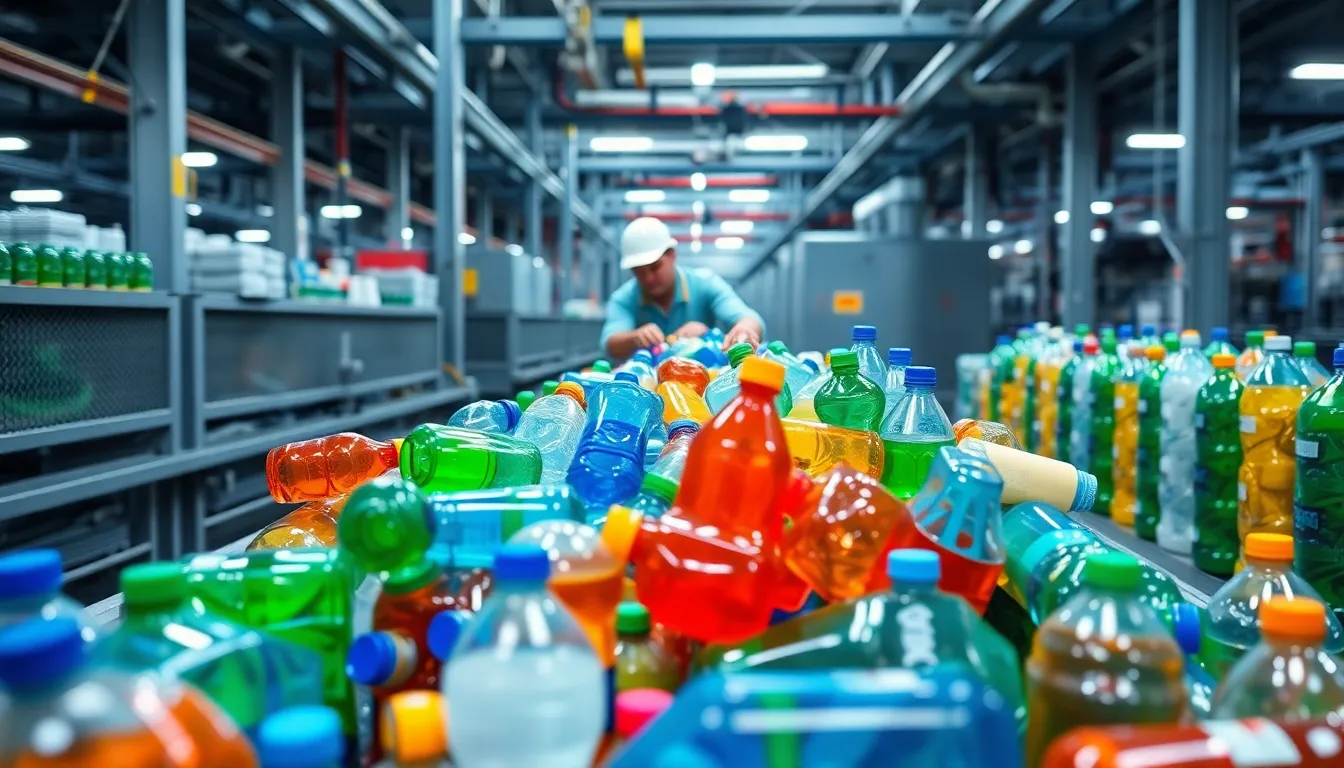
  • Only 9% of plastic is recycled due to poor sorting and contamination.
  • Invest in better recycling infrastructure and public education.
  • Design products for easy disassembly and material recovery.
Improving Recycling Systems
8

Innovative Alternatives to Plastic

  • Bioplastics from plants decompose faster but need proper disposal.
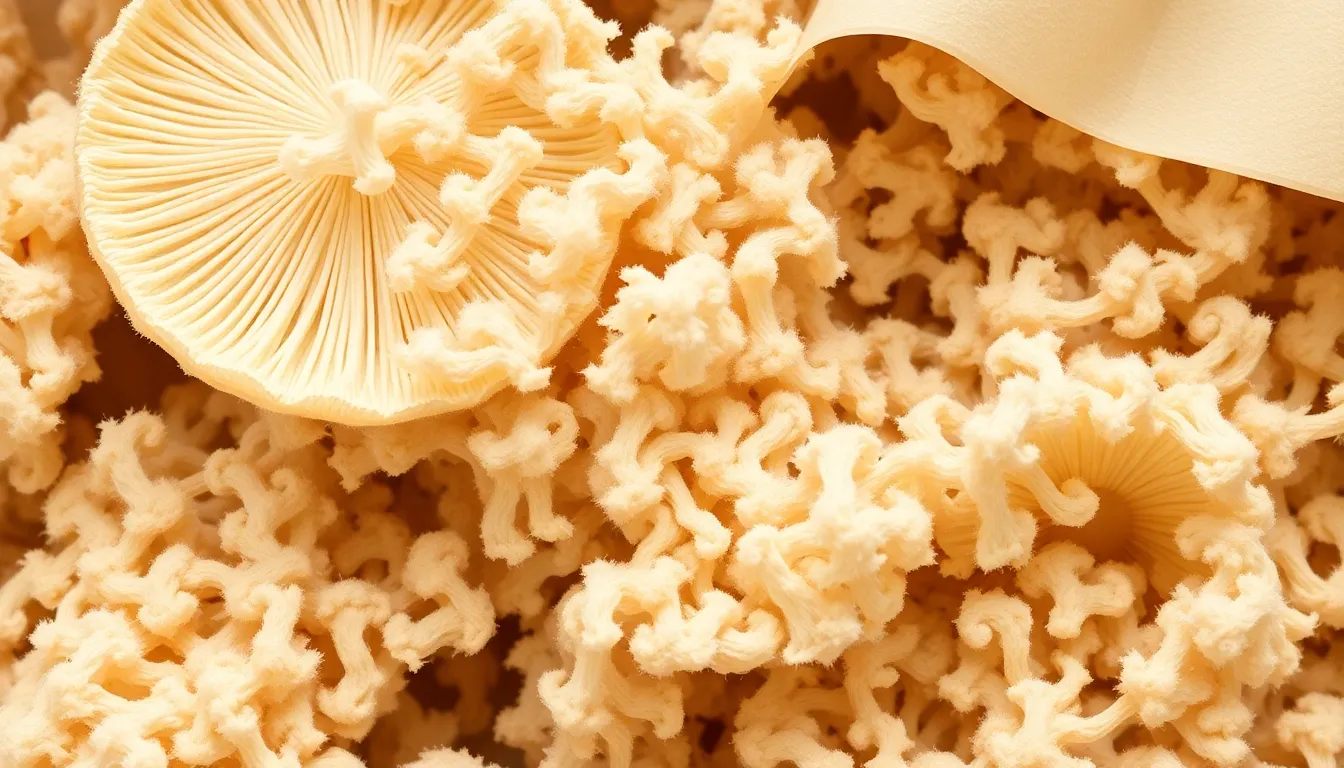
  • Mushroom-based packaging and seaweed films are emerging solutions.
  • Edible coatings could replace plastic food wraps.
Innovative Alternatives to Plastic
9

Policy and Corporate Responsibility

  • Extended Producer Responsibility laws make brands manage waste.
  • Tax incentives can encourage companies to adopt sustainable materials.
  • Global treaties like the UN Plastic Agreement aim to curb production.
Policy and Corporate Responsibility
10

Conclusion: A Cleaner Future

  • Reducing plastic production protects ecosystems and human health.
  • Collective action by individuals, businesses, and governments is crucial.
  • Sustainable alternatives existโ€”we must prioritize them now.
Conclusion: A Cleaner Future
1 / 10