Solar Energy and Solar Systems Overview
📑 5 slides
👁 15 views
📅 2/16/2026
Introduction to Solar Energy
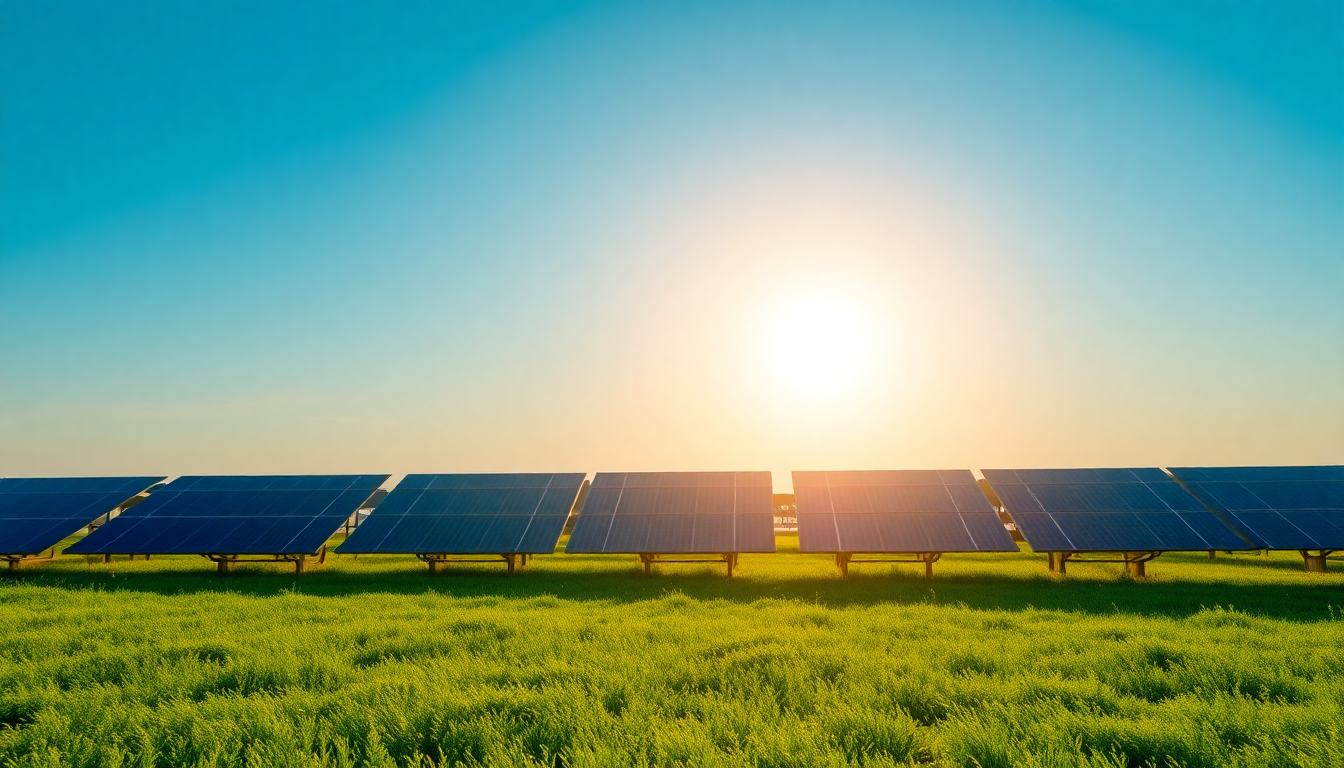
Solar energy harnesses sunlight to generate electricity or heat, a renewable and clean source.
2
Types of Solar Panels
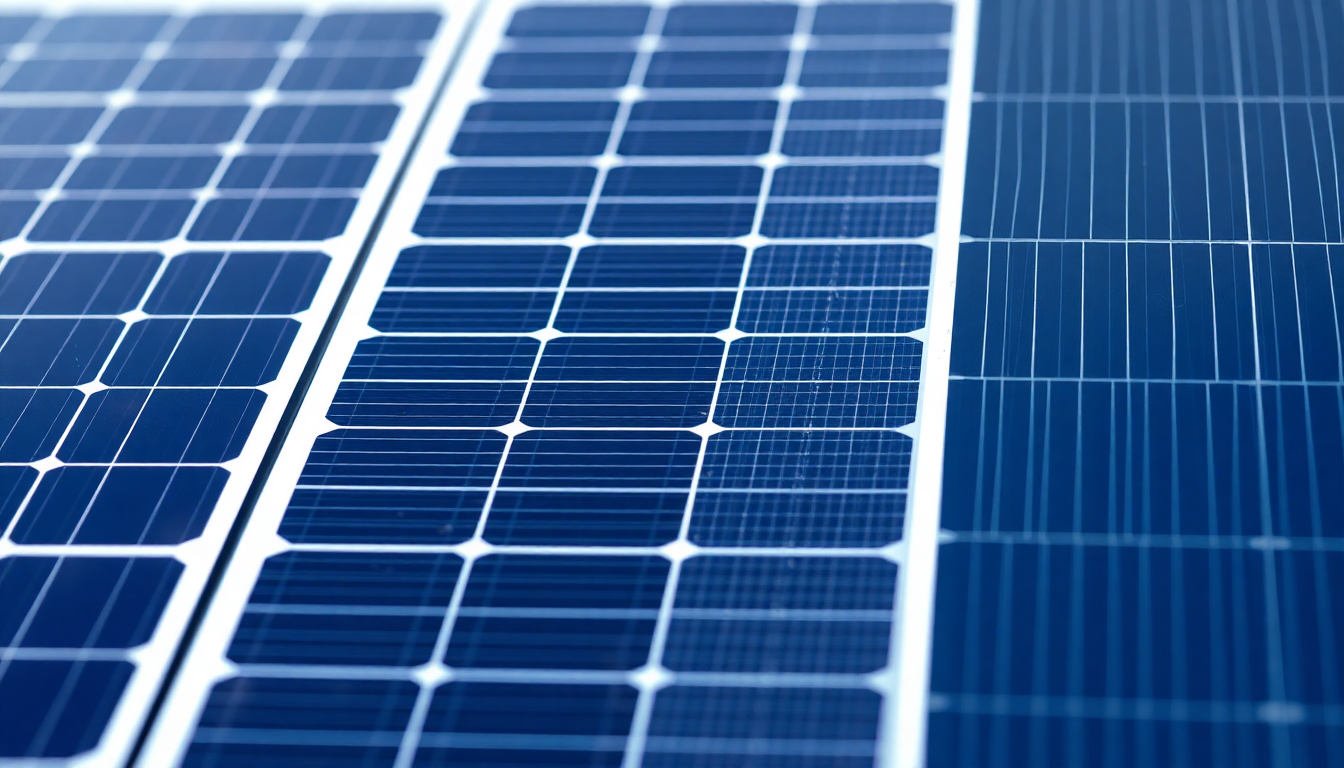
- Monocrystalline panels: High efficiency (15-20%), made from single silicon crystals, sleek black appearance.
- Polycrystalline panels: Lower efficiency (13-16%), blue hue, made from multiple silicon fragments.
- Thin-film panels: Lightweight and flexible, lower efficiency (10-13%), used in large-scale installations.
3
Solar System Types
- Grid-tied systems: Connected to utility grid, excess power fed back for credits (net metering).
- Off-grid systems: Independent, use batteries to store energy, ideal for remote locations.
- Hybrid systems: Combine grid-tied and battery storage, provide backup during outages.
4
Key Components of Solar Systems
- Solar panels: Convert sunlight into DC electricity, typically last 25-30 years.
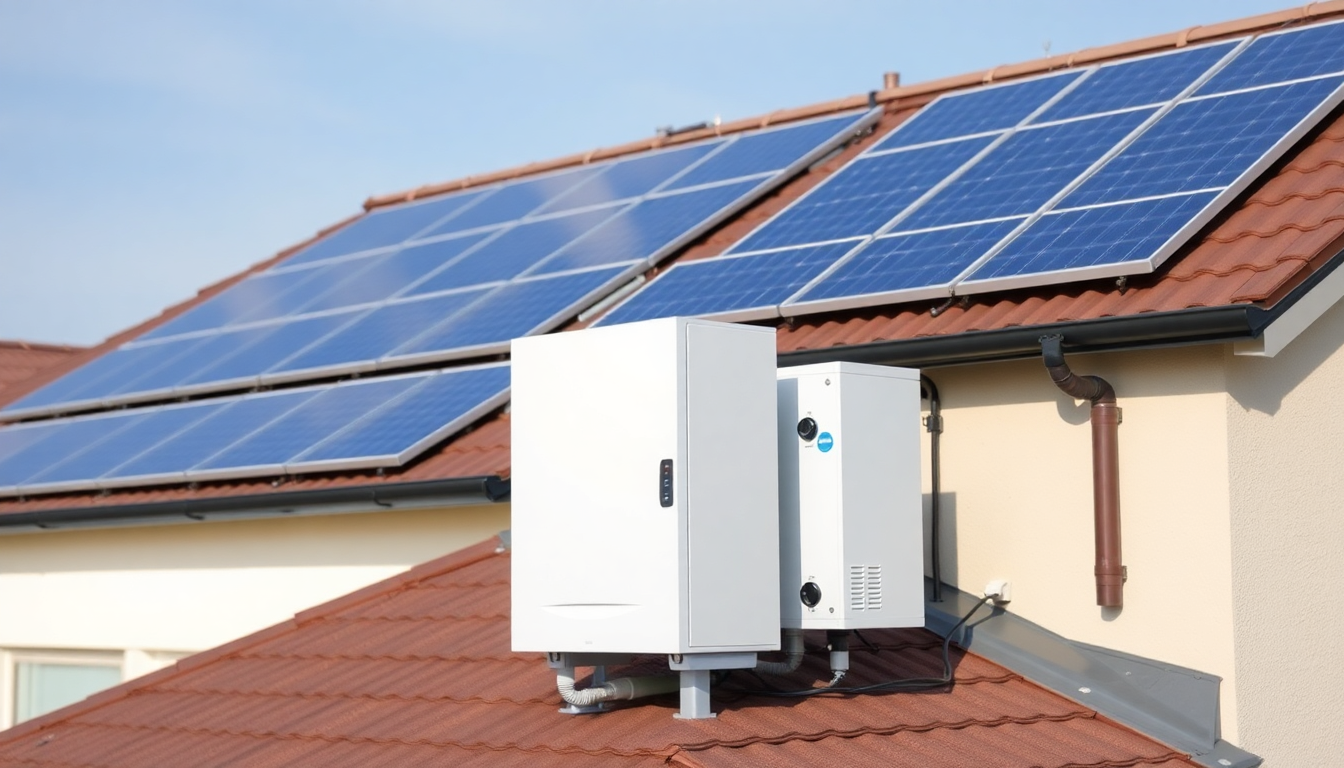
- Inverters: Transform DC to AC power for home use, essential for grid compatibility.
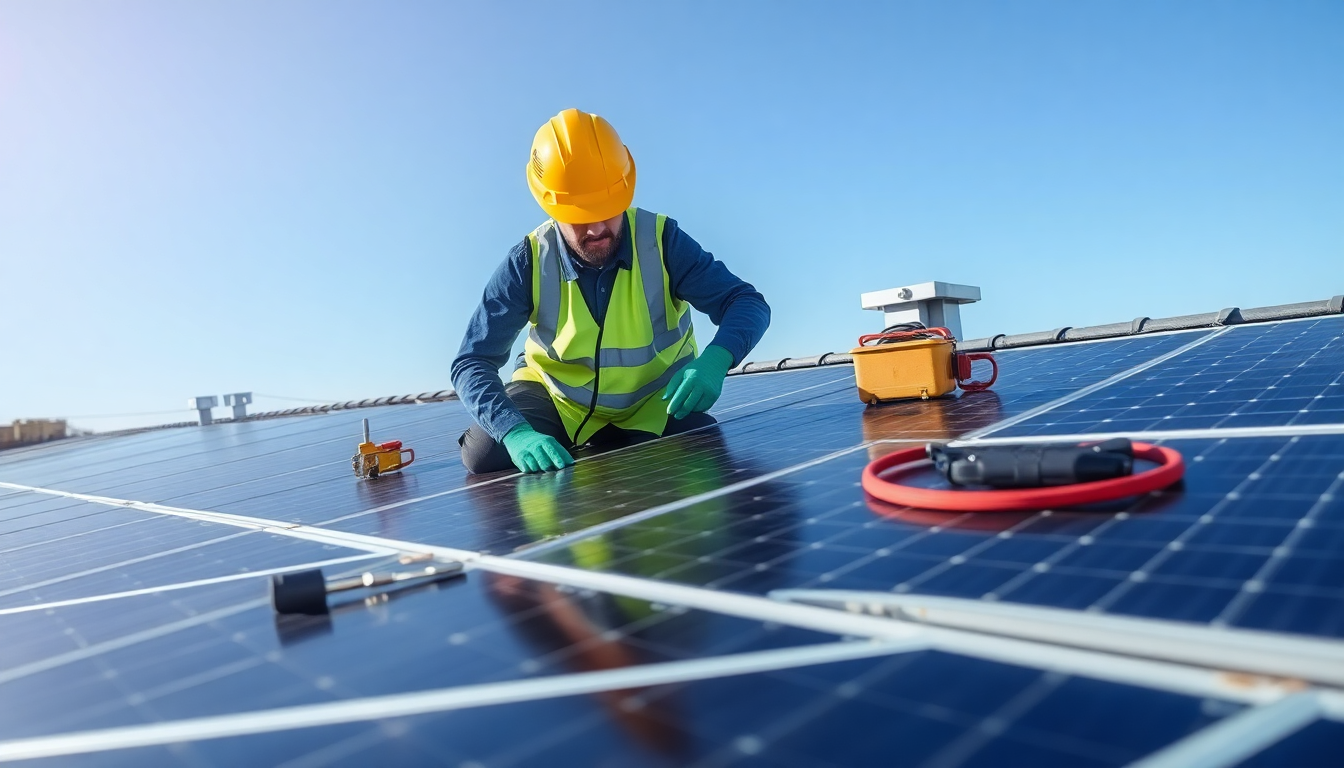
- Mounting systems: Secure panels to roofs or ground, designed for durability and optimal angle.
5
Conclusion and Future Outlook
- Solar energy is a sustainable solution with declining costs and advancing technology.
- Emerging trends: bifacial panels, solar tracking systems, and integration with smart grids.
- Adoption expected to grow, supporting global renewable energy targets and climate goals.
1 / 5