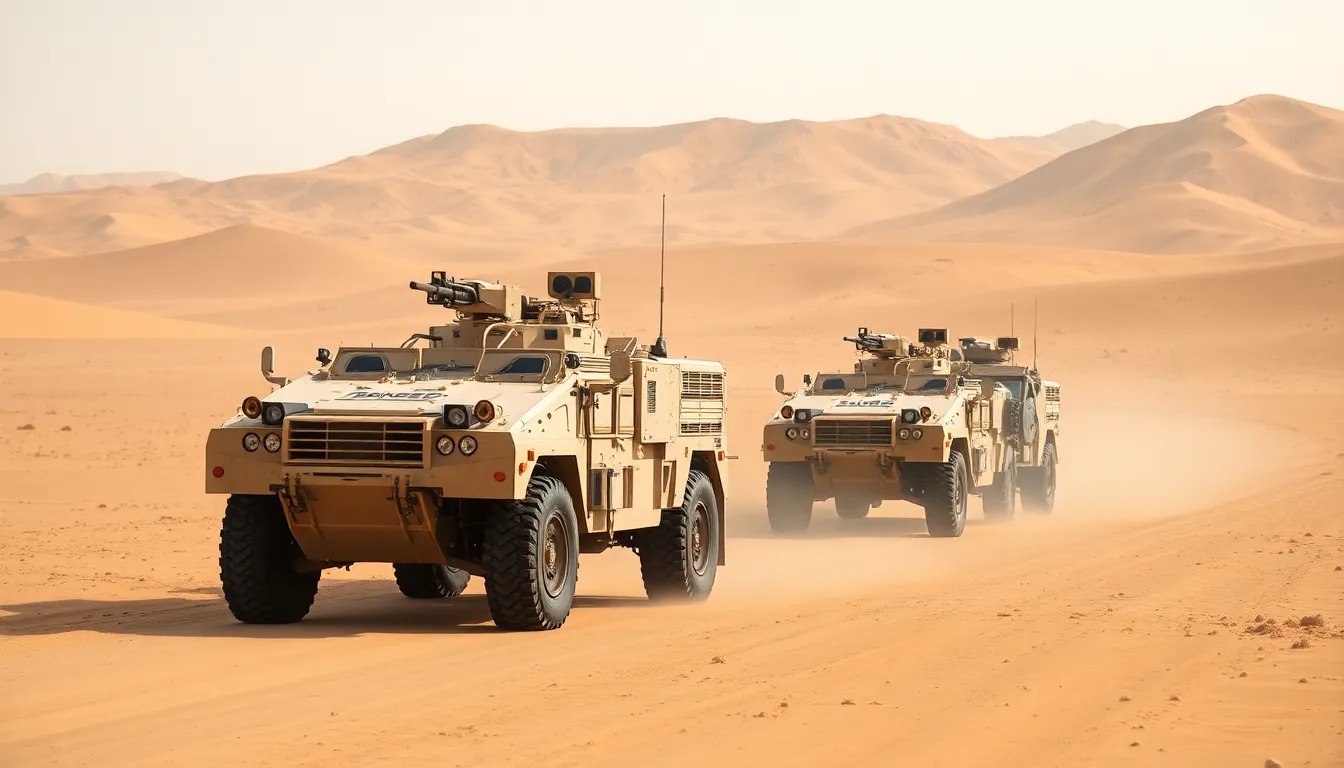
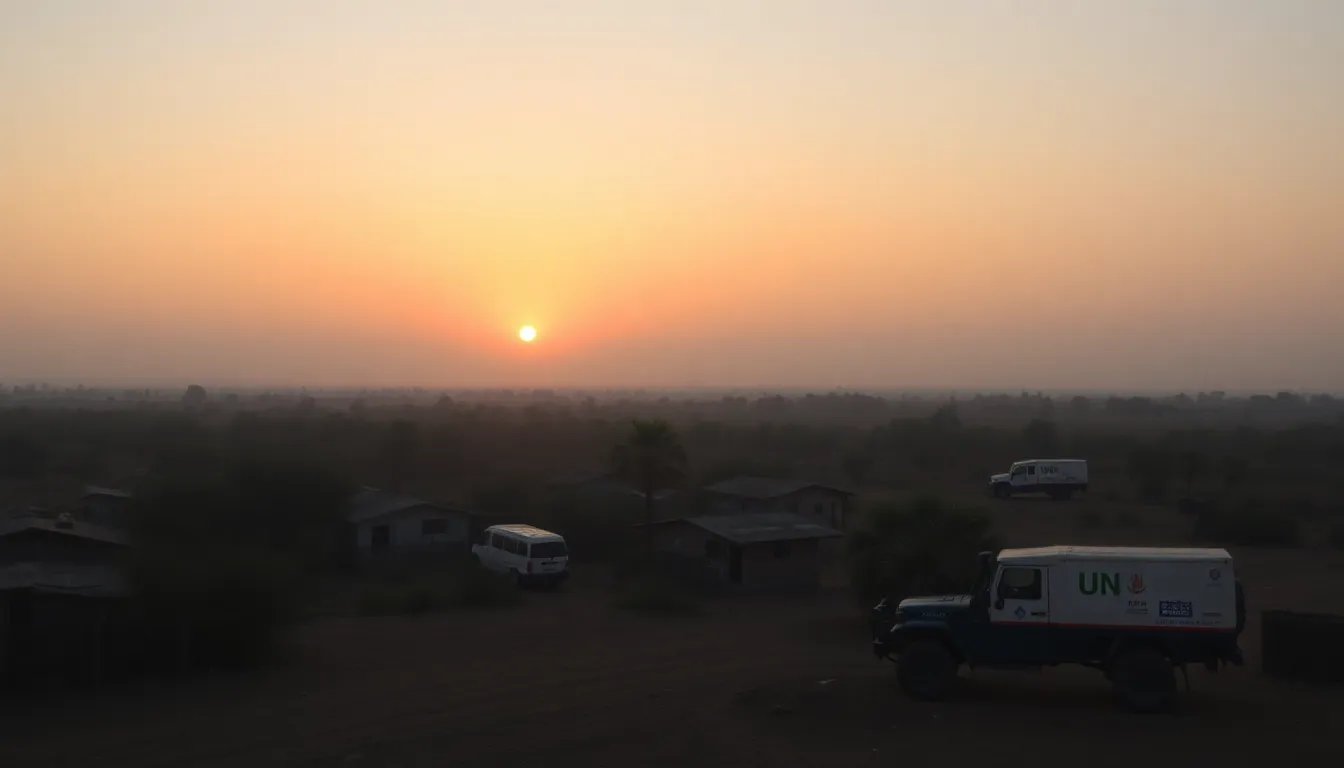
THE ROLE OF THE UN IN GLOBAL PEACEKEEPING
📑 10 slides
👁 37 views
📅 1/29/2026
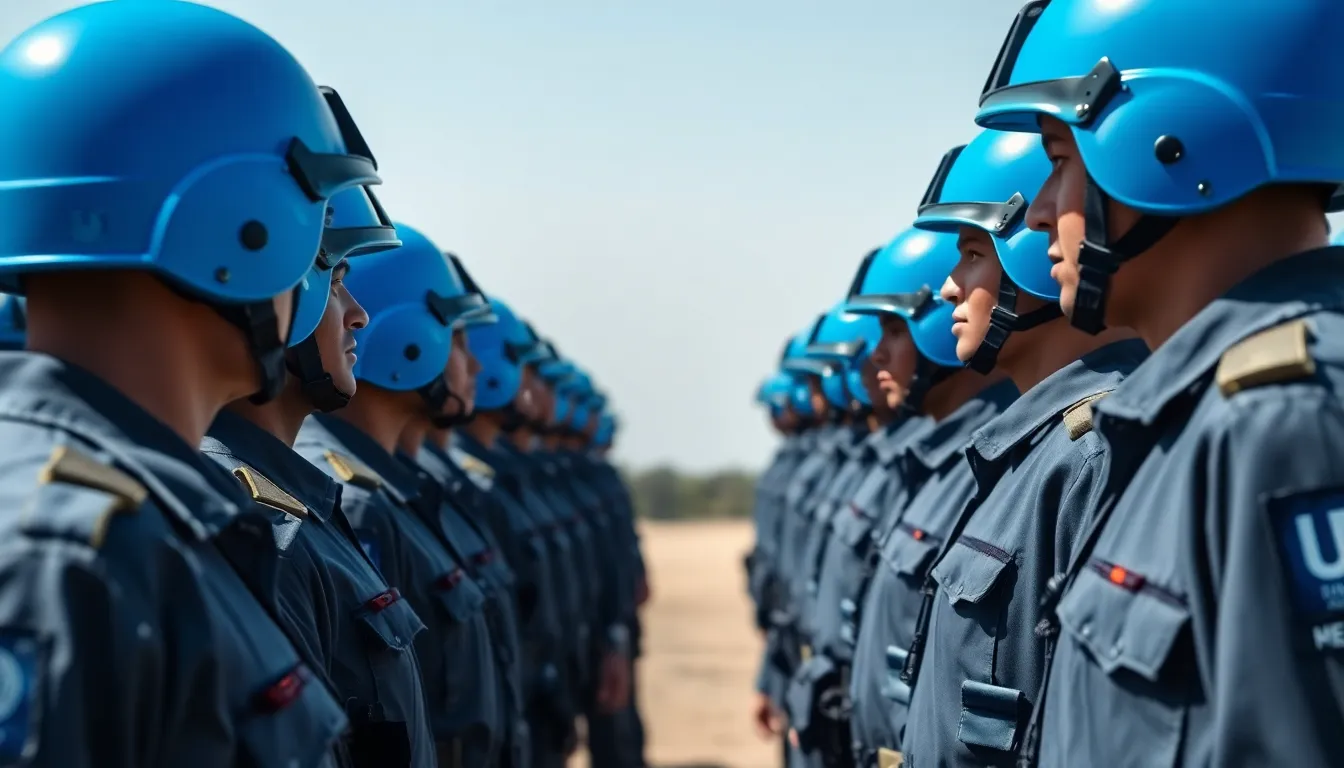
Introduction to UN Peacekeeping
Established in 1948, UN peacekeeping aims to maintain peace in conflict zones.
2
Key Principles of UN Peacekeeping
- Consent of conflicting parties required for mission deployment.
- Impartiality ensures no favoritism toward any group or government.
- Non-use of force except in self-defense or mandate protection.
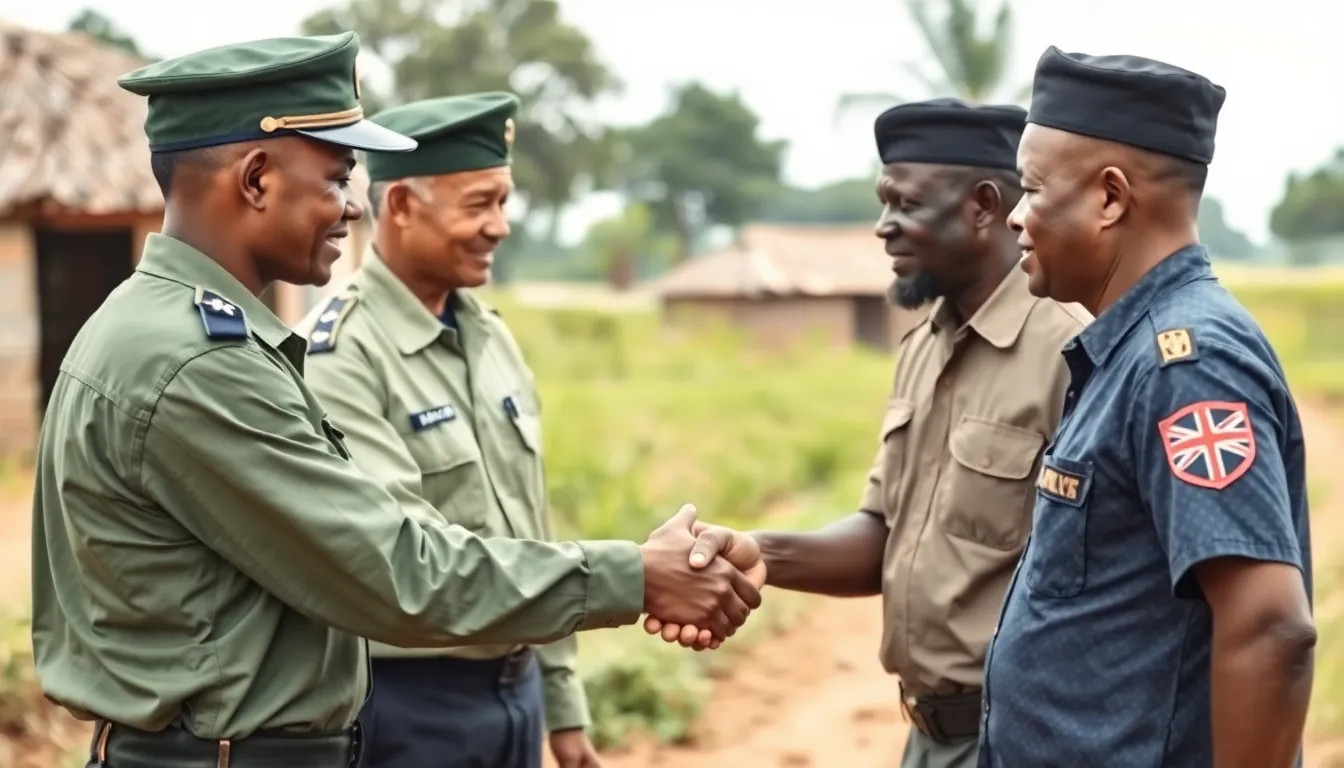
- Collaboration with local authorities for sustainable peace.
3
Structure of Peacekeeping Missions
- Led by the UN Department of Peace Operations (DPO) in New York.
- Each mission has a Special Representative of the Secretary-General.
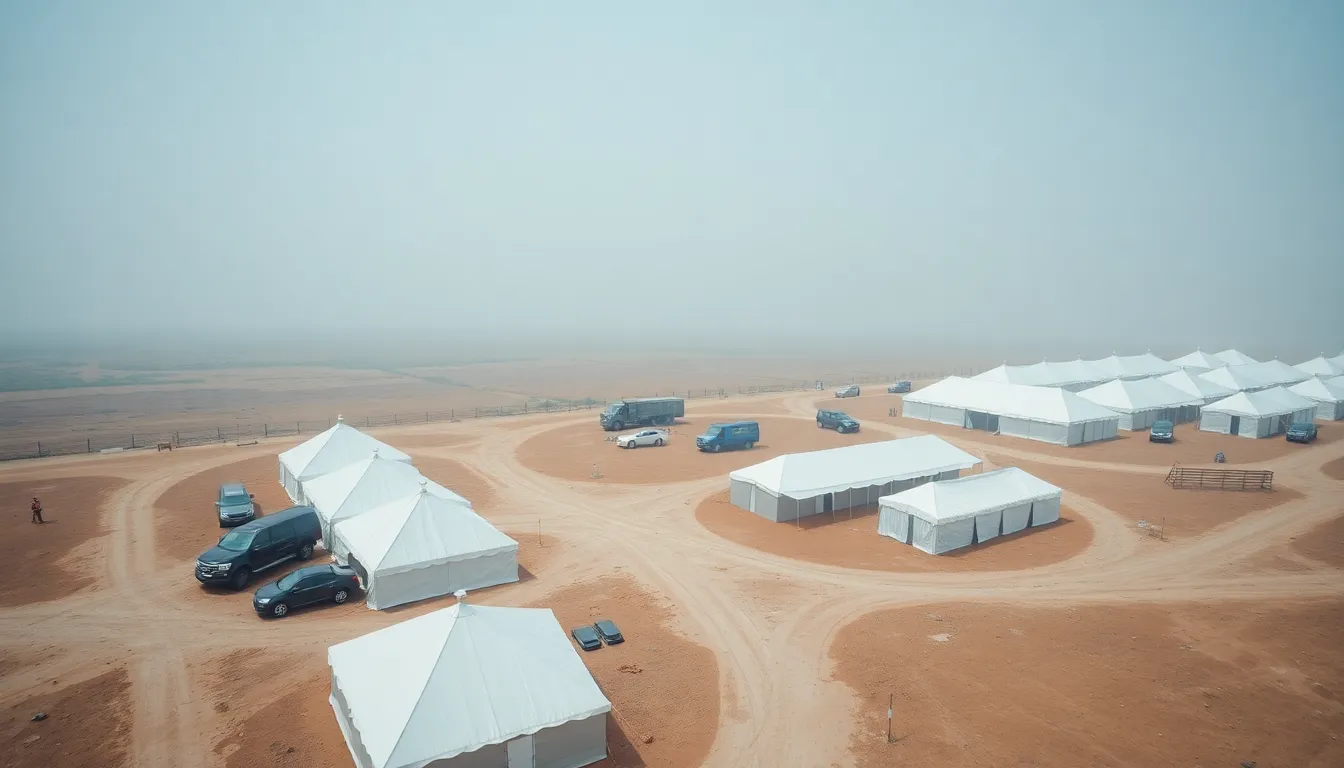
- Components include military, police, political, and humanitarian units.
- Funded by assessed contributions from all UN member states.
4
Notable Peacekeeping Successes
- Namibia (1989-1990): Successful transition to independence.
- Cambodia (1992-1993): Organized first democratic elections.
- Liberia (2003-2018): Stabilized after civil war, democratic transition.
- Timor-Leste (1999-2012): Supported independence from Indonesia.
5
Challenges in Peacekeeping Operations
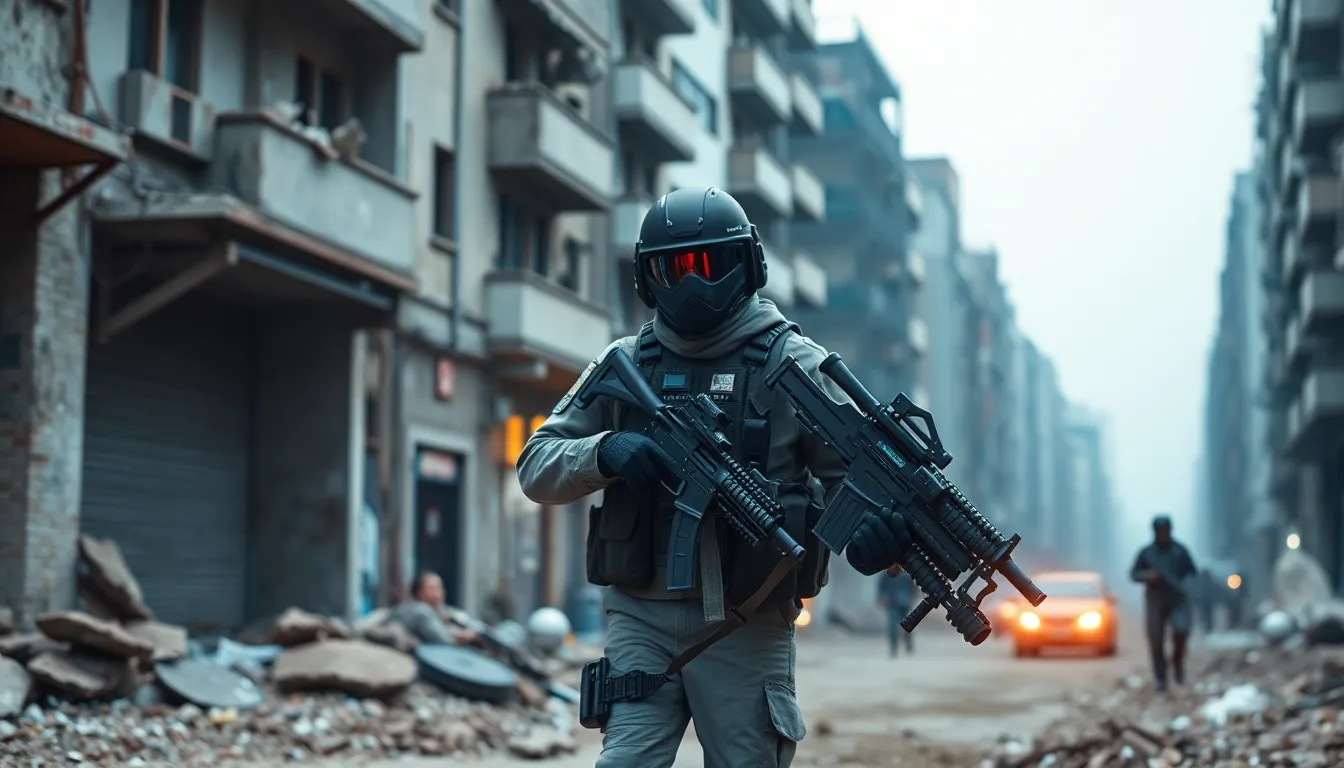
- Increasingly complex missions with multiple armed groups.
- Security risks: 4,200 peacekeepers killed since 1948.
- Political constraints from Security Council veto powers.
- Resource limitations despite growing operational demands.
6
Protection of Civilians
- Primary mandate in most modern peacekeeping missions.
- Implemented through patrols, early warning systems, and dialogue.
- Protected over 100,000 civilians in South Sudan (2011-present).
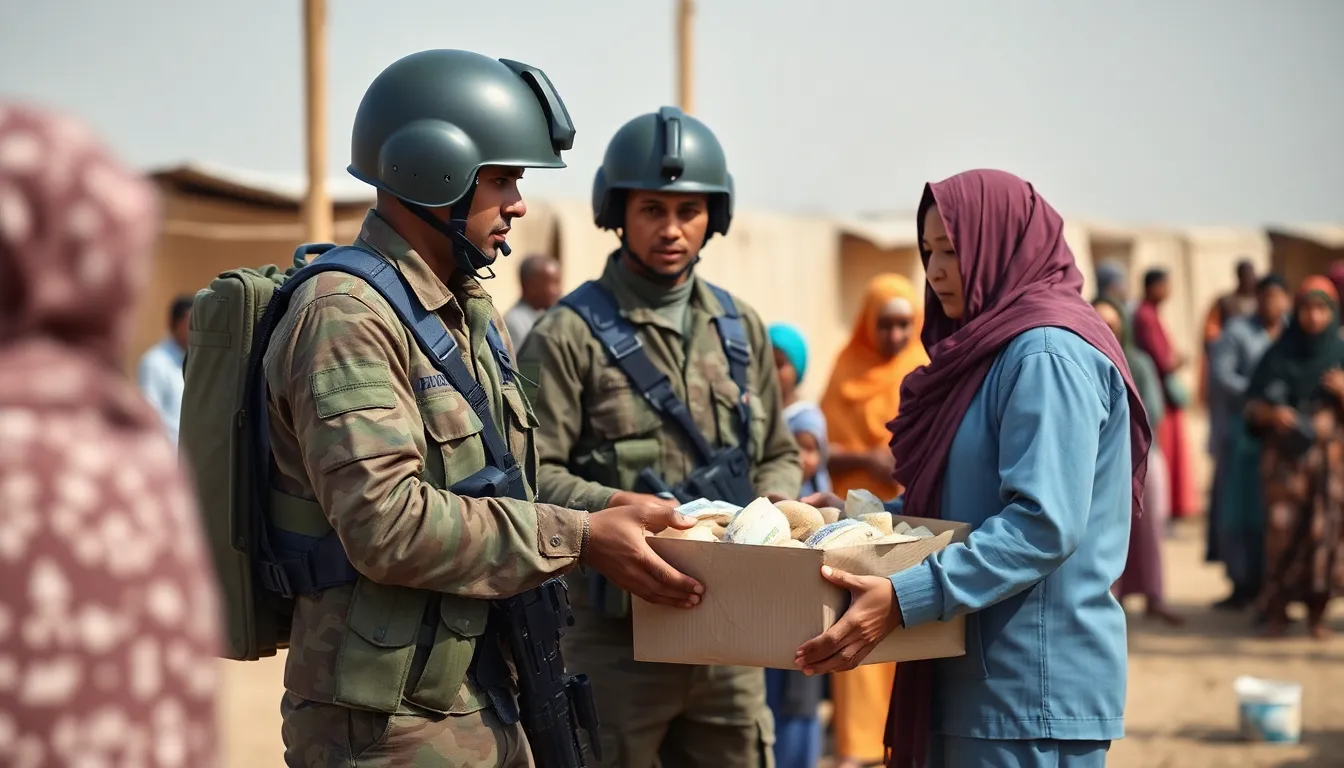
- Works with UN agencies to provide humanitarian assistance.
7
Gender in Peacekeeping
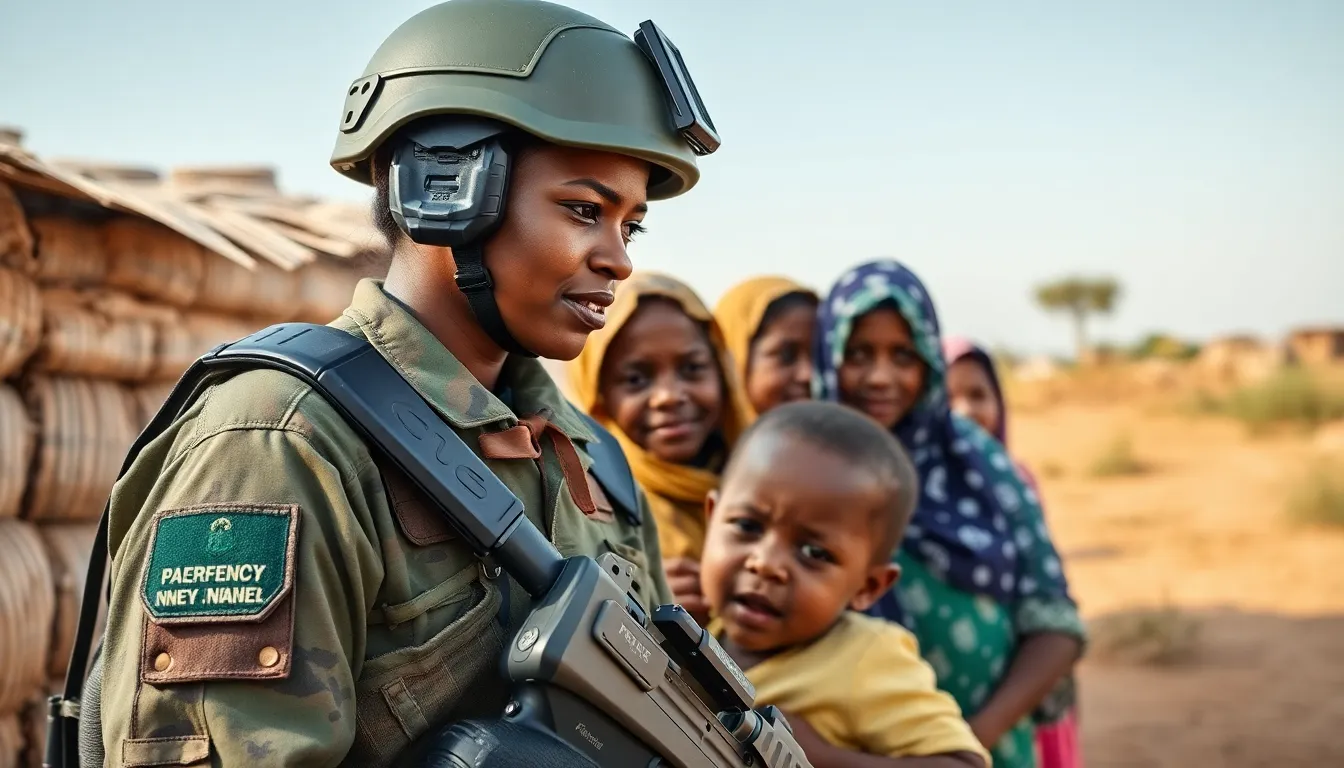
- Only 6% of military peacekeepers are women (2023 data).
- UN Resolution 1325 promotes women's participation in peace processes.
- Female peacekeepers improve community engagement effectiveness.
- Specialized units address gender-based violence in conflict zones.
8
Technological Advancements
- Drones used for surveillance in dangerous areas (DR Congo, Mali).
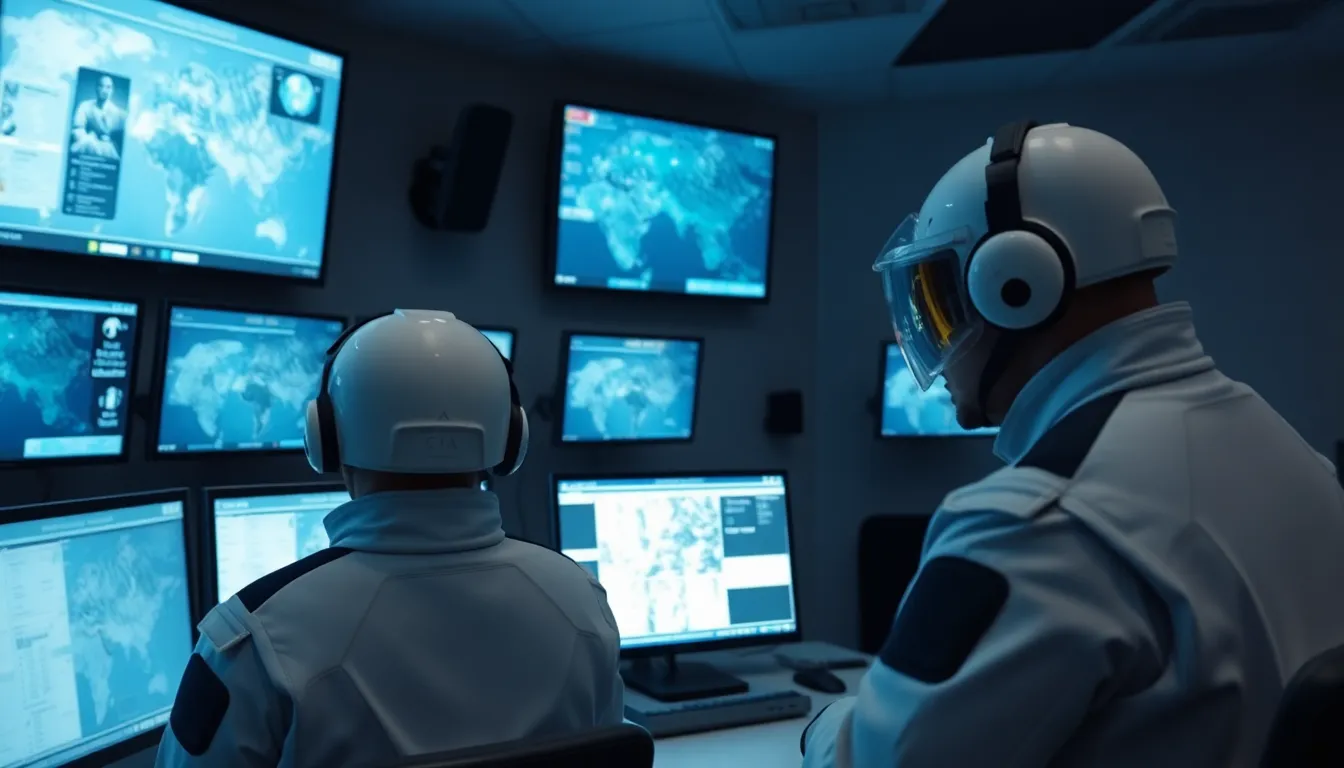
- Digital mapping to track conflict patterns and displacement.
- Mobile apps for real-time reporting of security incidents.
- Satellite imagery to monitor ceasefires and border areas.
9
Recent Peacekeeping Missions
- MINUSMA (Mali): Complex counter-terrorism environment since 2013.
- UNMISS (South Sudan): Protecting civilians amid political instability.
- MONUSCO (DRC): Largest mission with 14,000 personnel.
- UNIFIL (Lebanon): Maintaining calm along Israel-Lebanon border.
10
Conclusion: The Future of Peacekeeping
- Peacekeeping remains vital but requires adaptation to new conflicts.
- Greater emphasis on conflict prevention and political solutions.
- Need for improved funding and faster deployment capabilities.
- Continued importance of multilateral cooperation for global peace.
1 / 10