The Negative Impact of Climate Change in Nigeria

๐Ÿ“‘ 10 slides ๐Ÿ‘ 41 views ๐Ÿ“… 1/21/2026
0.0 (0 ratings)

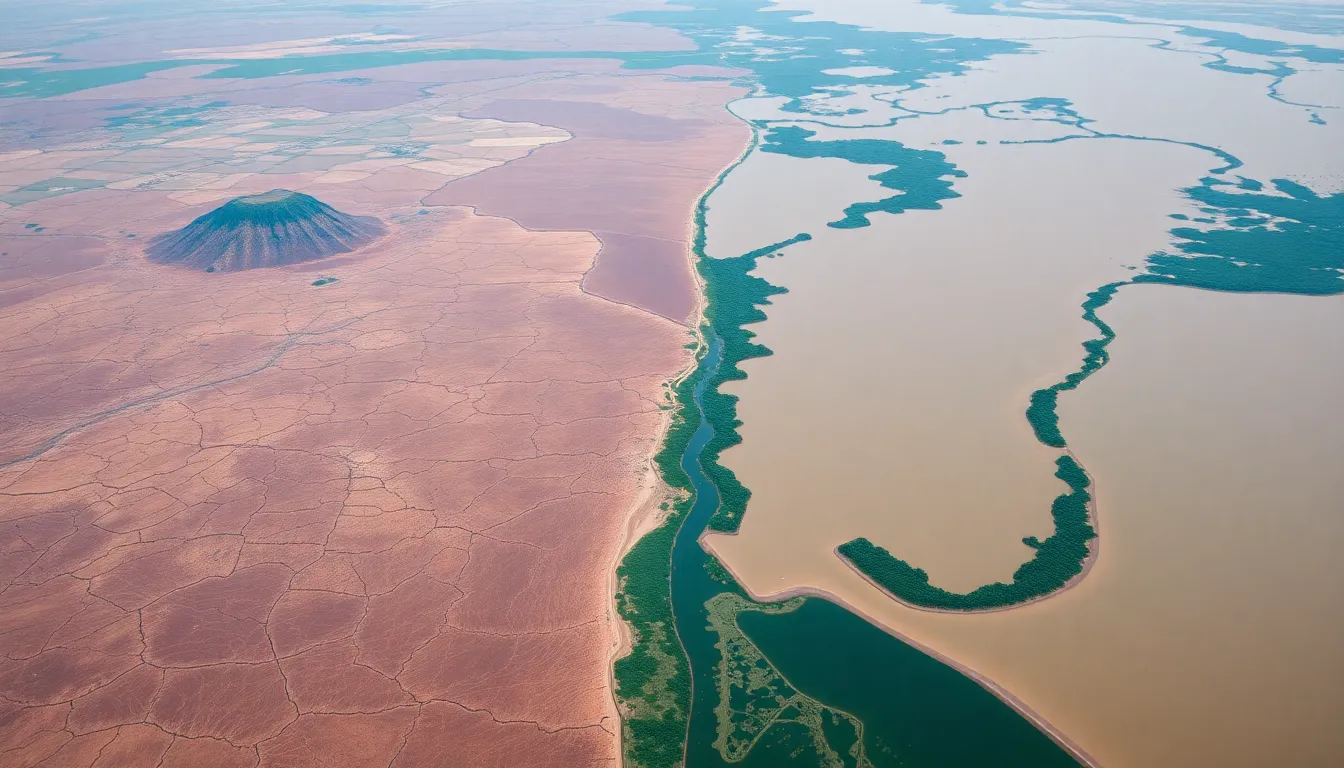
Introduction to Climate Change in Nigeria

Nigeria faces severe climate change effects due to its geographic and economic vulnerabilities.

Introduction to Climate Change in Nigeria
2

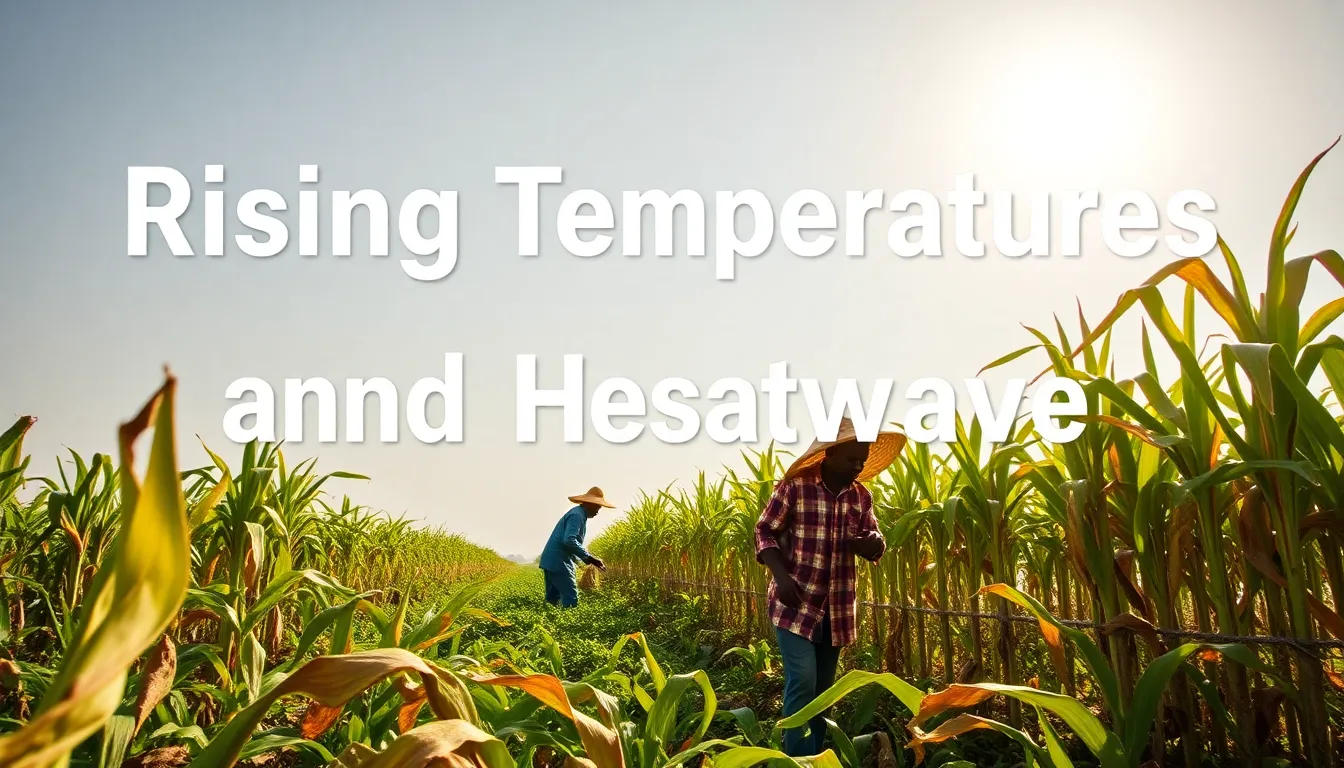
Rising Temperatures and Heatwaves

  • Average temperatures in Nigeria have increased by 1.6ยฐC since 1960.
  • Heatwaves reduce agricultural productivity, affecting staple crops like yam and cassava.
  • Increased heat exacerbates health issues, including heatstroke and dehydration.
Rising Temperatures and Heatwaves
3

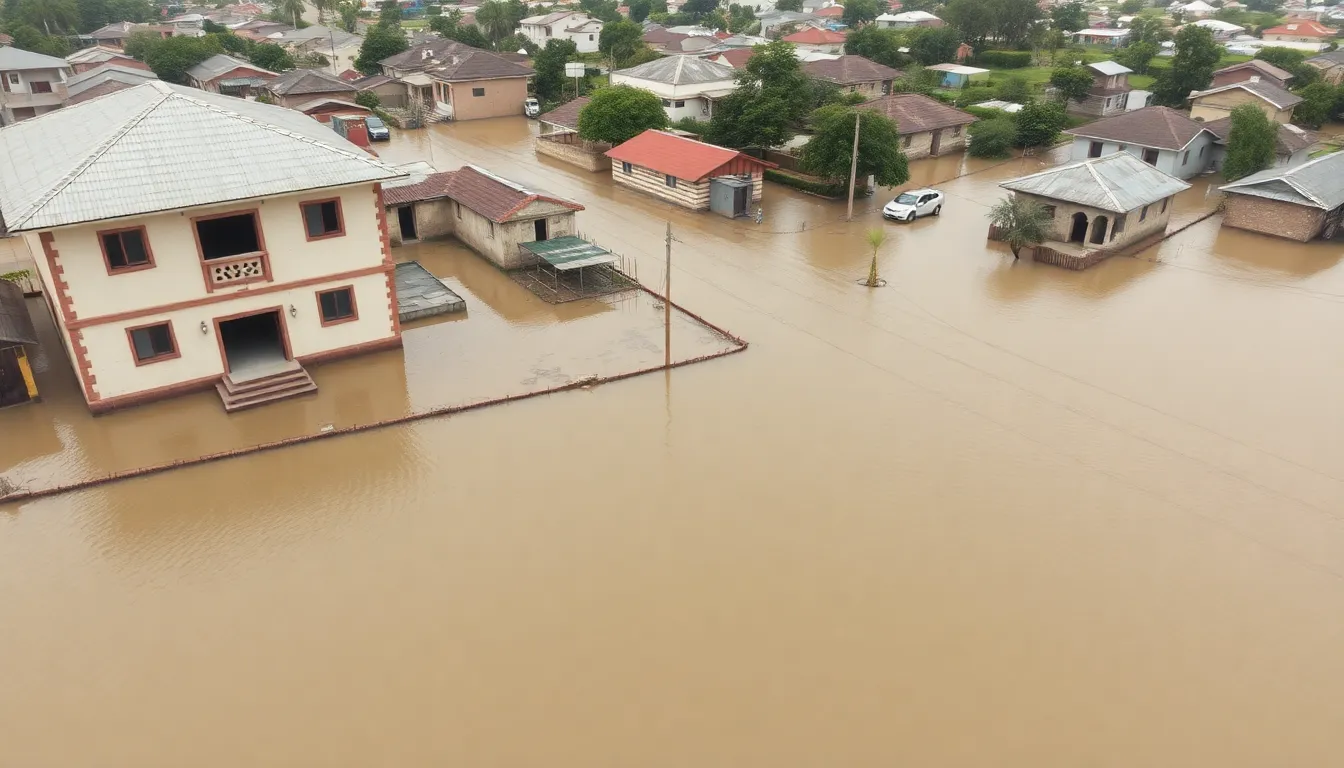
Increased Flooding Risks

  • Nigeria experiences 30% more extreme rainfall events since 1990.
  • 2022 floods displaced 1.4 million people and destroyed 300,000 homes.
  • Lagos and other coastal cities face rising sea levels, threatening infrastructure.
Increased Flooding Risks
4

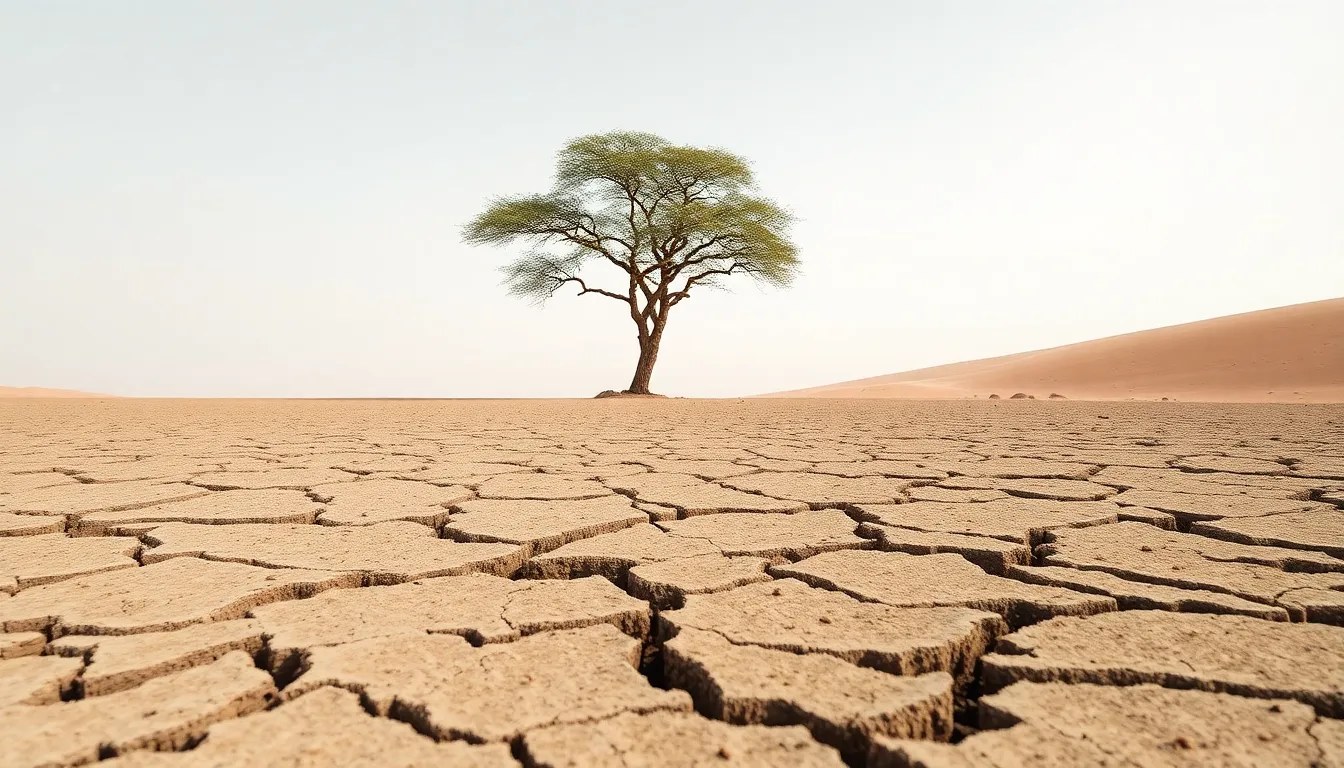
Drought and Desertification

  • Northern Nigeria loses 350,000 hectares of arable land yearly to desertification.
  • Lake Chad has shrunk by 90% since 1960, affecting 30 million livelihoods.
  • Droughts lead to conflicts over scarce resources between farmers and herders.
Drought and Desertification
5

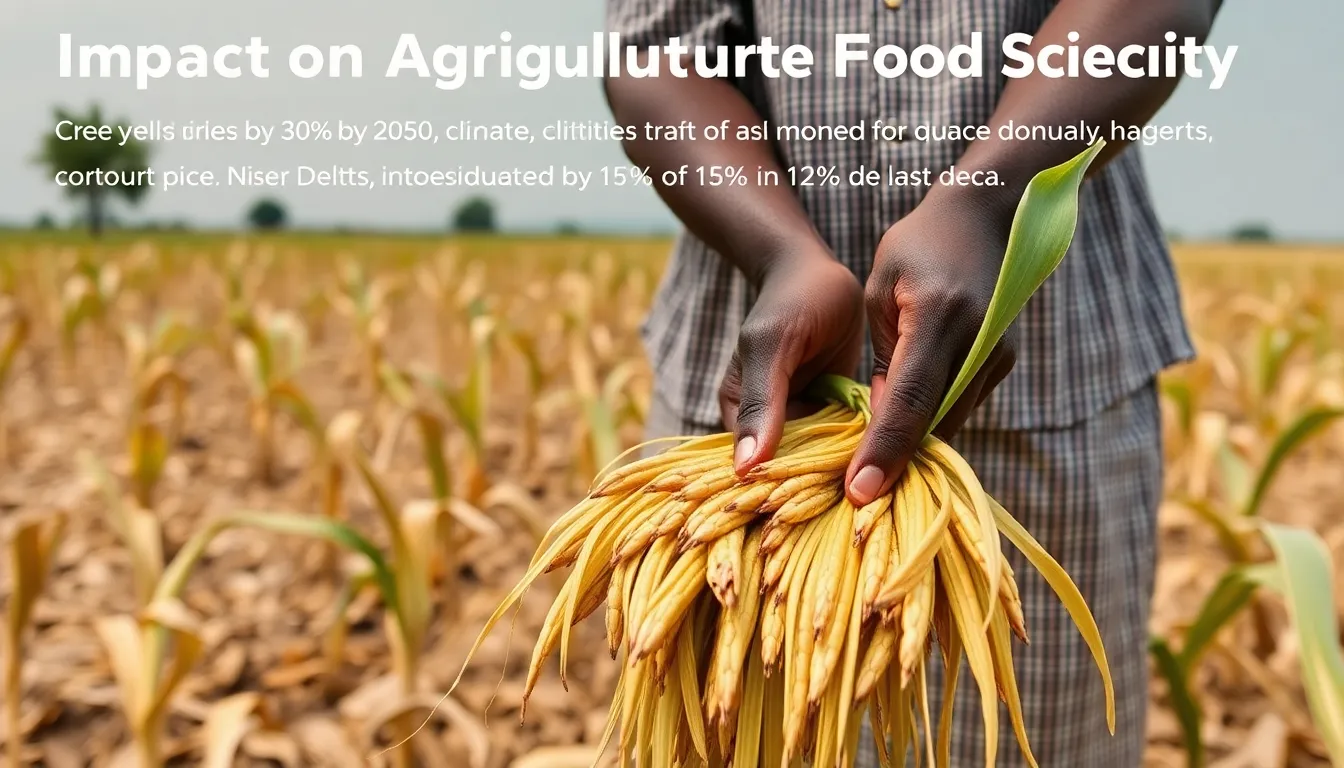
Impact on Agriculture and Food Security

  • Crop yields could drop by 20-30% by 2050 due to climate shifts.
  • Rice production in Niger Delta has declined by 15% in the last decade.
  • Food prices spike during climate disasters, worsening poverty.
Impact on Agriculture and Food Security
6

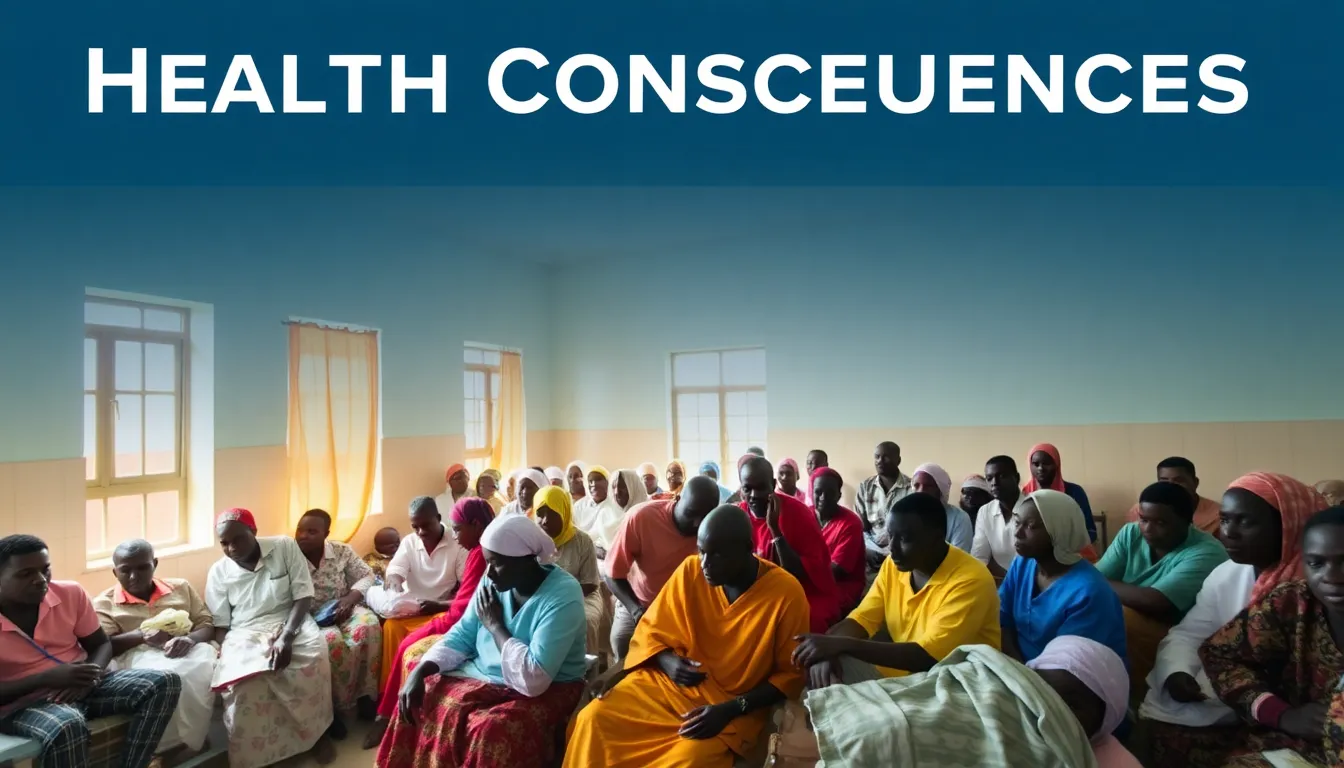
Health Consequences

  • Malaria cases rise as mosquitoes expand into new warmer regions.
  • Respiratory illnesses increase due to dust storms from desertification.
  • Flooding spreads waterborne diseases like cholera, affecting 100,000 annually.
Health Consequences
7

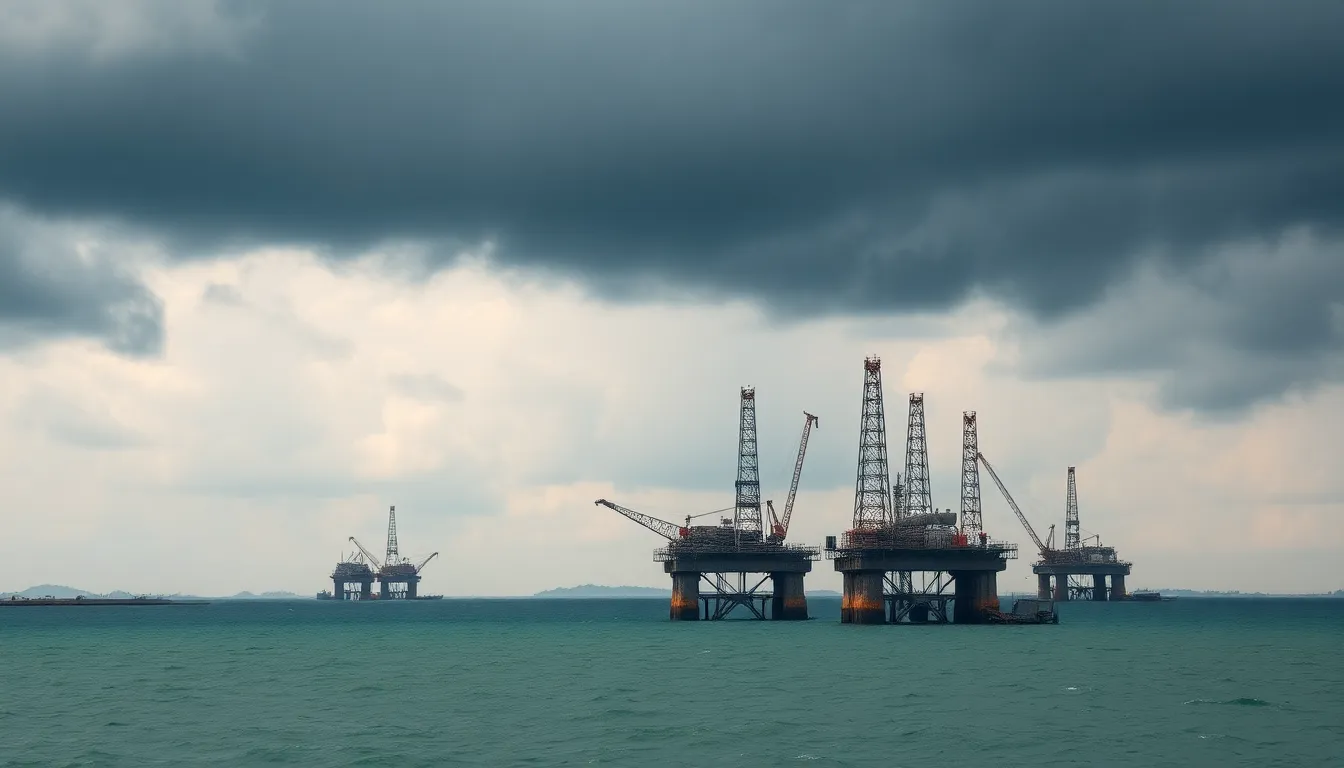
Economic Losses

  • Climate disasters cost Nigeria $100 billion annually in damages.
  • Oil production, a key export, is disrupted by rising sea levels and storms.
  • Tourism declines as beaches erode and natural attractions degrade.
Economic Losses
8

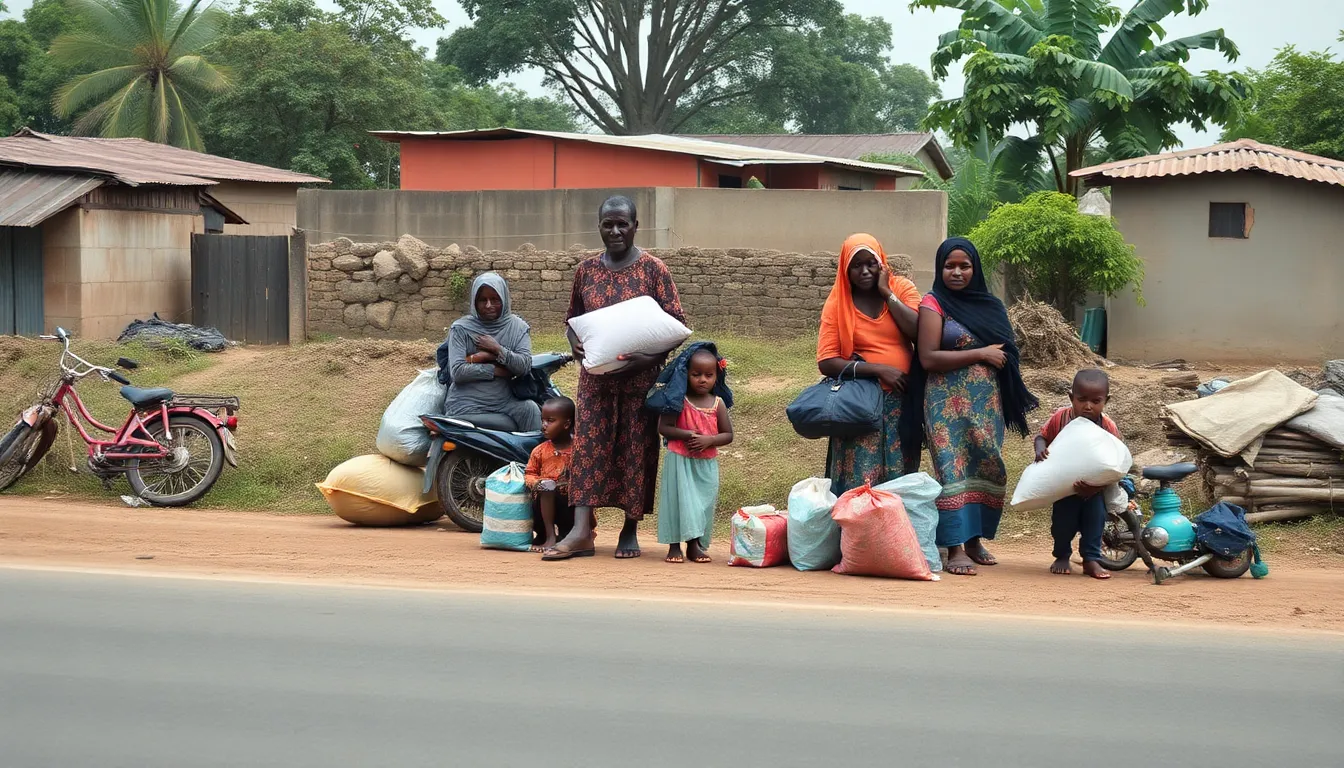
Displacement and Migration

  • Over 2 million Nigerians are climate refugees, mostly from the north.
  • Lagos faces overcrowding as rural migrants flee environmental disasters.
  • Conflicts arise in host communities over scarce resources and jobs.
Displacement and Migration
9

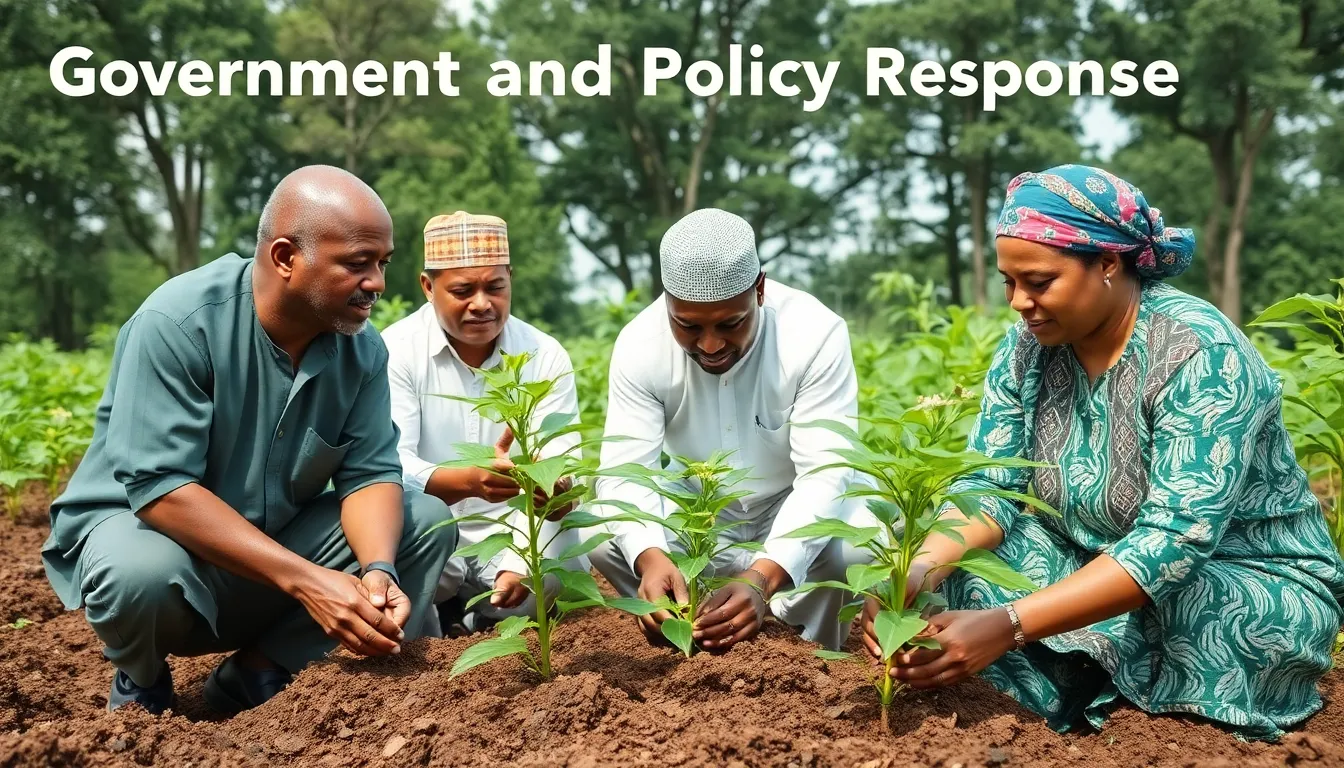
Government and Policy Responses

  • Nigeria pledged to cut emissions 20% by 2030 under Paris Agreement.
  • National Adaptation Strategy focuses on resilient agriculture and infrastructure.
  • Implementation lags due to funding gaps and corruption issues.
Government and Policy Responses
10

Conclusion and Call to Action

  • Climate change threatens Nigeriaโ€™s development and stability.
  • Urgent need for international support and local community engagement.
  • Sustainable practices and green energy can mitigate future impacts.
Conclusion and Call to Action
1 / 10