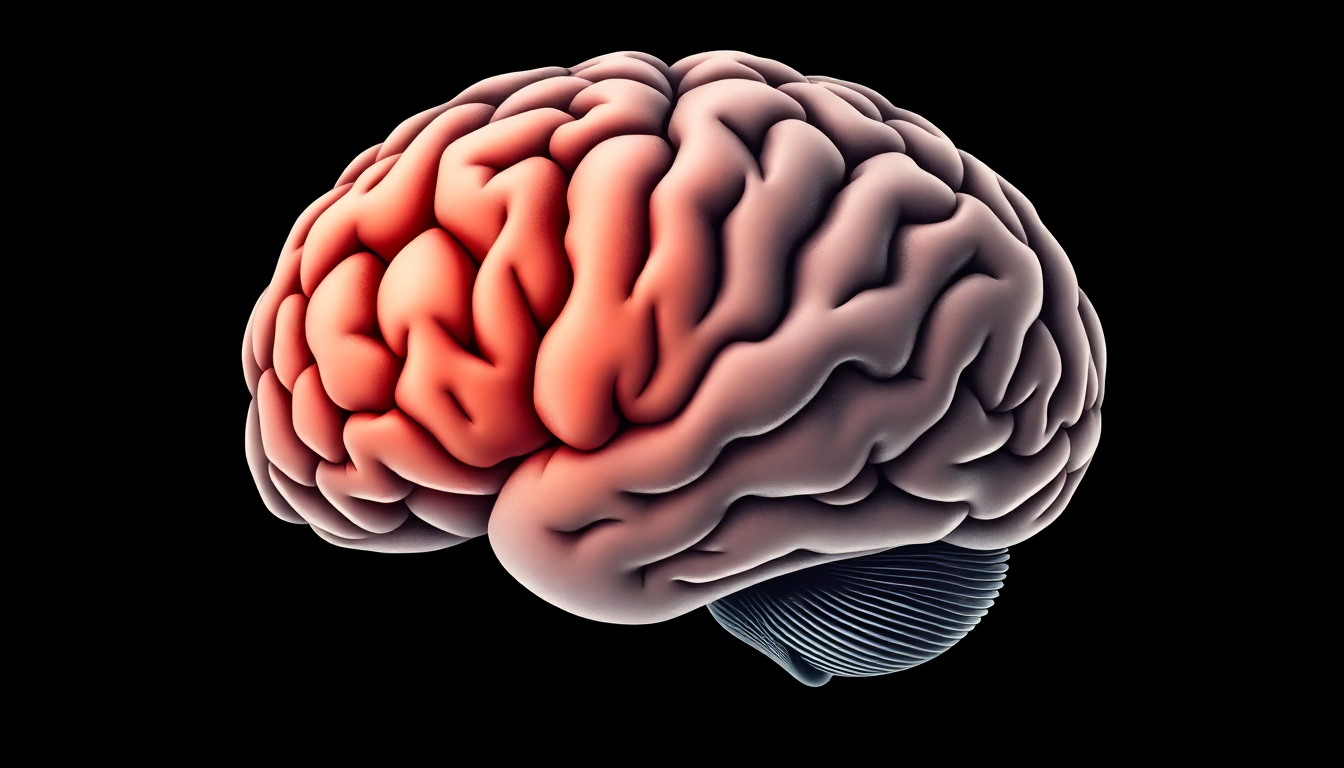
Neuroscience of ODD in Children
📑 5 slides
👁 15 views
📅 4/12/2026
Introduction to ODD Neuroscience
ODD involves dysregulation in behavior and emotion due to physiological factors.
2
Reactive Aggressors: Hot-Headed
- Hypersensitive to cortisol, leading to quick stress reactions.
- Adrenal gland hyperactivity floods brain with cortisol under stress.
- Impairs frontal lobe function, reducing rational thought and self-control.
3
Proactive Aggressors: Cold-Calculated
- Low baseline cortisol reduces stress and fear sensitivity.
- Amygdala hyporeactivity leads to blunted punishment sensitivity.
- Dopamine dysregulation increases risk-taking and reduces reward learning.
4
Neurological Dysfunction in ODD
- Faulty neuroception misreads environmental cues as threats.
- Subcortical brain regions drive defiant behaviors, not deliberate planning.
- Polyvagal Theory explains fight-flight-freeze responses in ODD.
5
Effective Interventions for ODD
- Traditional punishment often fails due to neurobiological insensitivity.
- Positive reinforcement and structured parent-child programs are more effective.
- Co-regulation and consistency help restore emotional and behavioral balance.
1 / 5