The Anatomy of Larynx

📑 10 slides 👁 39 views 📅 1/23/2026
0.0 (0 ratings)

Introduction to the Larynx

The larynx, or voice box, is a vital organ in the respiratory and vocal systems.

Introduction to the Larynx
2

Location and Structure

  • The larynx sits at the top of the trachea, between the pharynx and the trachea.
  • Composed of cartilage, muscles, and mucous membranes, forming a complex structure.
  • Key cartilages include the thyroid, cricoid, and arytenoid cartilages.
Location and Structure
3

Cartilages of the Larynx

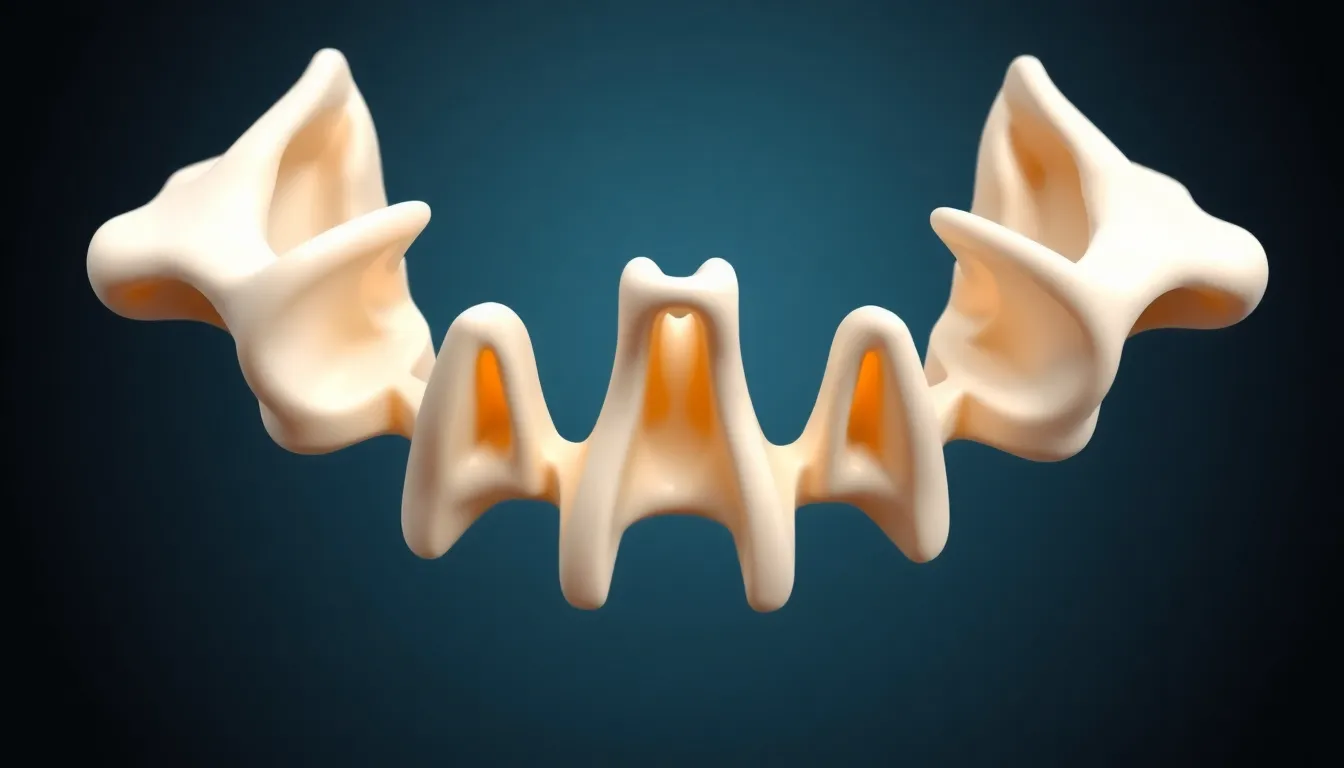
  • Thyroid cartilage: the largest, forms the Adam's apple and shields the vocal cords.
  • Cricoid cartilage: a complete ring below the thyroid, supports the larynx.
  • Arytenoid cartilages: small, paired cartilages crucial for vocal cord movement.
Cartilages of the Larynx
4

Vocal Cords and Sound Production

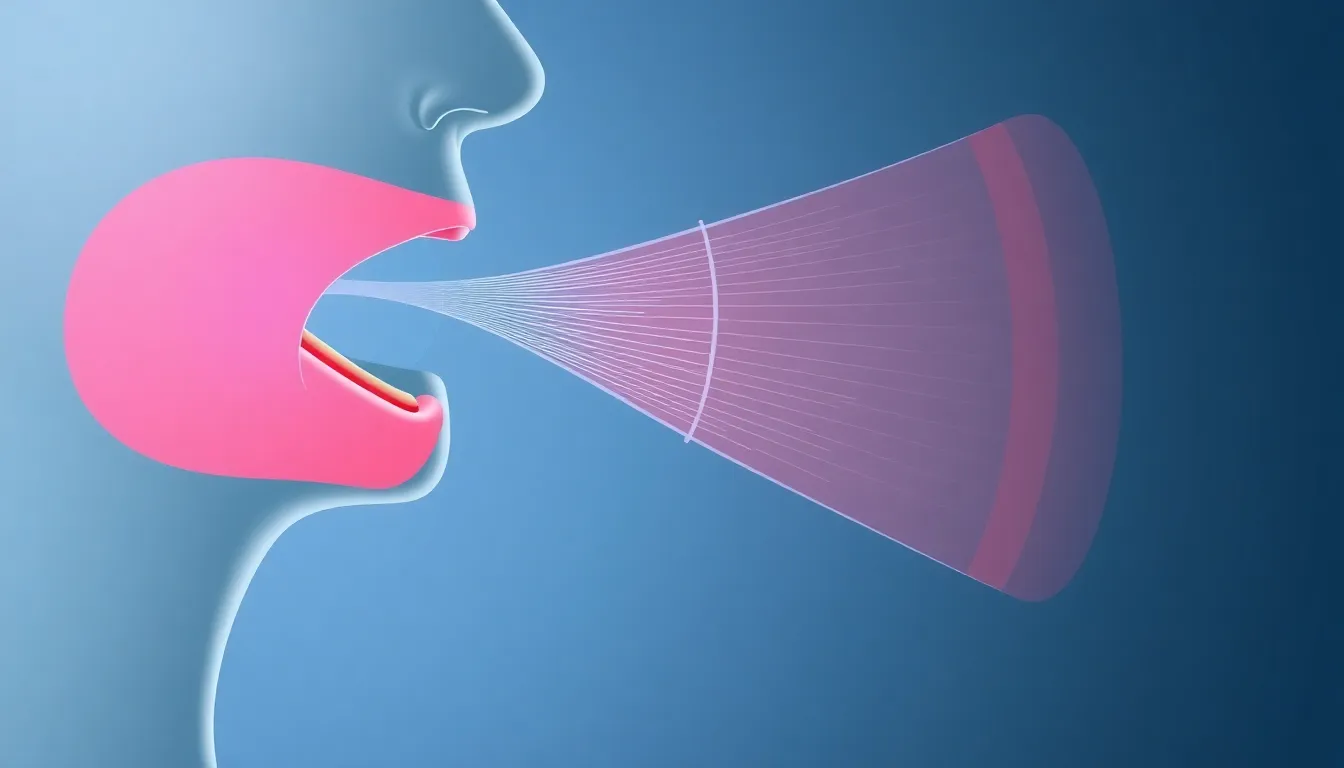
  • Vocal cords are folds of mucous membrane stretched across the larynx.
  • Vibration of the cords by exhaled air produces sound, modified by tension and position.
  • Pitch is controlled by the length and tension of the vocal cords.
Vocal Cords and Sound Production
5

Muscles of the Larynx

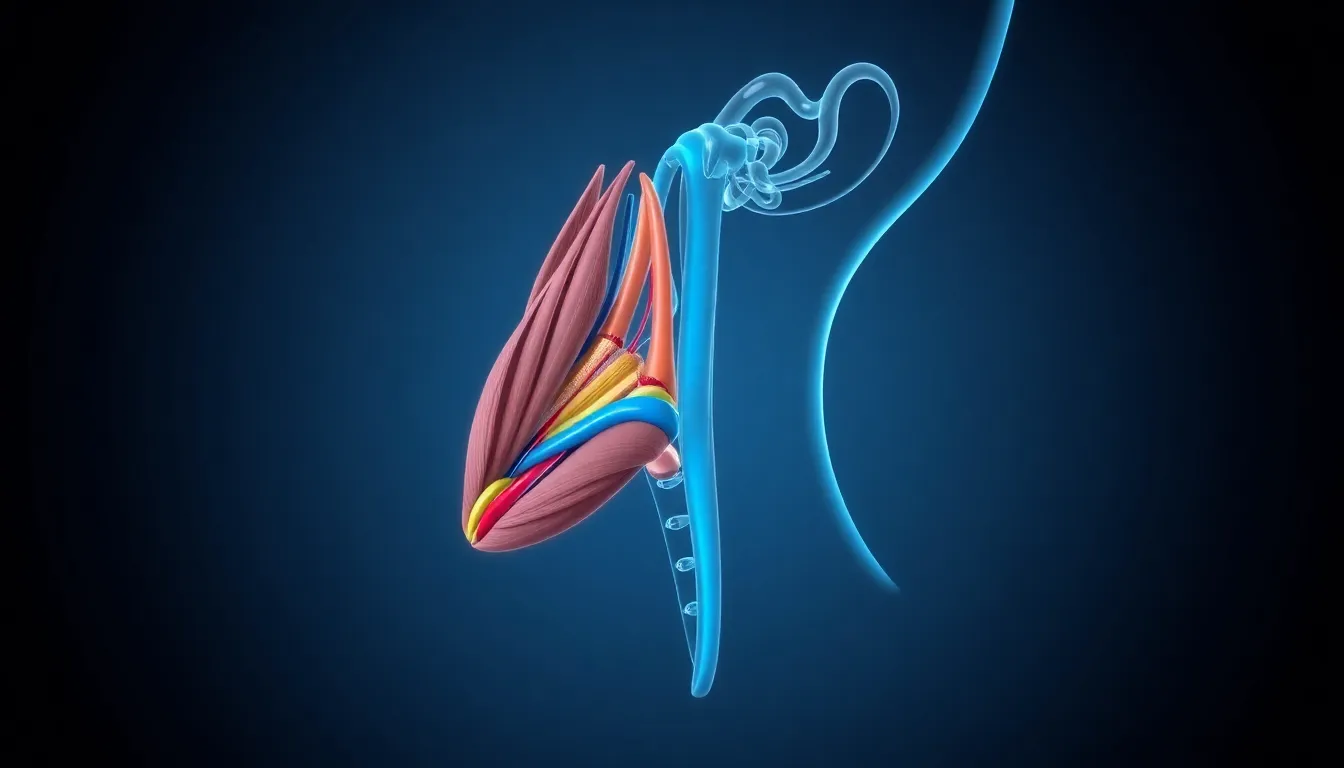
  • Intrinsic muscles adjust the position and tension of the vocal cords.
  • Extrinsic muscles connect the larynx to surrounding structures, aiding in swallowing.
  • Muscle coordination is essential for speech, breathing, and airway protection.
Muscles of the Larynx
6

Function in Breathing

  • The larynx regulates airflow into and out of the lungs.
  • During swallowing, the epiglottis closes to prevent food entering the trachea.
  • It can also close tightly to increase abdominal pressure, aiding in lifting or childbirth.
Function in Breathing
7

Clinical Importance

  • Laryngitis: inflammation of the larynx, often causing hoarseness or loss of voice.
  • Laryngeal cancer: linked to smoking and alcohol, requires early detection.
  • Vocal cord nodules: benign growths from overuse, common in singers and teachers.
Clinical Importance
8

Laryngoscopy

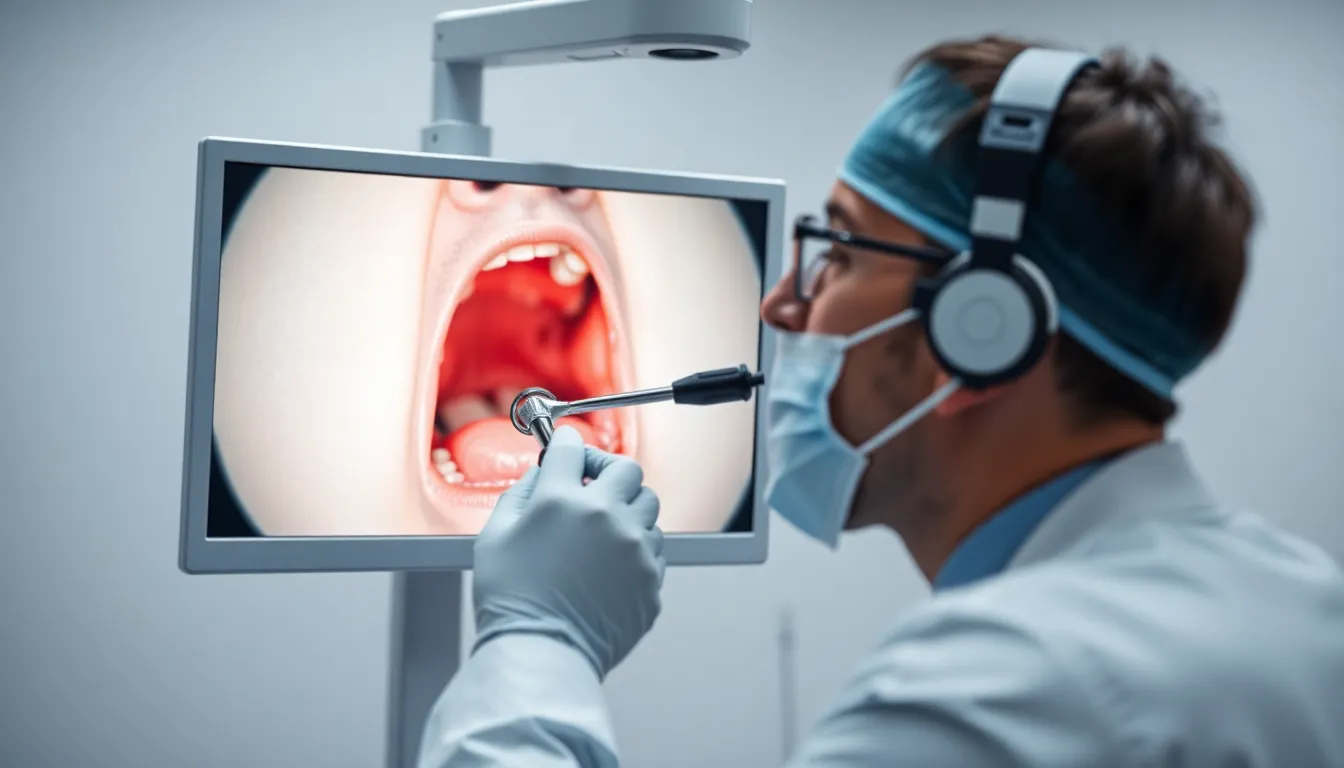
  • Procedure to visualize the larynx using a laryngoscope or endoscope.
  • Used for diagnosing conditions like polyps, tumors, or vocal cord paralysis.
  • Can be performed in a clinic or operating room, with local or general anesthesia.
Laryngoscopy
9

Voice Disorders

  • Dysphonia: abnormal voice quality due to vocal cord dysfunction.
  • Spasmodic dysphonia: a neurological condition causing involuntary spasms.
  • Treatment may include voice therapy, medication, or surgery.
Voice Disorders
10

Conclusion and Summary

  • The larynx is essential for breathing, sound production, and airway protection.
  • Its complex structure includes cartilages, muscles, and vocal cords.
  • Understanding its anatomy aids in diagnosing and treating voice and respiratory disorders.
Conclusion and Summary
1 / 10