Understanding Globalization: Grade 10 Curriculum

📑 10 slides 👁 52 views 📅 1/24/2026
0.0 (0 ratings)

Introduction to Globalization

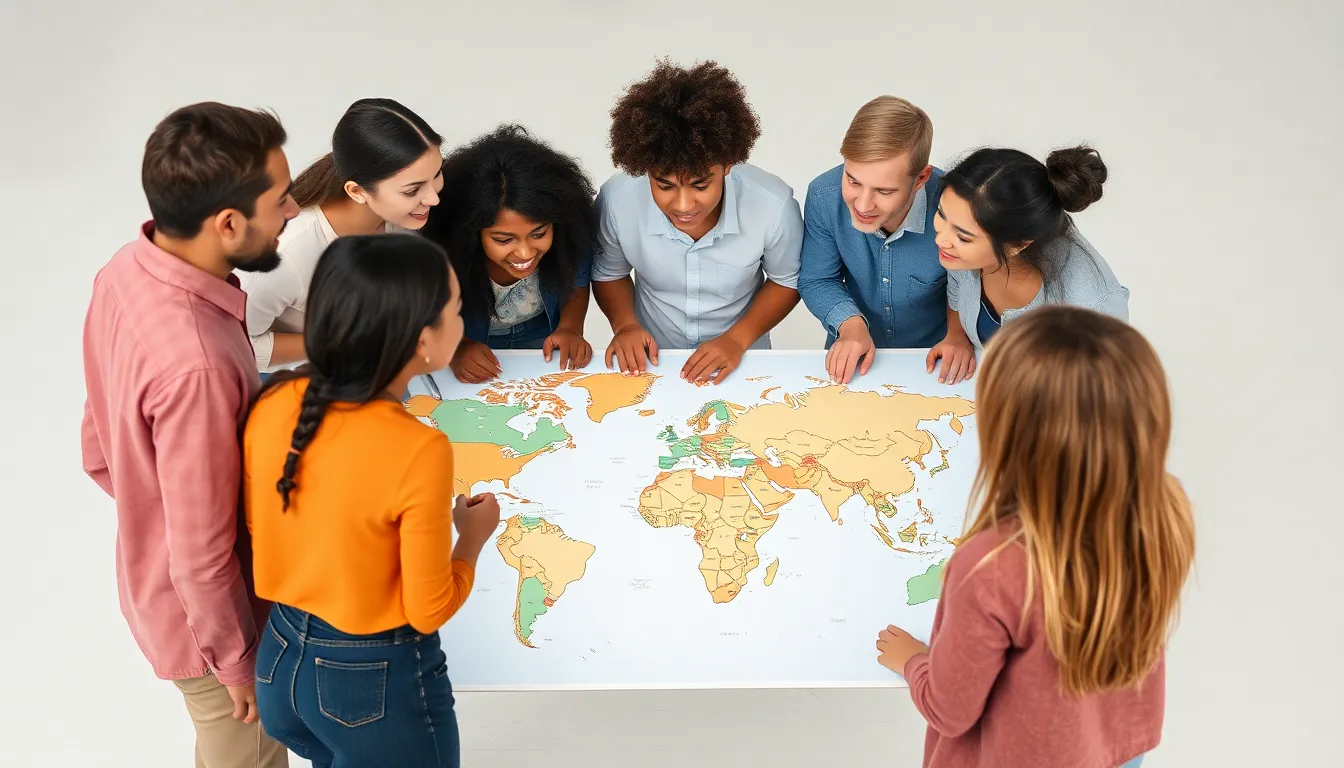
Globalization connects economies, cultures, and societies worldwide.

Introduction to Globalization
2

Trade Liberalization: GATT & WTO

  • GATT (1947) reduced tariffs and boosted international trade.
  • WTO (1995) enforces trade rules and resolves disputes between nations.
  • Canada benefits from WTO through increased export opportunities.
Trade Liberalization: GATT & WTO
3

CUSMA: North American Trade

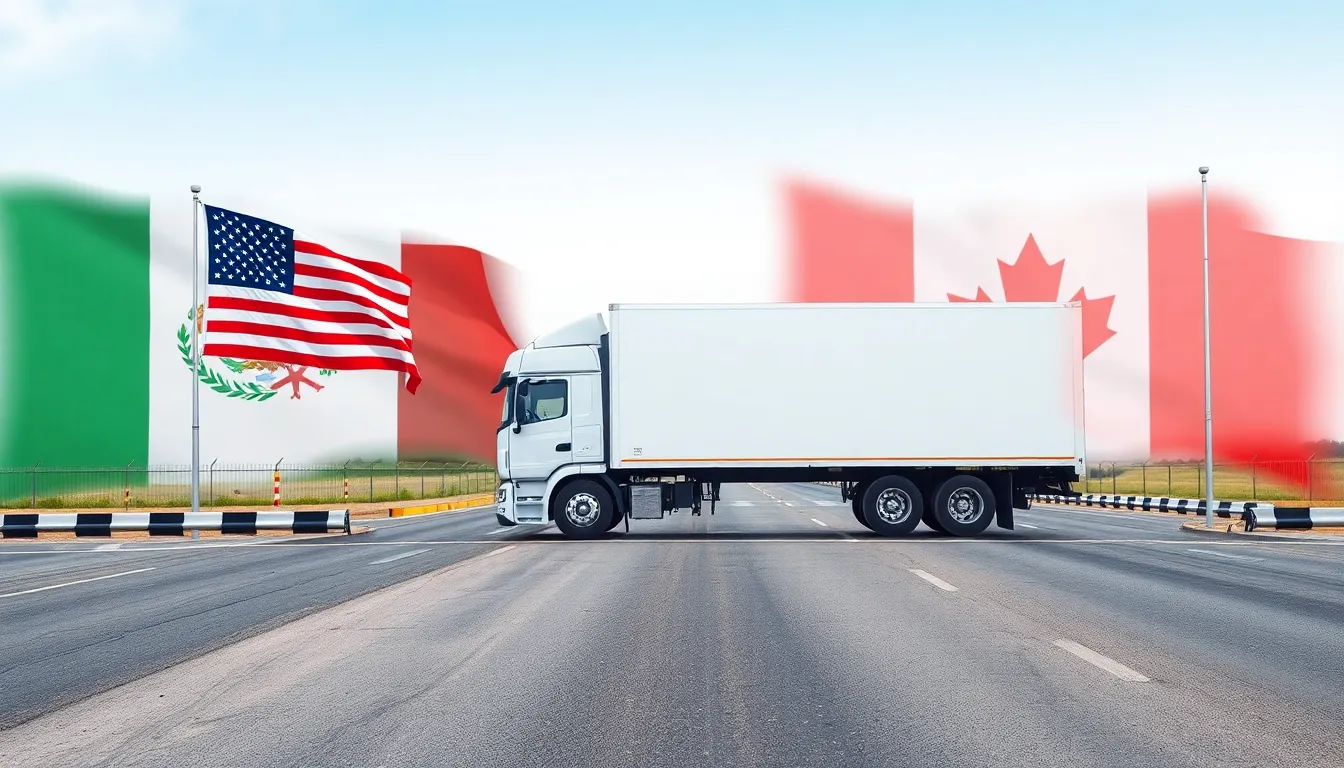
  • CUSMA (2020) replaced NAFTA, modernizing trade between Canada, US, and Mexico.
  • Key sectors: automotive, agriculture, and digital trade.
  • Ensures tariff-free access for many Canadian goods.
CUSMA: North American Trade
4

European Union: Free Trade Zone

  • EU is a political and economic union of 27 European countries.
  • Single market allows free movement of goods, services, and people.
  • Canada-EU trade deal (CETA) removes 98% of tariffs.
European Union: Free Trade Zone
5

Structural Adjustment Programs

  • IMF loans come with conditions like privatization and budget cuts.
  • Ethiopia's 2026 IMF loan aimed to stabilize its economy but raised debt concerns.
  • Critics argue SAPs can harm social services in developing nations.
Structural Adjustment Programs
6

Protectionism: OPEC & EU Policies

  • OPEC controls oil prices by limiting production among member nations.
  • EU protects farmers with subsidies and import restrictions.
  • Protectionism can lead to trade wars and higher consumer prices.
Protectionism: OPEC & EU Policies
7

Canada's Dairy Industry Protection

  • Supply management keeps dairy prices stable but limits competition.
  • High tariffs protect Canadian farmers from foreign dairy imports.
  • Critics argue it raises milk prices for consumers.
Canada's Dairy Industry Protection
8

NGOs: UNICEF & Greenpeace

  • UNICEF provides aid for children in crisis zones worldwide.
  • Greenpeace campaigns for environmental protection and climate action.
  • NGOs rely on donations and volunteers to drive global change.
NGOs: UNICEF & Greenpeace
9

Outsourcing: Pros and Cons

  • Companies outsource to cut costs, often moving jobs overseas.
  • Benefits: lower prices, access to global talent.
  • Drawbacks: job losses in home countries, quality control issues.
Outsourcing: Pros and Cons
10

Summary: Globalization's Impact

  • Trade agreements like CUSMA and WTO shape global economies.
  • Protectionism and NGOs play key roles in balancing globalization.
  • Students should understand both benefits and challenges of global connections.
Summary: Globalization's Impact
1 / 10