Generational Business Continuity in Nigerian Family Firms
๐ 10 slides
๐ 24 views
๐
1/31/2026
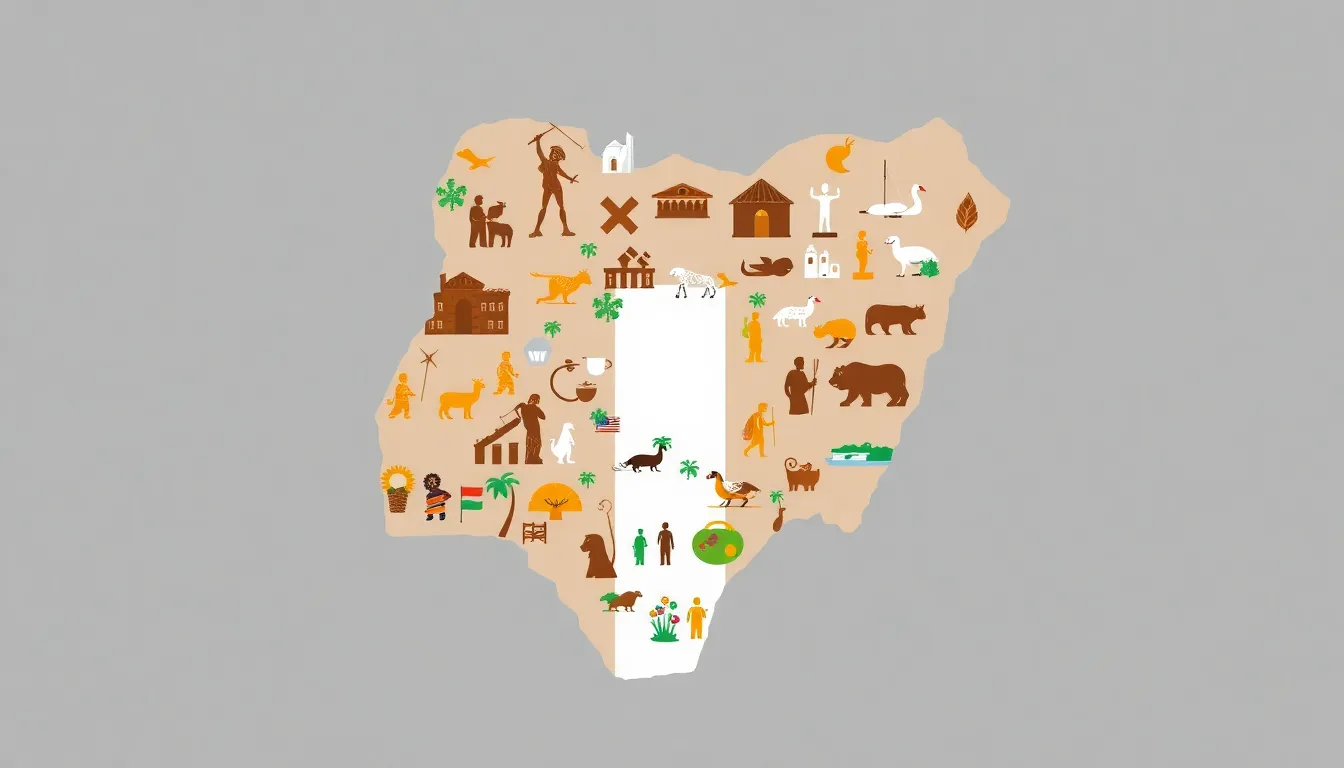
Introduction: Nigeria's Family Business Landscape
MSMEs constitute 96.9% of Nigerian businesses, employing 84% of workforce
2
The Succession Planning Imperative
- Only 22.8% of Nigerian family firms have formal succession plans
- Firms with plans show 0.738 correlation with business continuity
- Lagos study found mentor-trained successors boost performance by 54.5%
3
Cultural Dimensions of Succession
- Igbo apprenticeship system vs Yoruba consensus vs Hausa primogeniture
- Ethnic norms significantly influence succession effectiveness (H1)
- Gender dynamics exclude women from 60% of leadership transitions
4
Key Success Factors Identified
- Management training increases successor readiness by 73%
- Documented institutional memory preserves 89% of operational knowledge
- Avoiding CEO-duality improves governance transparency
5
Founder Syndrome Challenges
- 65% of founders resist delegation due to แปmแปlรบwร bรญ cultural values
- Firstborn male succession leads to 40% higher failure rates
- Emotional attachment hinders 78% of timely transitions
6
The NFB-SF Framework Proposal
- Combines SEW theory with Resource-Based View approach
- Integrates cultural norms with formal governance structures
- Predicts 30% higher continuity probability when implemented
7
Institutional Voids & Adaptations
- 82% of SMEs rely on trust networks over formal contracts
- Relational governance helped 67% survive COVID-19 shocks
- Extended family obligations consume 35% of business capital
8
Regional Succession Practices
- Lagos: Formal planning increases survival by 5.8 years
- SE Nigeria: Job rotation improves sustainability scores by 93.4%
- Rivers State: Structured plans enhance economic resilience
9
Theoretical Foundations
- Socioemotional Wealth drives non-financial decision making
- Familiness creates unique VRIN resources for competitive edge
- Dynamic capabilities enable adaptation across generations
10
Conclusion & Recommendations
- Cultural-sensitive NFB-SF framework bridges formal/informal gaps
- Early mentoring + documentation improves transition success by 2.4x
- Policy needs family/non-family MSME data disaggregation
1 / 10