Supporting Mathematics Talk in Kindergarten

📑 10 slides 👁 41 views 📅 1/28/2026
0.0 (0 ratings)

Introduction to Math Talk

Math talk builds foundation for early numeracy skills

Introduction to Math Talk
2

Creating Math-Rich Environments

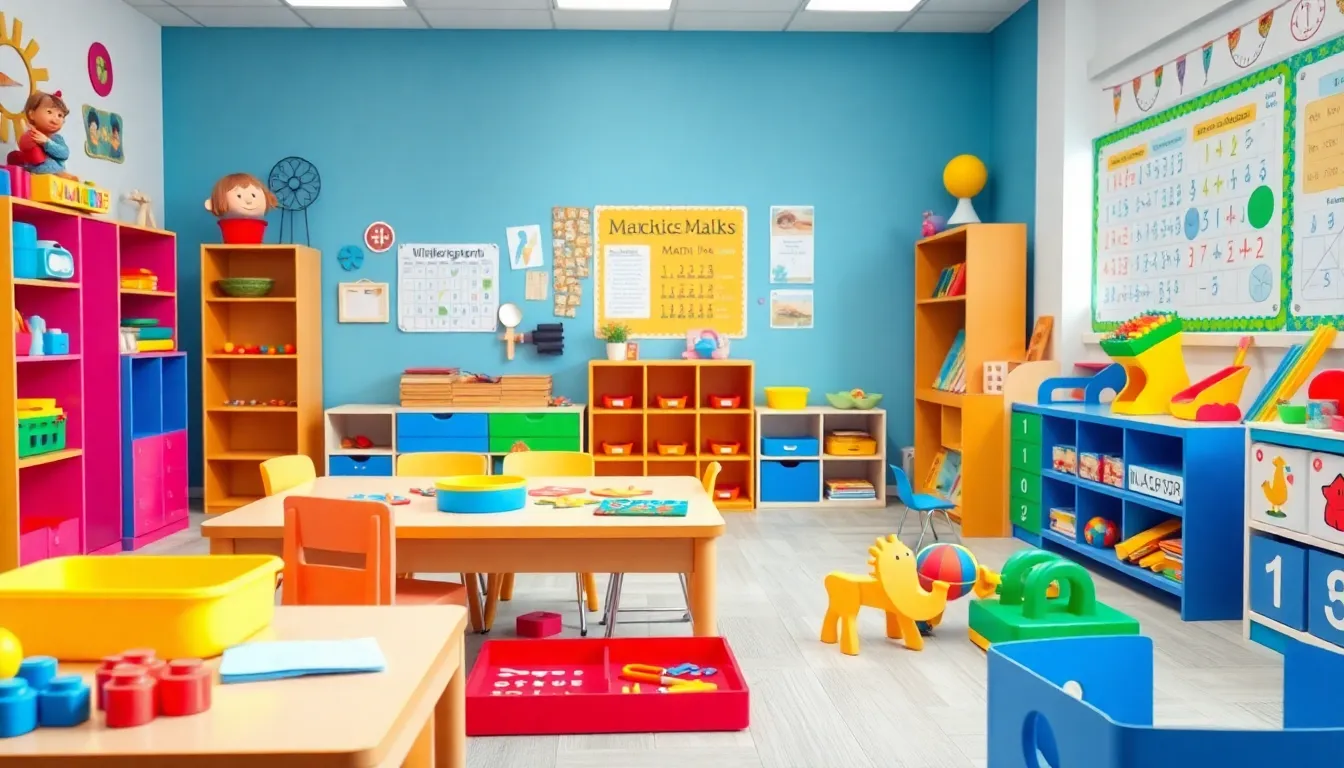
  • Display number charts and shapes at child's eye level
  • Use math manipulatives like blocks and counters daily
  • Incorporate math vocabulary into classroom labels (no text in image)
  • 50% of math learning comes from environmental exposure
Creating Math-Rich Environments
3

Questioning Techniques

  • Ask open-ended questions: 'How did you figure that out?'
  • Use 'what if' scenarios to extend mathematical thinking
  • Wait 5-7 seconds for responses to encourage deeper thought
  • 3-5 math questions per activity maintains engagement
Questioning Techniques
4

Math Storytime Strategies

  • Select books with numerical patterns or sequences
  • Pause to count objects in illustrations together
  • Ask predictive questions about number outcomes
  • 30% of math concepts can be taught through stories
Math Storytime Strategies
5

Incorporating Play-Based Math

  • Dramatic play areas with cash registers and measuring tools
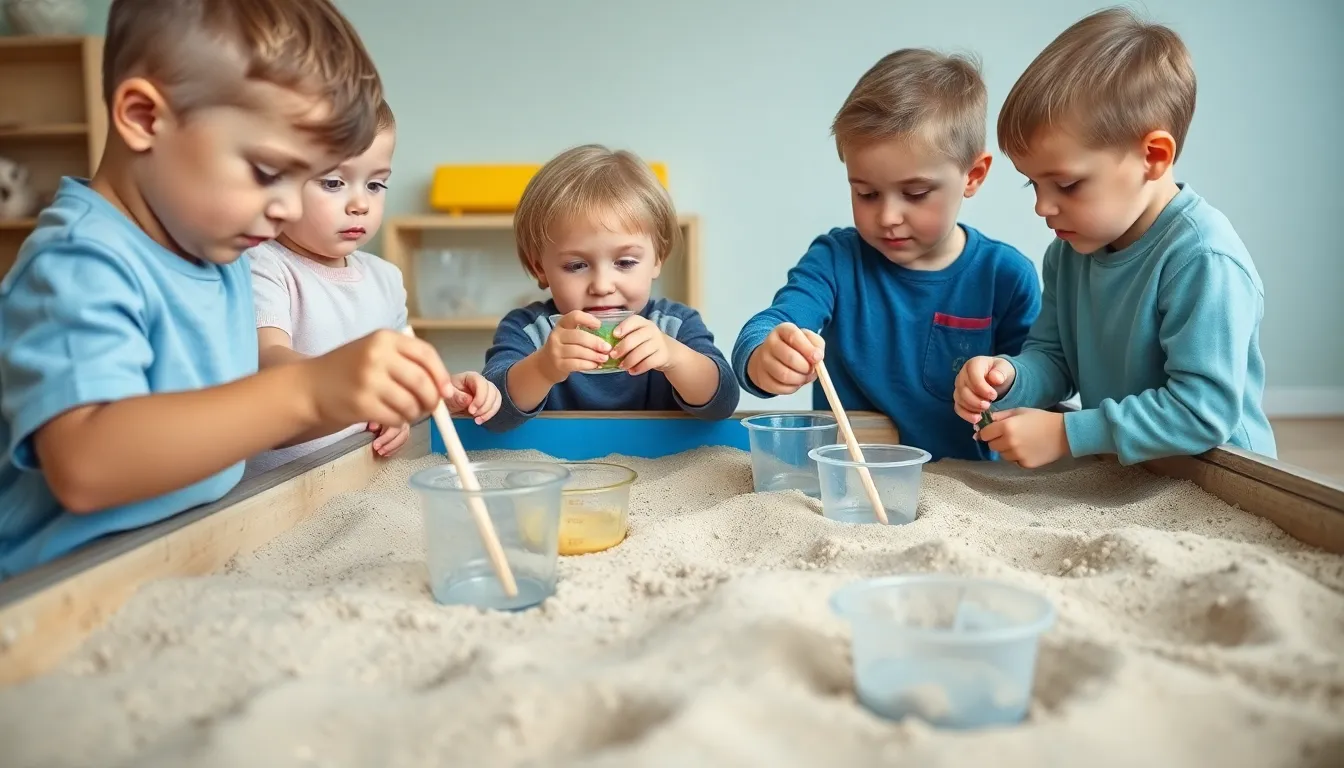
  • Sand/water tables for volume and measurement exploration
  • Block play develops spatial reasoning and geometry skills
  • Play accounts for 80% of math learning in kindergarten
Incorporating Play-Based Math
6

Math Vocabulary Building

  • Introduce 2-3 new math terms weekly (more, less, equal)
  • Use gestures and visuals to reinforce word meanings
  • Children repeat terms in context during activities
  • By age 6, kids should know 20+ math-specific words
Math Vocabulary Building
7

Family Engagement Strategies

  • Send home math games using household items
  • Host family math nights with hands-on stations
  • Share conversation starters about everyday math
  • Family involvement increases math skills by 40%
Family Engagement Strategies
8

Assessing Math Talk Progress

  • Record children's problem-solving explanations
  • Track use of math vocabulary in conversations
  • Note confidence levels when discussing numbers
  • Assessments should be observational 90% of the time
Assessing Math Talk Progress
9

Common Challenges & Solutions

  • Shy children: Use small groups and whisper prompts
  • Language barriers: Incorporate visual math representations
  • Short attention spans: Keep math talks under 8 minutes
  • 50% of teachers need support implementing math talk
Common Challenges & Solutions
10

Conclusion & Key Takeaways

  • Math talk should be natural and frequent throughout day
  • Focus on process over correct answers in early stages
  • Build on children's natural curiosity about numbers
  • Creates lifelong positive math attitudes when started early
Conclusion & Key Takeaways
1 / 10