Stages of Project Life Cycle

📑 10 slides 👁 46 views 📅 1/20/2026
0.0 (0 ratings)

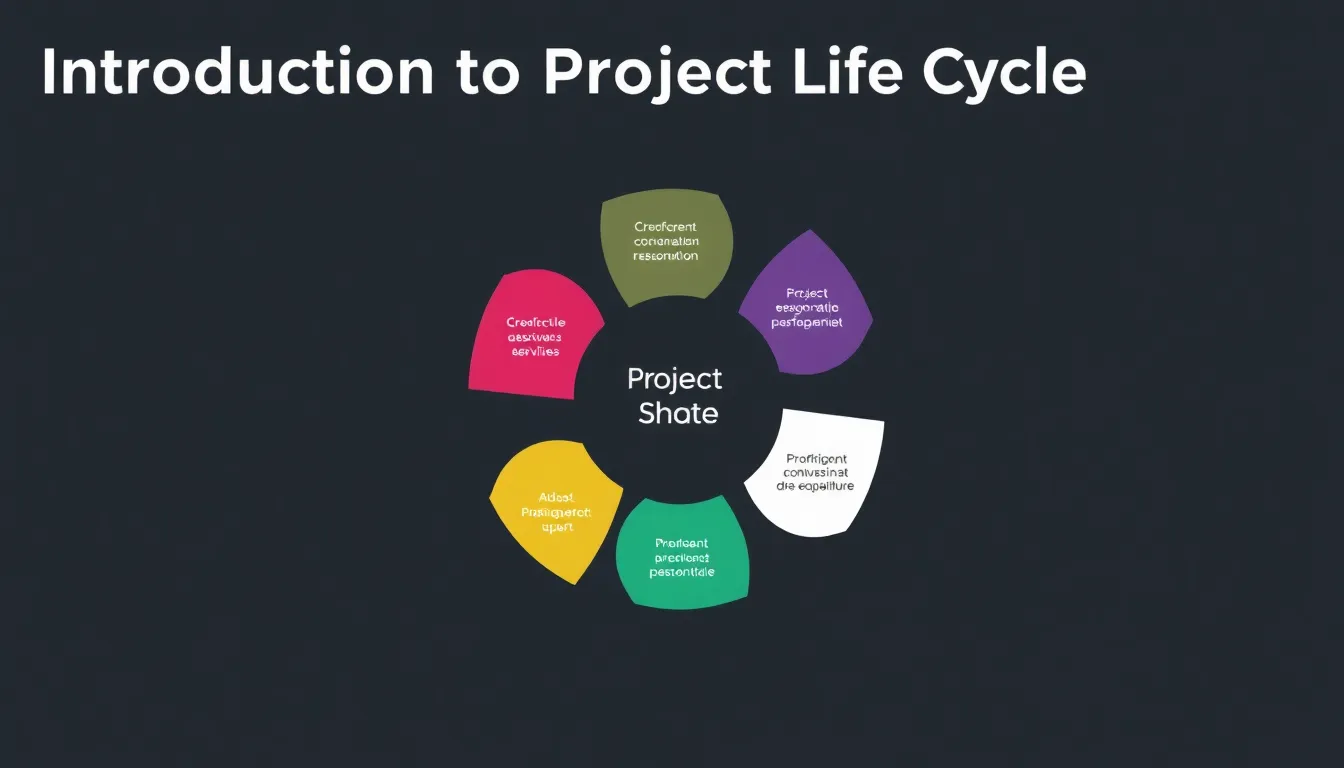
Introduction to Project Life Cycle

A project life cycle is a series of phases that a project goes through from start to finish

Introduction to Project Life Cycle
2

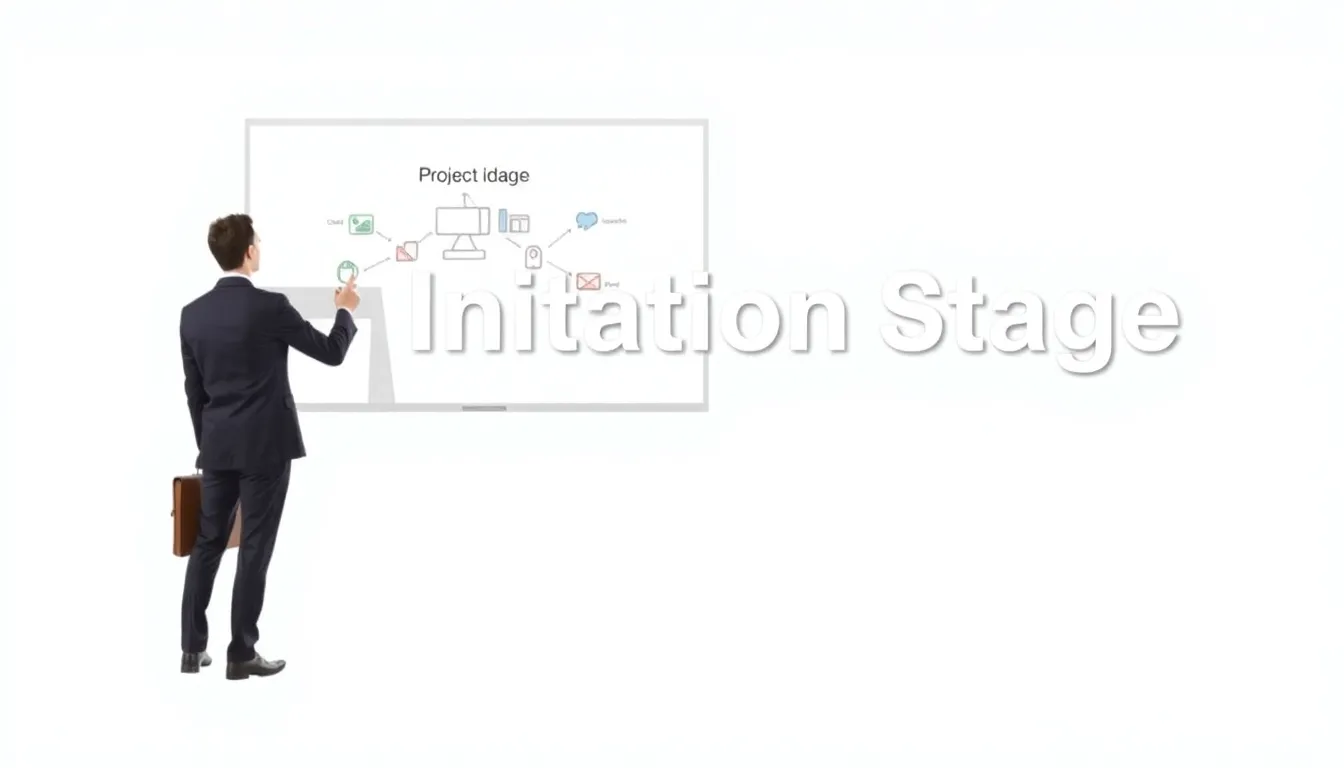
Initiation Stage

  • The first stage of the project life cycle where the project is defined and initiated
  • It involves identifying the project's objectives, scope, and stakeholders
  • A feasibility study is conducted to determine if the project is viable
Initiation Stage
3

Planning Stage

  • The second stage where the project plan is developed and resources are allocated
  • It involves creating a detailed project schedule, budget, and resource allocation plan
  • Risk management and quality control plans are also developed
Planning Stage
4

Execution Stage

  • The third stage where the project plan is carried out and tasks are executed
  • It involves coordinating and managing the project team and resources
  • Regular monitoring and control are necessary to ensure the project is on track
Execution Stage
5

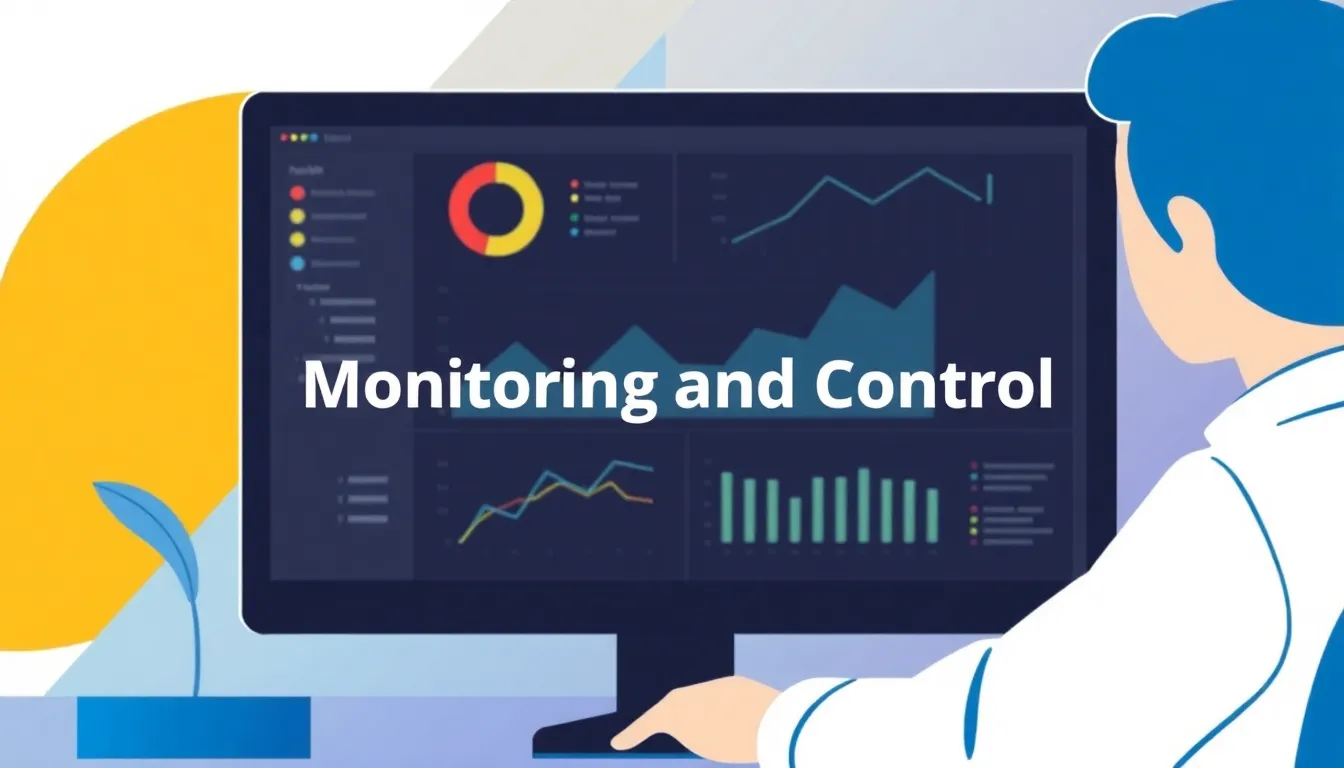
Monitoring and Control Stage

  • The fourth stage where the project's progress is tracked and corrective actions are taken
  • It involves identifying and addressing deviations from the project plan
  • Regular status updates and progress reports are essential
Monitoring and Control Stage
6

Closure Stage

  • The final stage where the project is formally closed and evaluated
  • It involves documenting lessons learned and evaluating project success
  • Project resources are released and the project team is disbanded
Closure Stage
7

Types of Project Life Cycles

  • There are different types of project life cycles, including agile, waterfall, and hybrid
  • Each type has its own strengths and weaknesses
  • The choice of project life cycle depends on the project's requirements and goals
Types of Project Life Cycles
8

Benefits of Project Life Cycle

  • The project life cycle provides a structured approach to managing projects
  • It helps to ensure project success by minimizing risks and maximizing benefits
  • It also improves communication and stakeholder engagement
Benefits of Project Life Cycle
9

Challenges of Project Life Cycle

  • The project life cycle can be complex and time-consuming
  • It requires significant resources and investment
  • Effective communication and stakeholder management are essential to overcome challenges
Challenges of Project Life Cycle
10

Conclusion

  • In conclusion, the project life cycle is a critical component of project management
  • It provides a framework for managing projects effectively and ensuring success
  • Understanding the different stages and benefits of the project life cycle is essential for project managers
Conclusion
1 / 10