Spleen Anatomy, Physiology, and Disorders

📑 10 slides 👁 22 views 📅 2/1/2026
0.0 (0 ratings)

Introduction to the Spleen

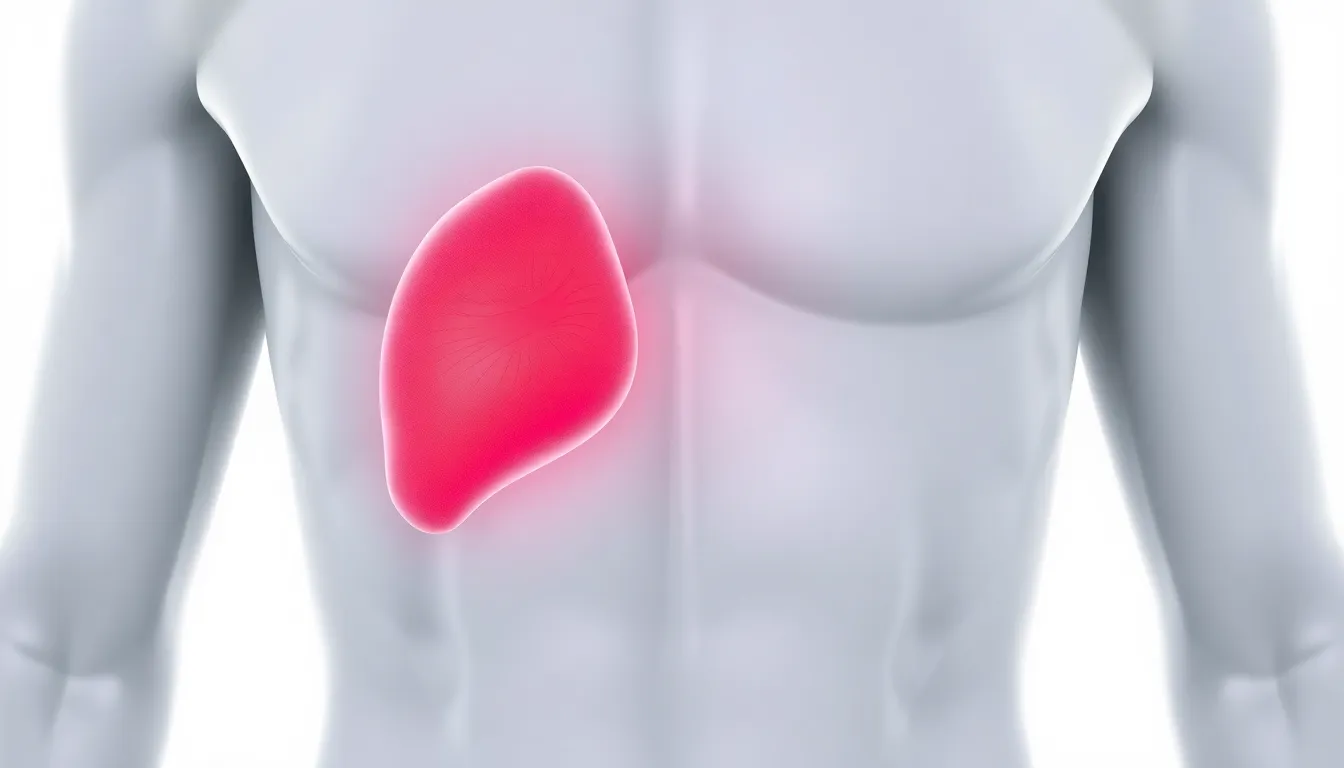
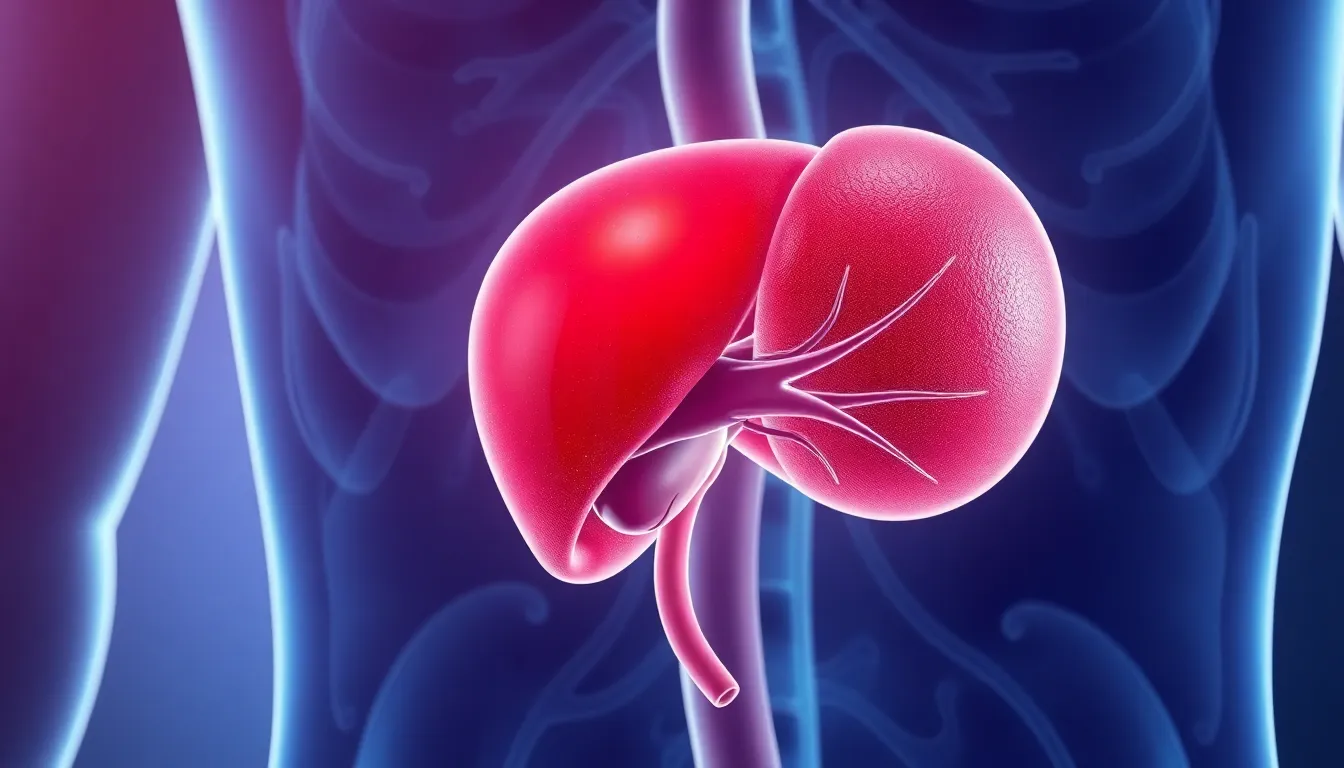
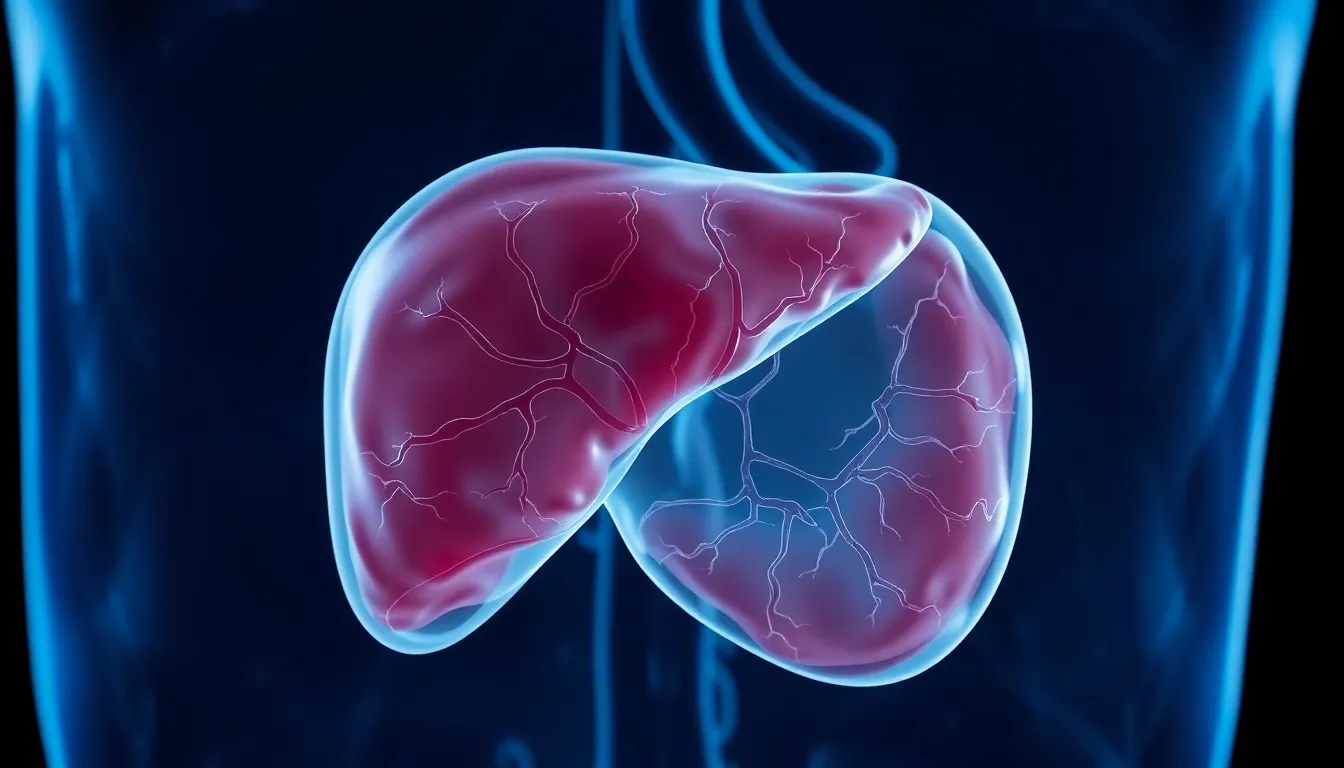
The spleen is a vital organ located in the upper left abdomen.

Introduction to the Spleen
2

Gross Anatomy of the Spleen

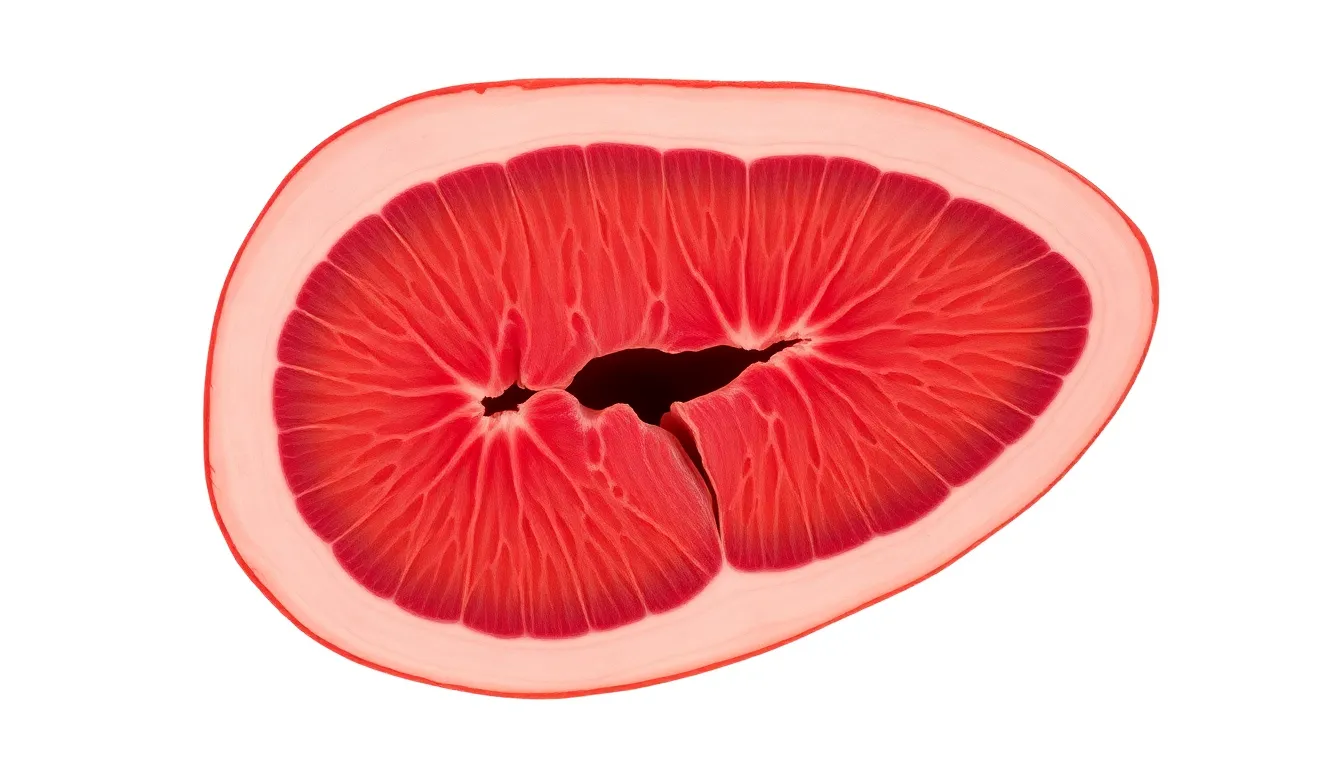
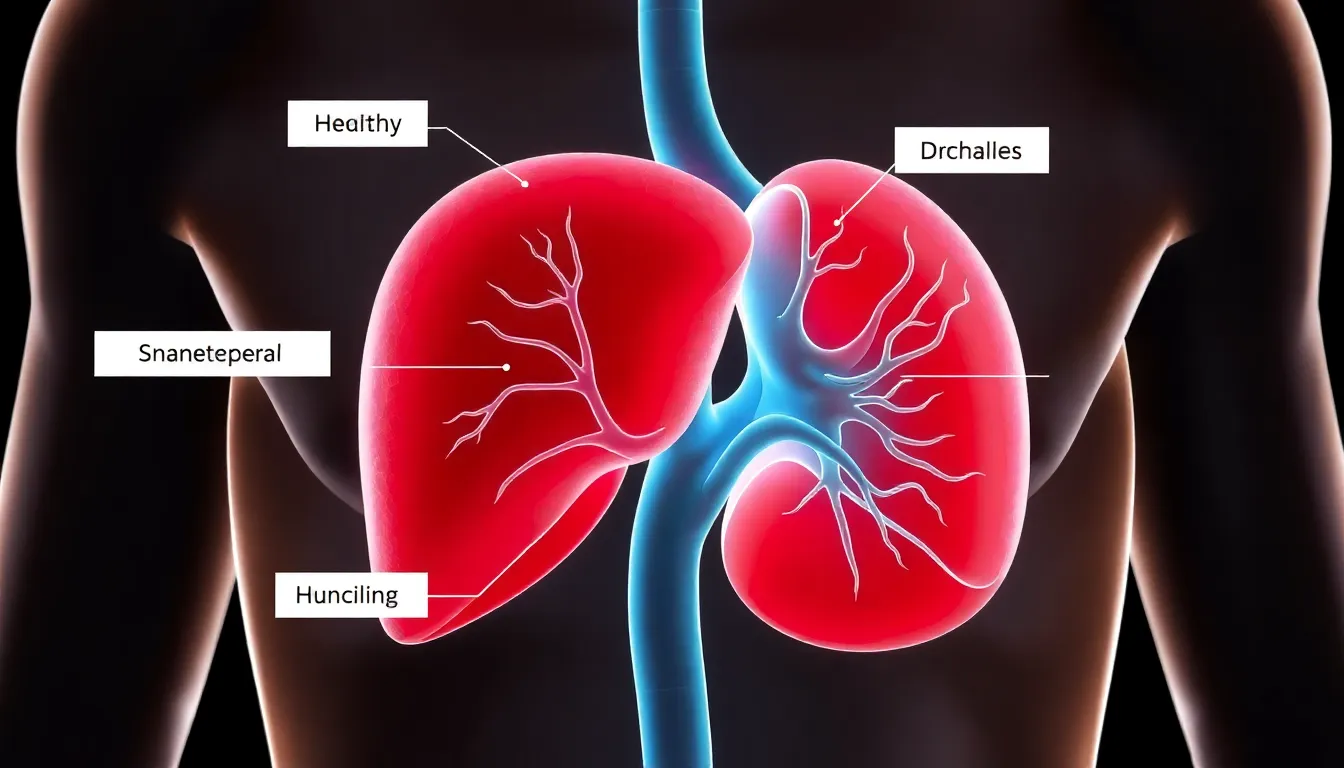
  • Divided into red pulp (75%) and white pulp (25%).
  • Red pulp filters blood and removes old RBCs.
  • White pulp contains immune cells for pathogen defense.
  • Surrounded by a fibrous capsule with trabeculae.
Gross Anatomy of the Spleen
3

Microscopic Structure

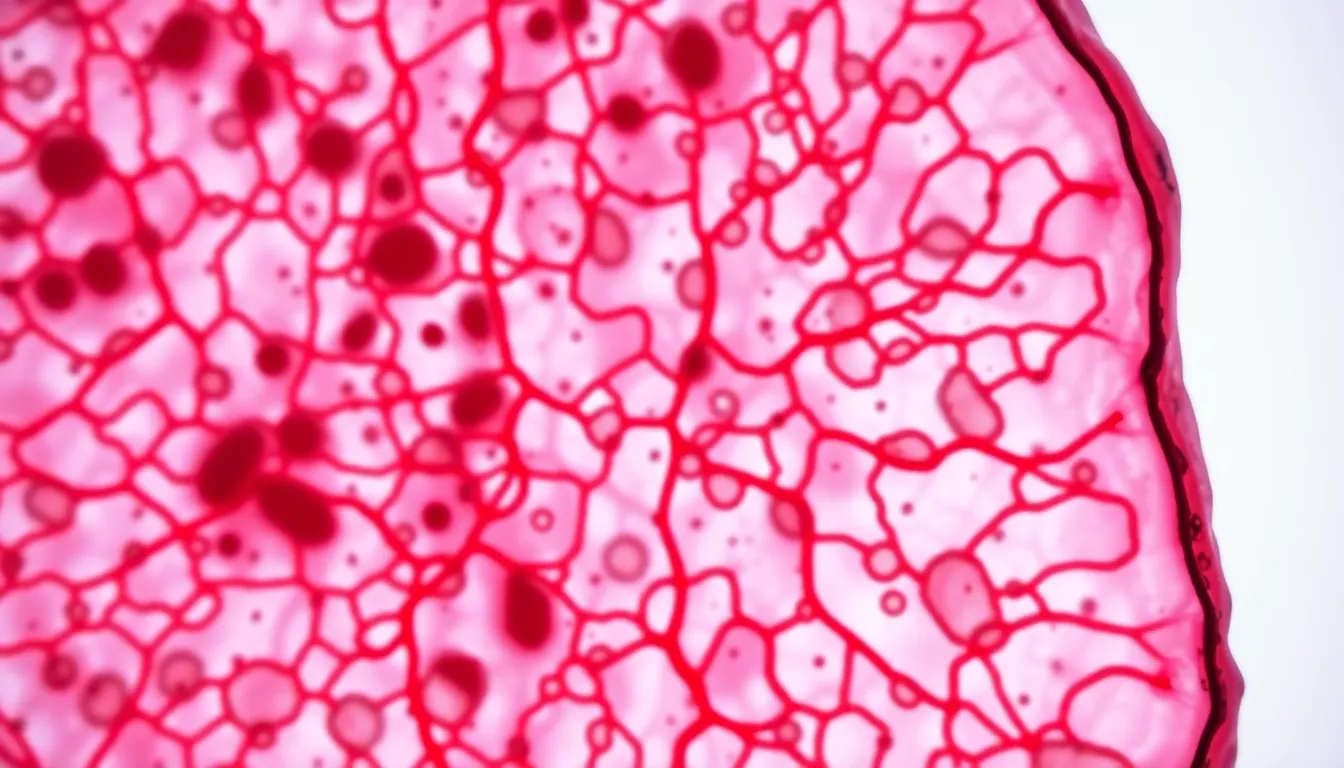
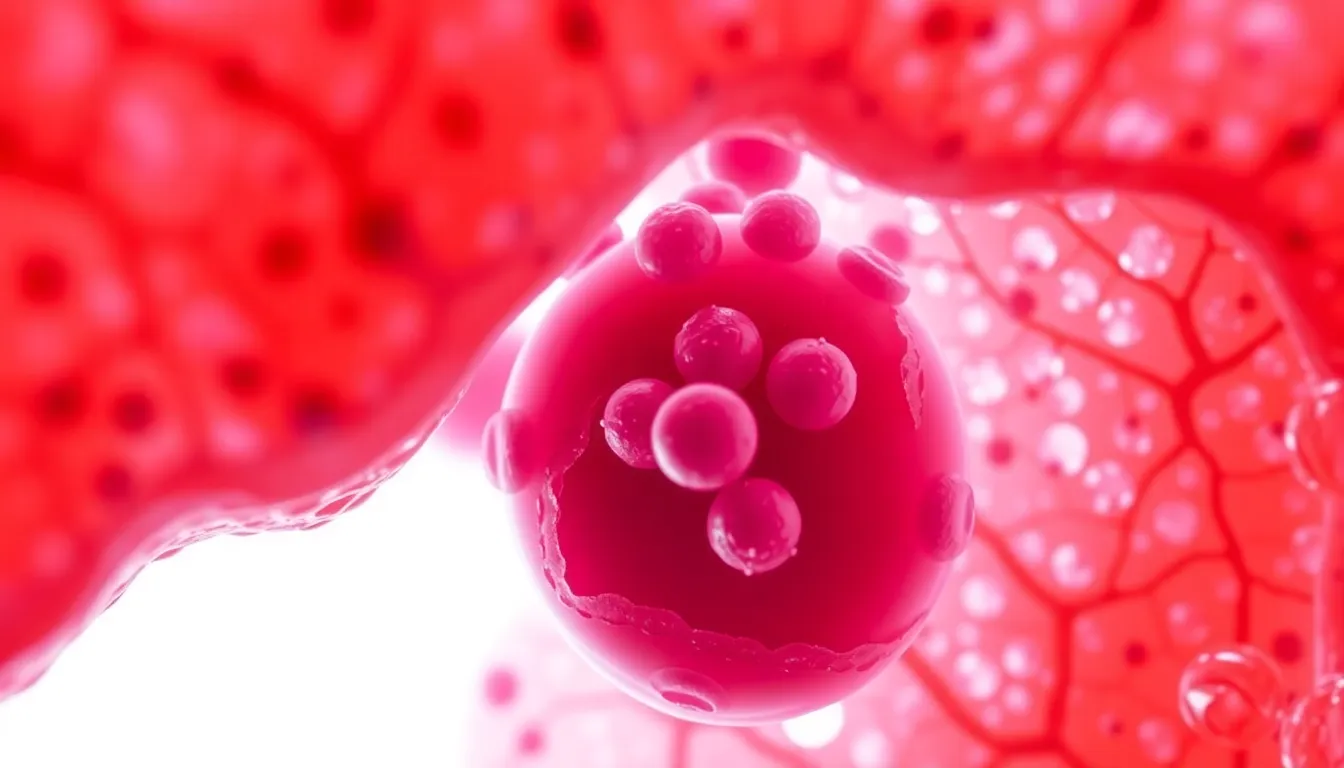
  • Red pulp consists of splenic cords and sinusoids.
  • White pulp contains periarteriolar lymphoid sheaths.
  • Marginal zone separates red and white pulp regions.
  • Contains specialized macrophages for phagocytosis.
Microscopic Structure
4

Blood Supply and Innervation

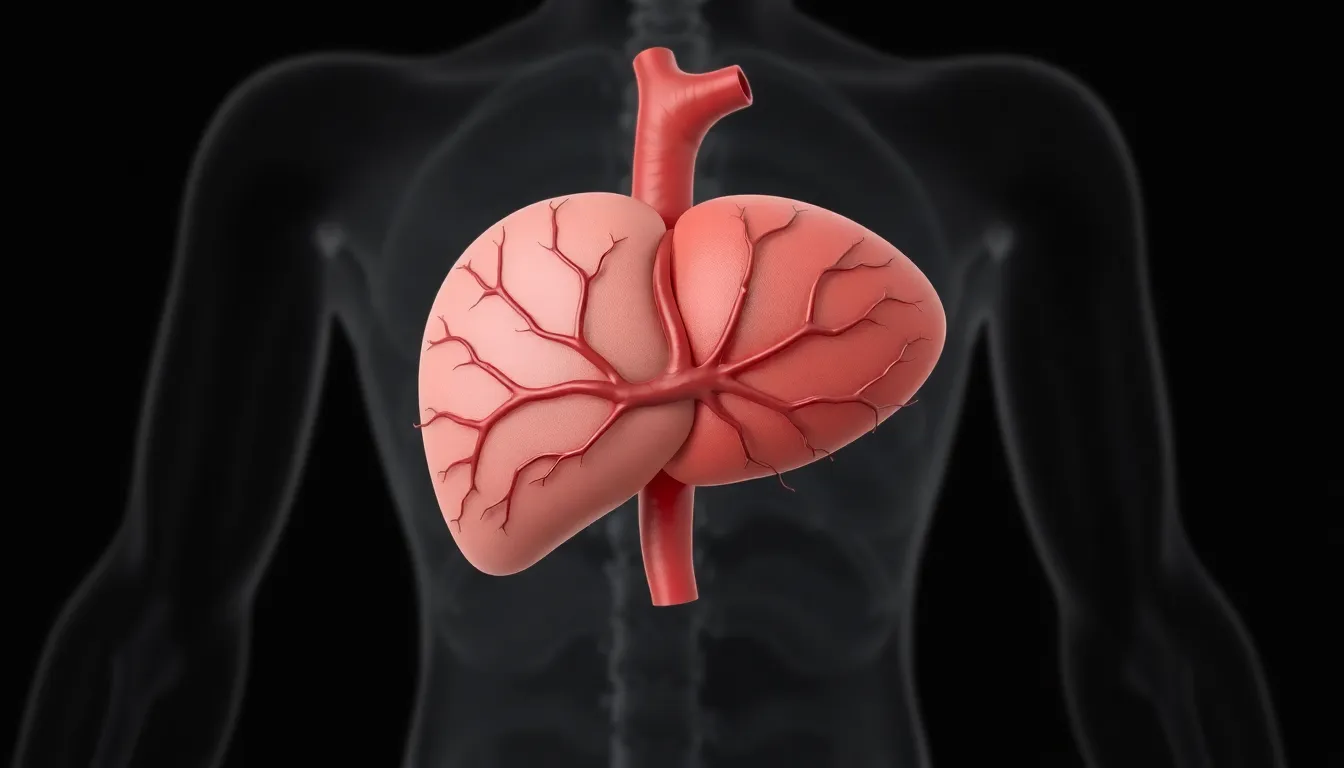
  • Splenic artery branches into trabecular arteries.
  • Blood drains via splenic vein to portal circulation.
  • Innervated by sympathetic fibers from celiac plexus.
  • Receives about 5% of cardiac output at rest.
Blood Supply and Innervation
5

Immune Functions

  • Produces antibodies against blood-borne pathogens.
  • Contains B and T lymphocytes for adaptive immunity.
  • Filters and removes antibody-coated bacteria.
  • Major site of IgM production during infections.
Immune Functions
6

Hematological Functions

  • Removes senescent and abnormal red blood cells.
  • Stores platelets (up to 30% of total platelet mass).
  • Can release stored RBCs during hemorrhagic shock.
  • Site of fetal hematopoiesis until bone marrow develops.
Hematological Functions
7

Splenomegaly (Enlarged Spleen)

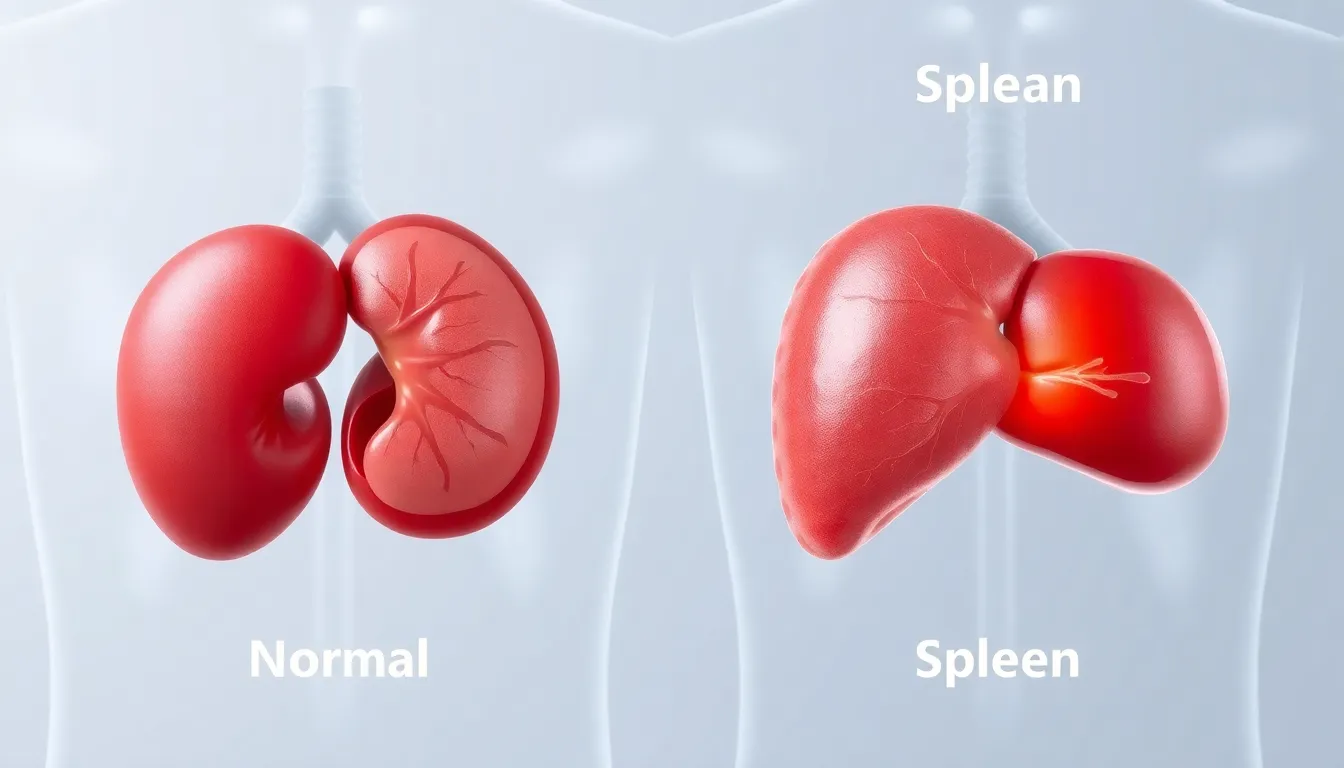
  • Common causes include infections and blood disorders.
  • Can grow to 10-20 times normal size in some cases.
  • May cause left upper quadrant pain and early satiety.
  • Palpable below costal margin when significantly enlarged.
Splenomegaly (Enlarged Spleen)
8

Spleen Trauma and Rupture

  • Most commonly injured organ in blunt abdominal trauma.
  • Can cause life-threatening internal hemorrhage.
  • Grade I-V classification based on injury severity.
  • Non-operative management successful in 60-80% cases.
Spleen Trauma and Rupture
9

Functional Asplenia

  • Occurs in sickle cell disease and other conditions.
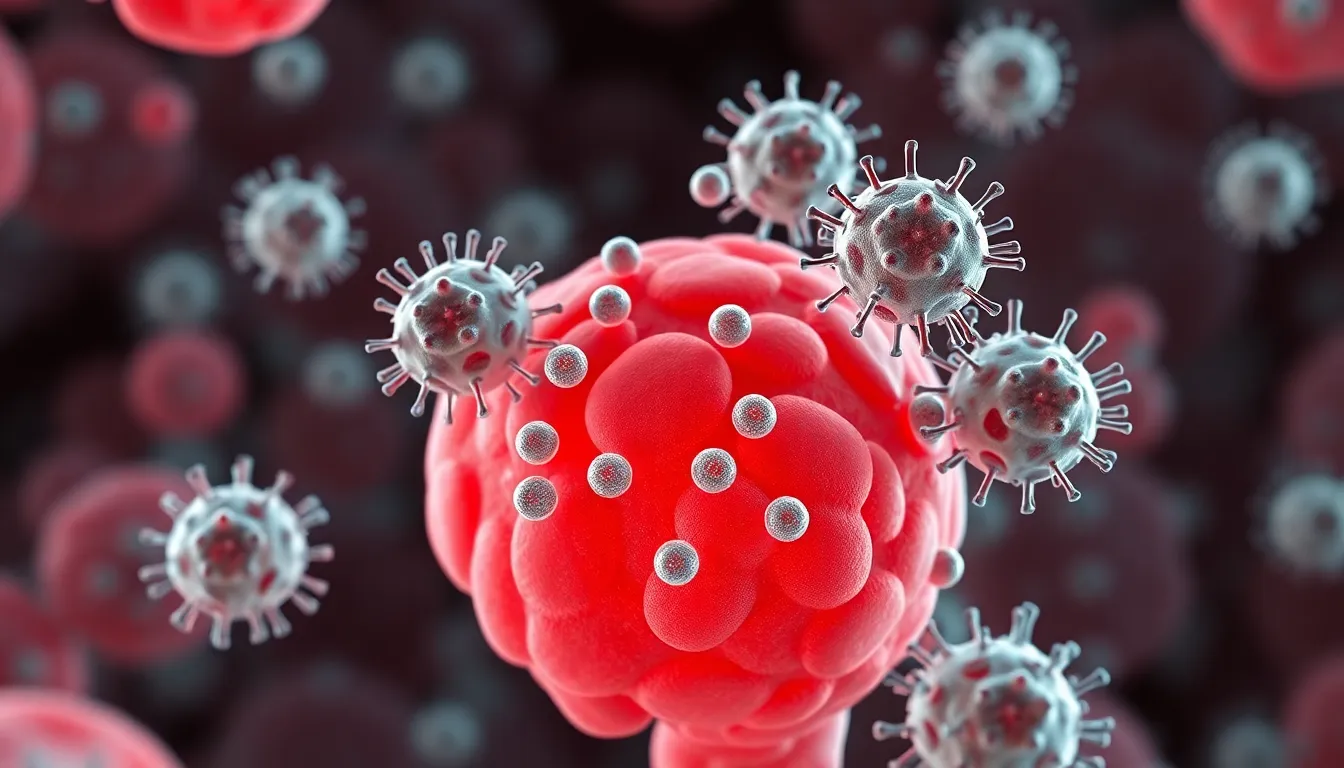
  • Increases risk of encapsulated bacterial infections.
  • Prophylactic antibiotics recommended for high-risk patients.
  • Vaccination against pneumococcus crucial for prevention.
Functional Asplenia
10

Conclusion and Key Points

  • Spleen is multifunctional - immune and hematologic roles.
  • Disorders range from infectious to traumatic causes.
  • Splenectomy patients require lifelong infection precautions.
  • Emerging research on spleen's role in systemic inflammation.
Conclusion and Key Points
1 / 10