Space Exploration
📑 5 slides
👁 8 views
📅 1/19/2026
Introduction to Space Exploration
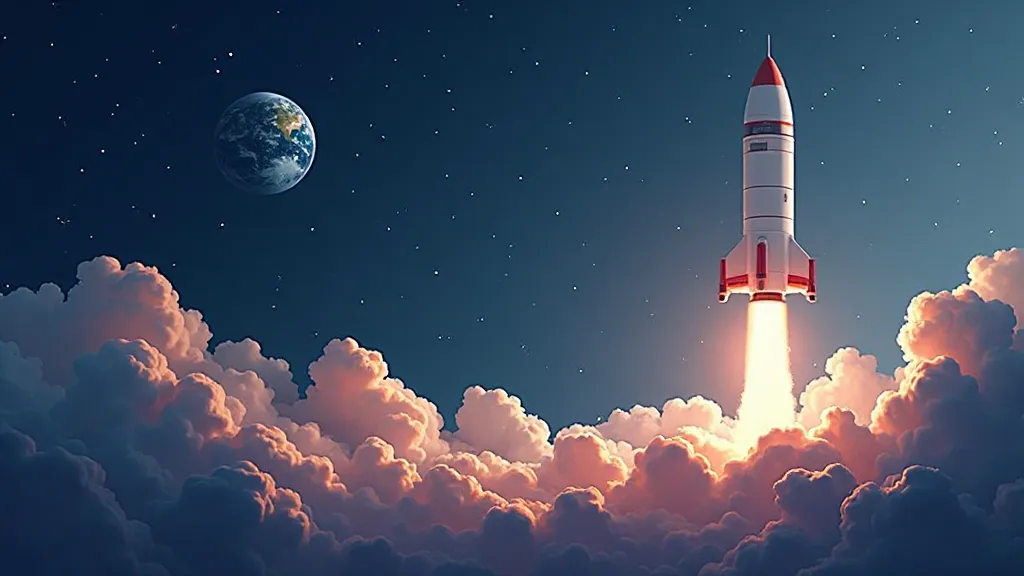
Space exploration began in 1957 with the launch of Sputnik 1, the first artificial satellite.
2
Milestones in Space History
- 1961: Yuri Gagarin became the first human in space, orbiting Earth for 108 minutes.
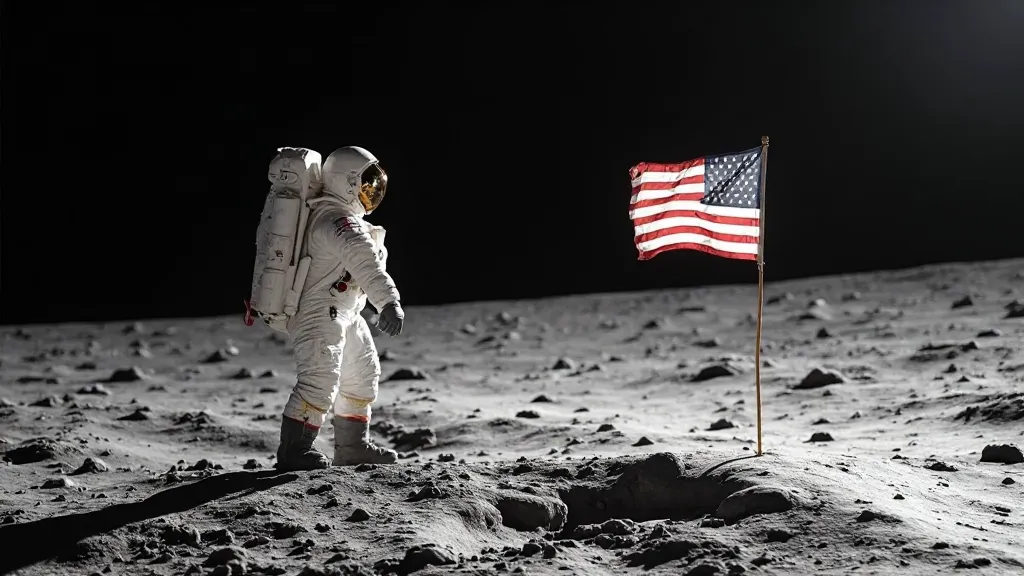
- 1969: Apollo 11 landed on the Moon, with Neil Armstrong taking the first steps.
- 1990: Hubble Space Telescope launched, revolutionizing astronomy with deep-space images.
- 2021: Perseverance Rover landed on Mars, searching for signs of ancient life.
3
Current Missions & Technology
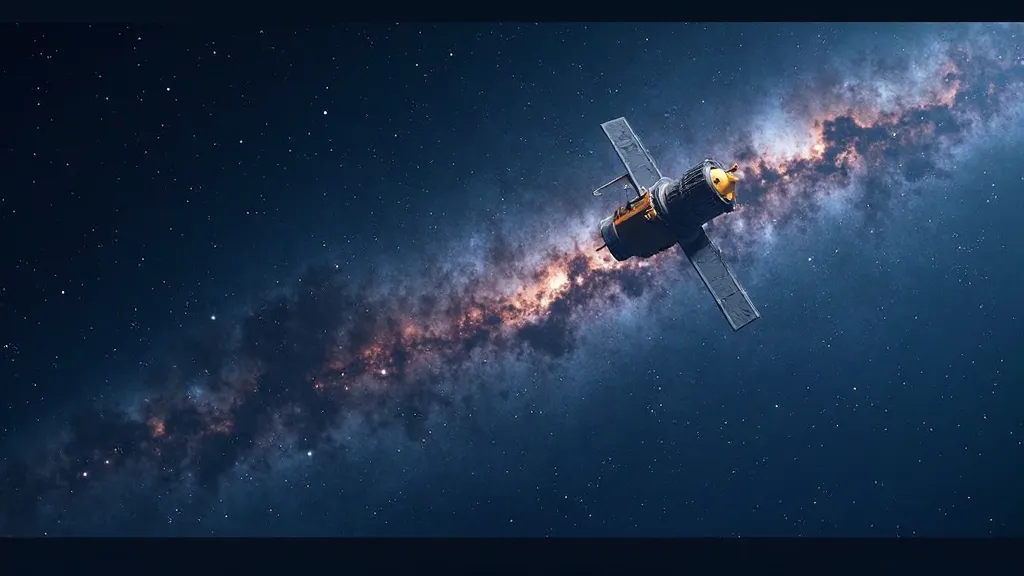
- James Webb Telescope explores distant galaxies, revealing the universe's early formation.
- Artemis Program aims to return humans to the Moon by 2025, including the first woman.
- Private companies like SpaceX and Blue Origin are revolutionizing reusable rocket technology.
- Mars rovers like Curiosity and Perseverance study the planet's geology and climate.
4
Challenges of Space Travel
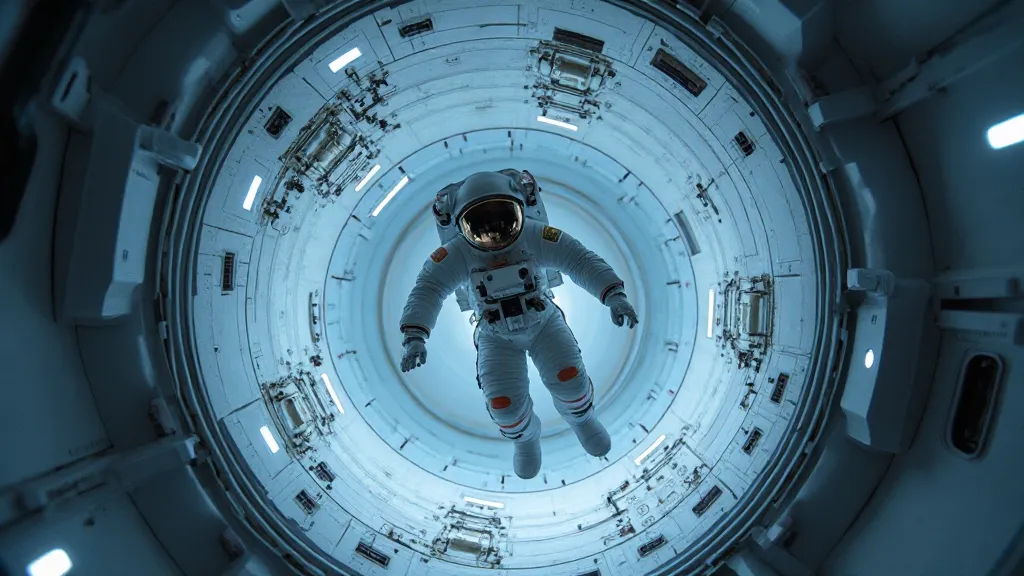
- Microgravity affects human health, causing muscle atrophy and bone loss over time.
- Radiation exposure in space increases cancer risks, requiring advanced shielding solutions.
- Long-duration missions need sustainable life support systems for food, water, and oxygen.
- Cost remains a barrier, with launches averaging $100 million per mission.
5
Future of Space Exploration
- Planned missions include crewed Mars expeditions by the 2030s and lunar bases by 2040.
- New technologies like nuclear propulsion could shorten travel time to distant planets.
- Space tourism is emerging, with companies offering suborbital flights for civilians.
- International collaborations aim to establish sustainable space habitats and colonies.
1 / 5