Understanding COVID-19

📑 10 slides 👁 44 views 📅 1/20/2026
0.0 (0 ratings)

COVID-19 Overview

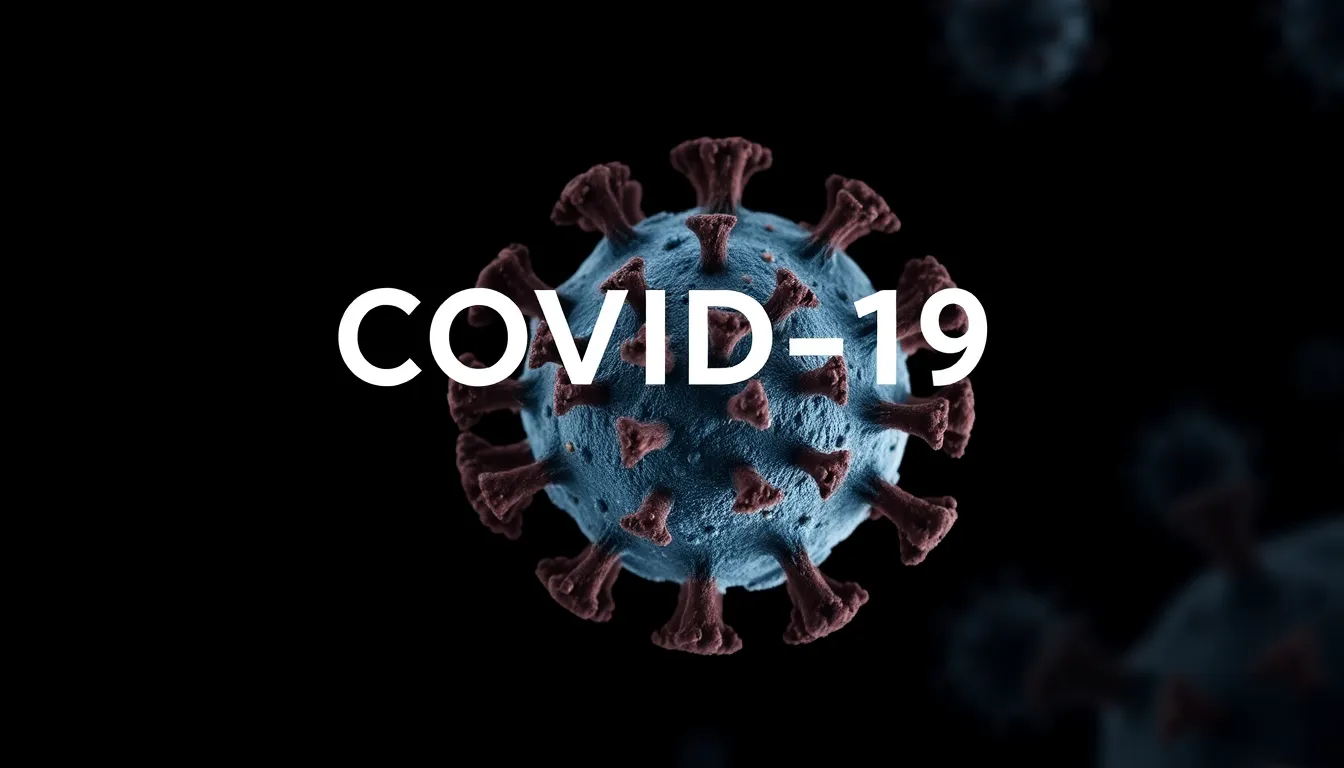
COVID-19 stands for Coronavirus Disease 2019, caused by SARS-CoV-2.

COVID-19 Overview
2

Introduction to COVID-19

  • Caused by SARS-CoV-2, part of the coronavirus family.
  • First identified in December 2019 in Wuhan, China.
  • Ranges from mild illness to severe respiratory problems.
  • Early detection and care can mitigate severe effects.
Introduction to COVID-19
3

What is Coronavirus?

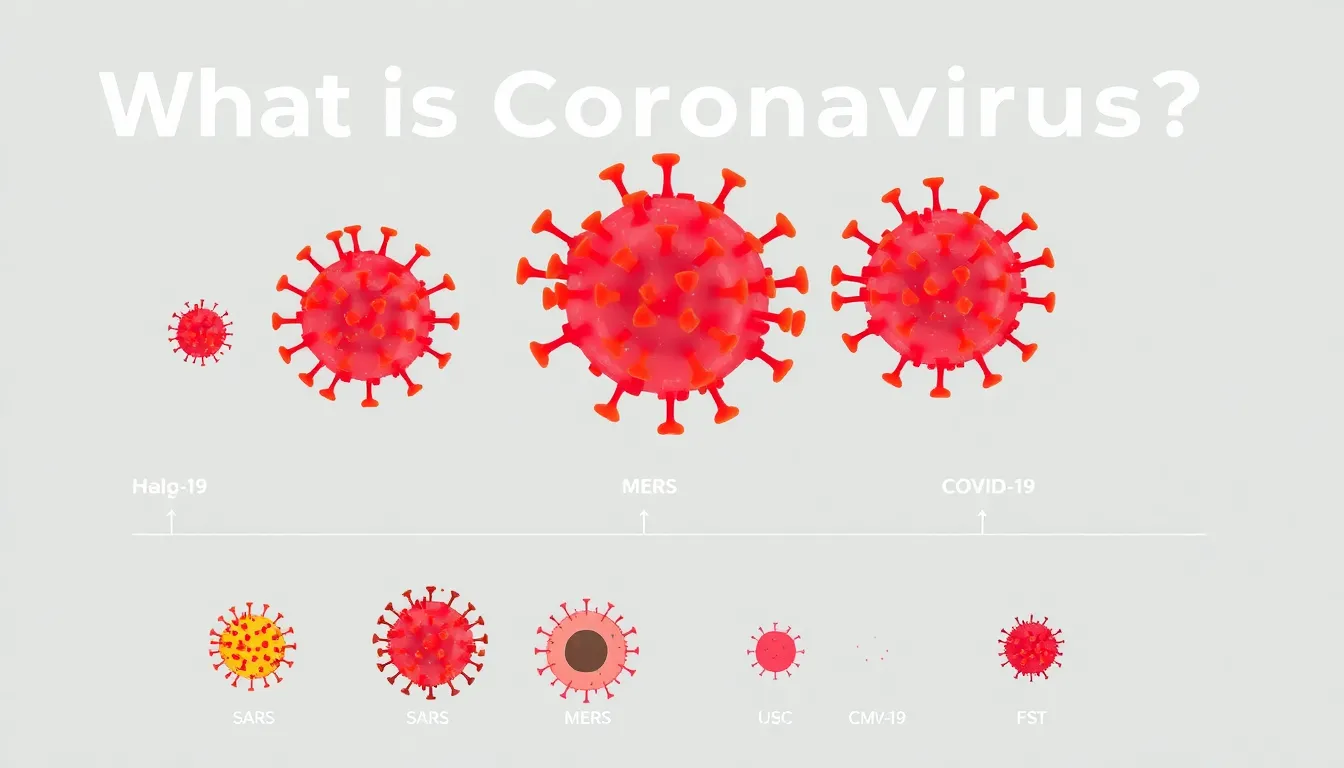
  • Coronaviruses cause respiratory infections in humans and animals.
  • Some cause mild colds; others like SARS, MERS, and COVID-19 are severe.
  • COVID-19 is the most dangerous recent coronavirus variant.
  • Named for crown-like spikes visible under a microscope.
What is Coronavirus?
4

How COVID-19 Spreads

  • Primarily spreads via respiratory droplets from coughs or sneezes.
  • Close contact, talking without masks, and touching surfaces increase risk.
  • Crowded, poorly ventilated areas accelerate transmission.
  • Maintaining clean environments helps reduce spread.
How COVID-19 Spreads
5

Common Symptoms

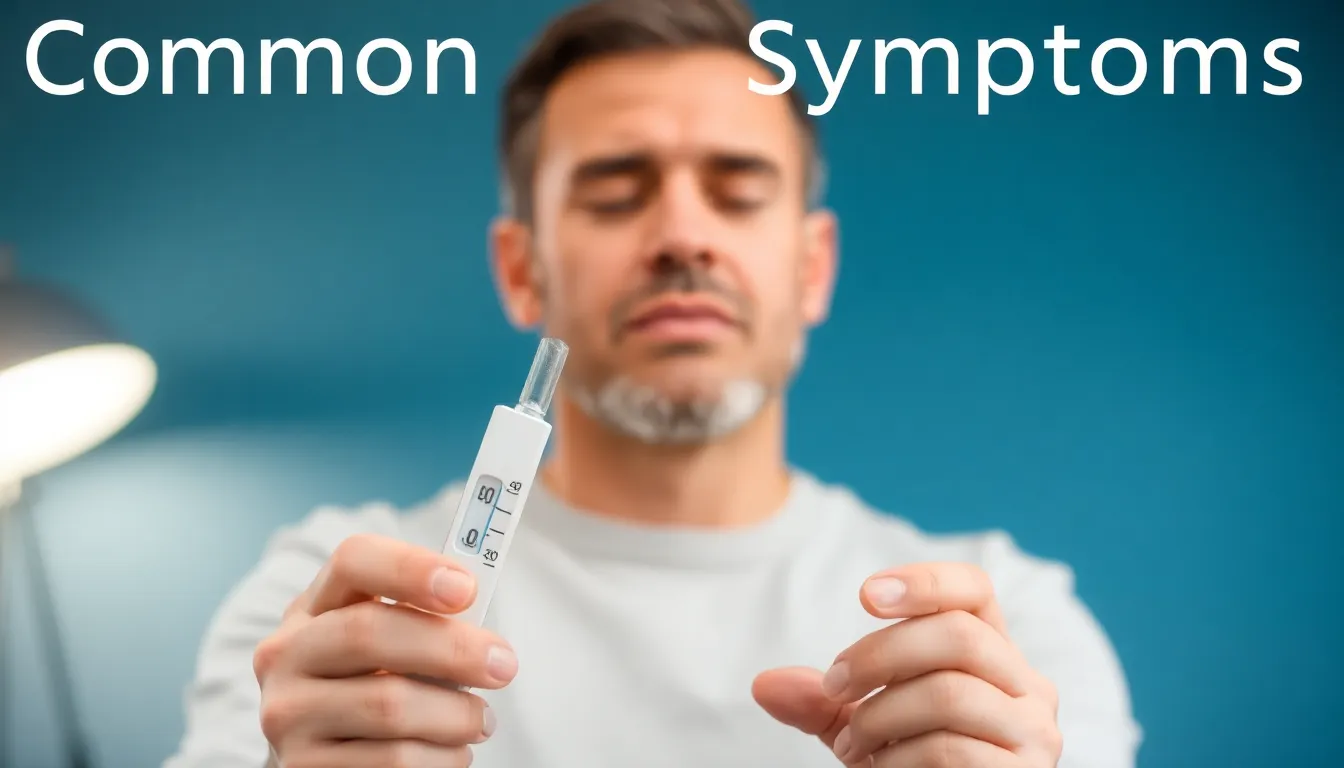
  • Fever, dry cough, and fatigue are most common symptoms.
  • Loss of taste or smell is a distinctive COVID-19 symptom.
  • Sore throat, headache, and body pain may also occur.
  • Symptoms can appear 2-14 days after exposure.
Common Symptoms
6

Prevention Measures

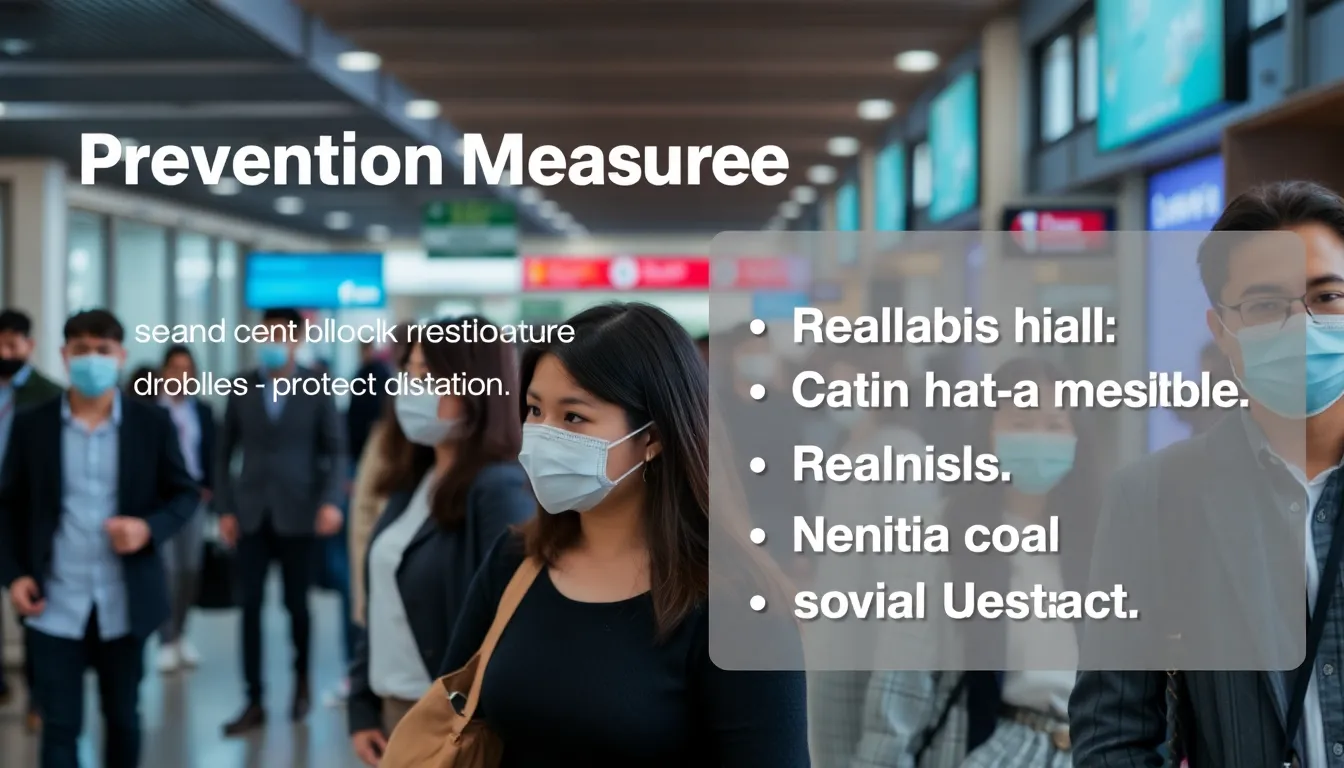
  • Wear masks to block respiratory droplets and protect others.
  • Regular handwashing with soap or sanitizer kills the virus.
  • Maintain social distancing and avoid crowded places.
  • Vaccination significantly reduces severe illness risk.
Prevention Measures
7

Vaccination Importance

  • Vaccines train the immune system to fight COVID-19 effectively.
  • Reduce severe cases, hospitalizations, and deaths significantly.
  • Approved by global health authorities as safe and effective.
  • Boosters enhance immunity and protect against variants.
Vaccination Importance
8

Impact on Society

  • Disrupted global economies, healthcare, and education systems.
  • Increased remote work and online learning adoption.
  • Highlighted inequalities in healthcare access worldwide.
  • Strengthened global cooperation in scientific research.
Impact on Society
9

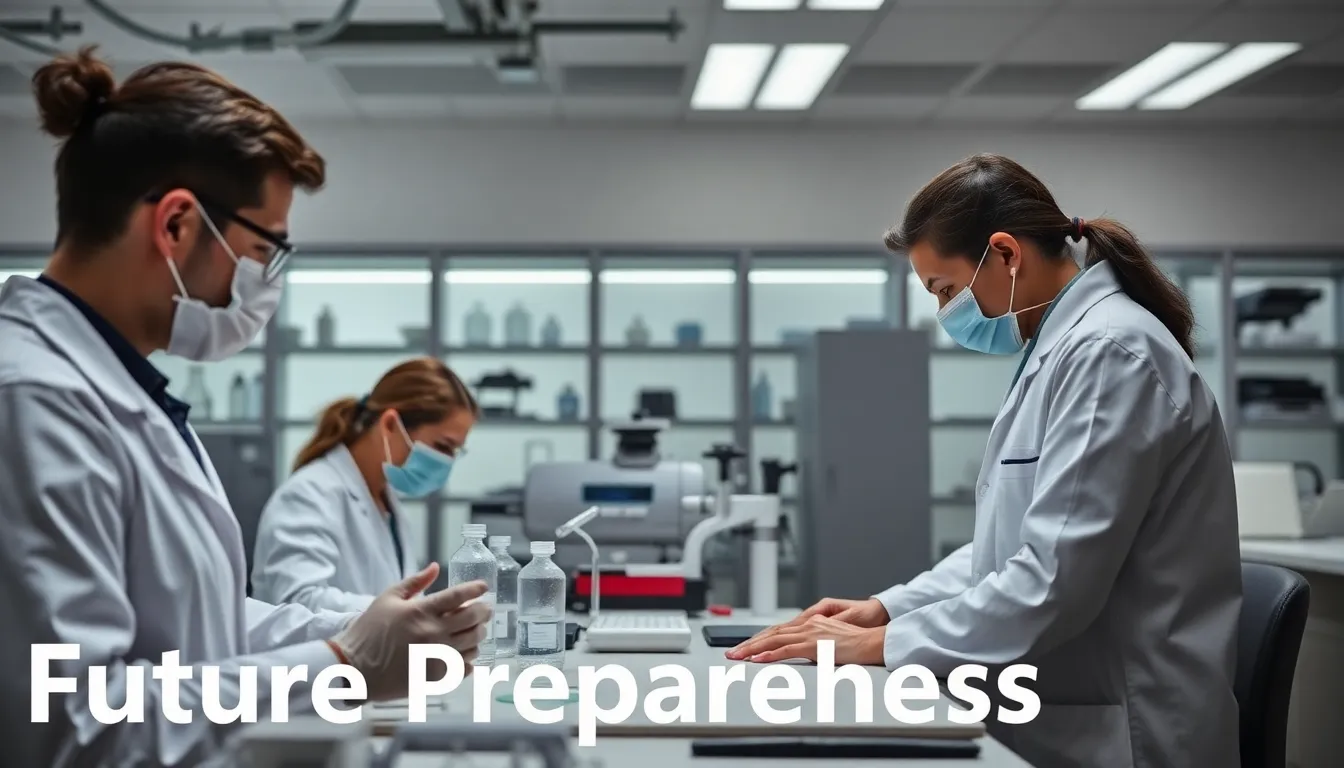
Future Preparedness

  • Invest in public health infrastructure and early warning systems.
  • Promote global vaccine equity to combat future variants.
  • Encourage hygiene practices and pandemic preparedness plans.
  • Strengthen international collaboration for swift responses.
Future Preparedness
10

Conclusion

  • COVID-19 remains a critical global health challenge.
  • Prevention, vaccination, and hygiene are key to control.
  • Community cooperation and awareness save lives.
  • Lessons learned will help tackle future pandemics better.
Conclusion
1 / 10