Introduction to Siva
📑 5 slides
👁 14 views
📅 4/10/2026
Who is Siva?
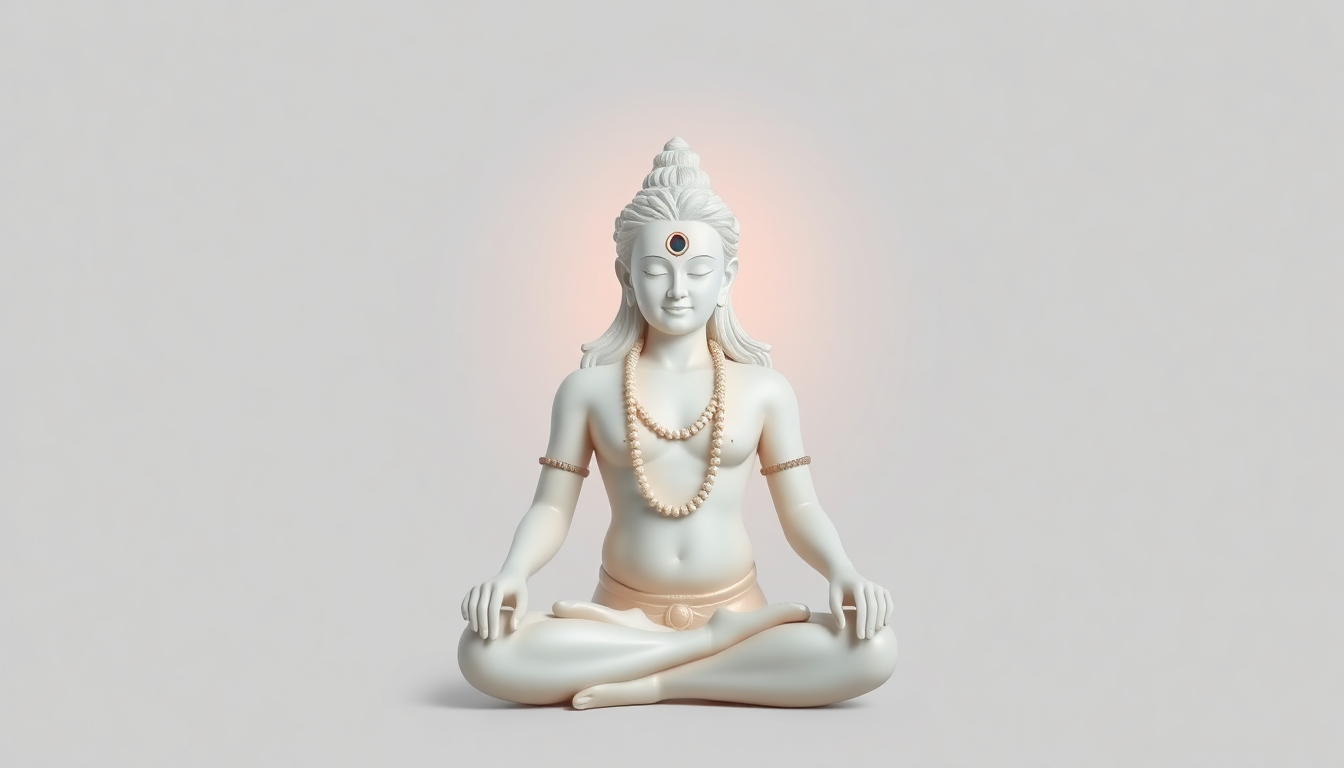
Siva is one of the principal deities in Hinduism, part of the Trimurti with Brahma and Vishnu.
2
Symbols of Siva
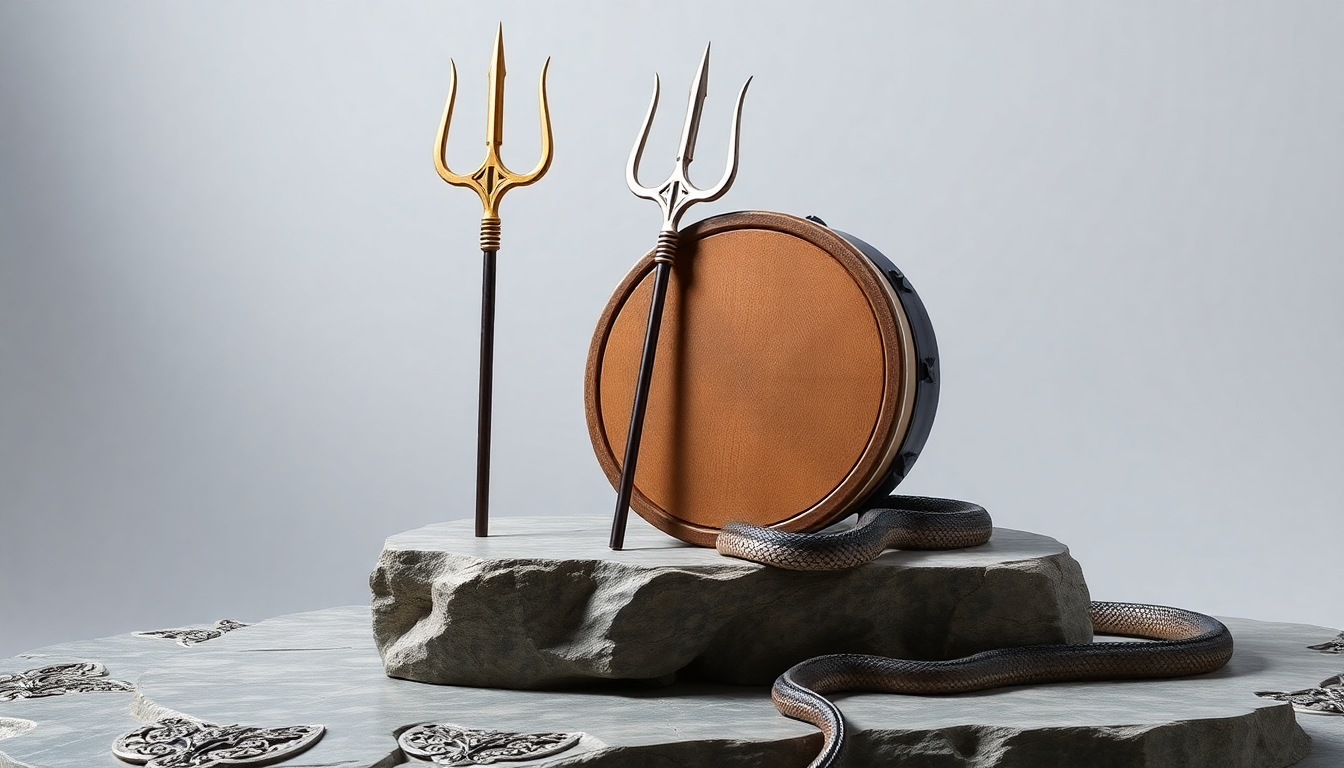
- The trident (Trishul) represents Siva's three powers: will, action, and knowledge.
- The damaru (drum) symbolizes the sound of creation and the rhythm of the universe.
- The serpent around his neck signifies control over fear and death.
- The crescent moon represents the cyclical nature of time and the mind's control.
3
Siva in Hindu Mythology
- Siva is central to many myths, including the churning of the ocean (Samudra Manthan).
- He drank the poison Halahala to save the universe, turning his throat blue (Neelakantha).
- The story of Siva and Parvati illustrates divine love and marital harmony.
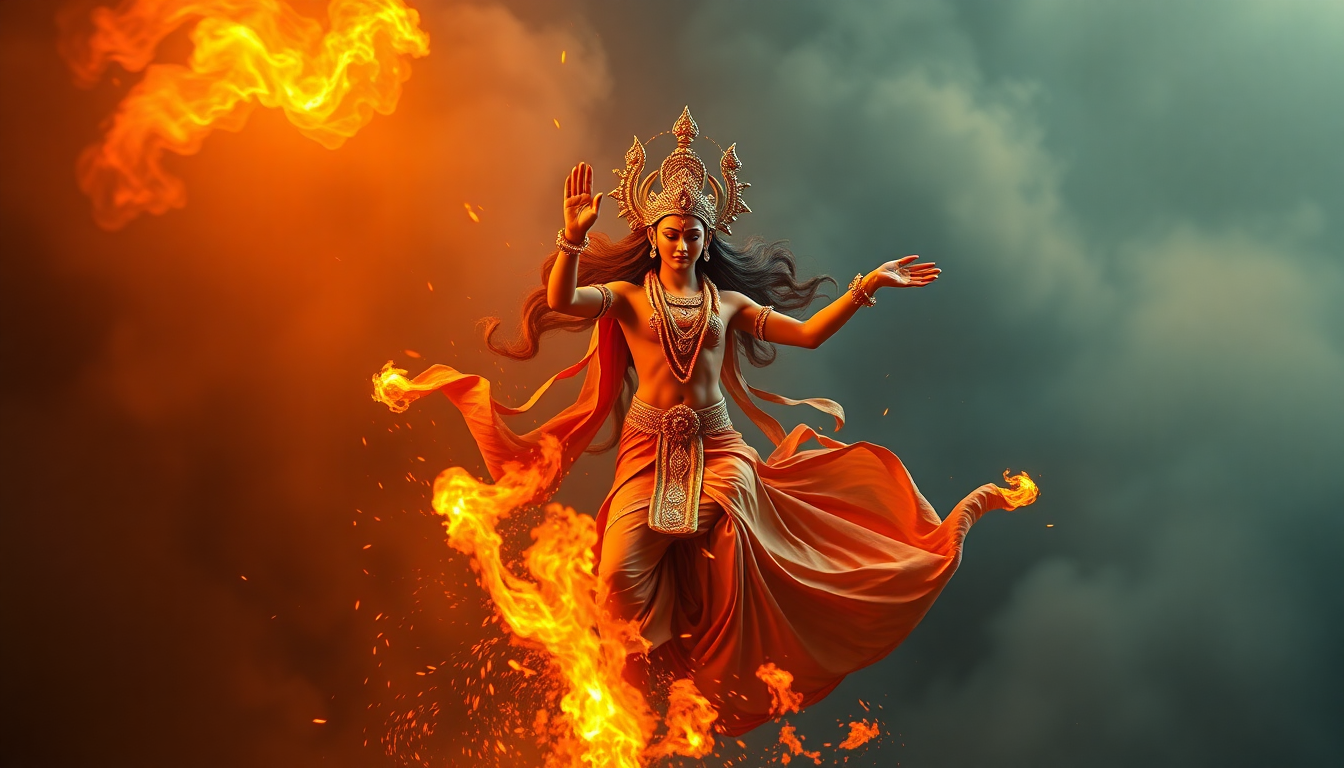
- Siva's cosmic dance (Tandava) symbolizes the eternal cycle of creation and destruction.
4
Worship and Festivals
- Mahashivaratri is the most significant festival dedicated to Siva, celebrated with fasting and prayers.
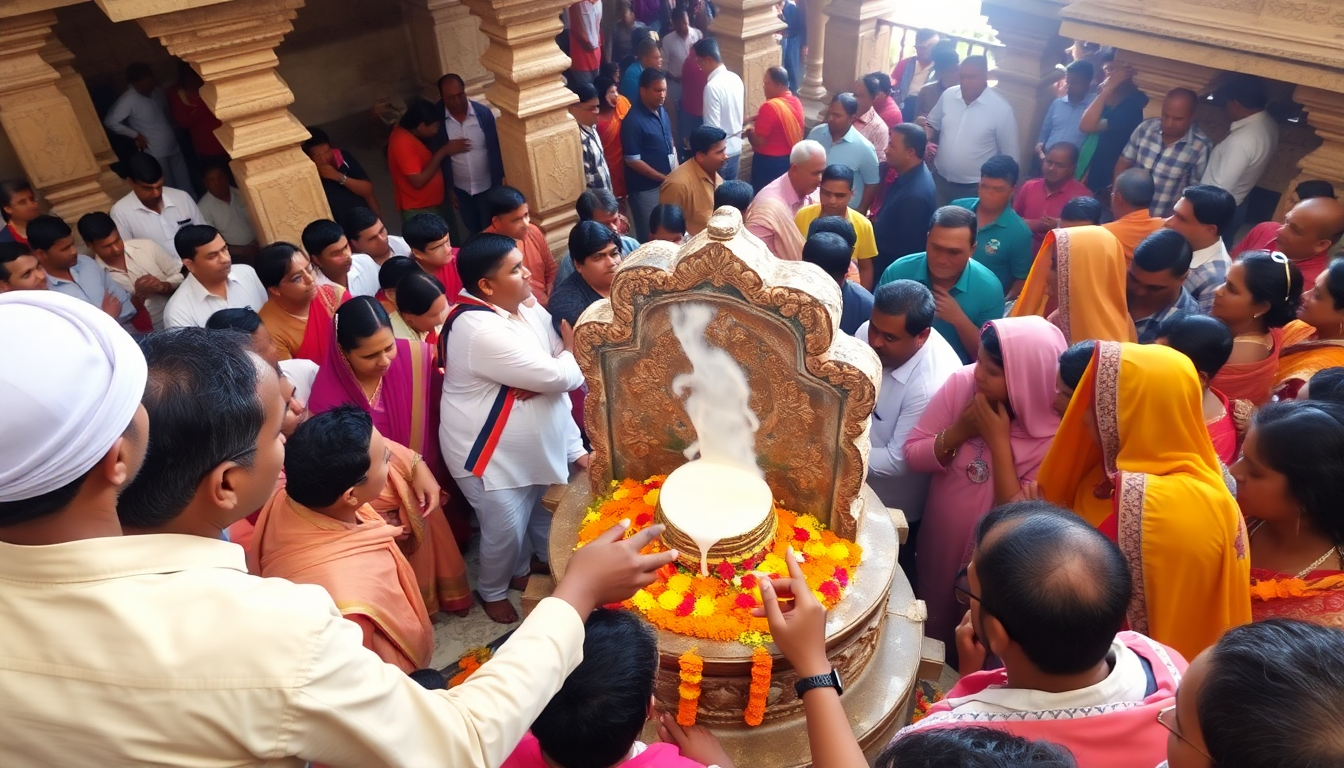
- Devotees offer milk, bilva leaves, and water to the Shiva Lingam as a form of worship.
- Siva temples, like Kashi Vishwanath and Amarnath, are major pilgrimage sites.
- Chanting 'Om Namah Shivaya' is a popular devotional practice among followers.
5
Conclusion: Siva's Significance
- Siva embodies the balance of destruction and renewal, essential for cosmic harmony.
- His teachings emphasize meditation, detachment, and the pursuit of spiritual knowledge.
- Worship of Siva fosters inner peace, discipline, and connection to the divine.
- Siva remains a timeless symbol of transformation and transcendence in Hinduism.
1 / 5