Roman Engineering: Utility Over Aesthetics

📑 10 slides 👁 43 views 📅 1/24/2026
0.0 (0 ratings)

Introduction: Roman vs. Greek Priorities

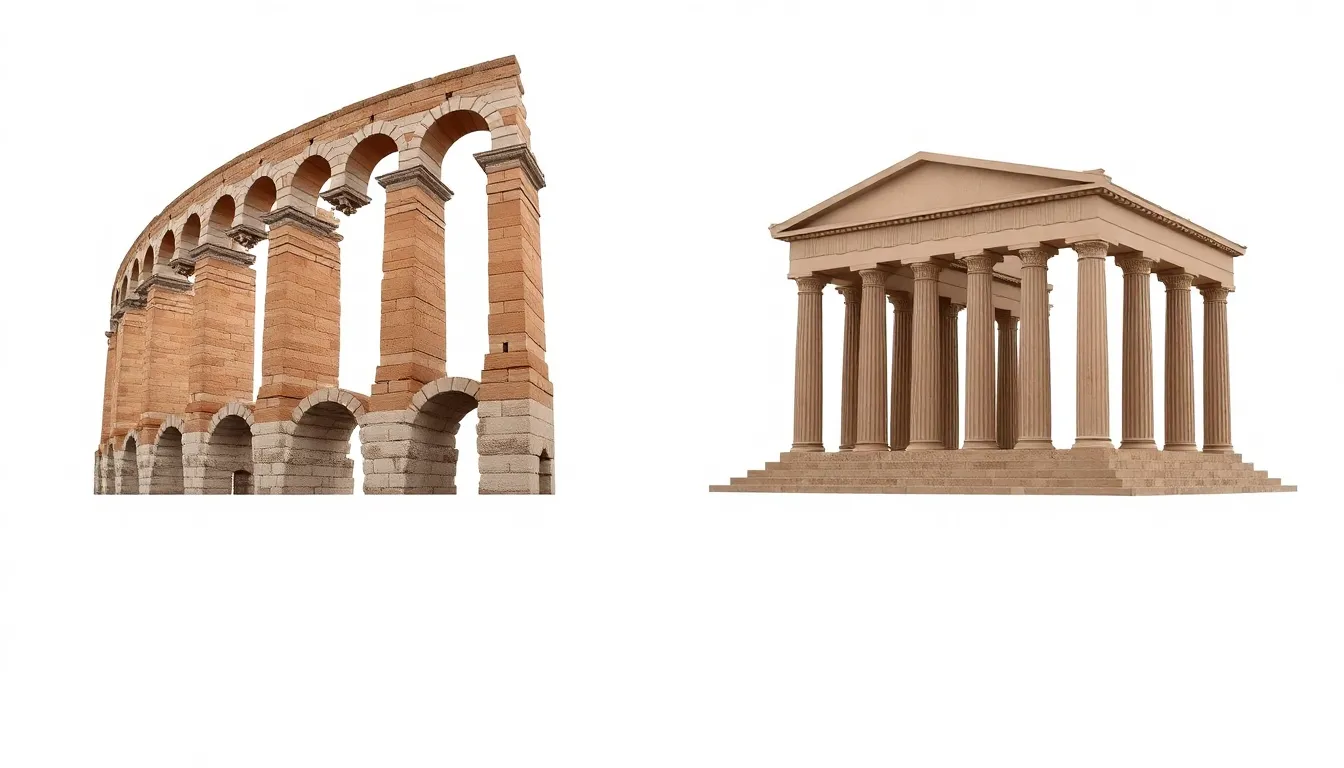
Roman engineering focused on utility, durability, and expansion.

Introduction: Roman vs. Greek Priorities
2

The Arch: Roman Engineering's Backbone

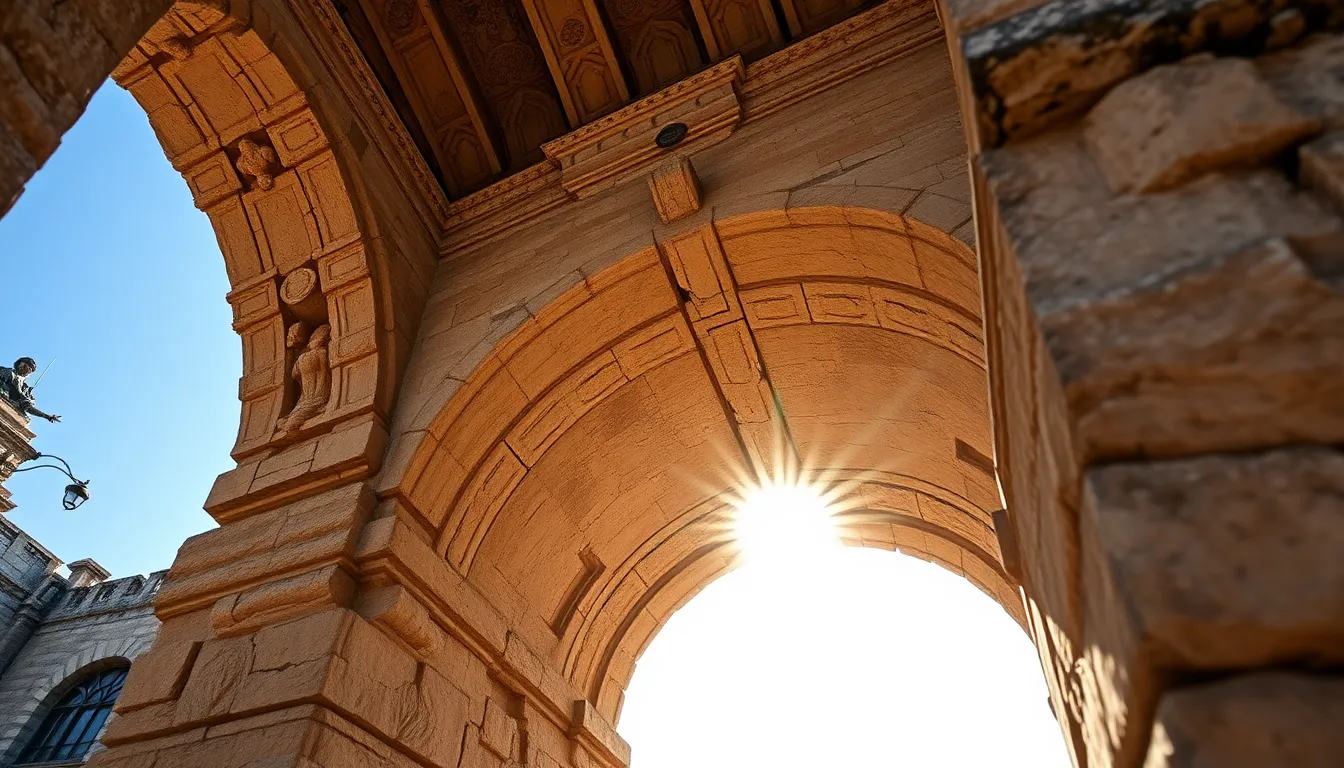
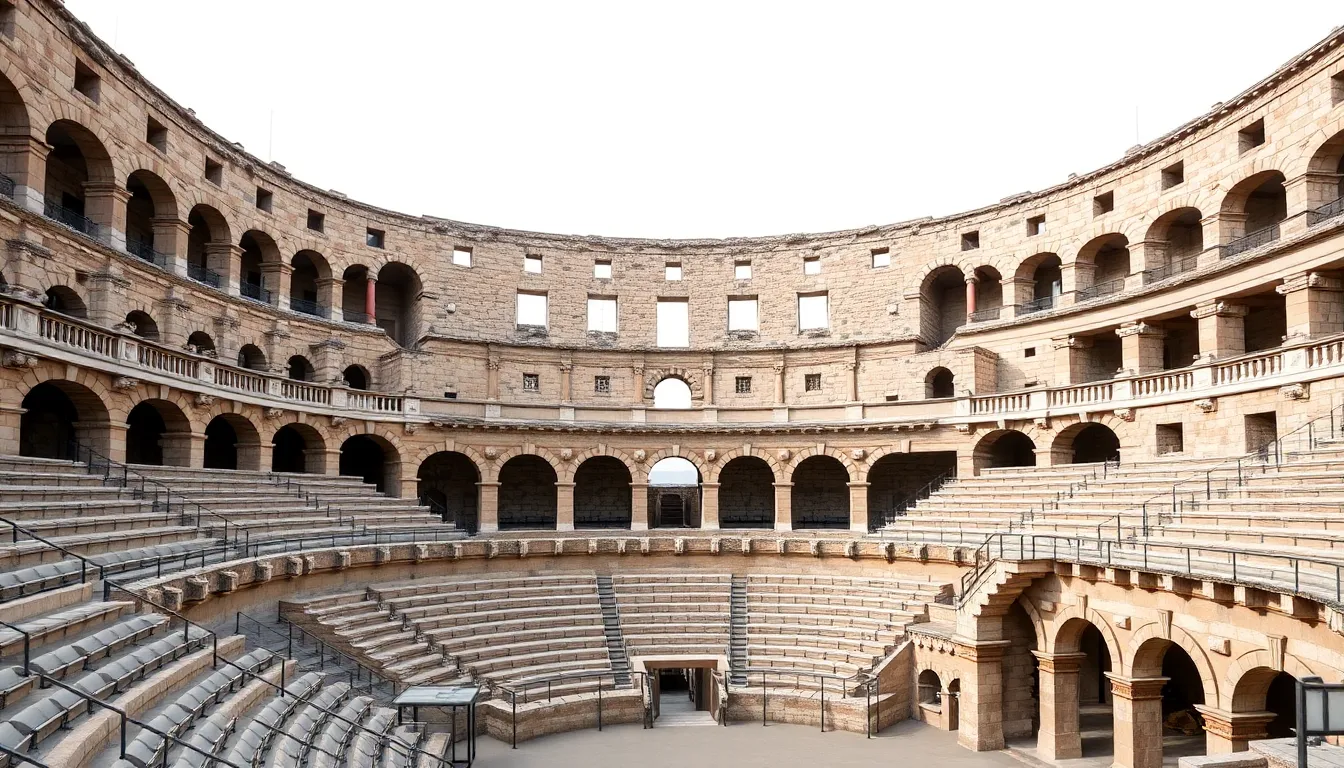
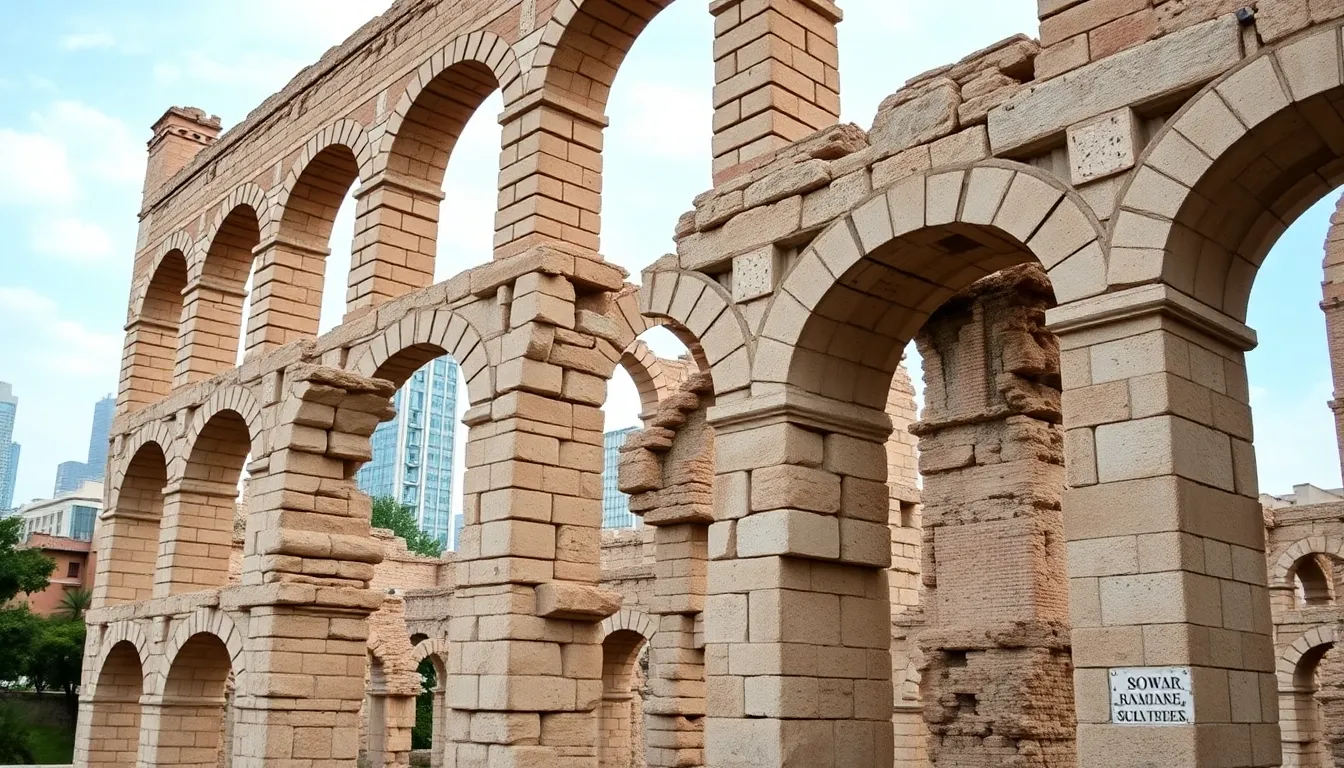
  • Roman arches distributed weight efficiently, enabling larger structures.
  • Used in bridges, aqueducts, and monumental buildings like the Colosseum.
  • Stronger than Greek post-and-lintel systems, allowing taller constructions.
The Arch: Roman Engineering's Backbone
3

Aqueducts: Engineering for Expansion

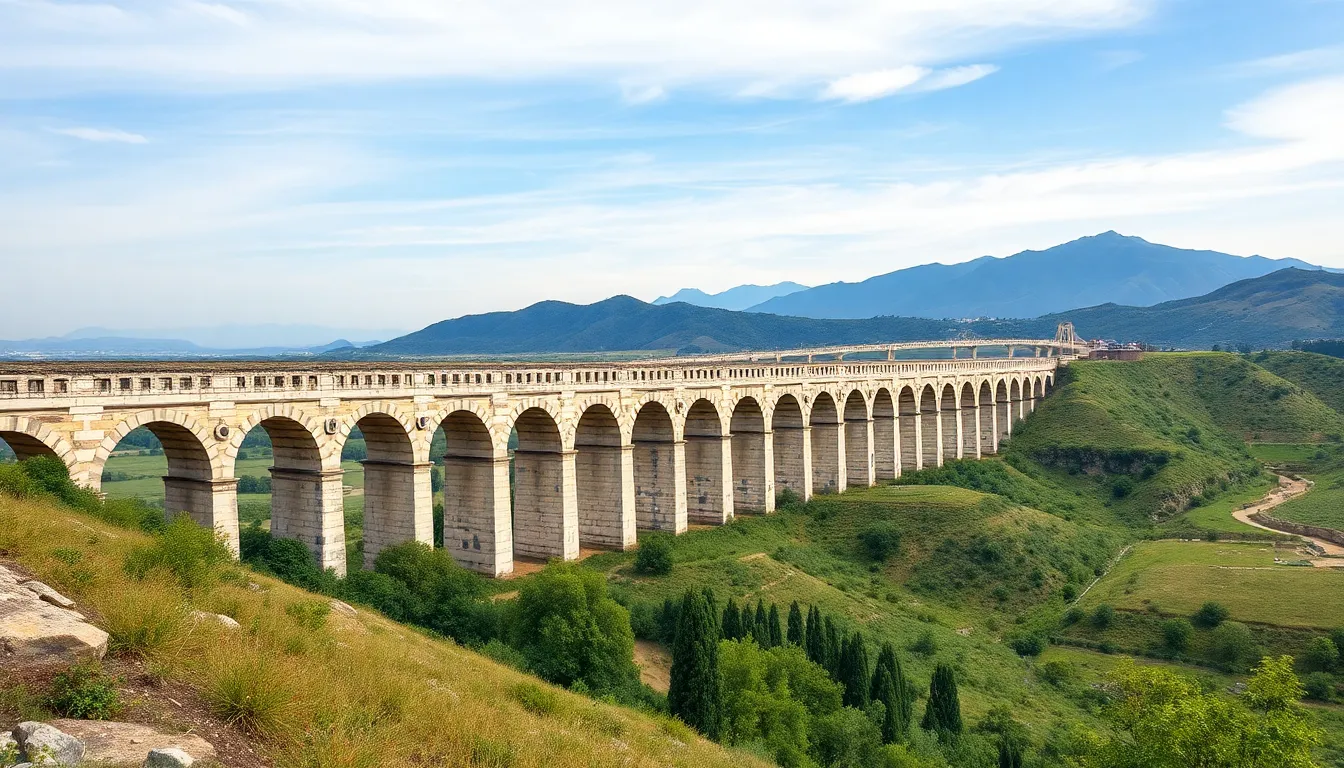
  • Over 11 aqueducts supplied Rome with 1 million m³ of water daily.
  • Gravity-driven systems extended over 50 km, showcasing Roman precision.
  • Enabled urban growth and public baths, central to Roman social life.
Aqueducts: Engineering for Expansion
4

Concrete: The Unsung Hero

  • Roman concrete (opus caementicium) hardened underwater, perfect for harbors.
  • Cheaper and faster than Greek marble, accelerating imperial construction.
  • Pantheon's dome (43m) still stands as the world's largest unreinforced concrete dome.
Concrete: The Unsung Hero
5

Road Network: Arteries of Empire

  • 80,000 km of roads connected provinces, some still in use today.
  • Layered construction (statumen, rudus, nucleus, summa crusta) ensured durability.
  • Enabled rapid troop movements (30-40 km/day) and trade across continents.
Road Network: Arteries of Empire
6

Urban Planning: Grids for Efficiency

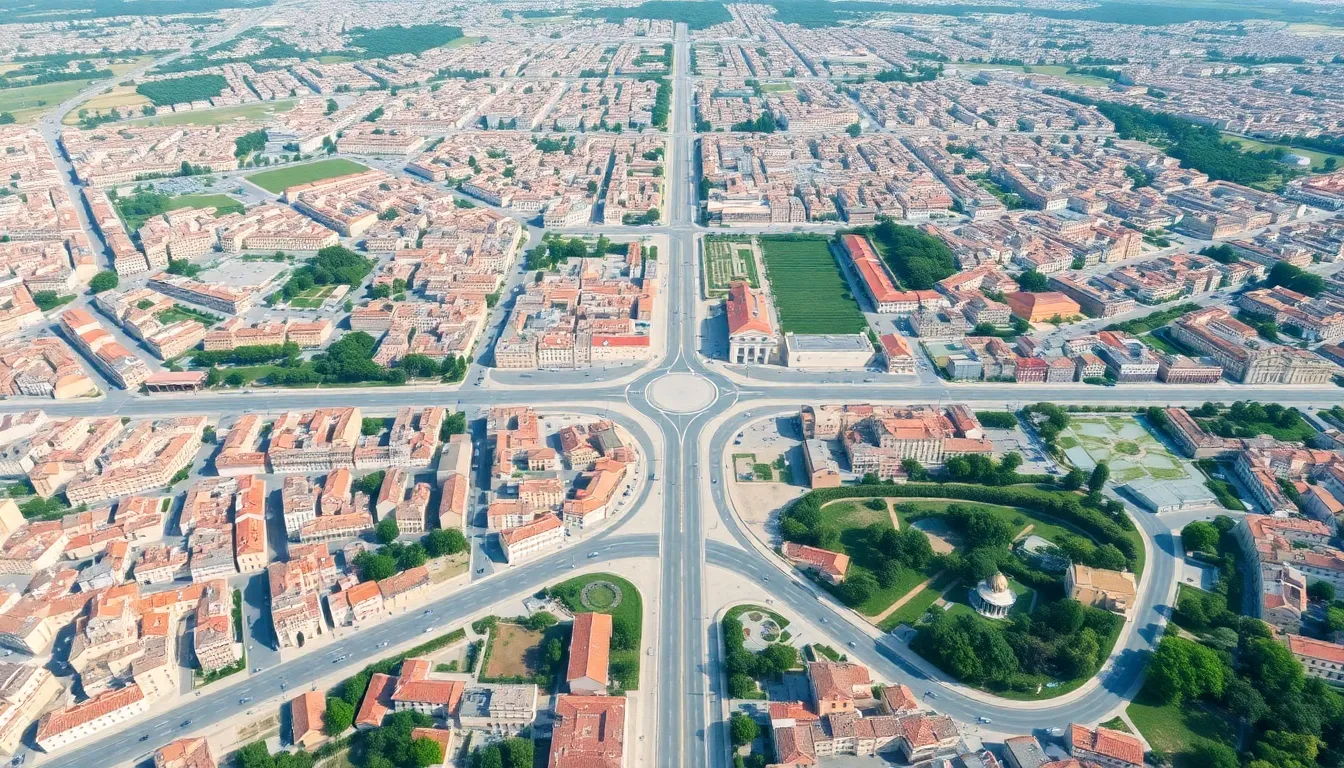
  • Castrum-inspired grid layouts standardized new colonial cities.
  • Cardo/decumanus streets prioritized military logistics over organic Greek designs.
  • Public forums placed strategically, unlike Greek's theatrical hilltop placements.
Urban Planning: Grids for Efficiency
7

Military Engineering: Conquest Tools

  • Siege engines like ballistae (500m range) outclassed Greek designs.
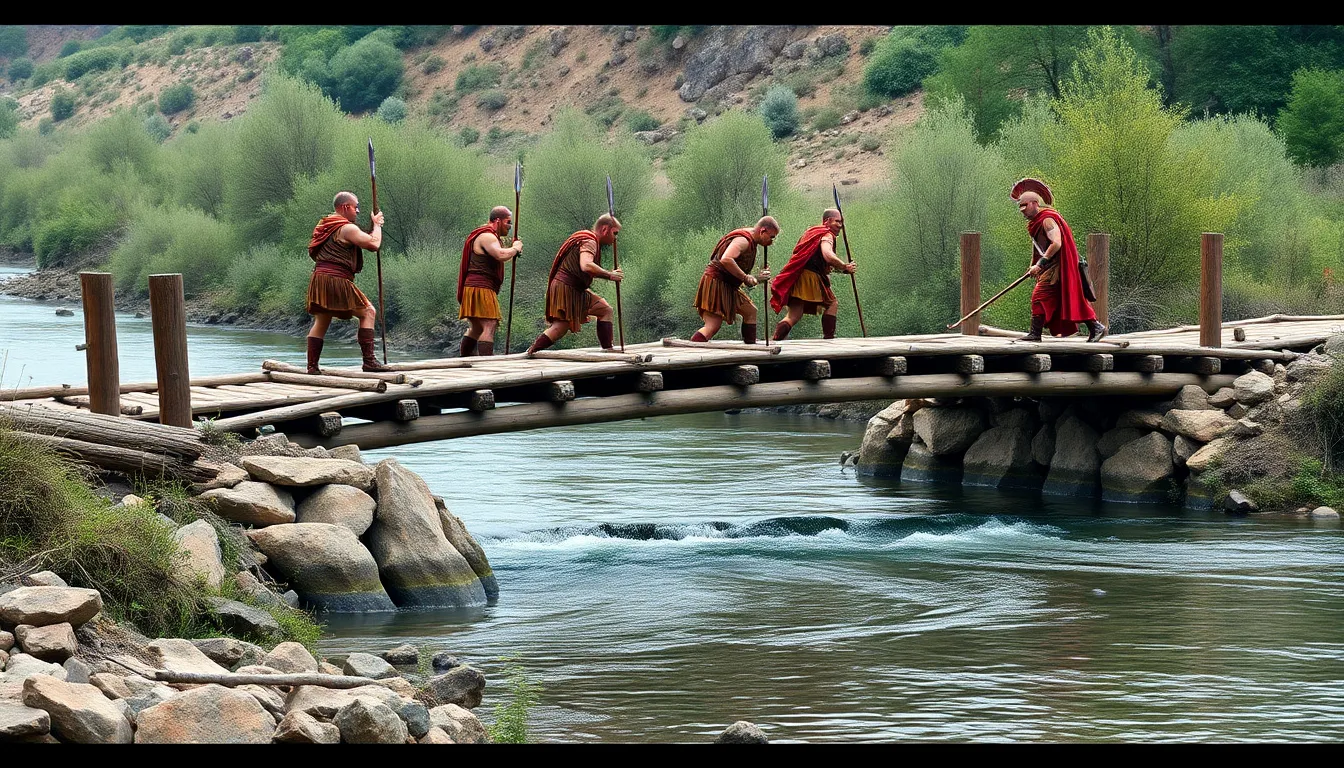
  • Prefabricated pontoon bridges crossed Rhine in 10 days (55 BC).
  • Fortresses used standardized designs from Britain to Syria.
Military Engineering: Conquest Tools
8

Greek Influences: Modified for Utility

  • Adopted Greek columns but made them decorative rather than structural.
  • Theaters built level (not hillside) with concrete vaulting for better acoustics.
  • Combined Greek aesthetics with Roman scale in monuments like the Theater of Marcellus.
Greek Influences: Modified for Utility
9

Legacy: Engineering Over Art

  • 4th-century Rome had 28 libraries, 11 baths, and 19 aqueducts - prioritizing public works.
  • Medieval Europe reused Roman roads and aqueducts for centuries.
  • Modern civil engineering adopts Roman principles of durability and standardization.
Legacy: Engineering Over Art
10

Conclusion: Empire Built on Utility

  • Roman engineering solved practical problems of governance and expansion.
  • Lasting infrastructure (roads, concrete, arches) shaped Western engineering.
  • Proved that functionality could create its own monumental beauty.
Conclusion: Empire Built on Utility
1 / 10