Renewable Energy: A Sustainable Future

📑 5 slides 👁 20 views 📅 3/31/2026
0.0 (0 ratings)

Introduction to Renewable Energy

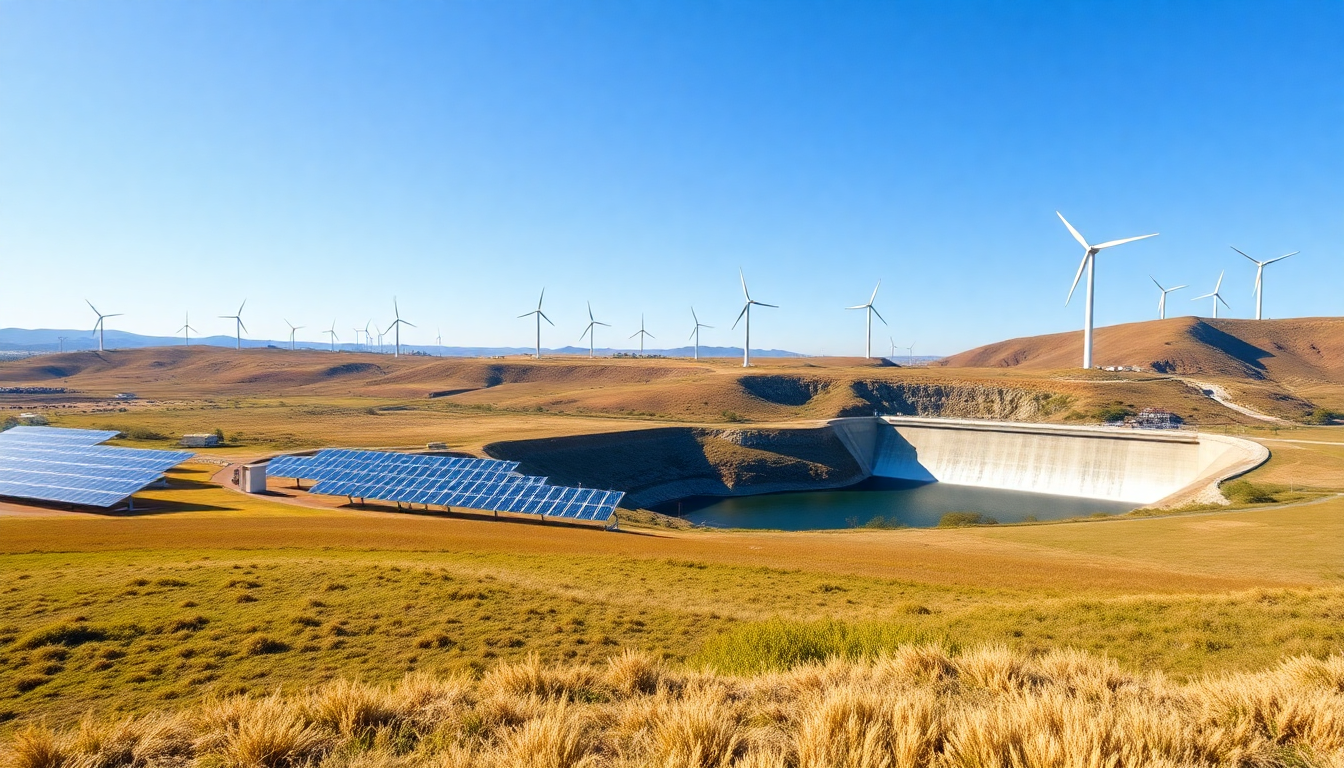
Renewable energy comes from natural sources like sunlight, wind, and water.

Introduction to Renewable Energy
2

Solar Power: Harnessing Sunlight

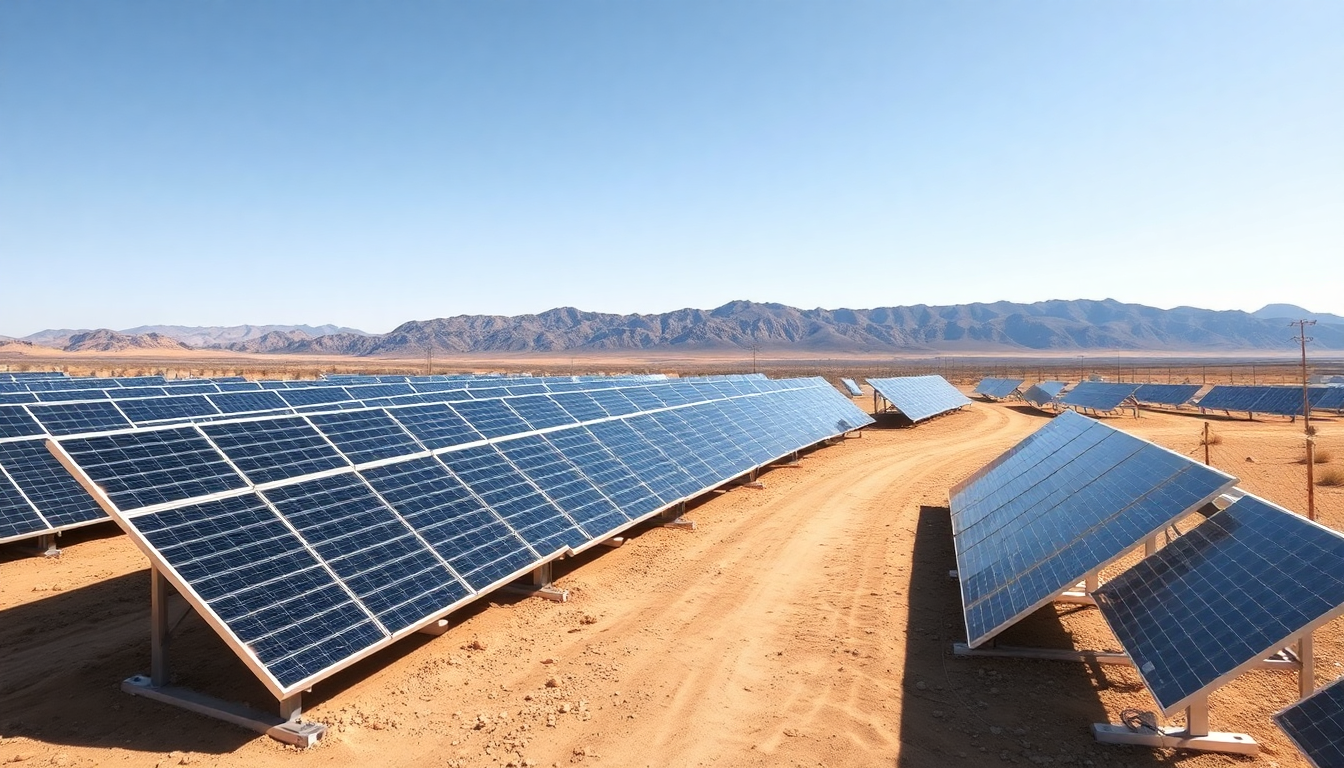
  • Solar panels convert sunlight into electricity using photovoltaic cells.
  • Global solar capacity reached 1,000 GW in 2022, powering millions of homes.
  • Advantages: Abundant source, low operating costs after installation.
  • Challenges: Intermittent supply and need for energy storage solutions.
Solar Power: Harnessing Sunlight
3

Wind Energy: Power from the Air

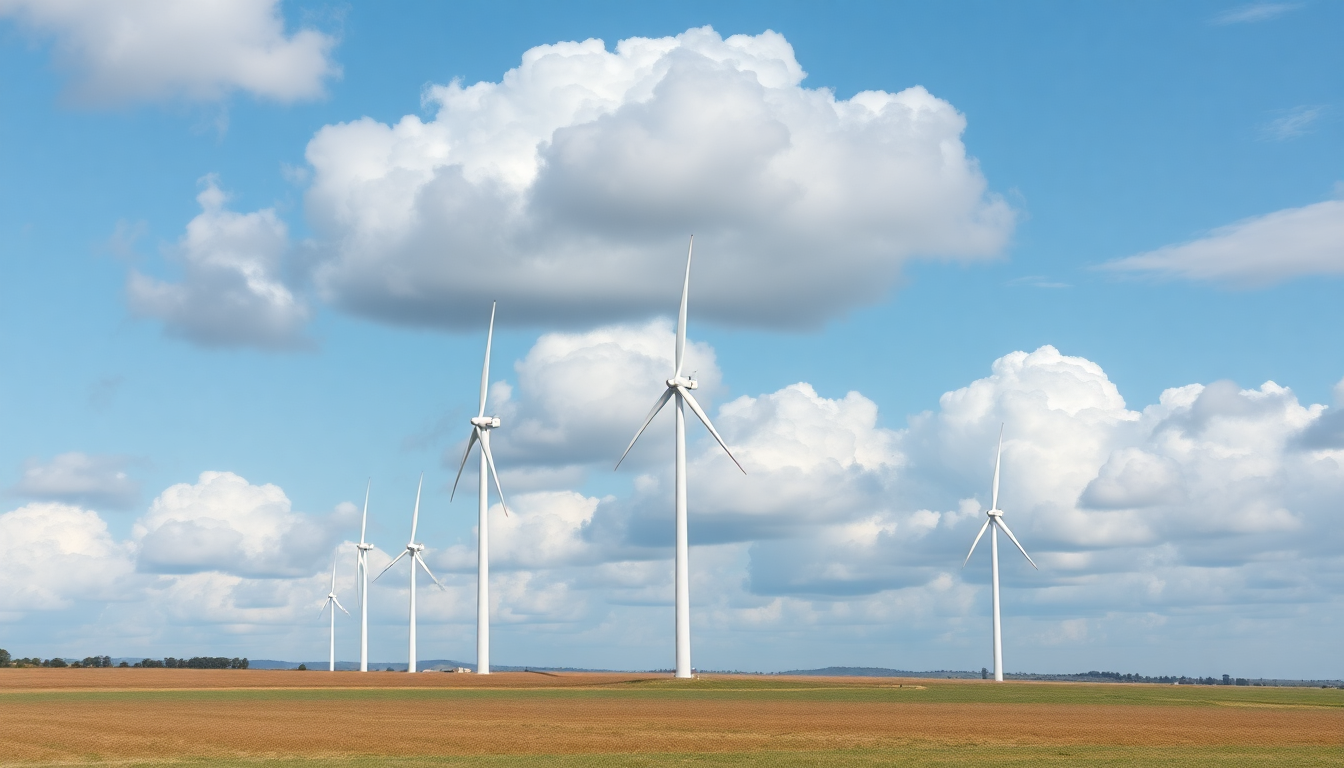
  • Wind turbines convert kinetic energy from wind into electricity.
  • Offshore wind farms can generate 50% more energy than onshore ones.
  • Global wind capacity exceeded 900 GW by the end of 2023.
  • Benefits: No fuel costs and minimal environmental impact when operating.
Wind Energy: Power from the Air
4

Hydropower: Energy from Water

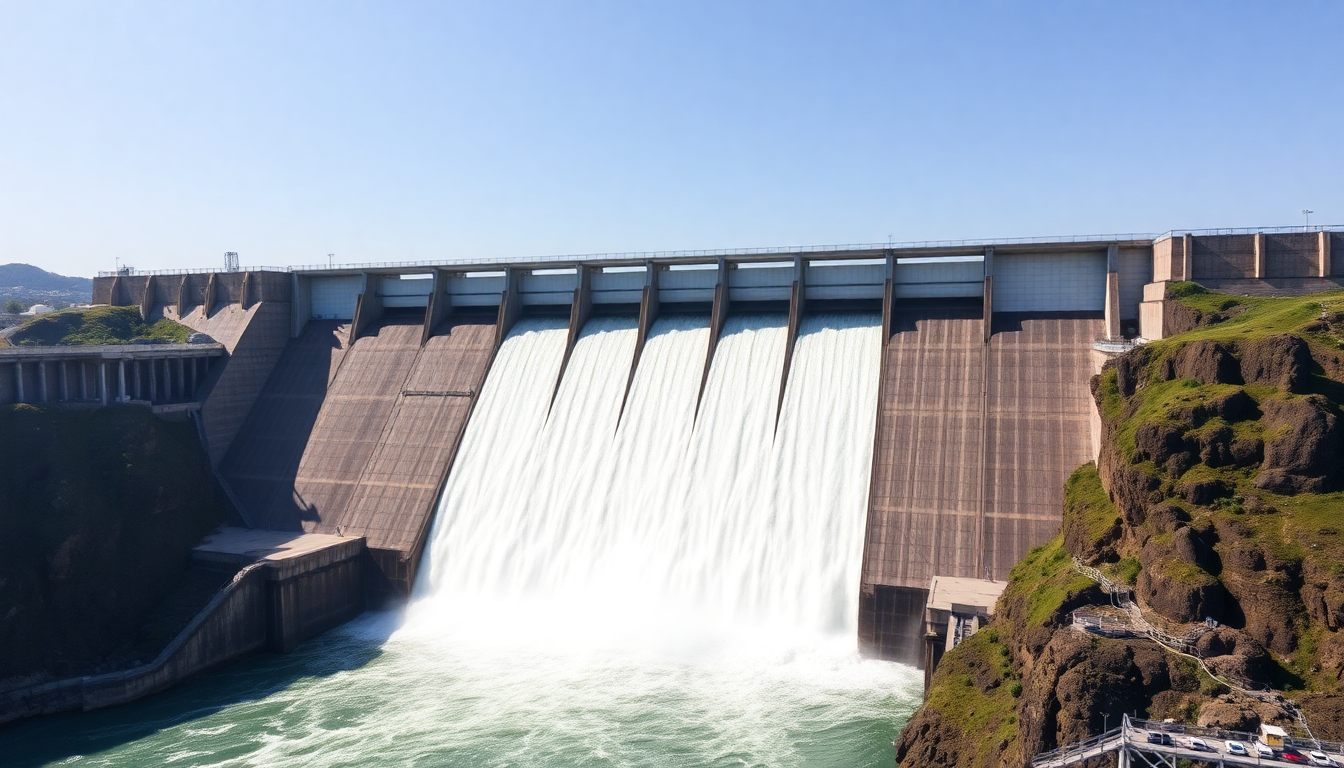
  • Hydropower is the largest renewable energy source worldwide.
  • Provides about 16% of global electricity, with China leading in production.
  • Pumped-storage plants act as giant batteries for energy grids.
  • Considerations: Can impact local ecosystems and require large investments.
Hydropower: Energy from Water
5

The Future of Renewable Energy

  • Renewables expected to provide 50% of global electricity by 2030.
  • Key challenges: Grid integration, storage, and consistent policy support.
  • Emerging technologies: Floating solar, green hydrogen, and advanced biofuels.
  • Transition requires global cooperation and continued technological innovation.
The Future of Renewable Energy
1 / 5