Properties of Air

📑 10 slides 👁 37 views 📅 1/28/2026
0.0 (0 ratings)

Introduction to Air

Air is a mixture of gases essential for life on Earth.

Introduction to Air
2

Composition of Air

  • 78% nitrogen, 21% oxygen, 1% other gases.
  • Trace gases include argon, carbon dioxide, and neon.
  • Water vapor varies from 0-4% depending on humidity.
  • Pollutants and aerosols can alter natural composition.
Composition of Air
3

Water Vapor in Air

  • Evaporation from oceans, lakes, and plants adds water vapor.
  • Condensation forms clouds and precipitation.
  • Humidity measures water vapor content in air.
  • Water vapor is a greenhouse gas affecting climate.
Water Vapor in Air
4

Natural Gas Release

  • Volcanoes release sulfur dioxide and carbon dioxide.
  • Plants emit oxygen through photosynthesis.
  • Decaying organic matter releases methane and CO2.
  • Forest fires add carbon monoxide and particulates.
Natural Gas Release
5

Human-Caused Gas Release

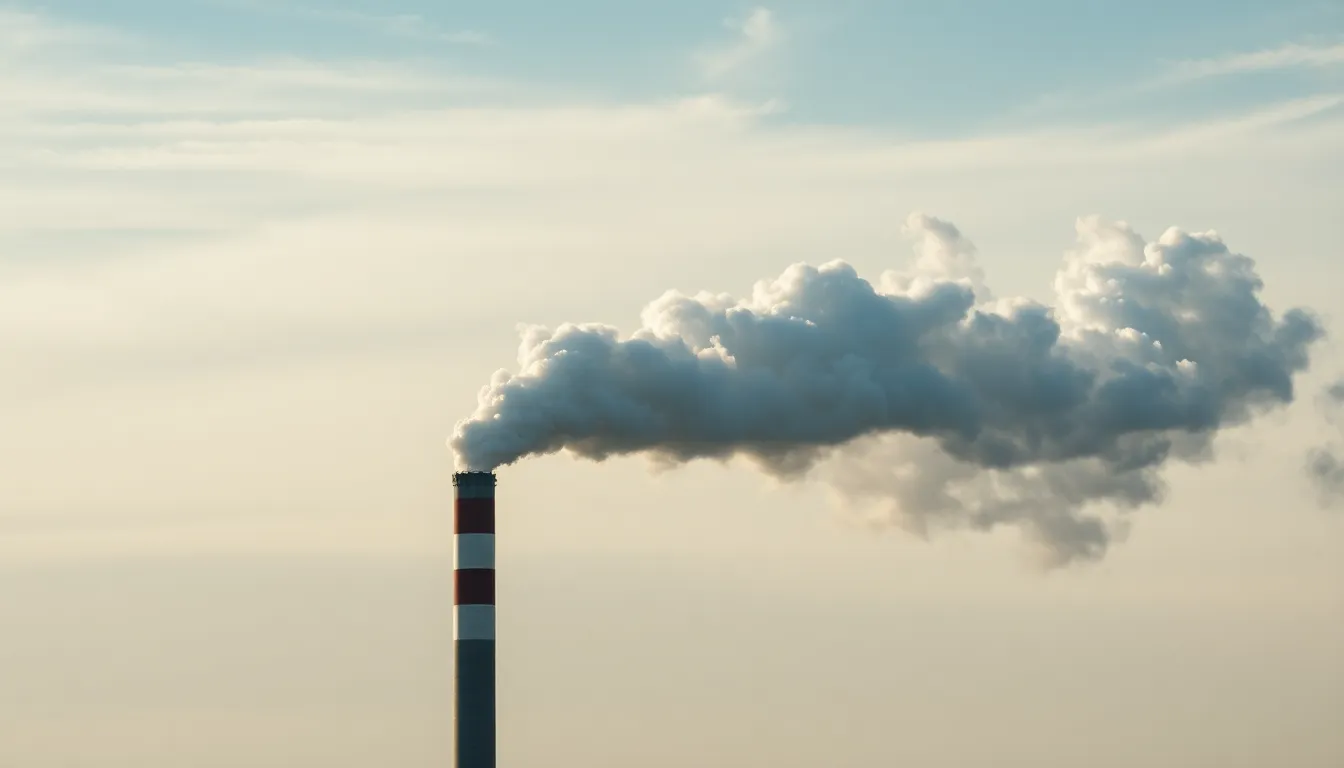
  • Burning fossil fuels emits CO2, NOx, and SO2.
  • Industrial processes release volatile organic compounds.
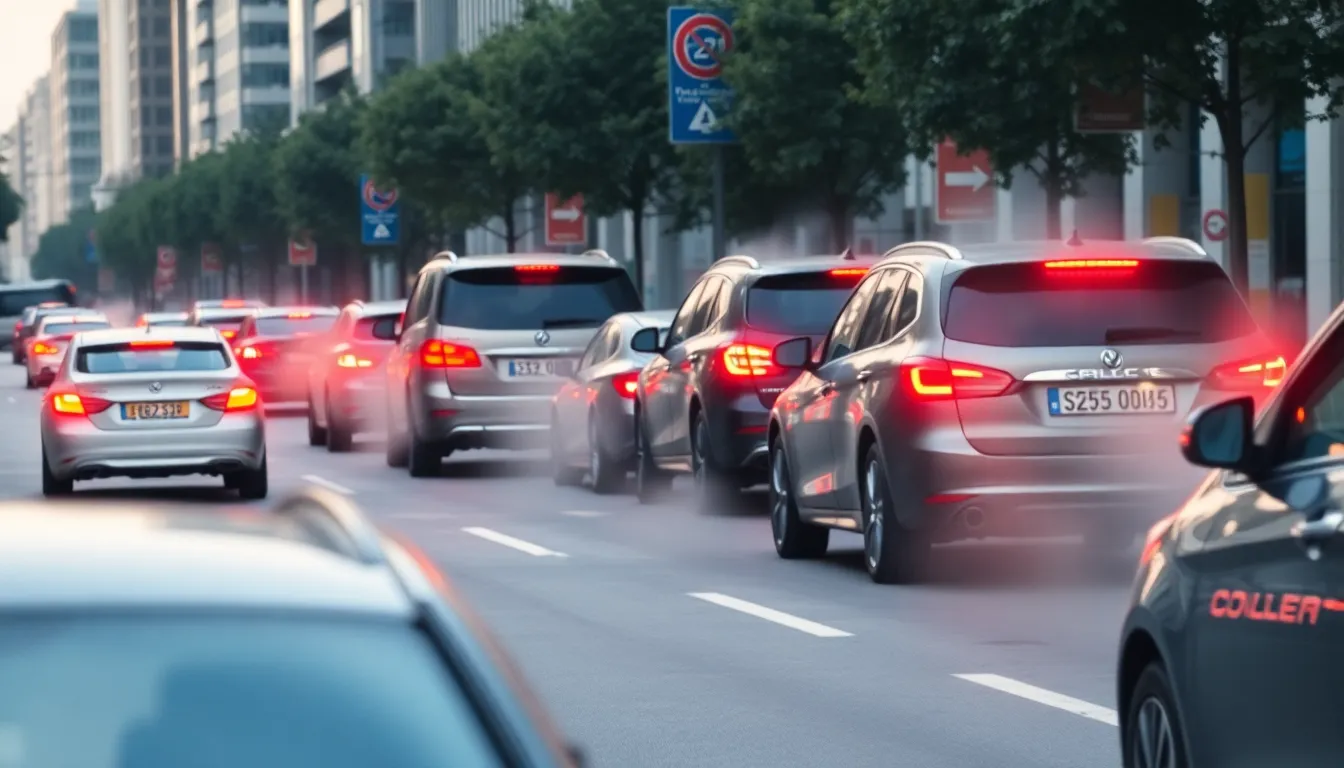
  • Vehicles contribute to carbon monoxide pollution.
  • Agriculture adds methane from livestock and rice paddies.
Human-Caused Gas Release
6

Air Pollution Sources

  • Primary pollutants come directly from sources.
  • Secondary pollutants form via chemical reactions.
  • Particulate matter includes dust, soot, and pollen.
  • Indoor air pollution from cooking and heating.
Air Pollution Sources
7

Effects of Air Pollution

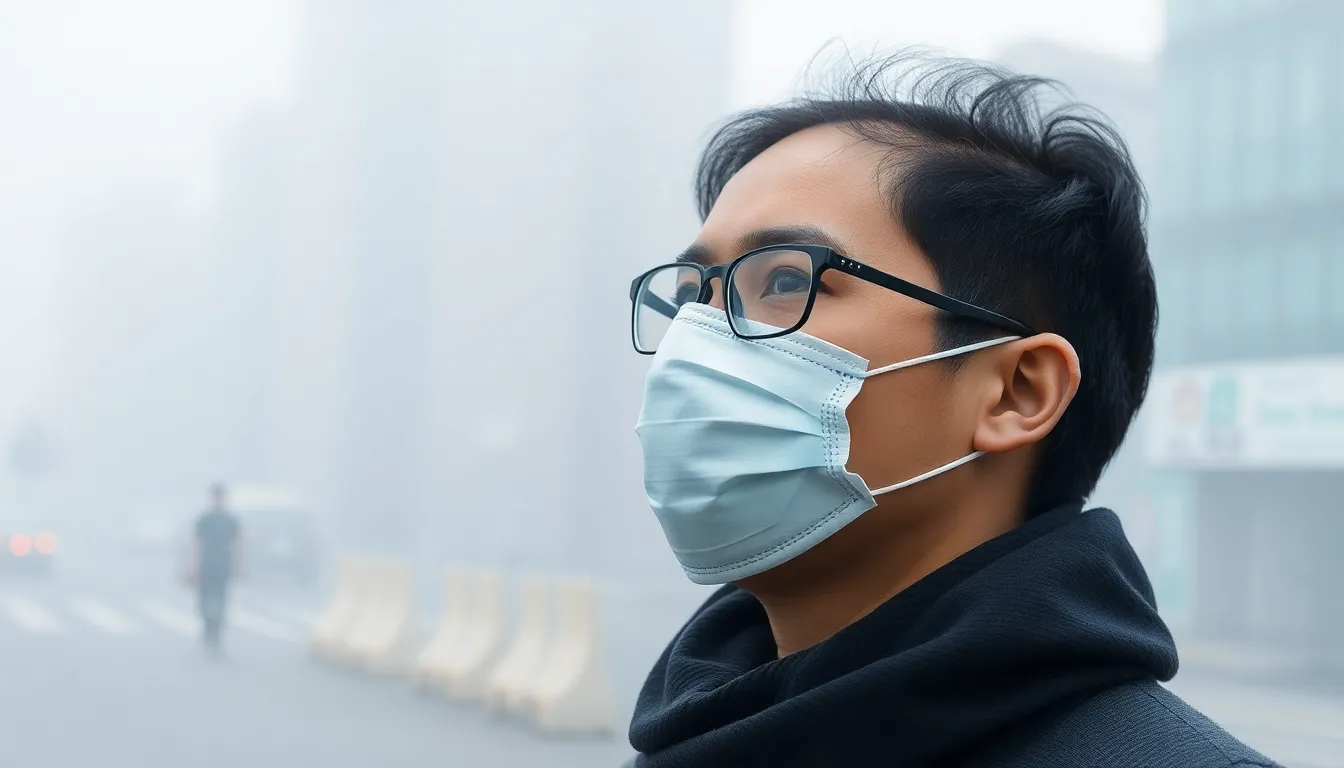
  • Respiratory diseases like asthma and bronchitis.
  • Acid rain damages ecosystems and buildings.
  • Global warming due to greenhouse gas buildup.
  • Ozone depletion increases UV radiation exposure.
Effects of Air Pollution
8

Measuring Air Quality

  • Air Quality Index (AQI) rates pollution levels.
  • Sensors detect PM2.5, ozone, and CO concentrations.
  • Satellites monitor global air pollution trends.
  • Weather stations track humidity and wind patterns.
Measuring Air Quality
9

Reducing Air Pollution

  • Renewable energy reduces fossil fuel dependence.
  • Electric vehicles decrease tailpipe emissions.
  • Reforestation absorbs CO2 and produces oxygen.
  • Regulations limit industrial emissions.
Reducing Air Pollution
10

Conclusion

  • Air is vital, composed of nitrogen, oxygen, and trace gases.
  • Human activities significantly alter air composition.
  • Pollution has severe health and environmental impacts.
  • Sustainable practices can improve air quality.
Conclusion
1 / 10