Proper Maintenance of Kitchen Tools and Equipment

📑 5 slides 👁 9 views 📅 11/11/2026 📺 YouTube
0.0 (0 ratings)

Why Proper Maintenance Matters

Learning goal: identify common food-service tools and maintain them using safe, hygienic procedures.

Why Proper Maintenance Matters
2

Choose the Right Cleaner

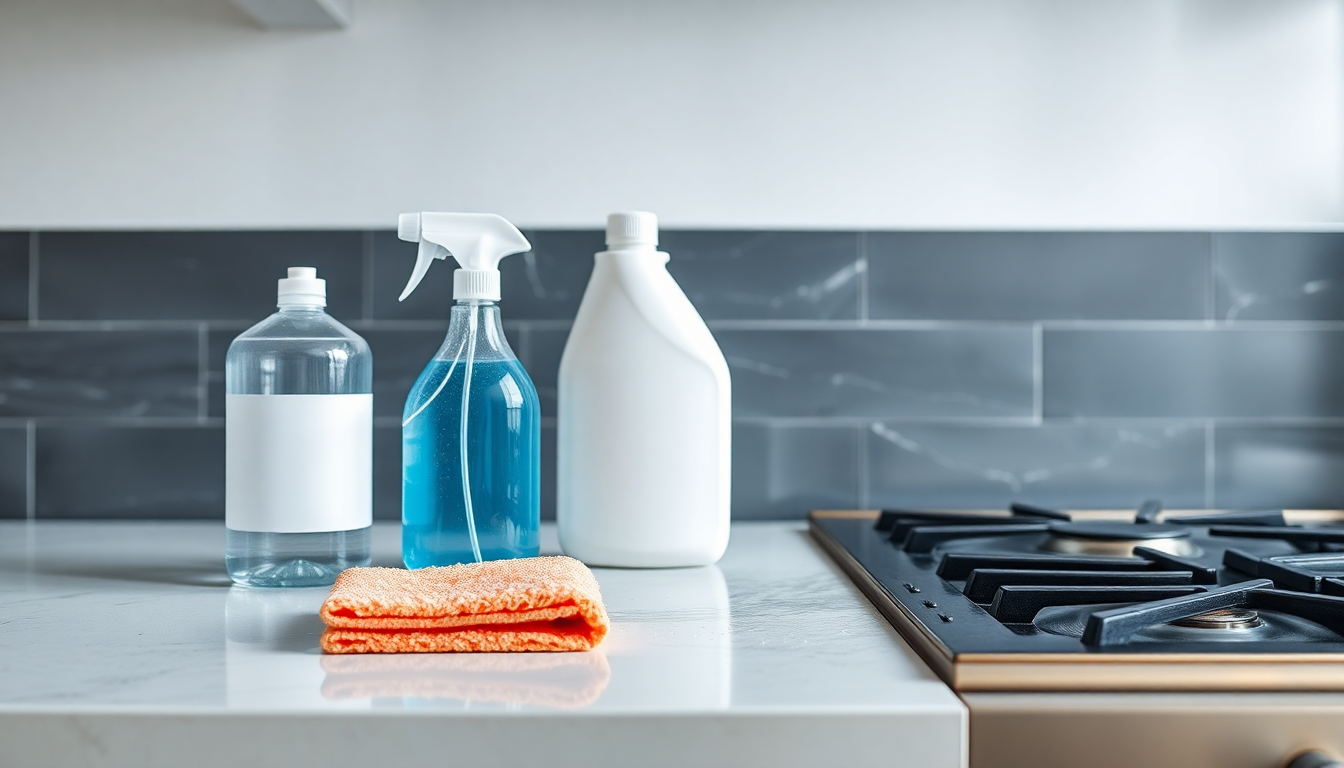
  • Detergents are for routine washing of tableware, equipment, and surfaces; they loosen ordinary food soils.
  • Solvent cleaners, or degreasers, help remove heavy or burned grease from surfaces such as stovetops.
  • Acid cleaners target mineral deposits and scale, while abrasives scrub away heavy, stubborn soil.
  • Check product instructions and food-contact suitability; some glass, metal, and bathroom cleaners leave unsafe residue.
Choose the Right Cleaner
3

Clean First, Then Sanitize

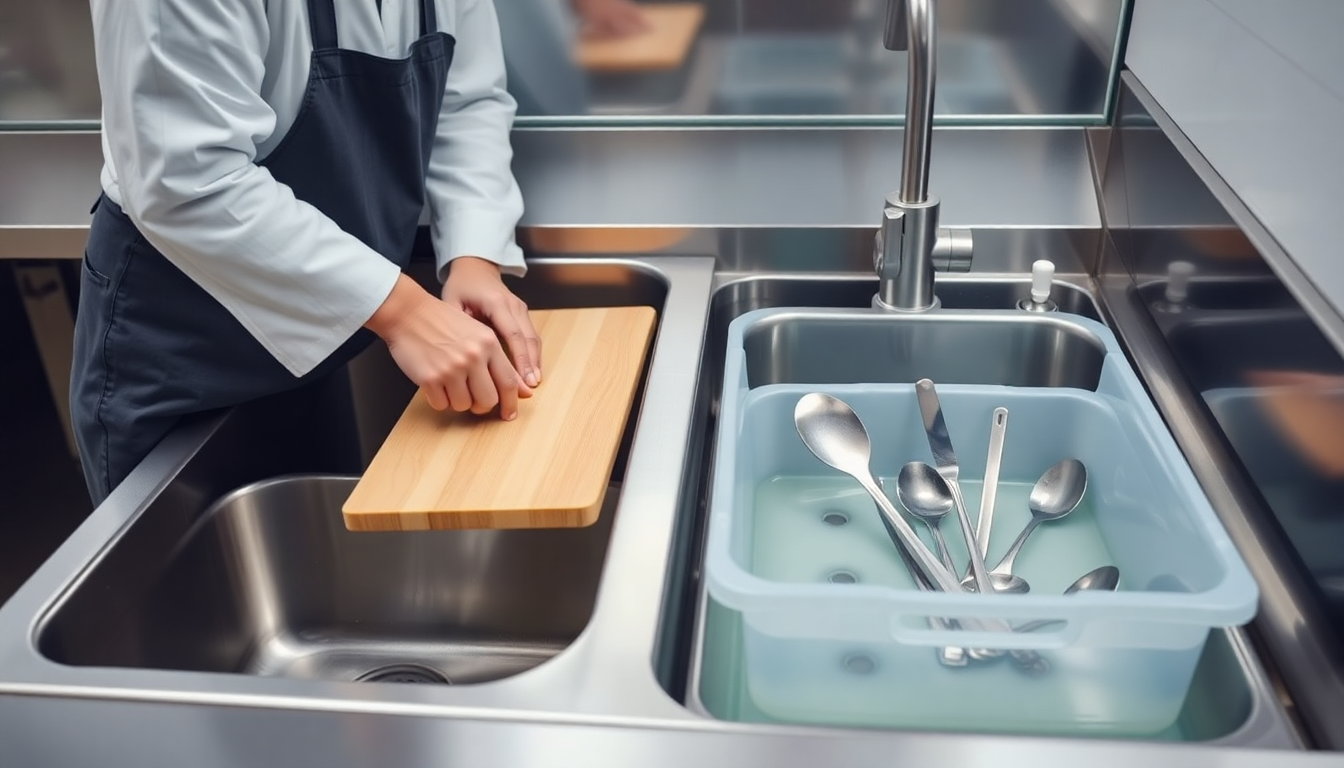
  • Wash tools thoroughly in warm, soapy water before sanitizing; food or grease left behind reduces sanitizer effectiveness.
  • Heat sanitizing uses steam, hot water, or hot air; hot-water immersion requires at least 171°F (77°C) for 30 seconds.
  • Approved chemical sanitizers include chlorine, iodine, and quaternary ammonium; follow product directions precisely.
  • Chemical effectiveness depends on concentration, temperature, and contact time; water is generally 55–120°F (13–49°C).
Clean First, Then Sanitize
4

Dry, Store, and Organize Safely

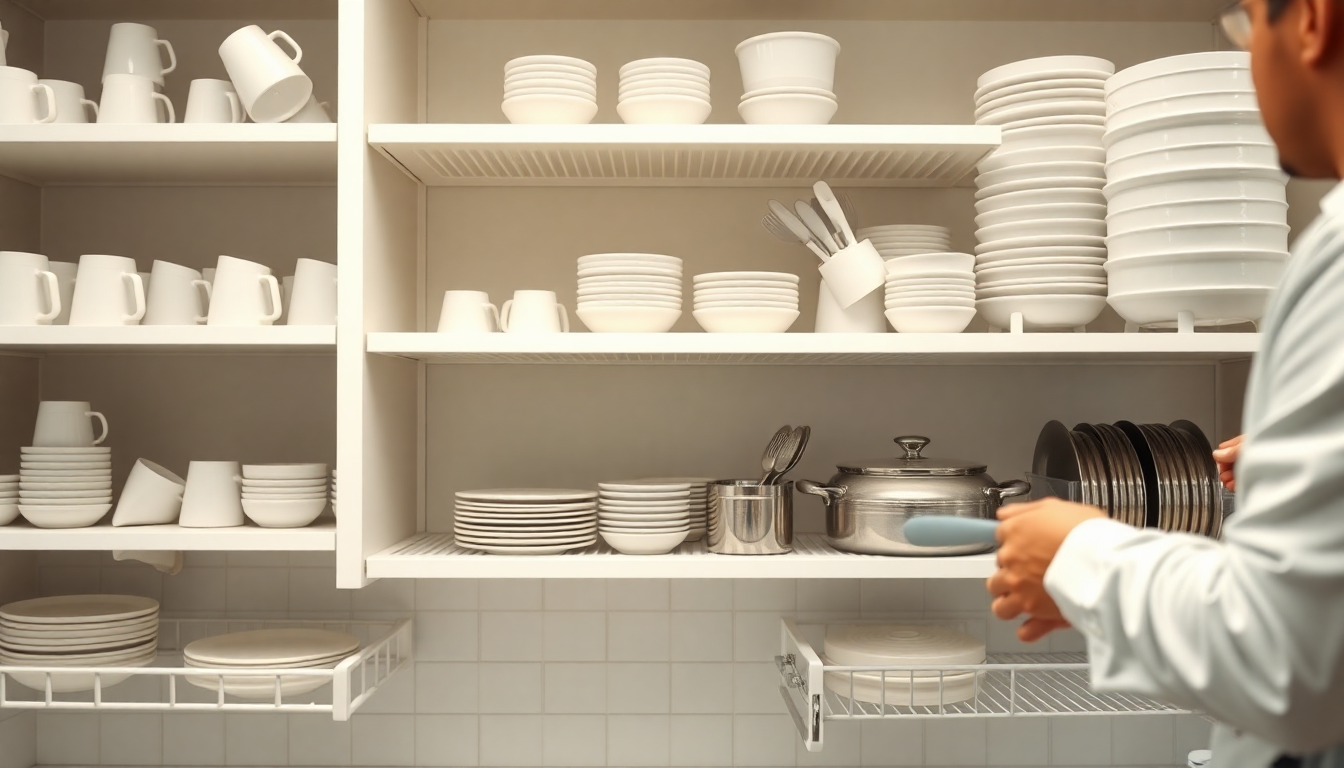
  • Air-dry sanitized utensils when possible; if using a towel, ensure it is clean to prevent recontamination.
  • Store utensils in a clean, dry, pest-protected place; invert cups, bowls, and glasses to protect their interiors.
  • Keep open-shelf items covered or inverted, and choose smooth, durable, corrosion-resistant racks and shelves.
  • Organize cabinets by removing unused items, cleaning shelves, and placing frequently used tools within easy reach.
Dry, Store, and Organize Safely
5

Make Food Safety a Daily Habit

  • Use the sequence every time: remove soil with a suitable cleaner, rinse as directed, sanitize, then dry and store.
  • Match cleaning agents to the soil: detergent for routine messes, degreaser for burned grease, acid for mineral scale.
  • Before reuse, check that utensils are visibly clean and fully dry; sanitize only with approved methods and directions.
  • At home or school, take responsibility by cleaning tools after use, protecting them from contamination, and keeping storage orderly.
Make Food Safety a Daily Habit
1 / 5