Project Management Fundamentals

📑 10 slides 👁 50 views 📅 1/21/2026
0.0 (0 ratings)

Introduction to Project Management

Project management involves planning, executing, and closing projects effectively.

Introduction to Project Management
2

Key Project Management Phases

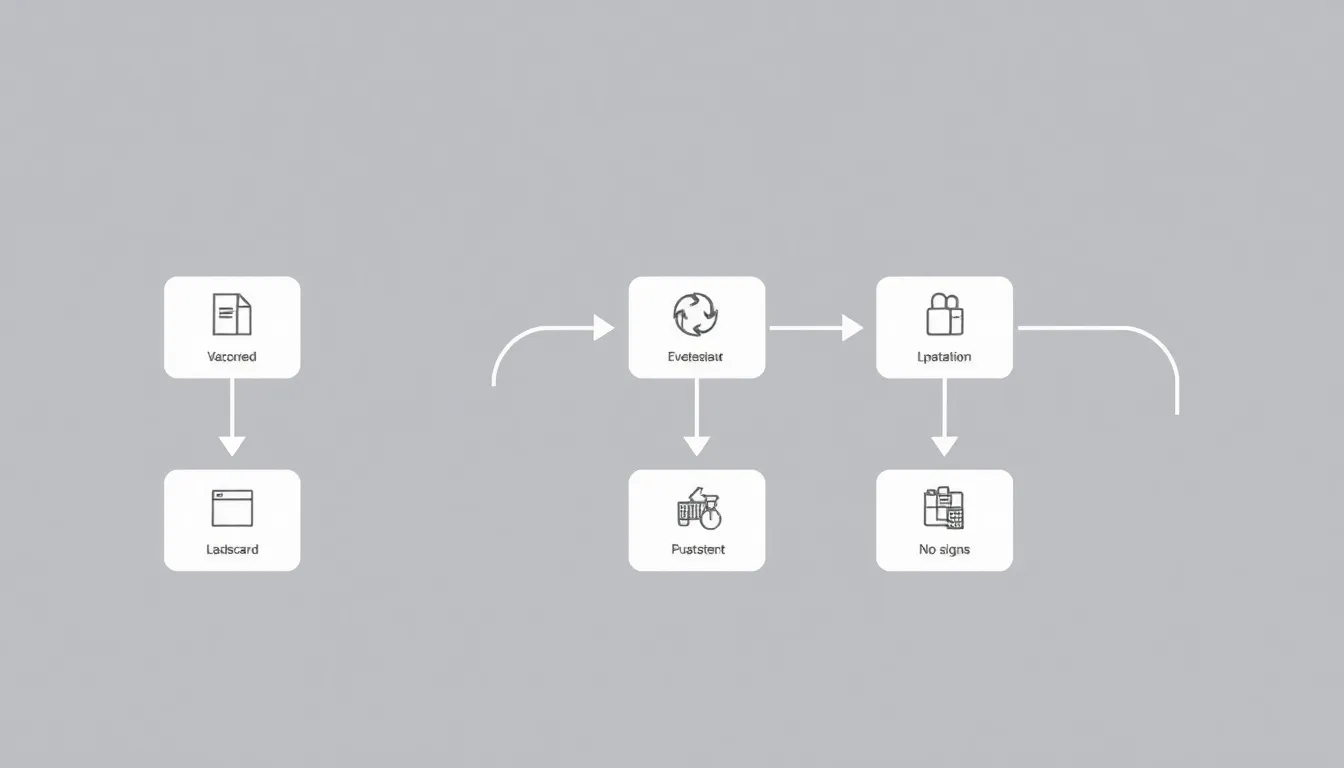
  • Initiation: Define project scope, objectives, and stakeholders.
  • Planning: Develop detailed project plans, timelines, and budgets.
  • Execution: Implement plans, manage teams, and track progress.
  • Closure: Deliver final product, evaluate success, and document lessons.
Key Project Management Phases
3

Popular Methodologies

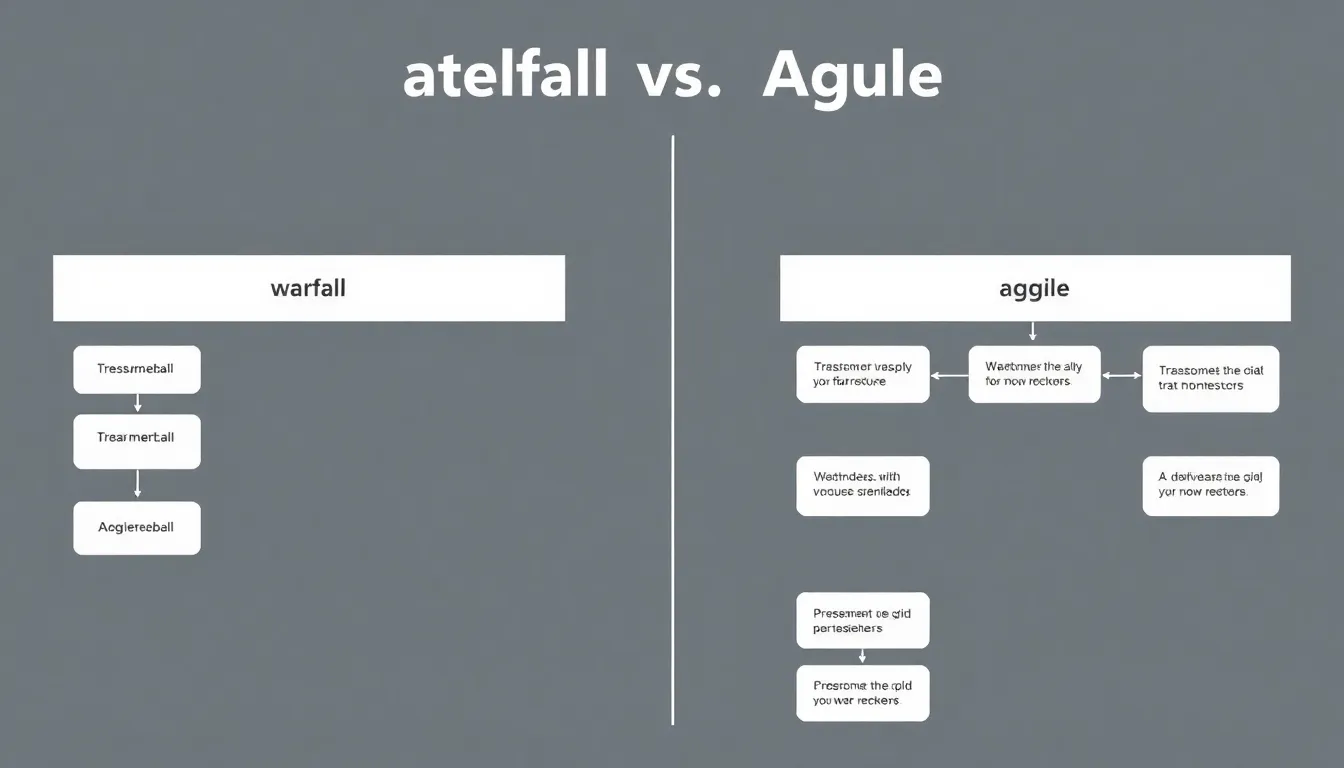
  • Waterfall: Linear approach with sequential phases, best for predictable projects.
  • Agile: Iterative process with flexibility, ideal for dynamic environments.
  • Scrum: Agile framework with sprints, daily stand-ups, and sprint reviews.
  • Hybrid: Combines Waterfall and Agile elements for balanced flexibility.
Popular Methodologies
4

Essential Project Management Tools

  • Gantt charts visualize timelines, dependencies, and progress.
  • Kanban boards track tasks and workflows in Agile projects.
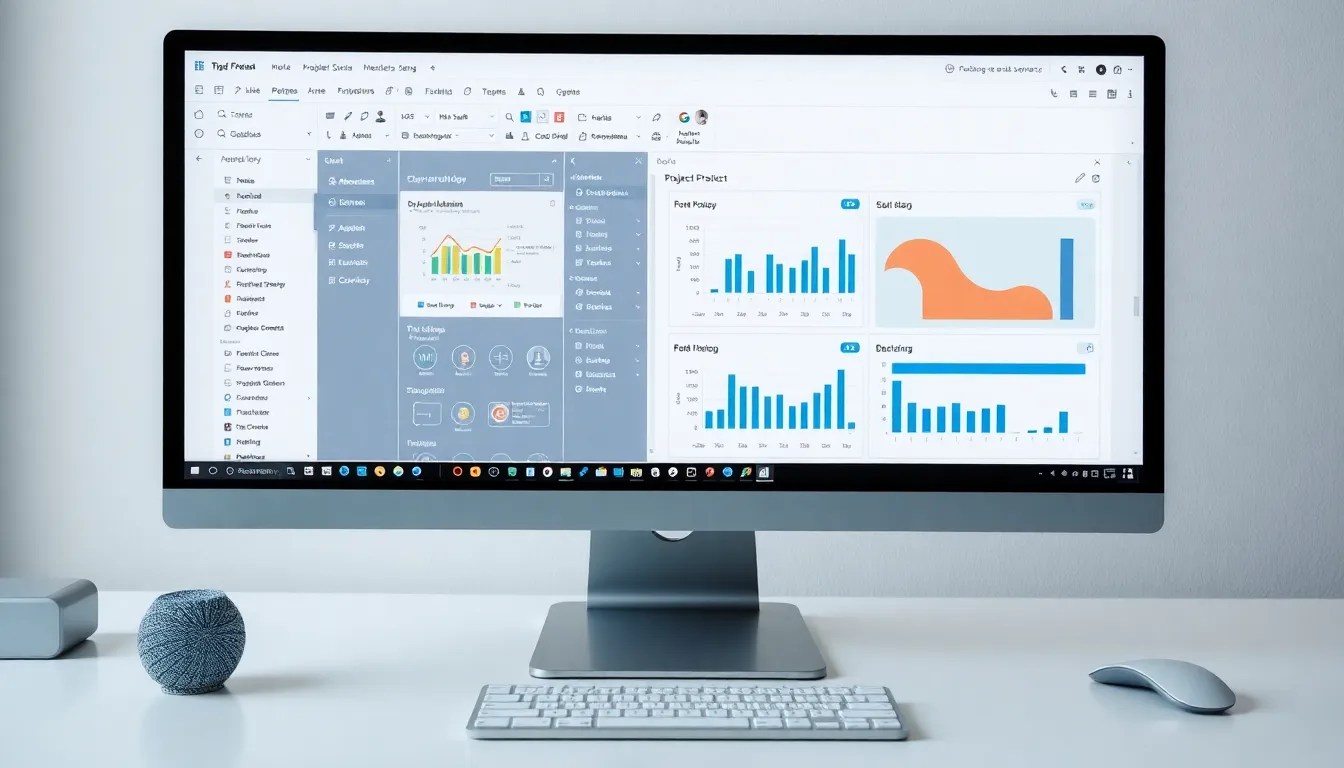
  • Project management software like Asana, Trello, or Jira streamline coordination.
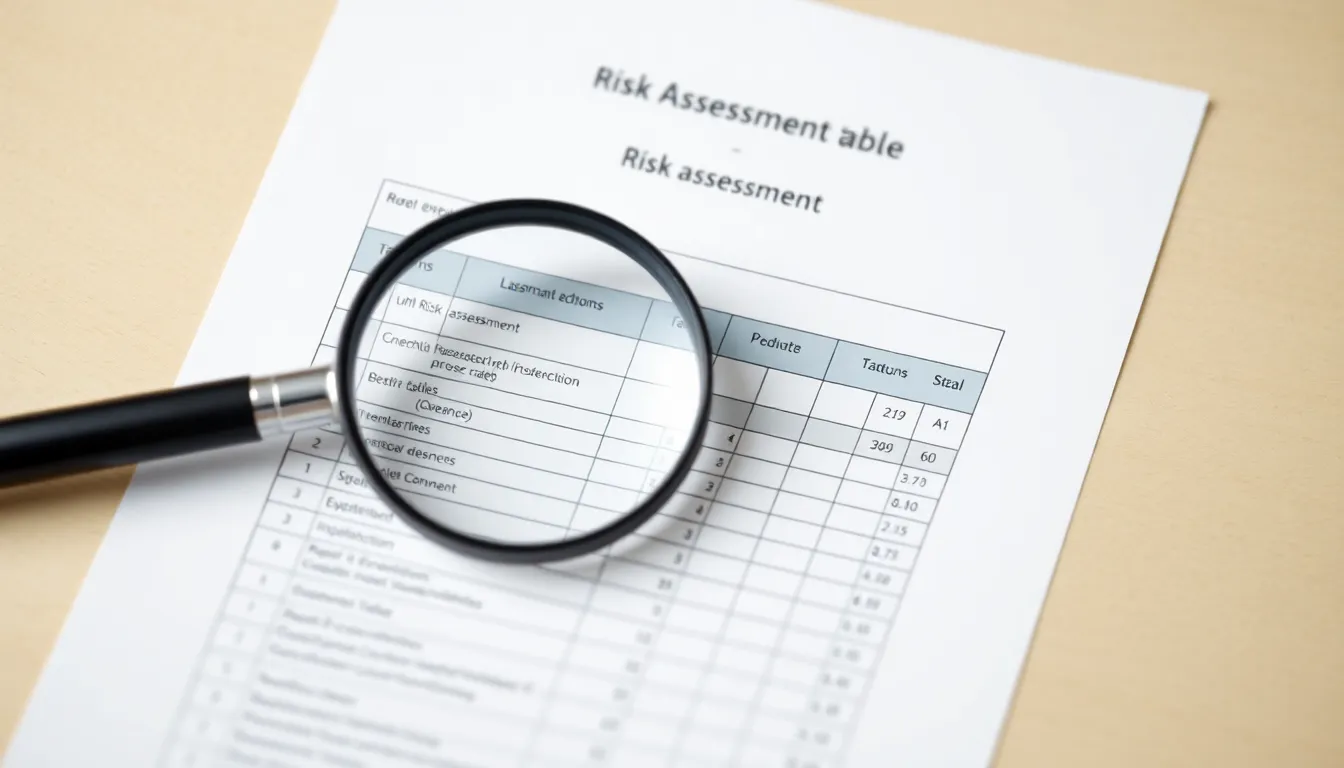
  • Risk matrices help identify and prioritize potential project risks.
Essential Project Management Tools
5

Role of a Project Manager

  • Leads project planning, execution, and delivery from start to finish.
  • Facilitates communication between stakeholders, teams, and clients.
  • Manages risks, resolves conflicts, and ensures alignment with goals.
  • Monitors budgets, timelines, and quality standards throughout.
Role of a Project Manager
6

Stakeholder Management

  • Identify all stakeholders early to understand their needs and influence.
  • Engage stakeholders regularly with updates, feedback, and involvement.
  • Address conflicts by balancing competing interests and priorities.
  • Build trust through transparency, consistency, and clear communication.
Stakeholder Management
7

Risk Management Strategies

  • Identify risks early through brainstorming, historical data, and expert input.
  • Prioritize risks by likelihood and impact using risk matrices.
  • Mitigate risks with contingency plans, buffers, and alternative approaches.
  • Monitor risks continuously and adapt strategies as the project evolves.
Risk Management Strategies
8

Budget and Resource Planning

  • Estimate costs accurately by breaking down tasks and required resources.
  • Allocate budgets for contingencies to handle unexpected expenses.
  • Optimize resource use by balancing workload and avoiding overallocation.
  • Track expenses regularly to stay within budget and adjust as needed.
Budget and Resource Planning
9

Communication Best Practices

  • Use clear, concise language tailored to different stakeholder groups.
  • Hold regular meetings for updates, feedback, and issue resolution.
  • Document decisions and action items to ensure accountability.
  • Leverage collaboration tools for real-time updates and transparency.
Communication Best Practices
10

Conclusion and Key Takeaways

  • Effective project management balances planning, execution, and adaptability.
  • Choosing the right methodology depends on project scope and flexibility needs.
  • Stakeholder engagement and communication are critical for success.
  • Continuous monitoring and risk management ensure project goals are met.
Conclusion and Key Takeaways
1 / 10