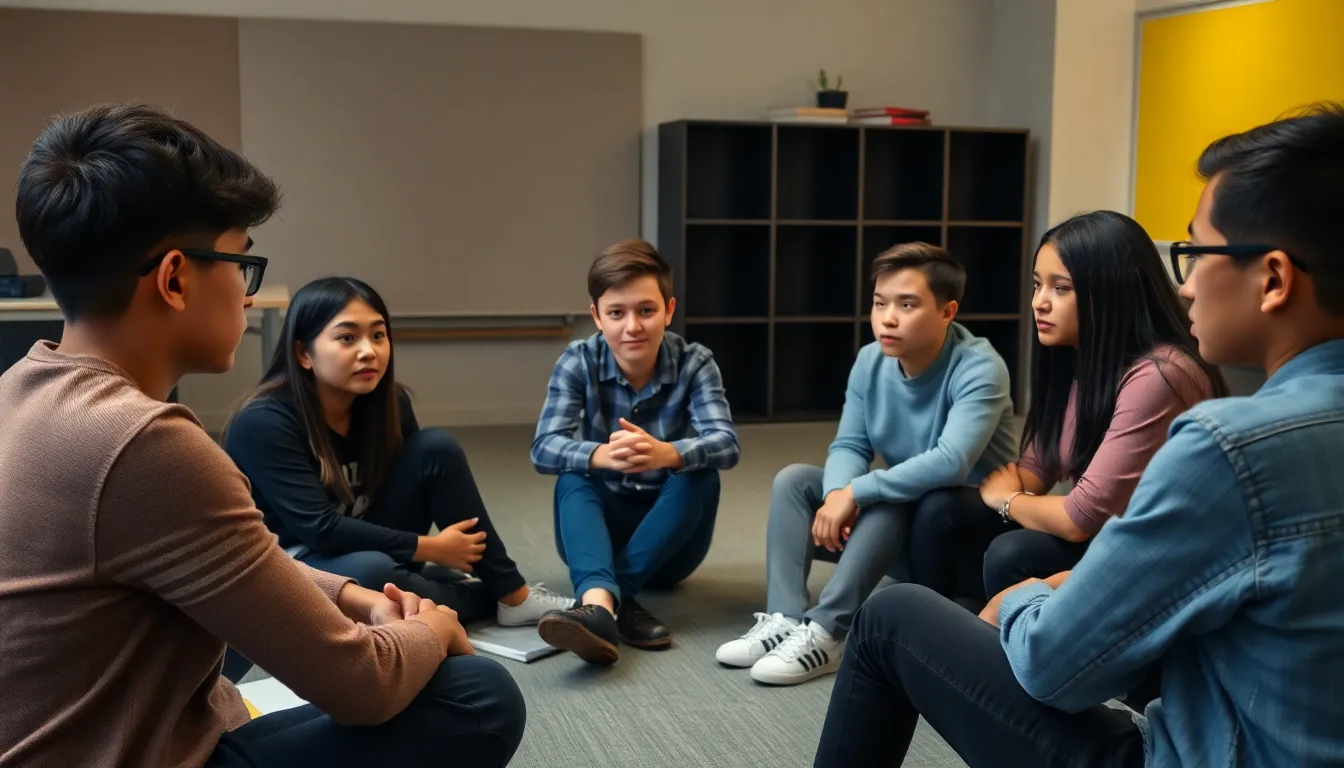
Student Revolution of Bangladesh 2024
📑 10 slides
👁 38 views
📅 1/26/2026
Introduction to the Revolution
Overview of the 2024 student revolution in Bangladesh, a pivotal movement for educational reforms.
2
Causes of the Revolution
- Rising dissatisfaction with outdated educational policies and lack of government funding.
- High unemployment rates among graduates fueled frustration and demands for systemic change.
- Corruption in educational institutions was a major trigger for student protests.
3
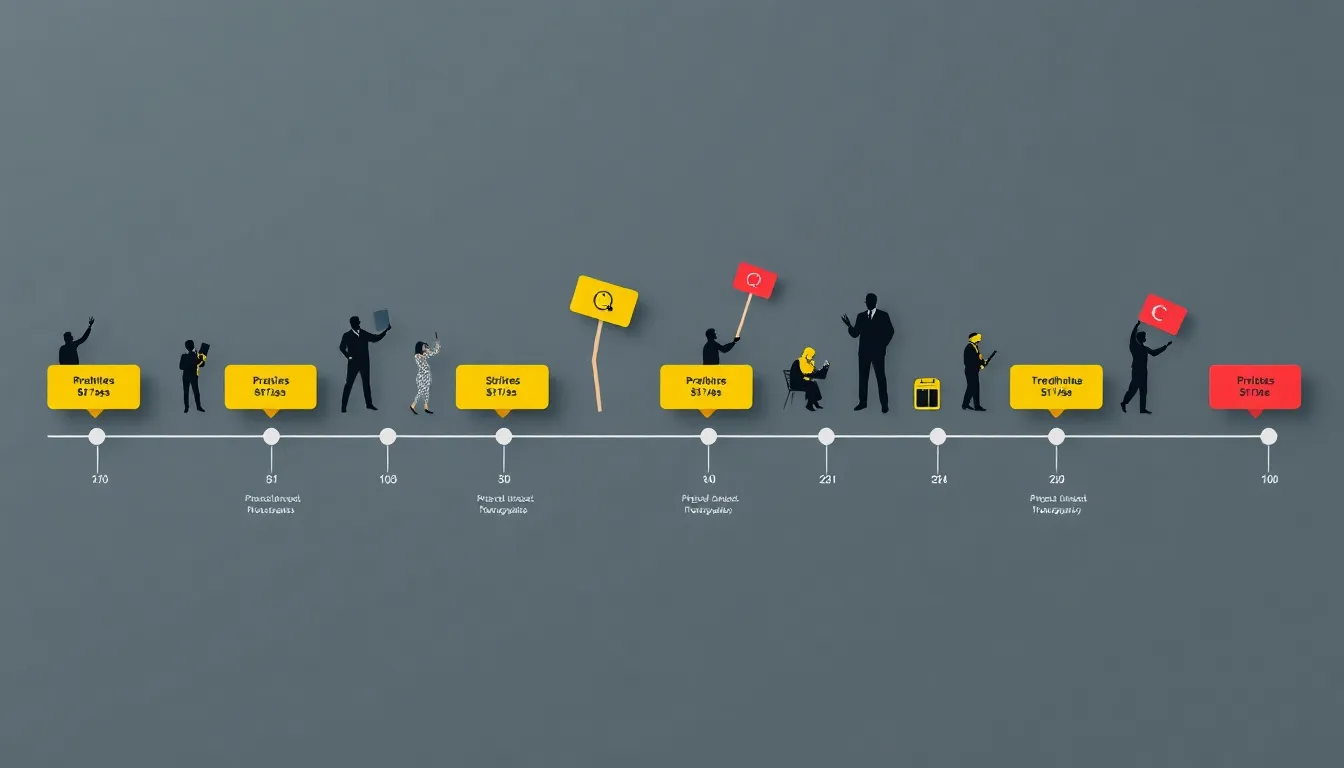
Key Events Timeline
- January 2024: First major protest in Dhaka University, attracting thousands of participants.
- February 2024: Nationwide strikes and shutdowns as protests spread to other cities.
- March 2024: Government negotiations begin after intense pressure from students and public.
4
Role of Social Media
- Social media platforms like Facebook and Twitter played a crucial role in organizing protests.
- Viral hashtags and live streams brought international attention to the movement.
- Online campaigns helped mobilize support from Bangladeshi diaspora worldwide.
5
Government Response
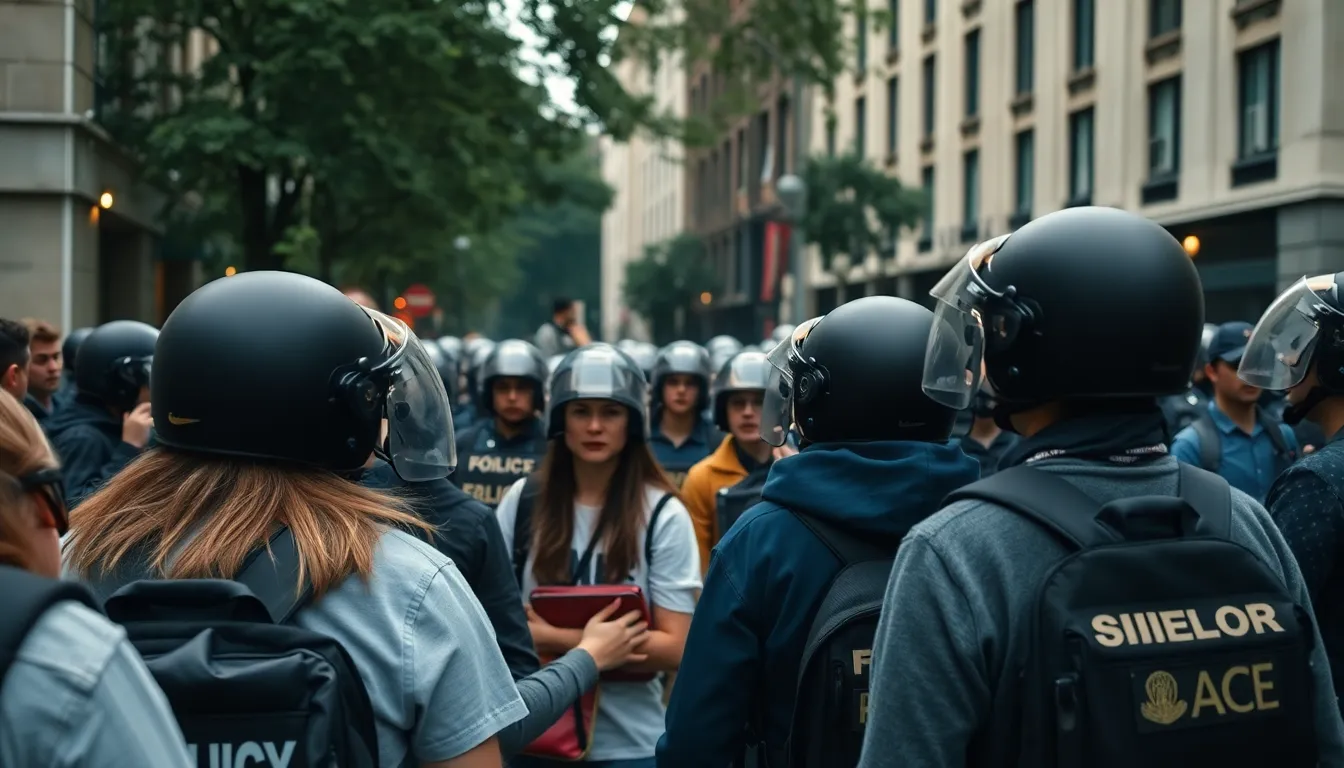
- Initial attempts to suppress protests led to violent clashes with law enforcement.
- Later, the government formed a committee to address student demands and propose reforms.
- Some concessions were made, but many students felt the changes were insufficient.
6
International Support
- Global human rights organizations condemned the use of force against protesters.
- Student unions from other countries expressed solidarity through letters and campaigns.
- International media coverage highlighted the revolution, putting pressure on the government.
7
Impact on Education Policy
- New policies introduced to increase funding for public universities and student welfare.
- Reforms aimed at reducing corruption and improving transparency in educational institutions.
- Student representation in policy-making bodies was increased as a result of the protests.
8
Cultural and Social Impact
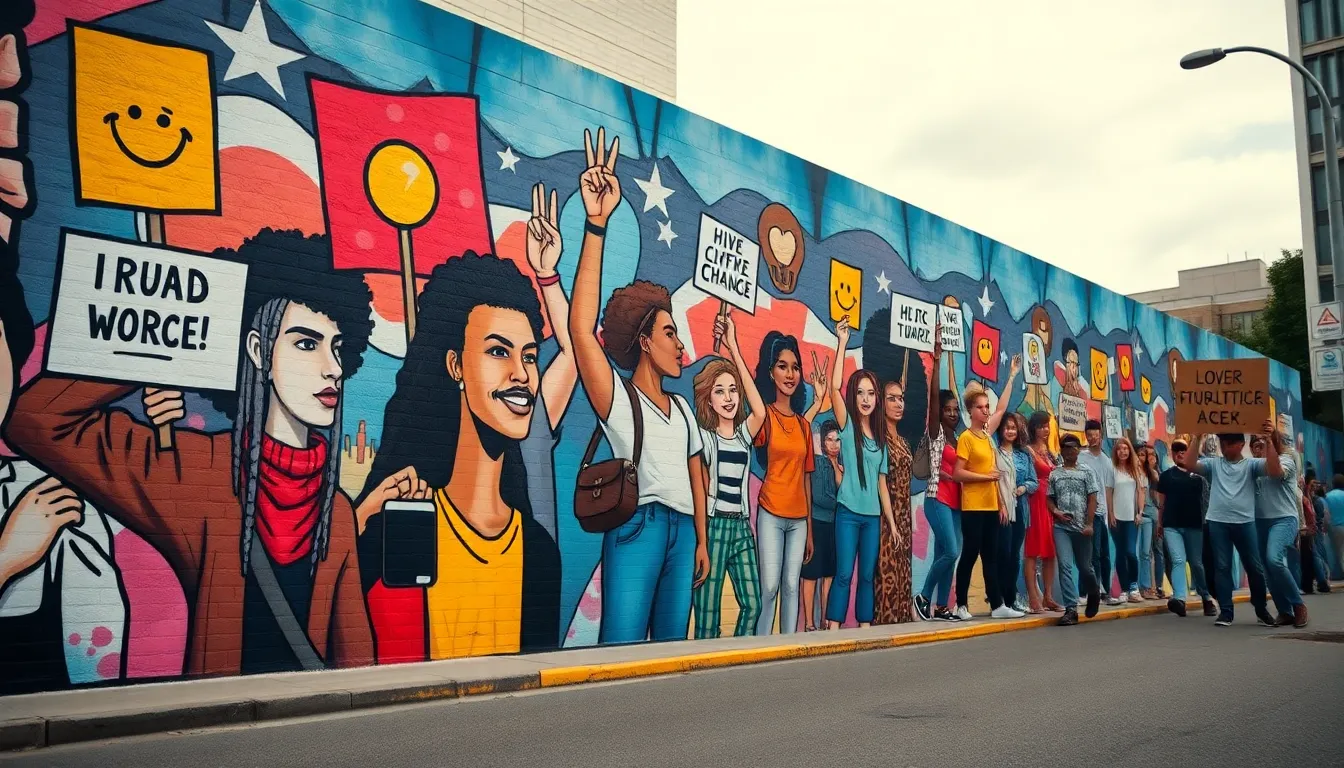
- The revolution inspired art, music, and literature reflecting the youth's struggle and hopes.
- Strengthened the sense of unity and activism among young Bangladeshis.
- Set a precedent for future youth-led movements in the region.
9
Challenges Faced
- Internal divisions among student groups sometimes hindered unified action.
- Government crackdowns led to arrests and temporary setbacks for the movement.
- Long-term implementation of reforms remained a challenge due to bureaucratic delays.
10
Conclusion and Legacy
- The 2024 student revolution marked a turning point in Bangladesh's youth activism.
- It demonstrated the power of organized student movements to drive national change.
- The legacy continues to inspire new generations to advocate for justice and reform.
1 / 10