Presentation about Anemia
📑 10 slides
👁 40 views
📅 1/21/2026
Introduction to Anemia
Anemia is a condition where blood lacks enough healthy red blood cells.
2
Causes of Anemia
- Iron deficiency is the most common cause worldwide.
- Other causes include vitamin B12 or folate deficiency.
- Chronic diseases like kidney disease can lead to anemia.
- Genetic conditions such as sickle cell anemia also contribute.
3
Types of Anemia
- Iron-deficiency anemia: caused by lack of iron in the diet.
- Vitamin-deficiency anemia: due to low B12 or folate levels.
- Aplastic anemia: bone marrow doesn't produce enough blood cells.
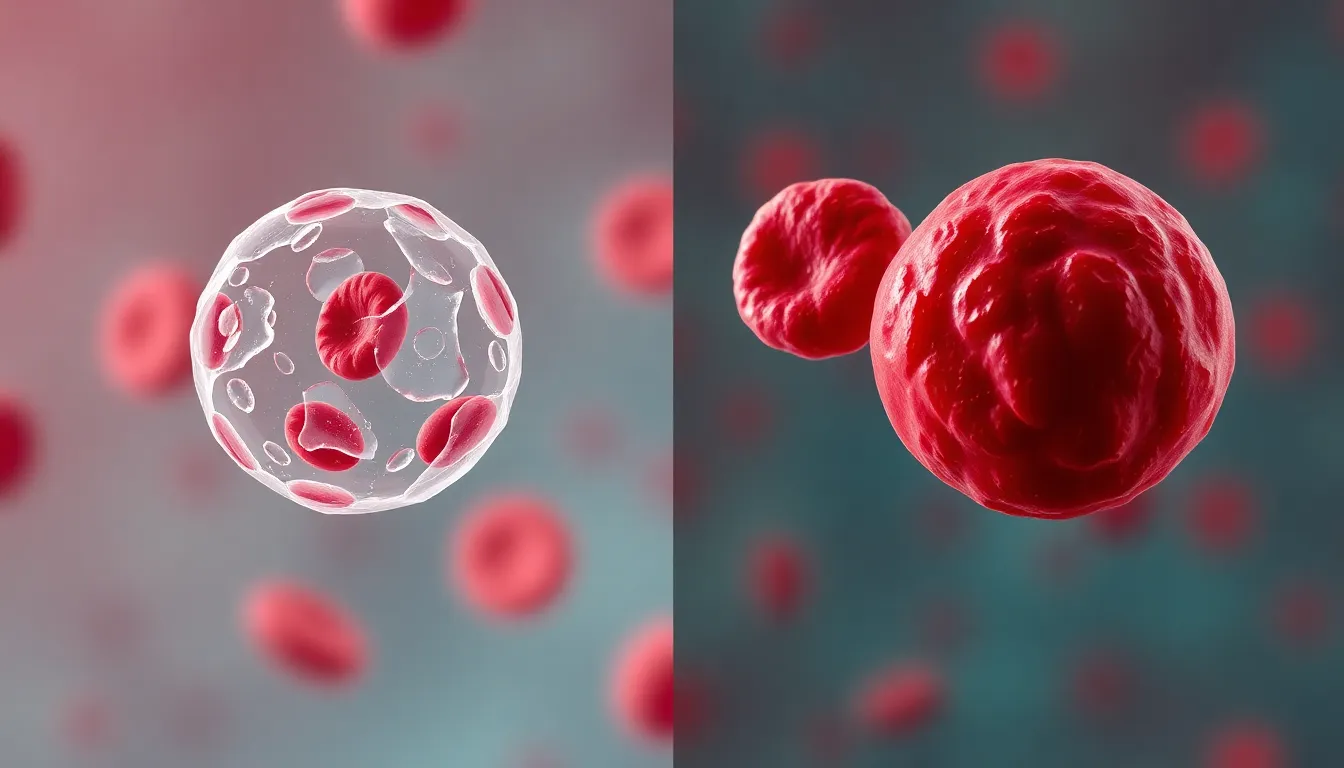
- Hemolytic anemia: red blood cells are destroyed faster than produced.
4
Symptoms of Anemia
- Common symptoms include fatigue, pale skin, and dizziness.
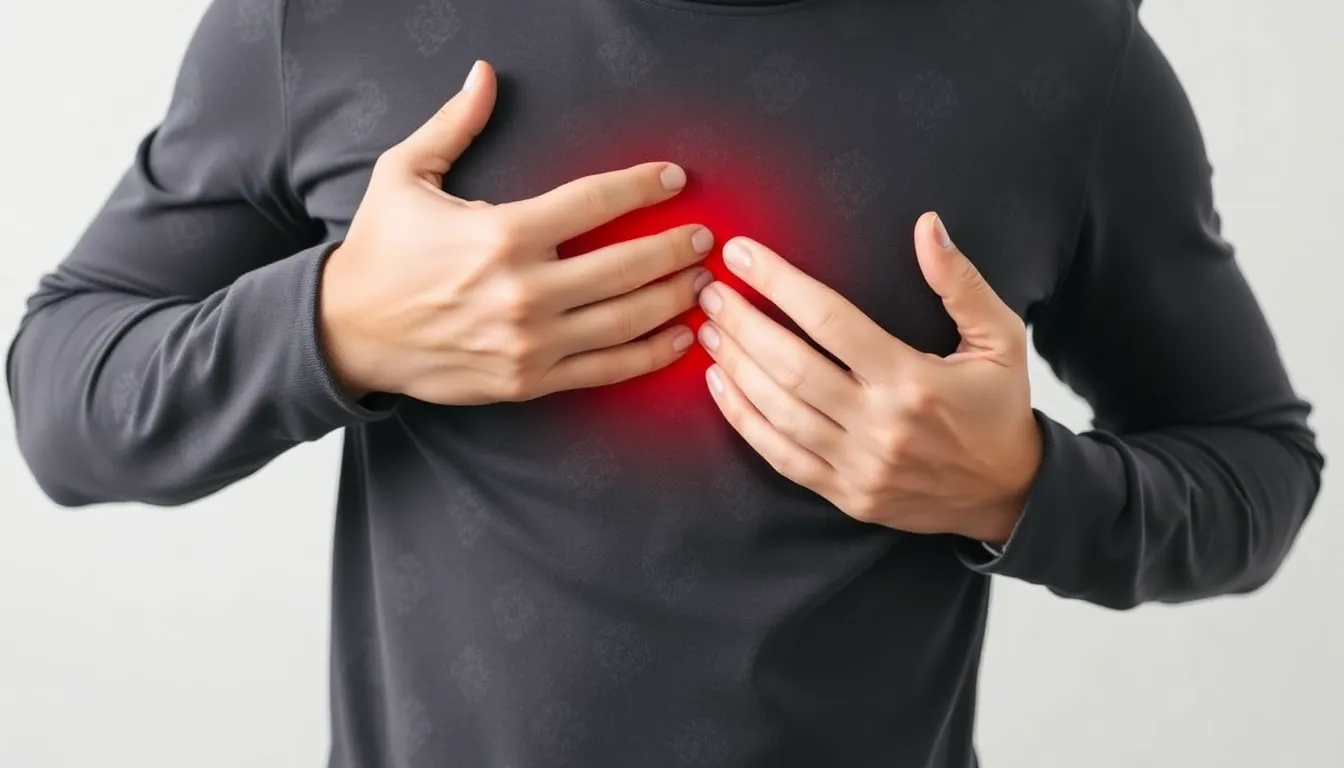
- Severe cases may cause chest pain, headaches, or cold hands.
- Cognitive symptoms like difficulty concentrating can occur.
- Some types cause specific symptoms like jaundice in hemolytic anemia.
5
Diagnosing Anemia
- Complete blood count (CBC) is the primary diagnostic test.
- Doctors may check iron, B12, and folate levels in blood tests.
- Additional tests like bone marrow biopsy for certain types.
- Medical history and physical examination are also important.
6
Treatment Options
- Iron supplements for iron-deficiency anemia.
- Vitamin B12 injections or supplements for deficiency cases.
- Blood transfusions in severe or life-threatening cases.
- Bone marrow transplant for certain types like aplastic anemia.
7
Prevention Strategies
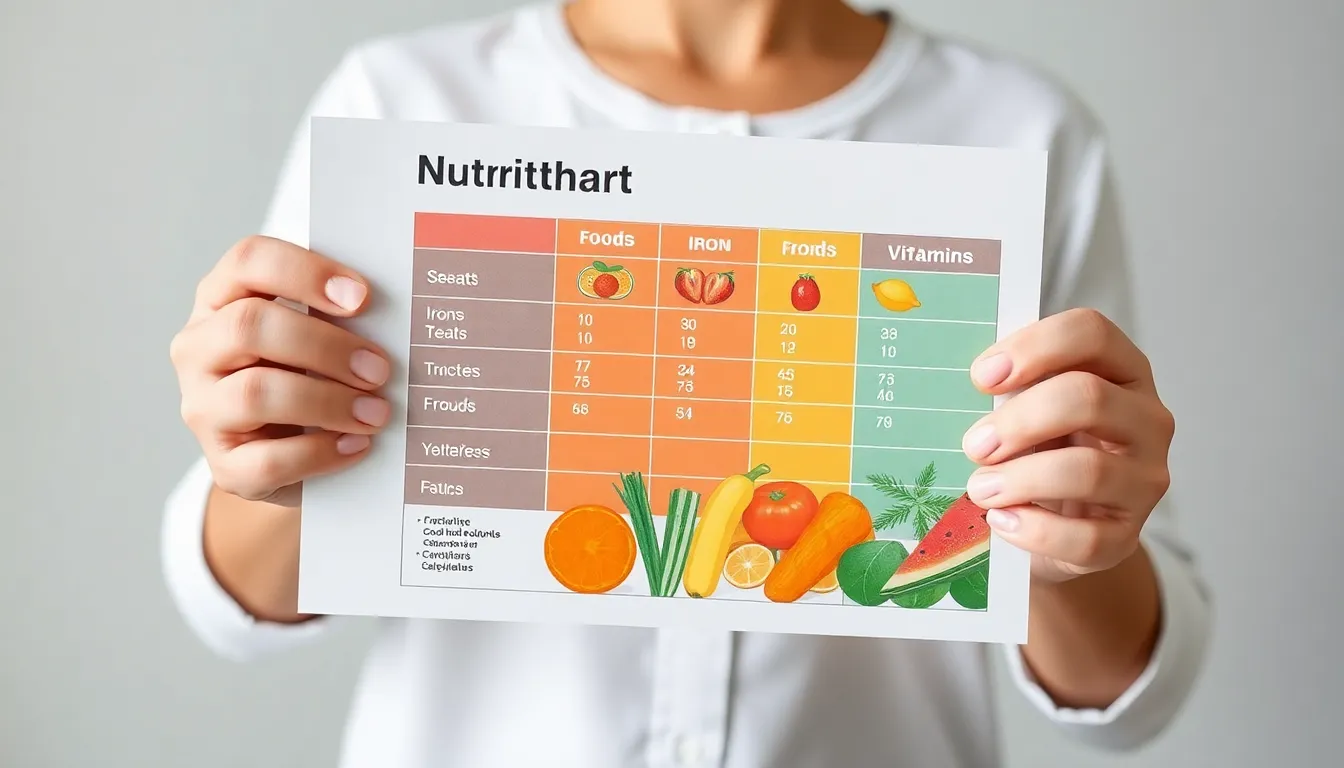
- Eating iron-rich foods like red meat, beans, and leafy greens.
- Including vitamin C to enhance iron absorption from food.
- Regular check-ups for those with chronic conditions.
- Avoiding excessive alcohol which can contribute to anemia.
8
Anemia in Special Groups
- Pregnant women need 27 mg iron daily to prevent anemia.
- Children require iron for growth and brain development.
- Elderly are at higher risk due to poor absorption and chronic diseases.
- Vegetarians need to carefully plan iron and B12 sources.
9
Complications of Anemia
- Severe fatigue can impact work performance and daily life.
- Pregnancy complications including premature birth risk.
- Heart problems from working harder to pump oxygen.
- Increased risk of infections with certain types of anemia.
10
Conclusion & Key Takeaways
- Anemia is common but often treatable with proper diagnosis.
- Nutrition plays a crucial role in prevention and treatment.
- Early detection prevents complications and improves outcomes.
- Consult healthcare providers for persistent symptoms.
1 / 10