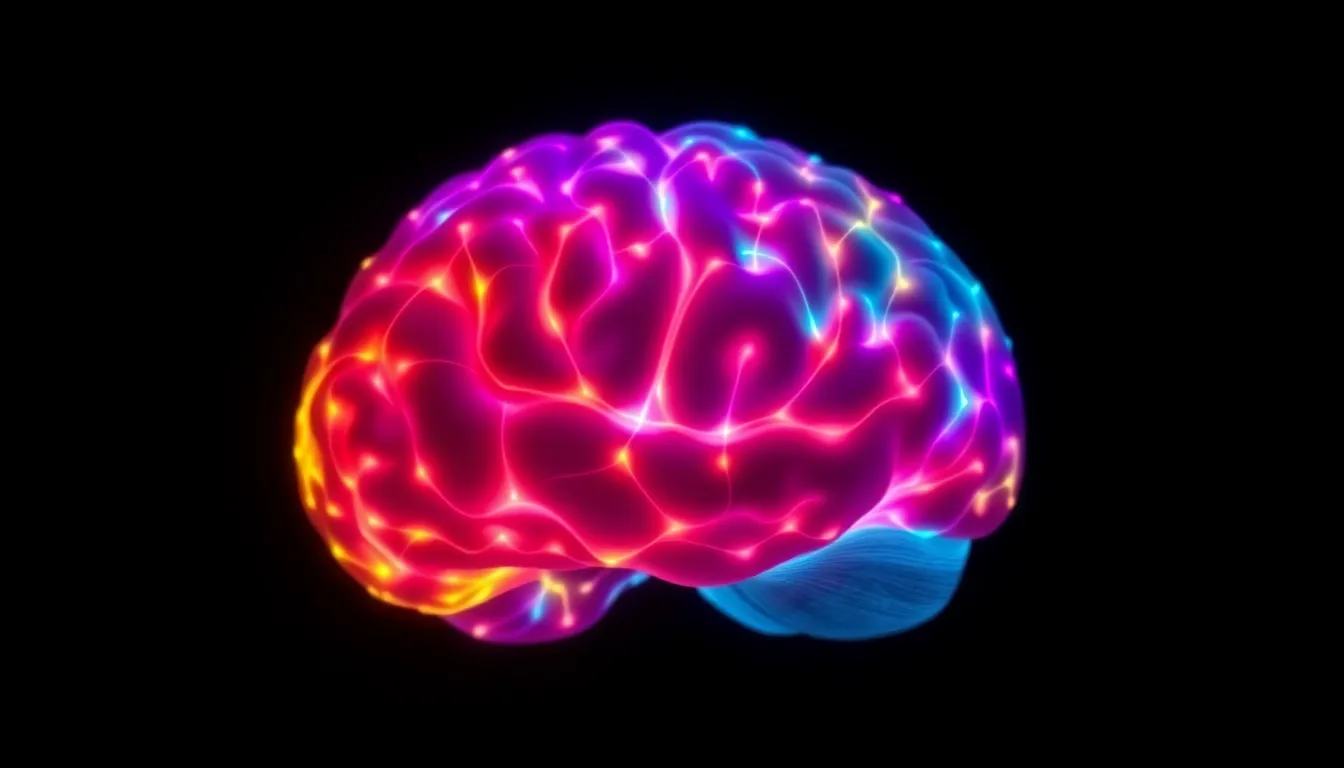
Human Memory - Psychology Class 11 NCERT

๐Ÿ“‘ 10 slides ๐Ÿ‘ 50 views ๐Ÿ“… 1/21/2026
0.0 (0 ratings)

Introduction to Human Memory

Human memory involves encoding, storing, and retrieving information over time.

Introduction to Human Memory
2

Sensory Memory

  • Lasts only a few seconds; holds sensory information like sights and sounds.
  • Iconic memory (visual) and echoic memory (auditory) are key types.
  • Capacity is large but duration is extremely brief.
Sensory Memory
3

Short-term Memory (STM)

  • Holds limited information (7ยฑ2 items) for about 15-30 seconds.
  • Also known as working memory; essential for reasoning and comprehension.
  • Rehearsal helps transfer information to long-term memory.
Short-term Memory (STM)
4

Long-term Memory (LTM)

  • Stores information indefinitely; includes declarative and procedural memory.
  • Declarative: Facts and events (semantic & episodic). Procedural: Skills.
  • Capacity is theoretically unlimited.
Long-term Memory (LTM)
5

Encoding in Memory

  • Process of converting information into a storable form.
  • Types: Acoustic (sound), Visual (images), Semantic (meaning).
  • Effective encoding improves recall; mnemonics can help.
Encoding in Memory
6

Storage and Retrieval

  • Storage: Maintaining encoded information over time.
  • Retrieval: Accessing stored information (recall, recognition, relearning).
  • Context and cues play a significant role in retrieval.
Storage and Retrieval
7

Forgetting: Causes & Theories

  • Decay Theory: Memories fade over time if not used.
  • Interference Theory: New memories disrupt old ones (and vice versa).
  • Retrieval Failure: Information exists but cannot be accessed.
Forgetting: Causes & Theories
8

Memory Enhancement Techniques

  • Mnemonics: Acronyms, chunking, and visualization improve recall.
  • Spaced Repetition: Learning over intervals boosts retention.
  • Healthy lifestyle (sleep, diet) supports memory function.
Memory Enhancement Techniques
9

Disorders of Memory

  • Amnesia: Partial or complete memory loss (retrograde or anterograde).
  • Alzheimerโ€™s: Progressive memory decline due to brain degeneration.
  • Dementia: Broad term for memory and cognitive impairments.
Disorders of Memory
10

Conclusion & Summary

  • Memory is a complex, multi-stage process essential for human cognition.
  • Understanding memory helps improve learning and address disorders.
  • Techniques like mnemonics and healthy habits enhance memory.
Conclusion & Summary
1 / 10