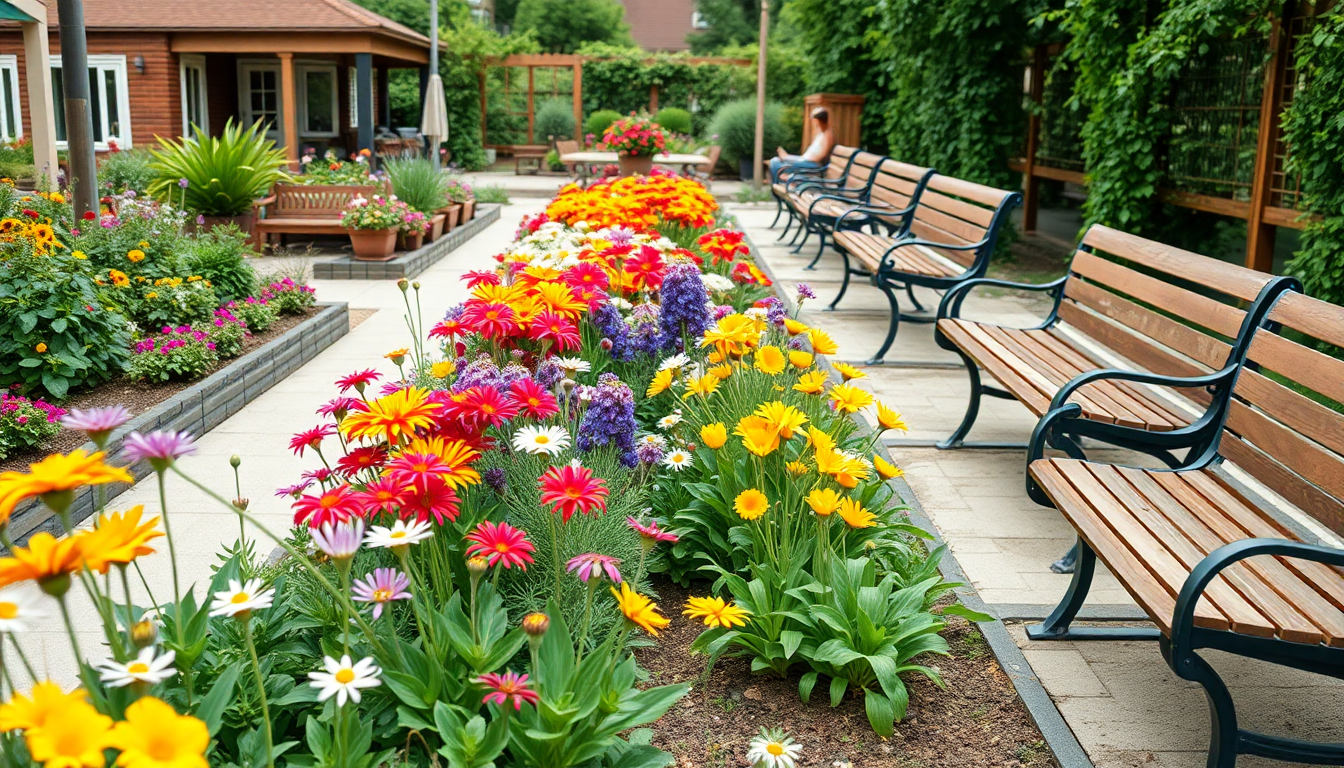
Natural Colors for Community Committees

📑 5 slides 👁 33 views 📅 2/9/2026
0.0 (0 ratings)

Introduction to Natural Colors

Natural colors are hues derived from nature, like greens, browns, and blues.

Introduction to Natural Colors
2

Benefits of Natural Colors

  • Natural colors blend seamlessly with outdoor and indoor environments.
  • They are timeless and rarely go out of style.
  • Eco-friendly options include plant-based dyes and sustainable paints.
  • Promotes a sense of belonging and connection to nature.
Benefits of Natural Colors
3

Choosing the Right Colors

  • Earth tones like beige and terracotta work well for communal areas.
  • Soft greens and blues are perfect for calming spaces like meeting rooms.
  • Consider natural lighting to enhance the color's effect.
  • Test samples in different areas to see how they look throughout the day.
Choosing the Right Colors
4

Application in Community Spaces

  • Use warm tones in gathering areas to encourage interaction.
  • Cool tones in workspaces can improve focus and productivity.
  • Incorporate natural materials like wood and stone for texture.
  • Balance bold and neutral shades for visual interest.
Application in Community Spaces
5

Conclusion and Next Steps

  • Natural colors create inviting and harmonious community spaces.
  • Start with small changes like accent walls or furniture updates.
  • Involve the community in choosing colors to ensure everyone feels included.
  • Consult a designer for expert advice on color schemes and materials.
Conclusion and Next Steps
1 / 5