Prohibition and the Women's Temperance Movement

📑 10 slides 👁 29 views 📅 1/26/2026
0.0 (0 ratings)

What Was the Prohibition Act?

Essential question: What was the Prohibition Act and why was it enacted?

What Was the Prohibition Act?
2

Origins of Prohibition

  • Roots in the 19th century temperance movements advocating for reduced alcohol consumption.
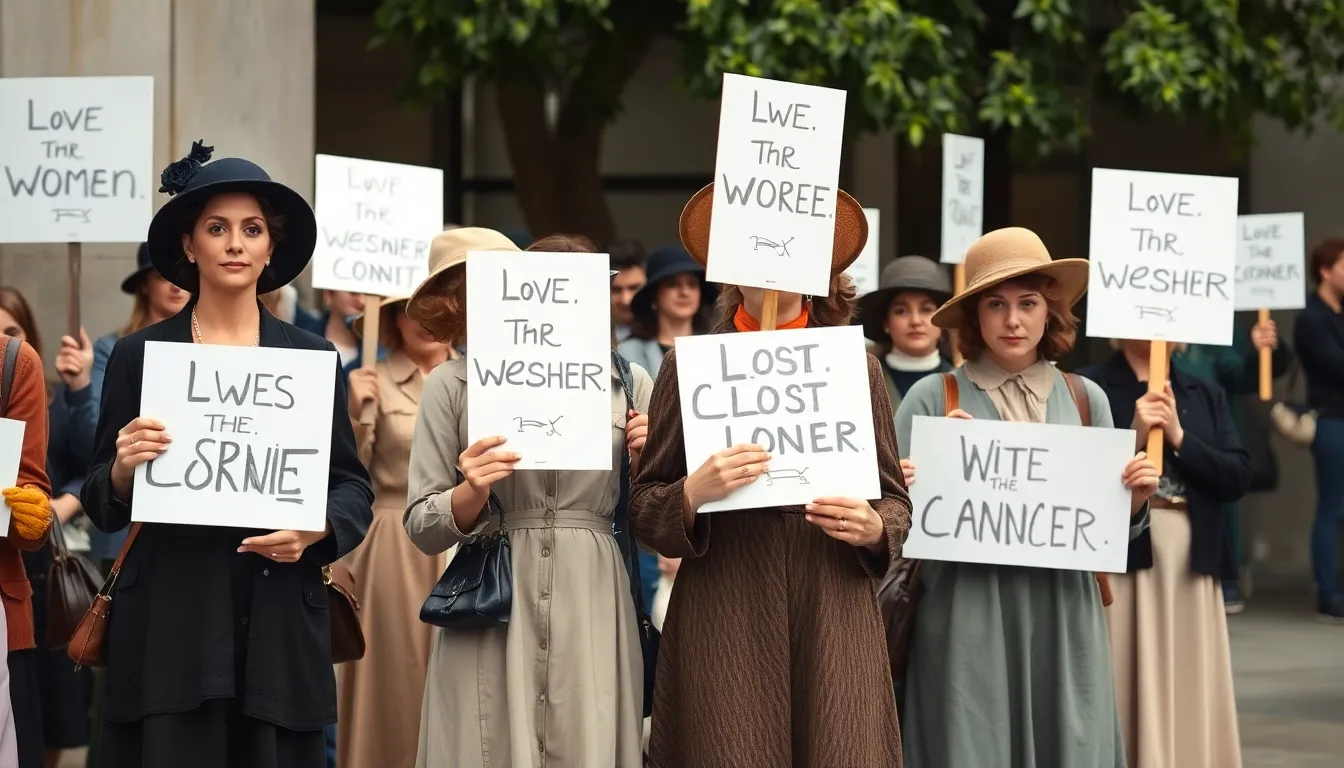
  • Women's Temperance Movement (WCTU) played a key role in pushing for Prohibition.
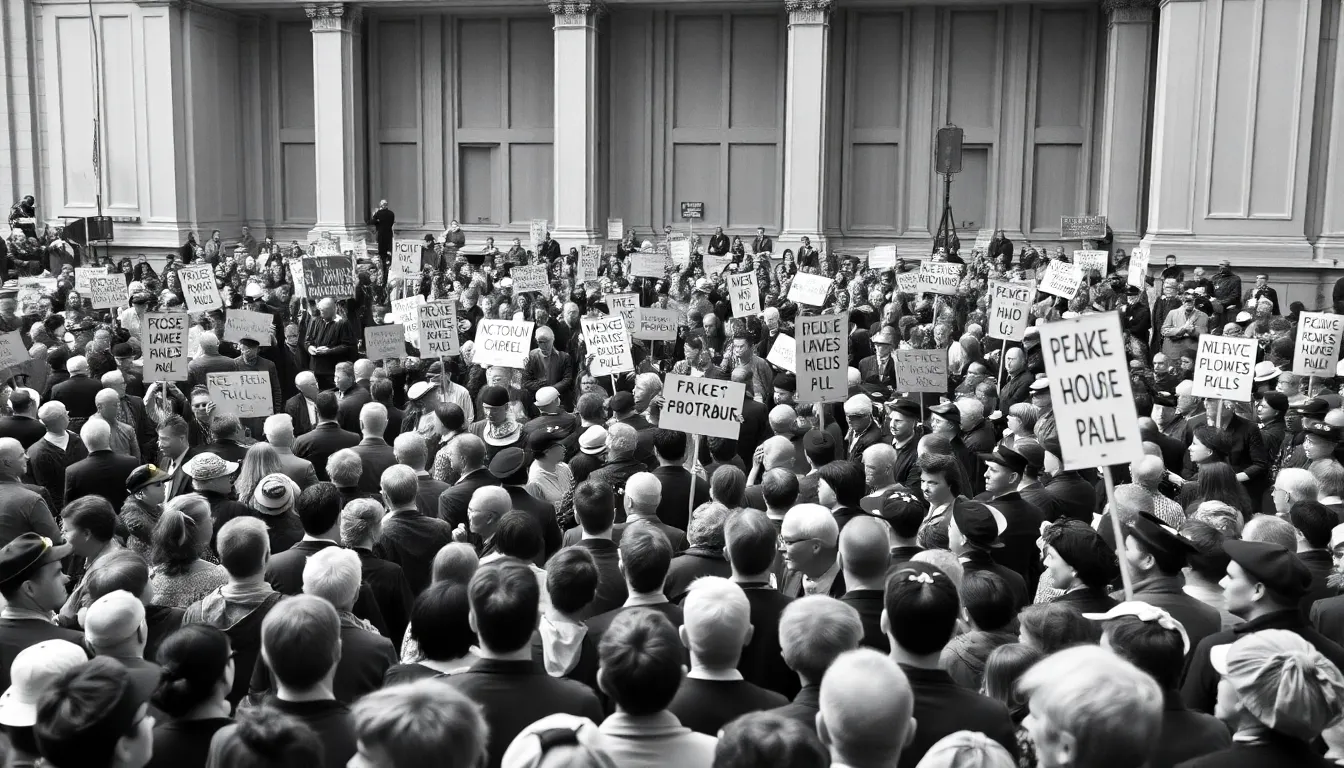
  • Anti-Saloon League lobbied for national Prohibition in the early 1900s.
Origins of Prohibition
3

18th Amendment Ratified

  • Ratified in 1919, the 18th Amendment enforced nationwide Prohibition.
  • Volstead Act defined the rules and penalties for violating Prohibition.
  • Prohibition aimed to reduce crime, corruption, and social issues linked to alcohol.
18th Amendment Ratified
4

Impact on Society

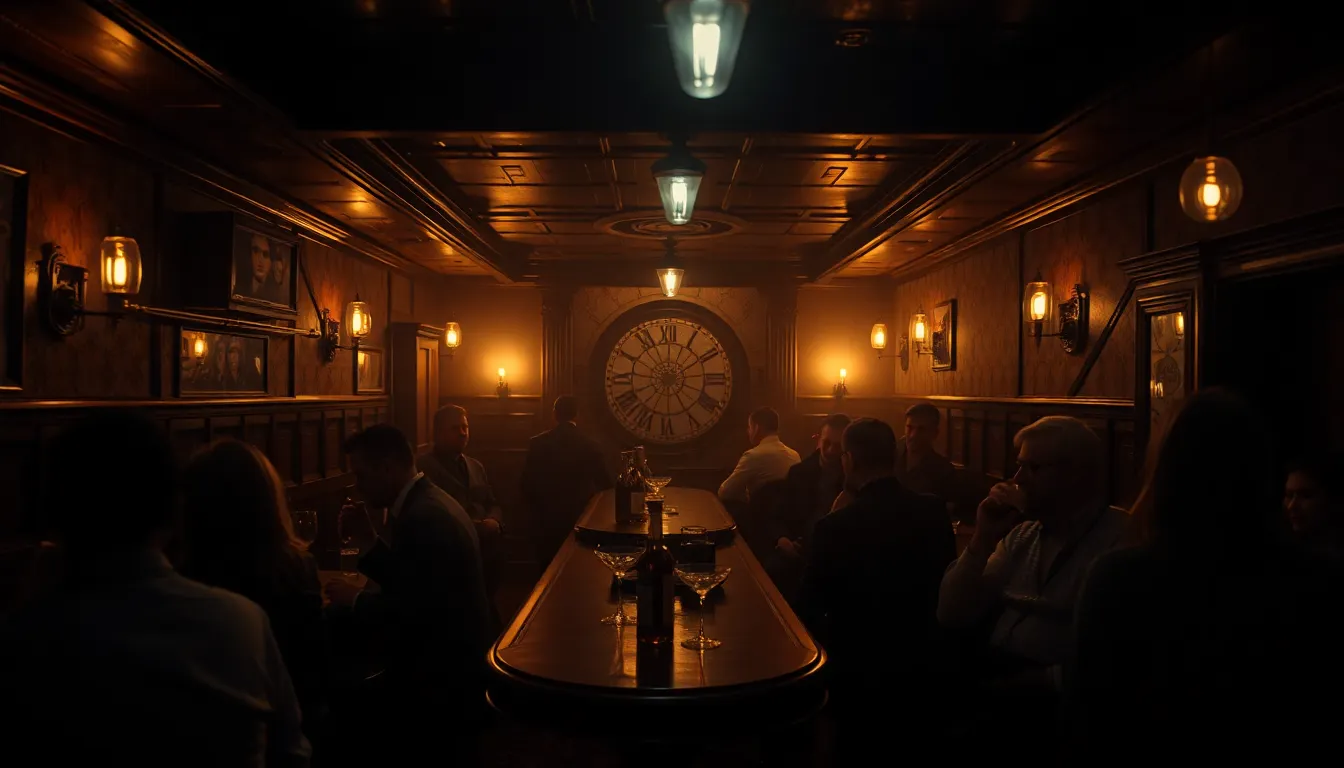
  • Speakeasies (illegal bars) flourished, especially in urban areas.
  • Organized crime grew as gangs like Al Capone's profited from bootlegging.
  • Public health issues arose from poorly made, dangerous moonshine.
Impact on Society
5

Enforcement Challenges

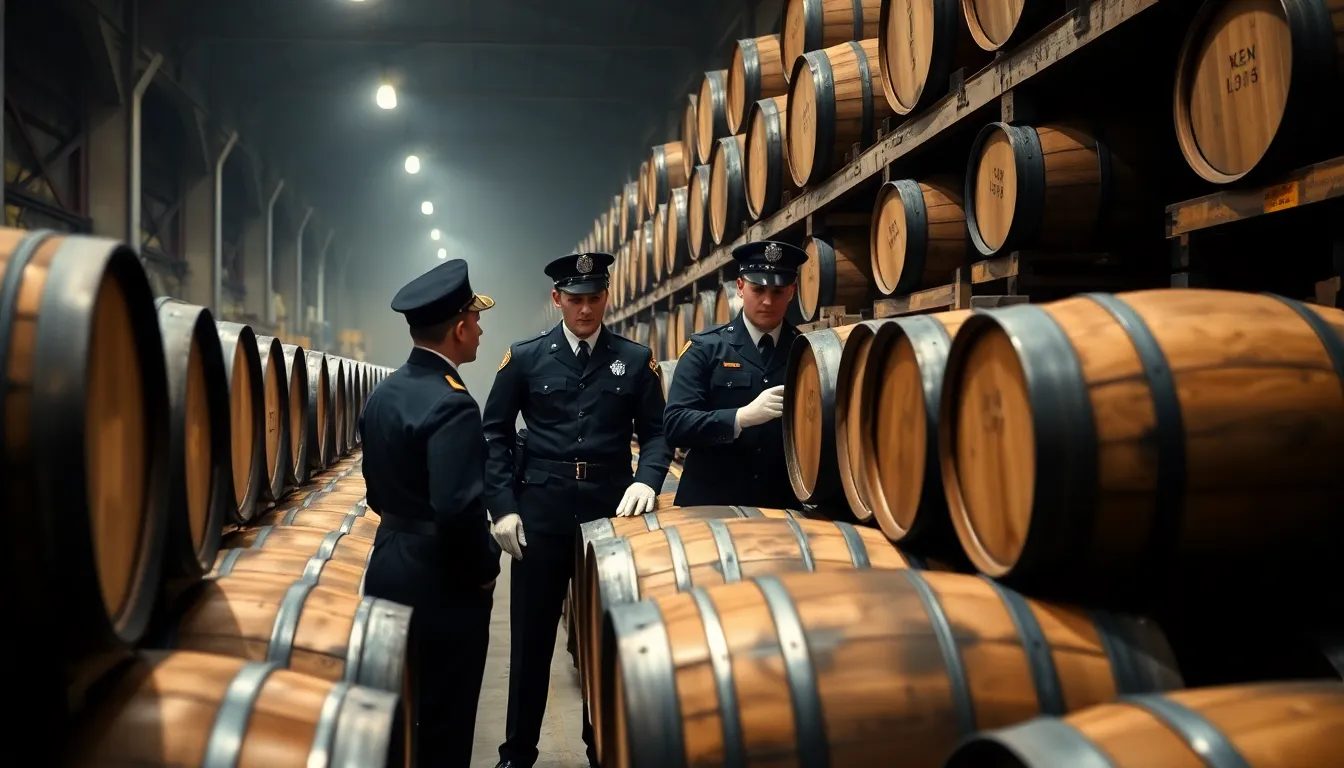
  • Underfunded enforcement led to widespread corruption among officials.
  • Only 5% of smuggled alcohol was intercepted by authorities.
  • Public support waned as illegal drinking became commonplace.
Enforcement Challenges
6

Economic Consequences

  • Government lost significant tax revenue from alcohol sales.
  • Thousands of jobs were lost in breweries, distilleries, and bars.
  • Farmers who supplied grains for alcohol production suffered financially.
Economic Consequences
7

Cultural Shifts

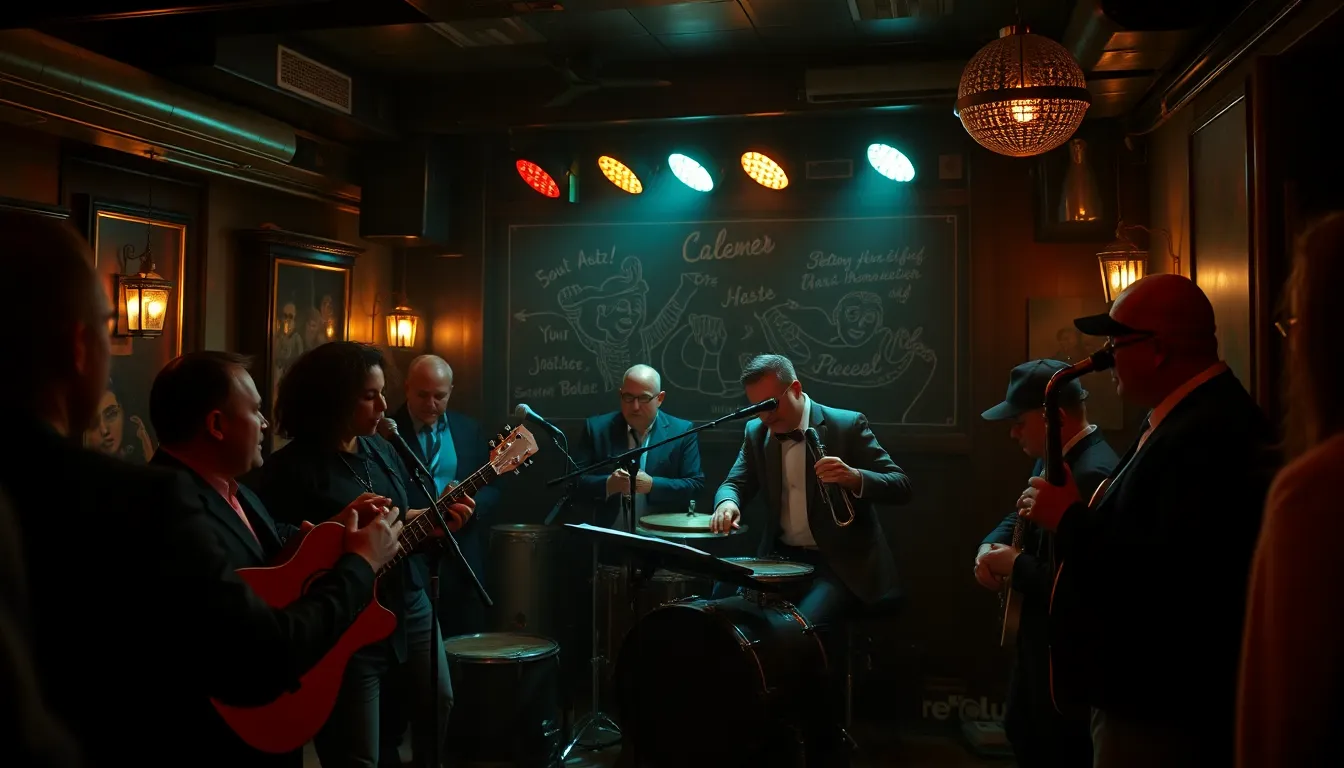
  • Jazz music and flapper culture thrived in secret nightlife spots.
  • Women began drinking publicly in speakeasies, defying traditional norms.
  • Prohibition fueled the rise of cocktail culture to mask poor-quality liquor.
Cultural Shifts
8

Debate: Prohibition vs. Repeal

  • Supporters argued Prohibition reduced domestic violence and improved productivity.
  • Opponents claimed it caused more crime and violated personal freedoms.
  • The Great Depression shifted focus to economic recovery over moral reform.
Debate: Prohibition vs. Repeal
9

Repeal of Prohibition

  • 21st Amendment repealed Prohibition in 1933, the only amendment ever repealed.
  • States regained control over alcohol regulations.
  • Federal Alcohol Control Administration was created to oversee the industry.
Repeal of Prohibition
10

Exit Ticket Question

  • Reflect: Was Prohibition a success or failure? Provide two reasons for your answer.
  • Consider economic, social, and cultural impacts in your response.
  • Submit your answer before leaving.
Exit Ticket Question
1 / 10