Restaurant Waste-to-Methane Cooking System

📑 5 slides 👁 2 views 📅 3/4/2026
0.0 (0 ratings)

Introduction to Sustainable Cooking

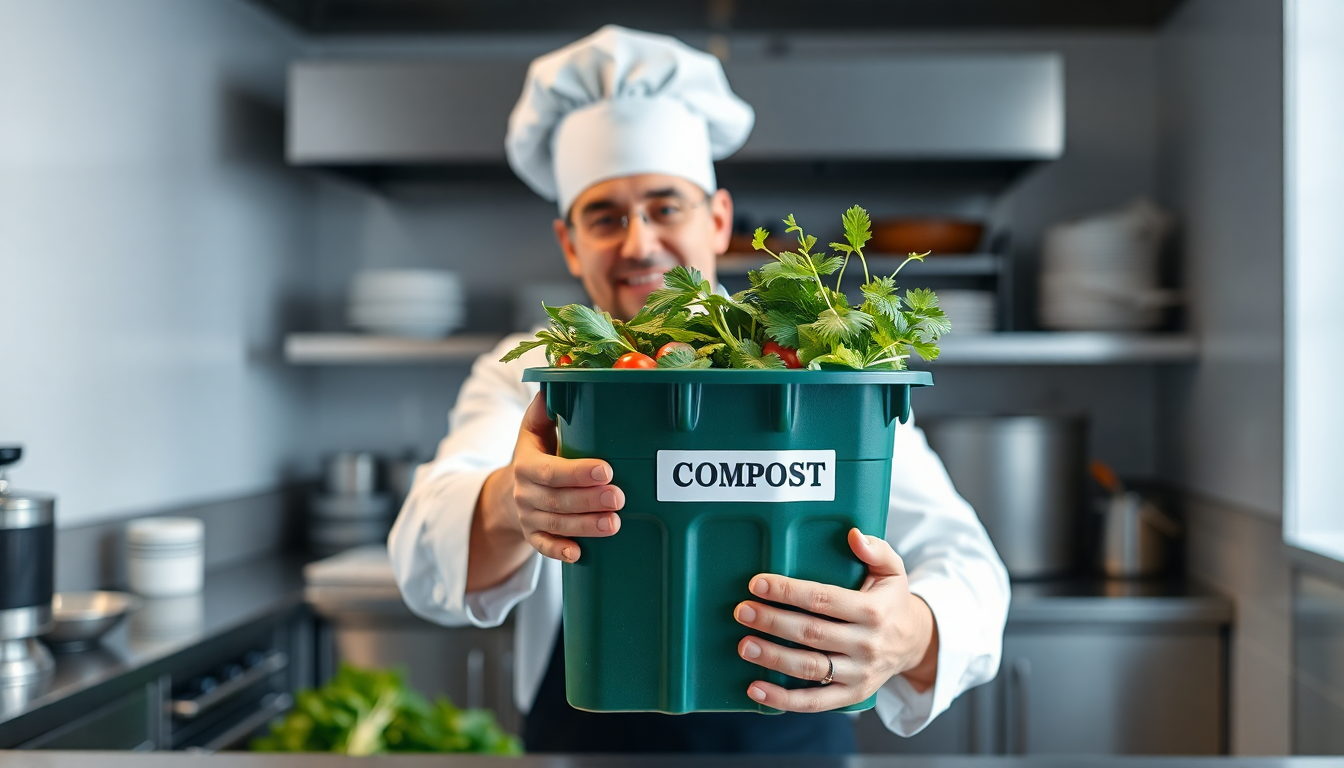
Food waste is a significant contributor to greenhouse gas emissions

Introduction to Sustainable Cooking
2

The Science Behind Waste-to-Methane

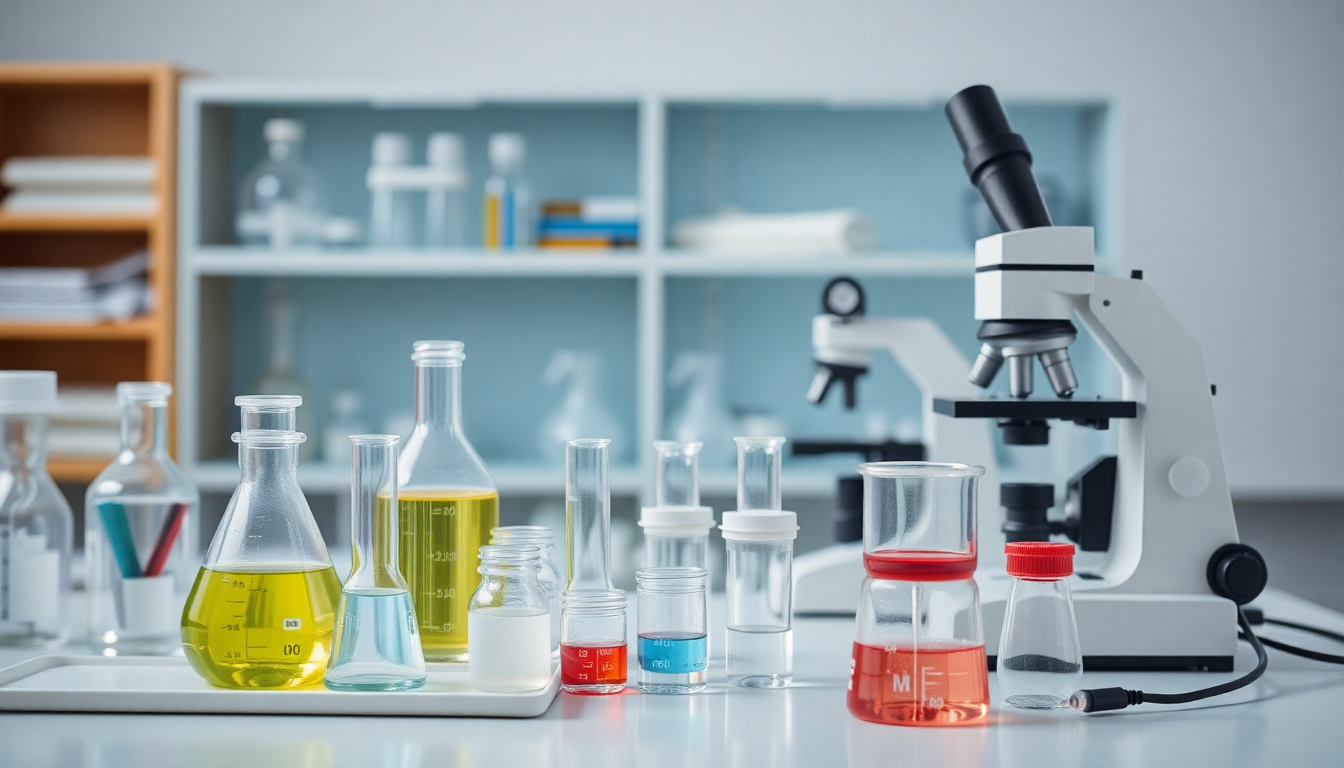
  • Anaerobic digestion breaks down organic matter into biogas (60% methane, 40% CO2)
  • Methane can be used as a renewable energy source for cooking
  • This process reduces waste disposal costs and creates a closed-loop system
The Science Behind Waste-to-Methane
3

Benefits of Waste-to-Methane Cooking

  • Reduces greenhouse gas emissions by up to 80%
  • Saves restaurants up to 50% on energy costs
  • Creates a sustainable, closed-loop system for food waste management
Benefits of Waste-to-Methane Cooking
4

Implementation and Challenges

  • Requires significant upfront investment in infrastructure and technology
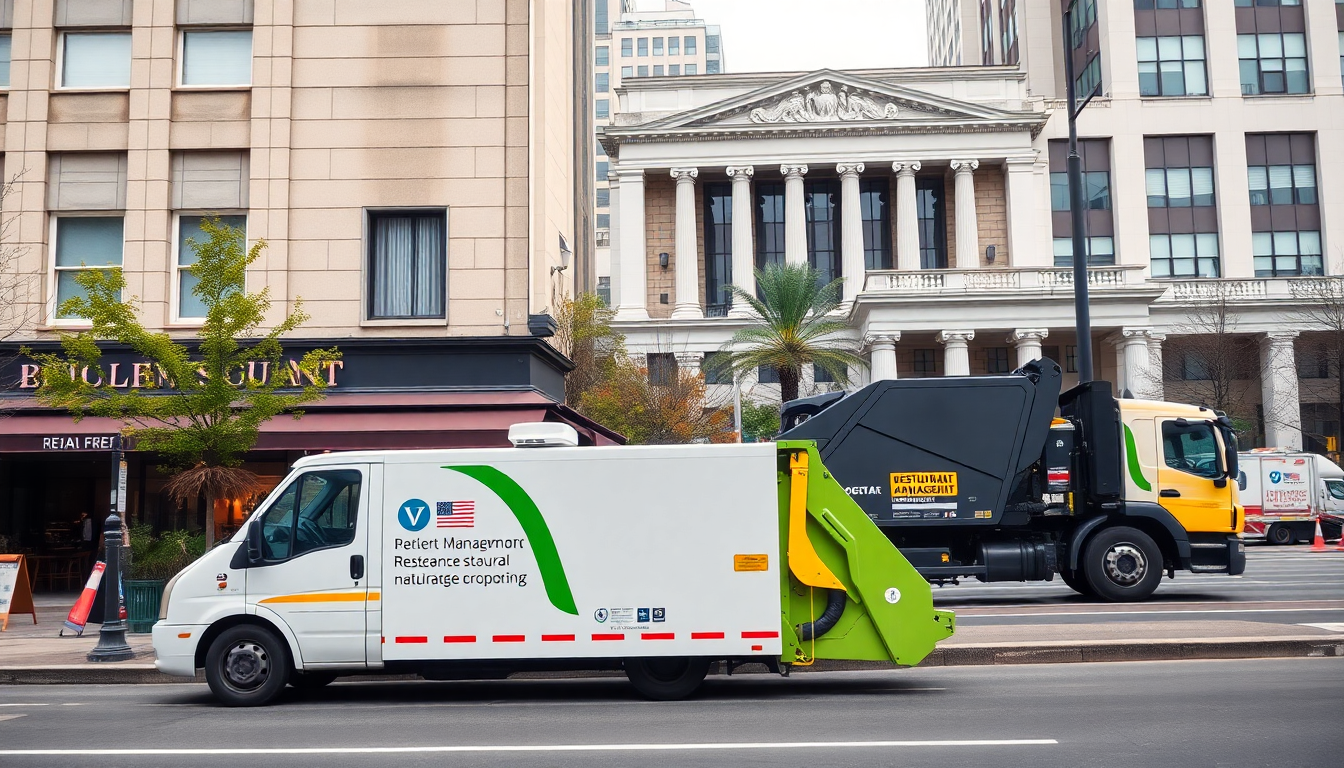
  • Needs collaboration between restaurants, waste management companies, and government agencies
  • Education and training are necessary for successful adoption
Implementation and Challenges
5

Conclusion: A Sustainable Future for Restaurants

  • Waste-to-methane cooking systems can revolutionize the restaurant industry
  • It's time to take action and invest in a sustainable future
  • Together, we can reduce emissions and create a better environment
Conclusion: A Sustainable Future for Restaurants
1 / 5