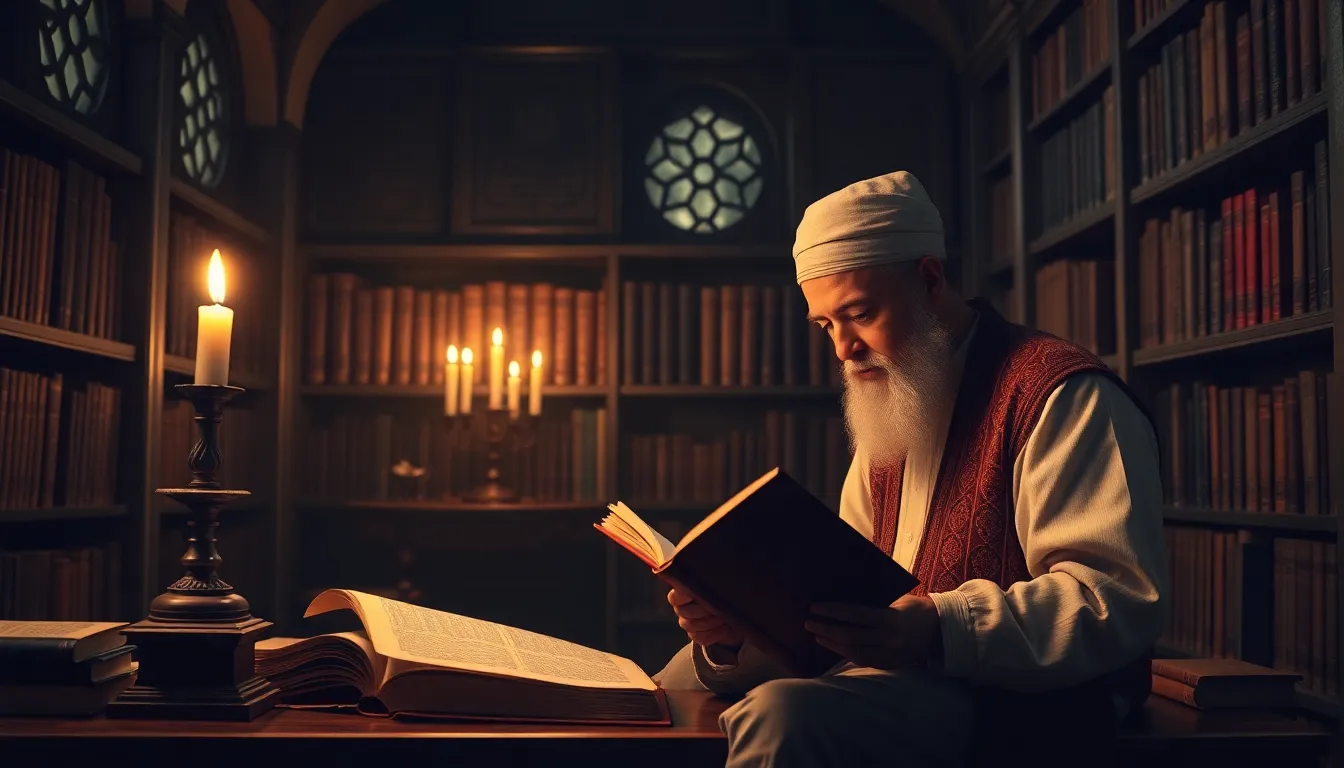
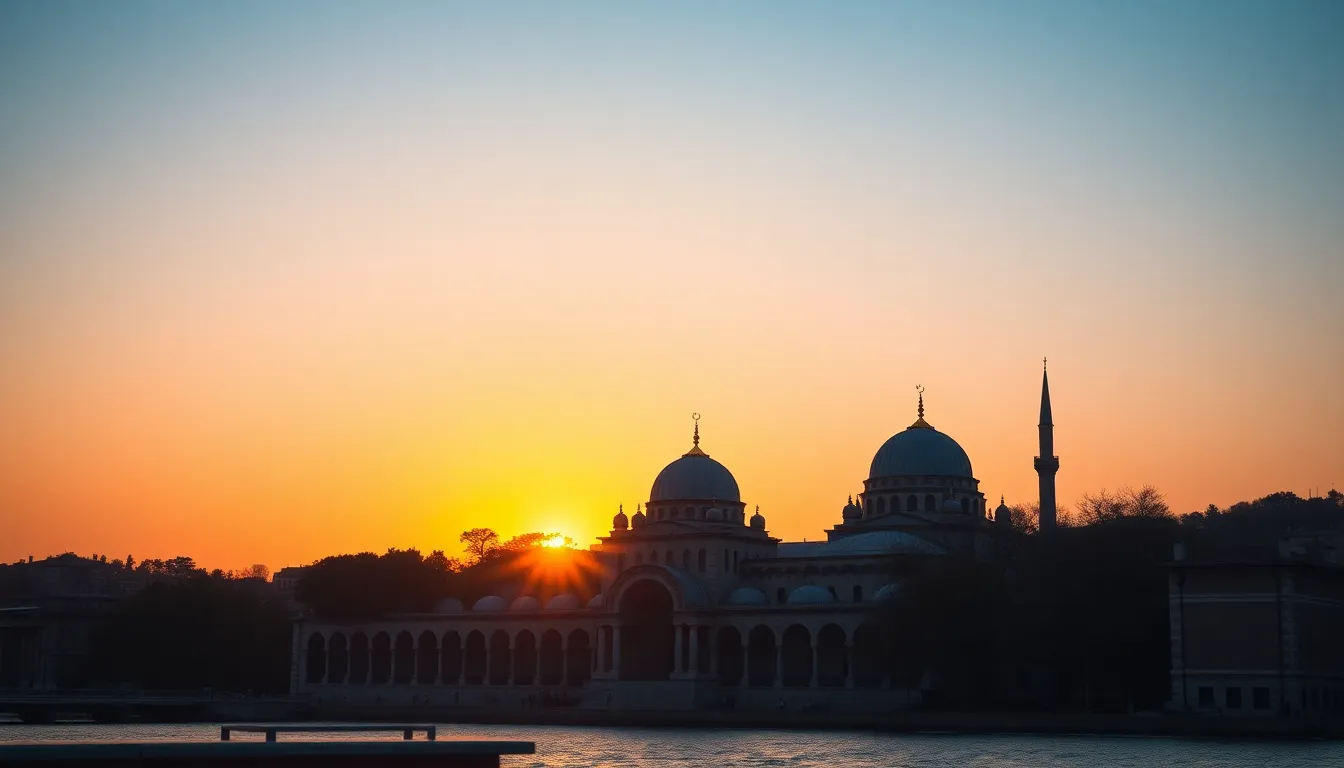
Ottoman Empire in 1700s

📑 10 slides 👁 4 views 📅 1/19/2026

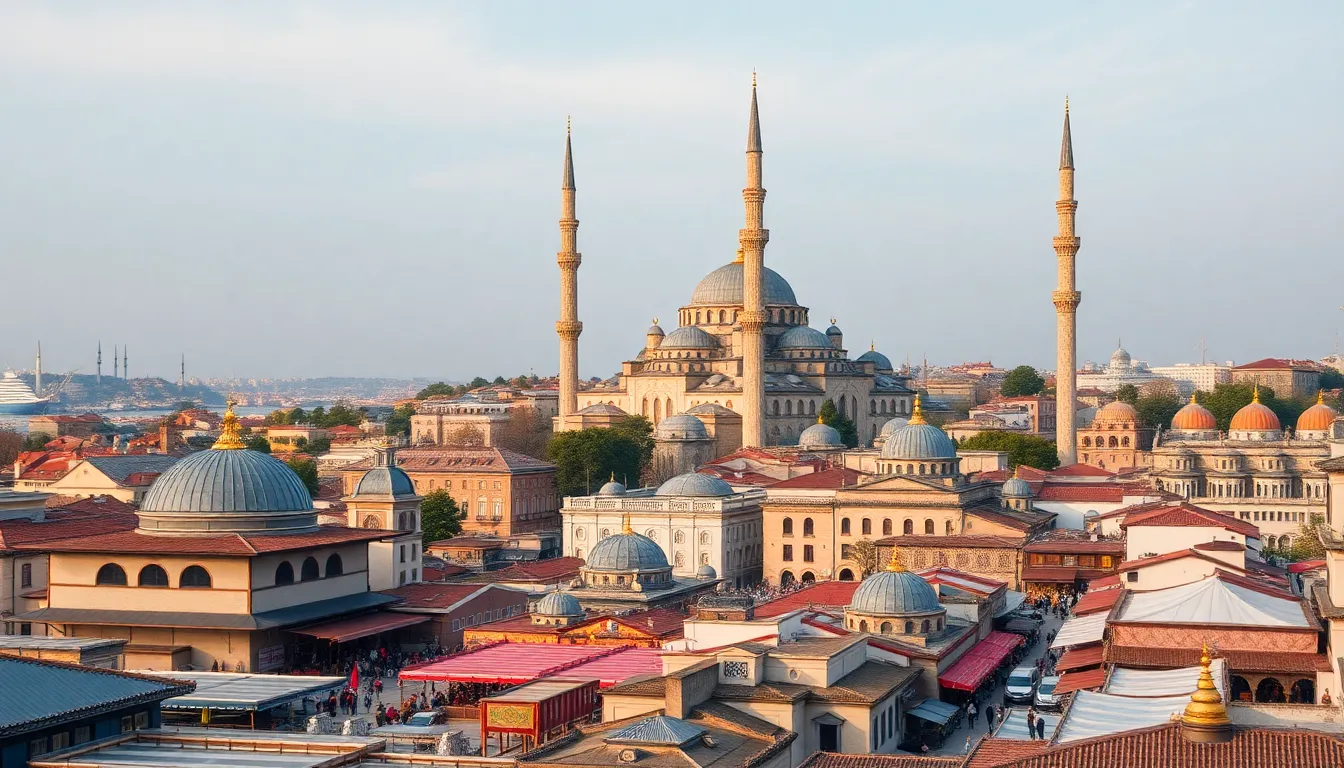
Overview of the 1700s Ottoman Empire

The Ottoman Empire in the 1700s was a vast multi-ethnic state spanning three continents.

Overview of the 1700s Ottoman Empire
2

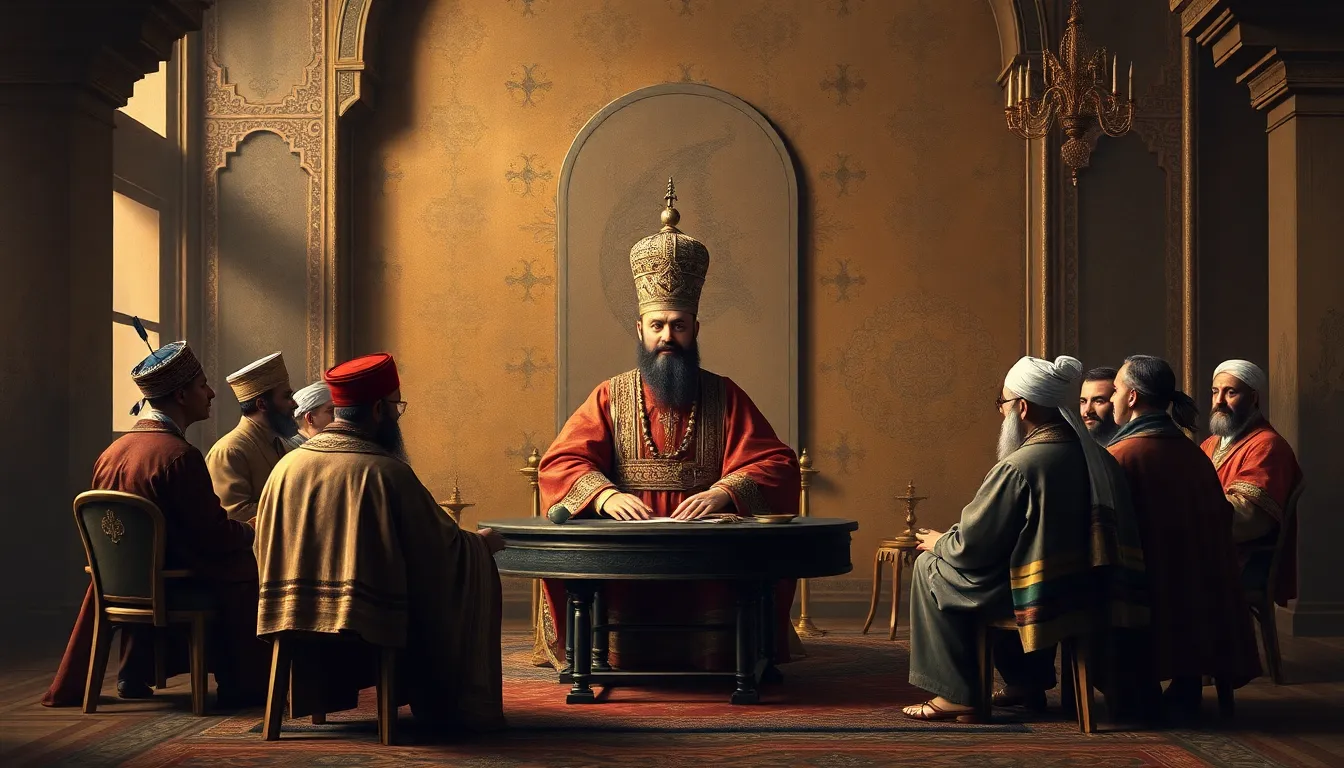
Political Structure & Administration

  • The empire was ruled by absolute monarchs, with sultans like Ahmed III and Mahmud I.
  • The devshirme system (child levy) declined, weakening the Janissary corps' loyalty.
  • Local governors (pashas) often acted independently, reducing central control.
  • The Grand Vizier led the government, but power struggles were frequent.
Political Structure & Administration
3

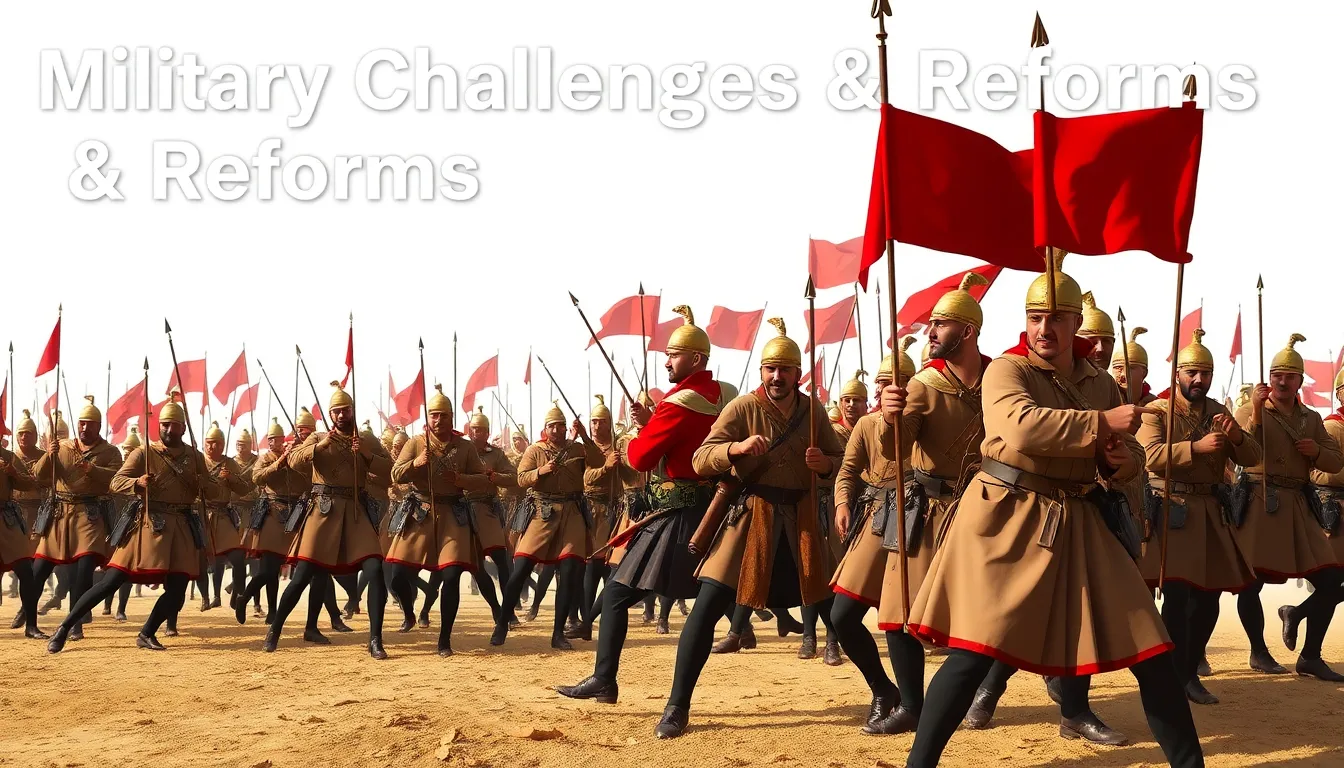
Military Challenges & Reforms

  • The empire lost Crimea to Russia in 1774, a major blow to its northern borders.
  • Janissary rebellions destabilized the military, resisting modernization attempts.
  • European-style reforms began under Selim III (1789–1807) but faced opposition.
  • The Habsburgs and Russia increasingly encroached on Ottoman territories.
Military Challenges & Reforms
4

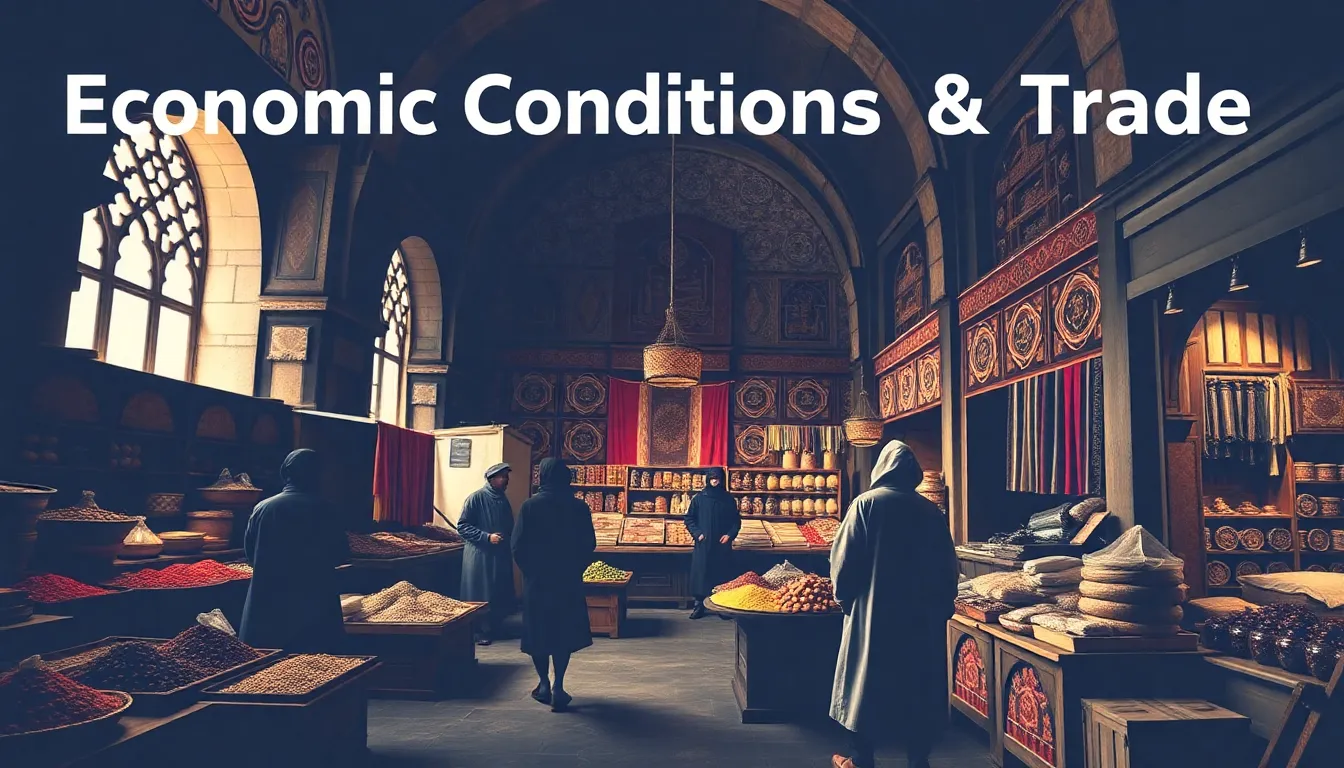
Economic Conditions & Trade

  • The empire struggled with inflation due to debased coinage and trade deficits.
  • European mercantile powers gained economic influence through capitulations.
  • Textiles, spices, and ceramics remained key exports, but competition grew.
  • Tax farming (iltizam) led to corruption and heavy burdens on peasants.
Economic Conditions & Trade
5

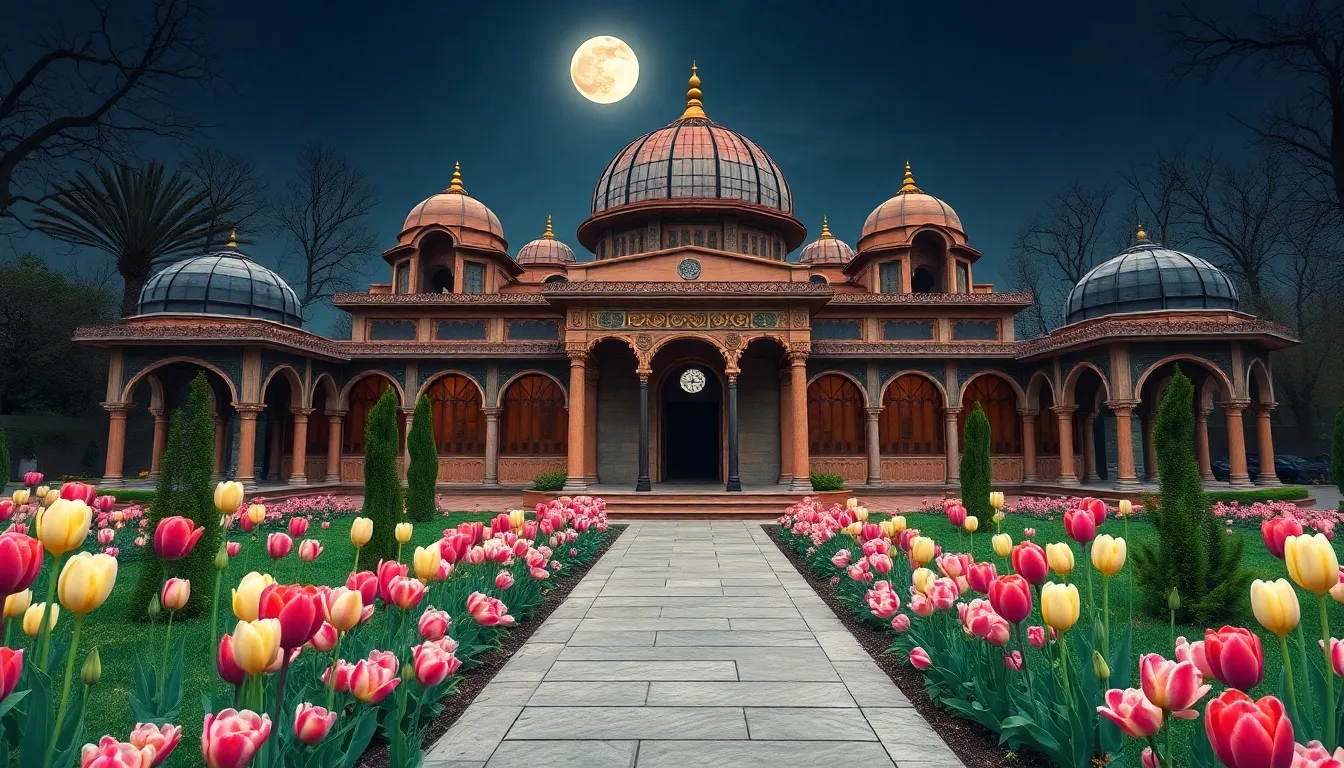
Cultural Flourishing: Tulip Period

  • Ahmed III's reign saw lavish patronage of arts, gardens, and tulip motifs.
  • Poetry, calligraphy, and miniature painting thrived in elite circles.
  • Public festivals and night-time tulip gardens symbolized courtly extravagance.
  • The period ended with a Janissary revolt against perceived decadence.
Cultural Flourishing: Tulip Period
6

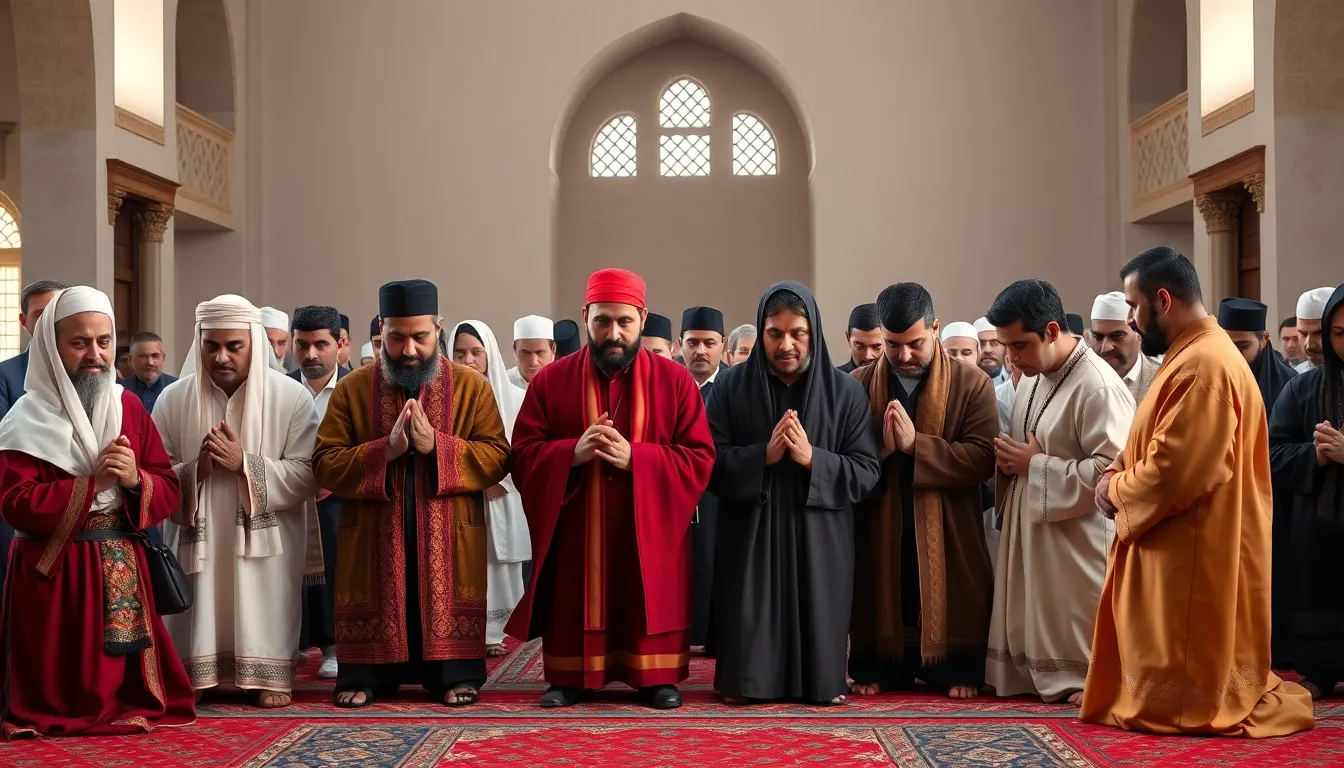
Religious & Ethnic Diversity

  • Millets (religious communities) governed non-Muslims like Greeks and Armenians.
  • Sufi orders like the Mevlevi (whirling dervishes) gained cultural influence.
  • Tensions arose between Sunni orthodoxy and heterodox groups like Alevis.
  • Jewish and Christian minorities played key roles in trade and diplomacy.
Religious & Ethnic Diversity
7

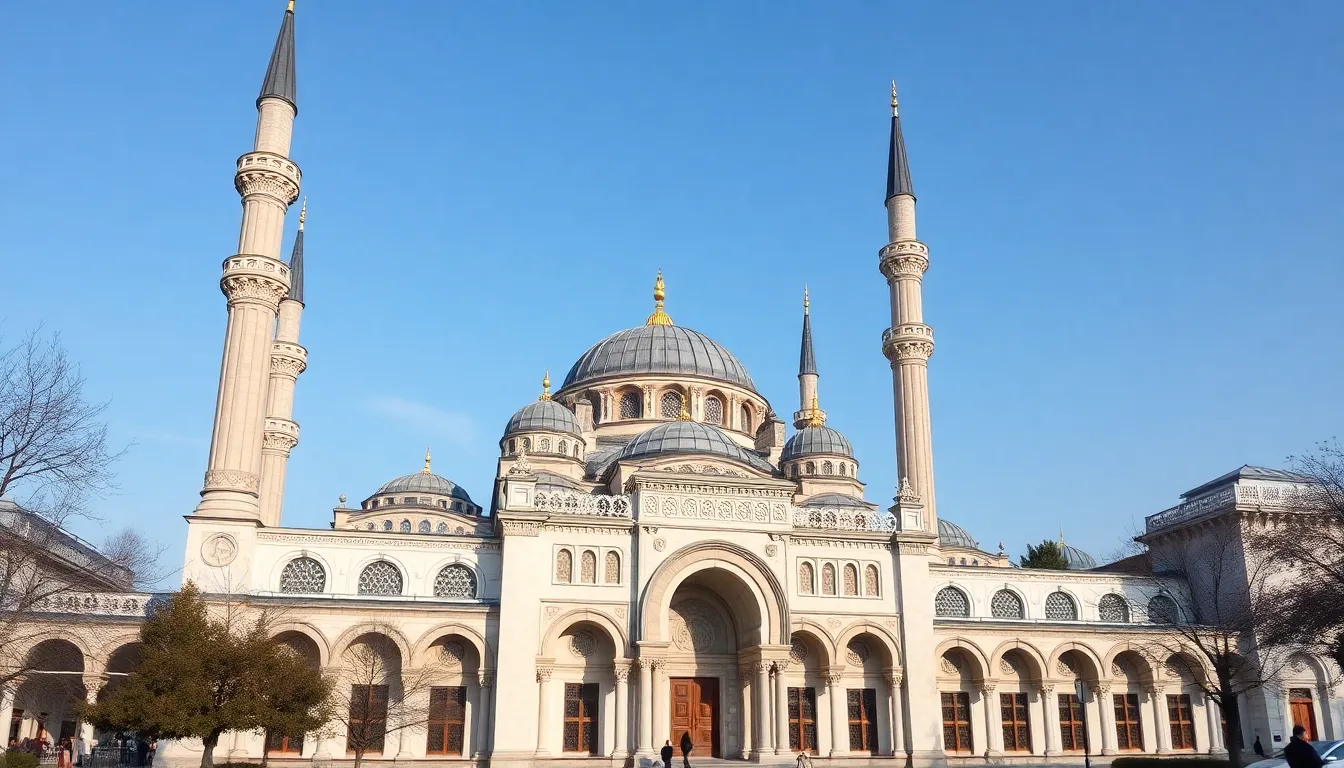
Architecture & Urban Life

  • Baroque influences appeared in mosques like Nuruosmaniye (completed 1755).
  • Istanbul's waterfront mansions (yalıs) reflected elite lifestyles.
  • Public fountains and libraries were built as charitable endowments.
  • Coffeehouses became hubs of social and intellectual exchange.
Architecture & Urban Life
8

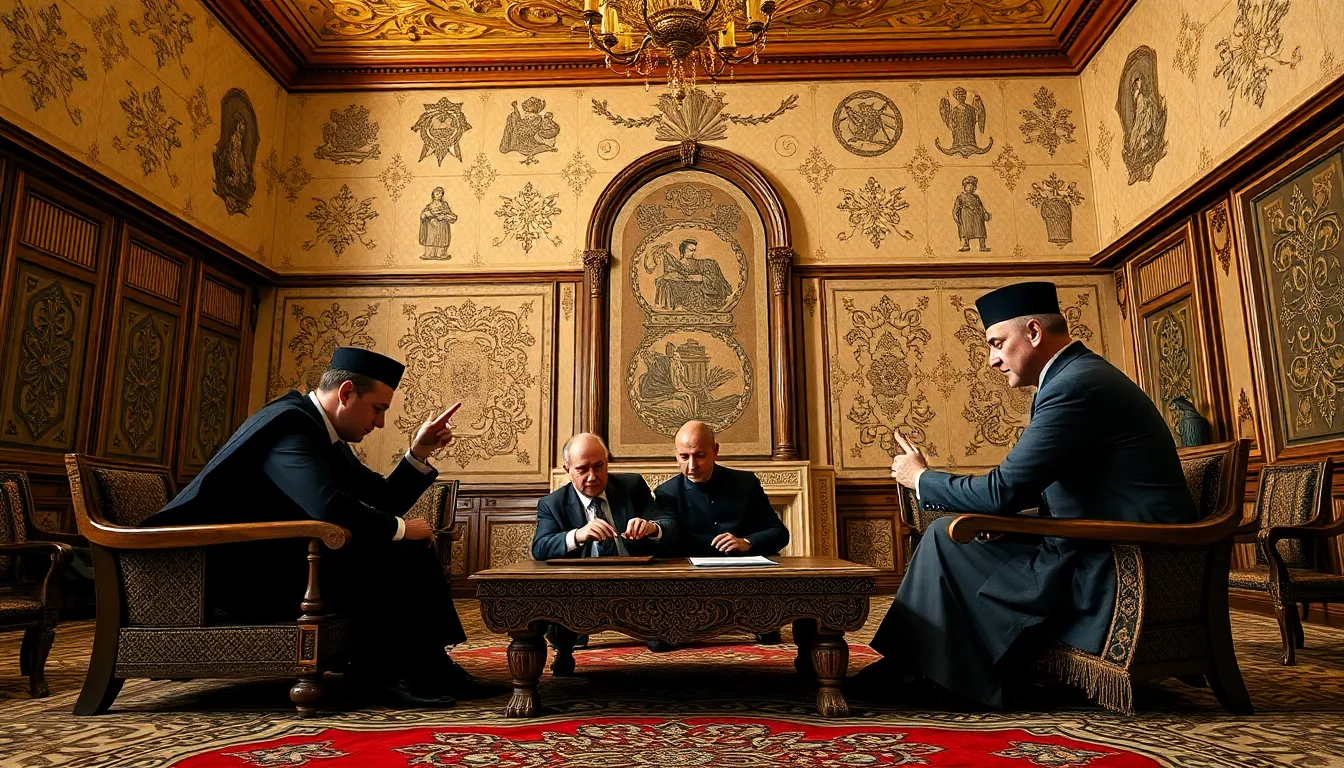
Foreign Relations & Diplomacy

  • The Treaty of Passarowitz (1718) ceded Belgrade to Austria.
  • France remained a key ally but couldn't prevent Russian expansion.
  • The 1774 Treaty of Küçük Kaynarca granted Russia protectorate over Orthodox subjects.
  • British and Dutch merchants gained trading privileges in Levantine ports.
Foreign Relations & Diplomacy
9

Intellectual & Scientific Developments

  • The first Ottoman printing press (1727) operated under Ibrahim Müteferrika.
  • European military manuals were translated to aid modernization efforts.
  • Traditional madrasa education resisted new scientific ideas from the West.
  • Chroniclers like Ahmet Cevdet Pasha documented the era's transformations.
Intellectual & Scientific Developments
10

Legacy & Decline

  • The 1700s laid groundwork for later Tanzimat reforms in the 1800s.
  • Territorial losses and economic dependency on Europe accelerated.
  • Cultural hybridity emerged as Western influences grew stronger.
  • The empire's resilience masked vulnerabilities that would unravel later.
Legacy & Decline
1 / 10