Nursing Management of Breast Disorders
📑 10 slides
👁 27 views
📅 1/28/2026
Introduction to Breast Disorders
Overview of common breast disorders including mastitis, abscess, and tumors.
2
Assessment of Breast: History
- Collect detailed medical history including family history of breast cancer.
- Assess patient's symptoms such as pain, lumps, or nipple discharge.
- Document menstrual cycle and hormonal therapies if applicable.
3
Assessment of Breast: Physical Exam
- Inspect breasts for symmetry, skin changes, and nipple abnormalities.
- Palpate for lumps, tenderness, or lymph node enlargement.
- Document findings using a breast diagram for accurate records.
4
Diagnostic Tests & Self-Exam
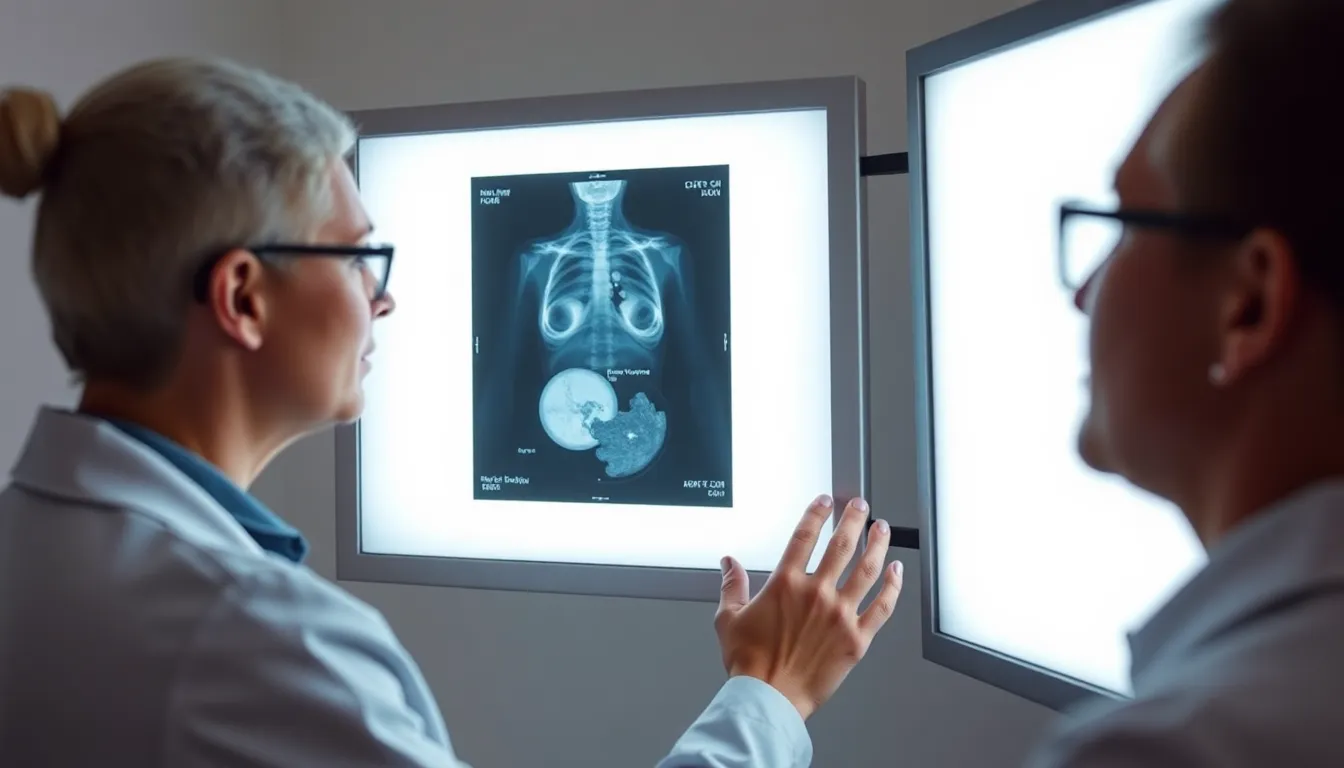
- Mammography, ultrasound, and biopsy for definitive diagnosis.
- Teach breast self-examination techniques for early detection.
- Emphasize monthly self-exams post-menstruation for best results.
📊
5
Mastitis: Definition & Causes
- Inflammation of breast tissue, often due to infection or milk stasis.
- Common in lactating women but can occur in non-lactating individuals.
- Risk factors include cracked nipples and poor breastfeeding techniques.
6
Mastitis: Management
- Medical: Antibiotics for infection, pain relief with analgesics.
- Nursing: Encourage frequent breastfeeding or pumping to relieve stasis.
- Educate on proper latch and hygiene to prevent recurrence.
7
Breast Abscess & Gynaecomastia
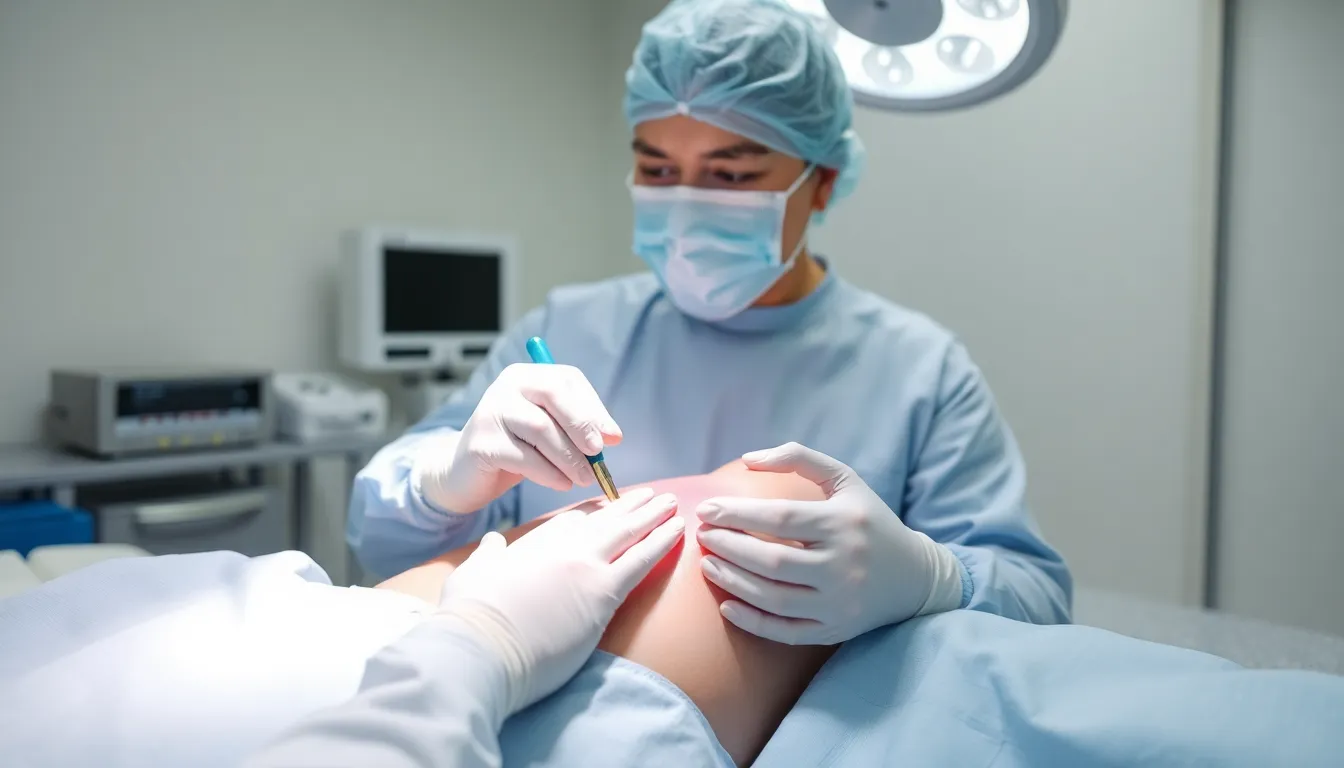
- Abscess: Pus collection requiring drainage and antibiotics.
- Gynaecomastia: Male breast enlargement due to hormonal imbalance.
- Nursing focus: Post-drainage wound care and hormonal assessment.
8
Breast Tumors & Malignancy
- Benign tumors like fibroadenomas vs. malignant breast cancer.
- Risk factors: Age, genetics, obesity, and prolonged estrogen exposure.
- Diagnostic steps: Imaging, biopsy, and staging for malignancy.
9
Nursing Management Post-Mastectomy
- Monitor for complications like lymphedema or infection at incision site.
- Provide emotional support and resources for body image concerns.
- Teach arm exercises to restore mobility and prevent stiffness.
10
Conclusion & Key Takeaways
- Comprehensive assessment and patient education are vital in breast care.
- Early detection through exams and tests improves treatment outcomes.
- Post-operative care requires physical and psychological support.
1 / 10