Motion in One Dimension: Distance and Displacement
📑 5 slides
👁 11 views
📅 11/8/2026
📺 YouTube
Describing Motion
An object is in motion when its position changes over a period of time relative to a reference point.
2
Distance: The Entire Path
- Distance is the total length of the path an object travels, including every turn and change of direction.
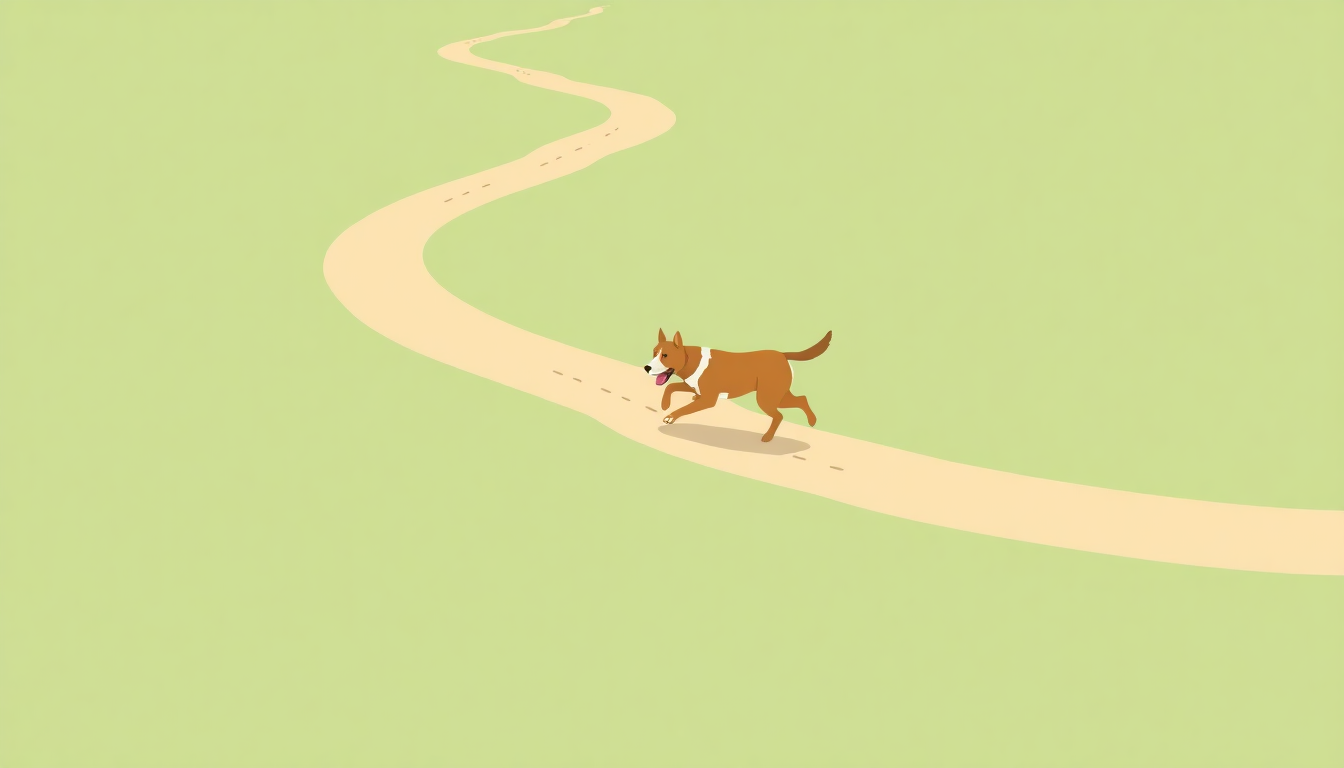
- A dog running 10 meters east, 5 meters south, then 10 meters west travels a total distance of 25 meters.
- Distance is a scalar quantity: it has magnitude but no direction, and its value is never negative.
- The standard SI unit of distance is the meter, represented by the symbol m; add all path segments to find it.
3
Displacement: Change in Position
- Displacement is the straight-line change from an object's initial position to its final position.
- Unlike distance, displacement is a vector quantity, so it includes both magnitude and direction.
- After the dog's 10-meter east, 5-meter south, and 10-meter west route, its displacement is 5 meters south.
- Displacement uses meters and can be positive, negative, or zero, depending on position and chosen direction.
4
Comparing the Two Measures
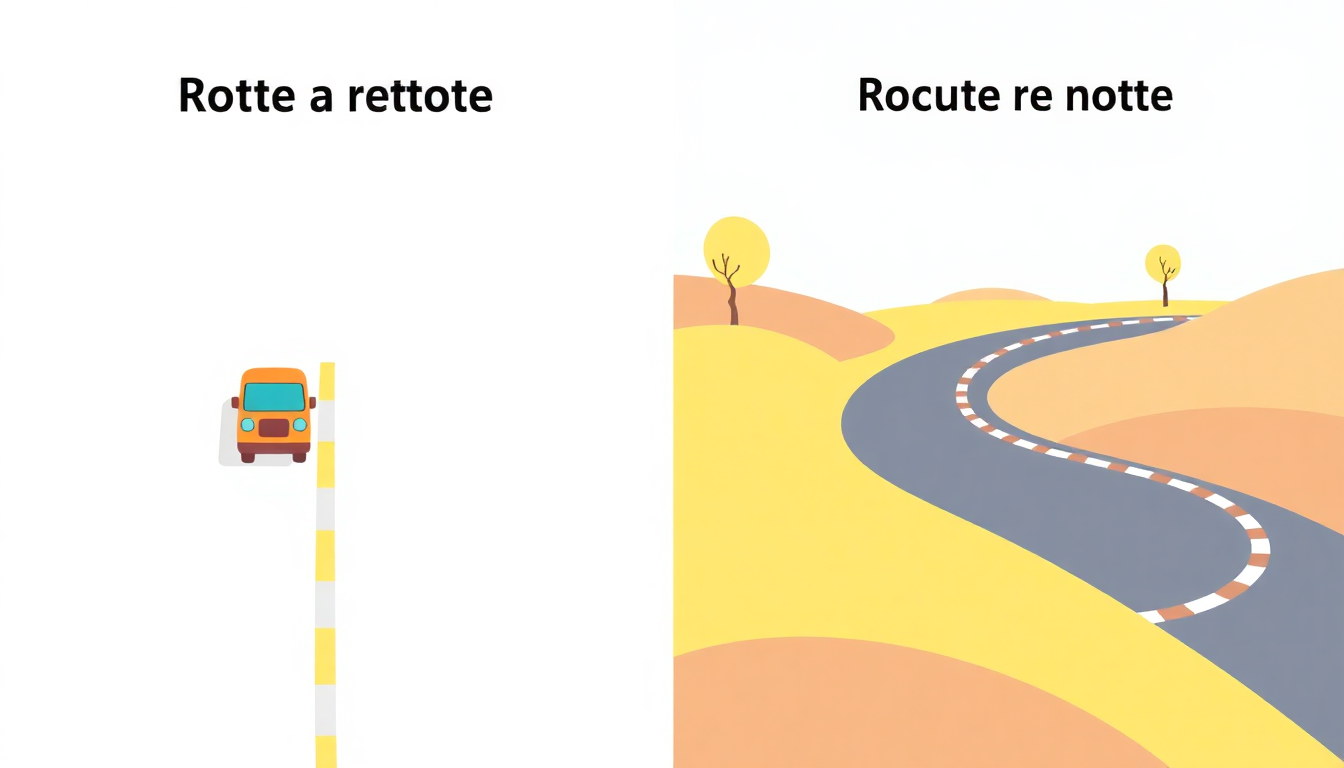
- Distance measures the full path traveled; displacement measures only the straight-line separation between endpoints.
- Displacement can equal distance when an object travels directly along a straight path without changing direction.
- Displacement cannot be greater than distance because the straight line between endpoints is the shortest route.
- If an object returns to its starting point, its displacement is zero, although the distance traveled is greater than zero.
5
Key Takeaways
- Use a reference point and a time interval to decide whether an object's position has changed and motion has occurred.
- Calculate distance by adding every part of the route; describe the result as a magnitude without direction.
- Determine displacement from the initial to the final position, reporting both its magnitude and direction.
- For the example route, the dog travels 25 meters but ends 5 meters south of its starting position.
1 / 5