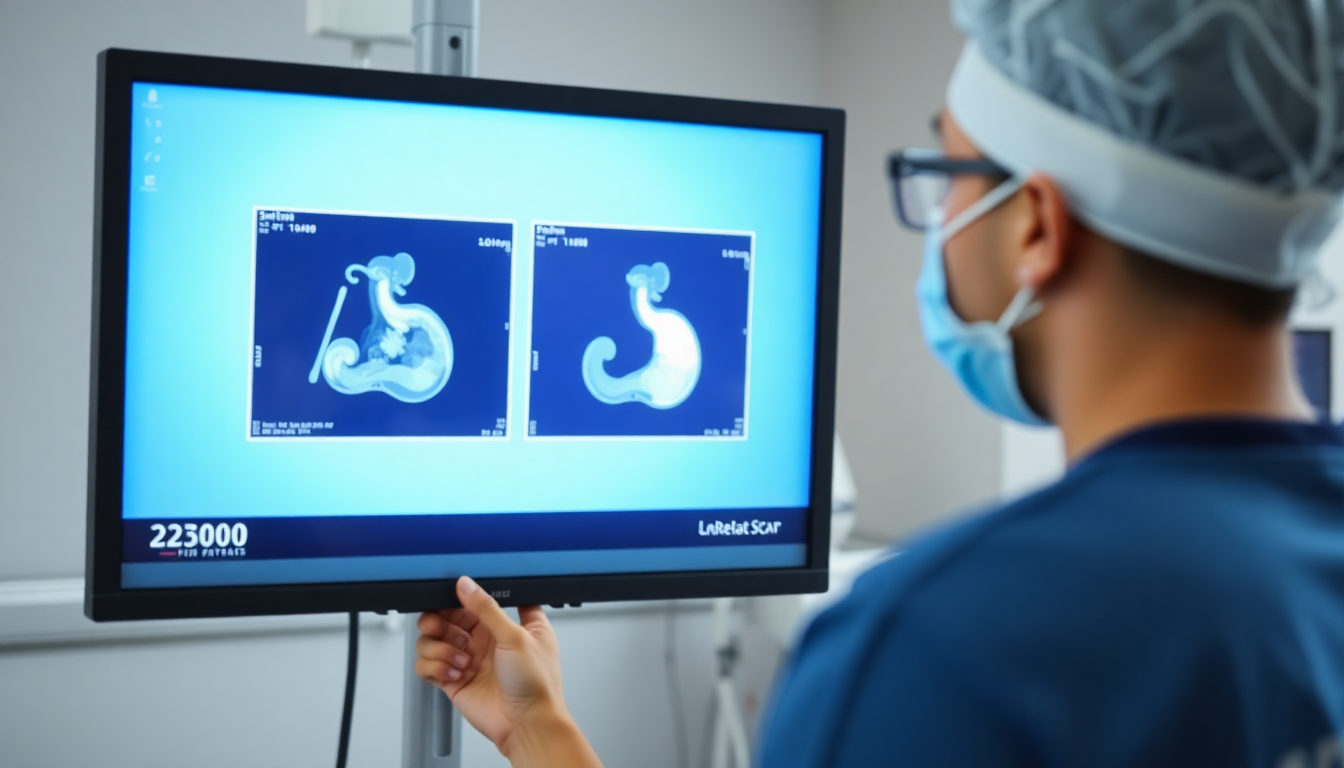
Movement of the Stomach

📑 5 slides 👁 2 views 📅 3/5/2026
0.0 (0 ratings)

Introduction to Stomach Movement

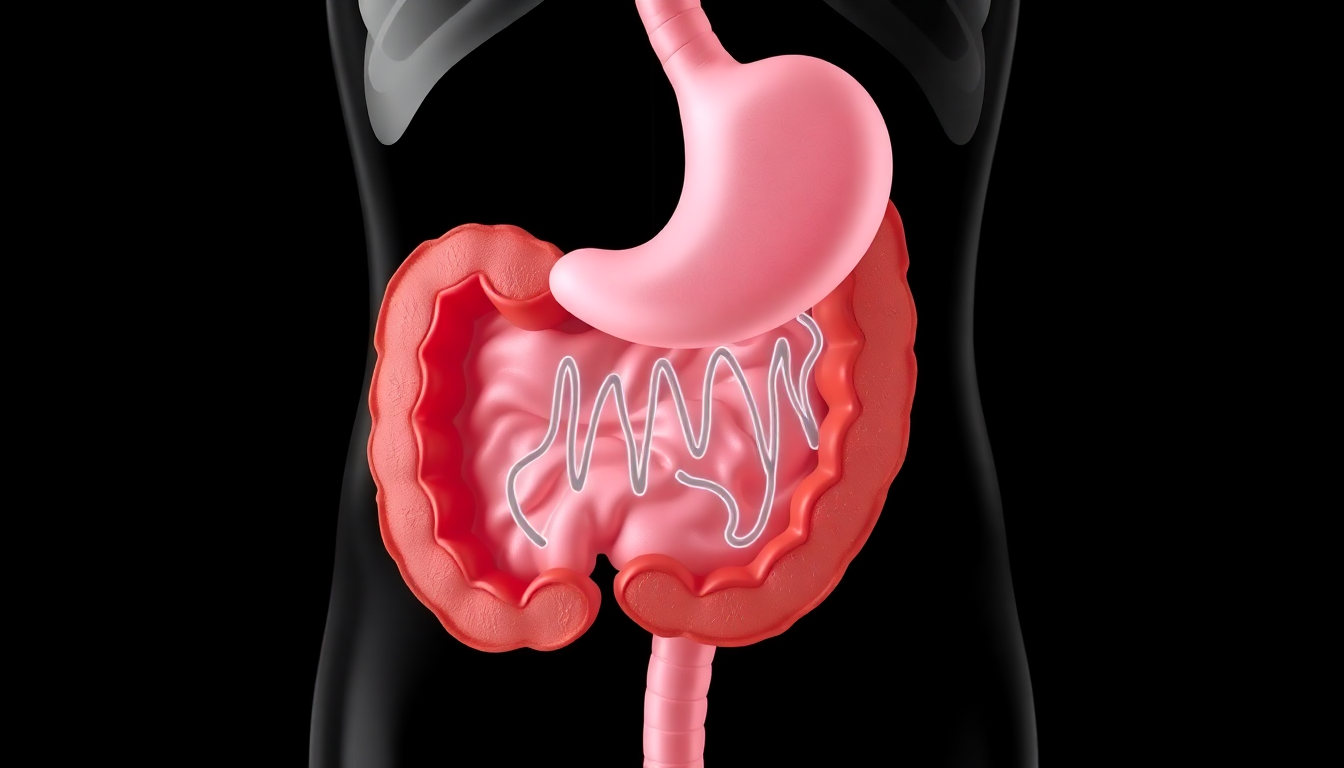
The stomach undergoes rhythmic contractions called peristalsis to mix and move food.

Introduction to Stomach Movement
2

Mechanical Digestion

  • The stomach churns food into a semi-liquid mixture called chyme.
  • Pyloric sphincter regulates chyme release into the small intestine.
  • Emptying typically takes 2-4 hours depending on meal composition.
Mechanical Digestion
3

Hunger Contractions

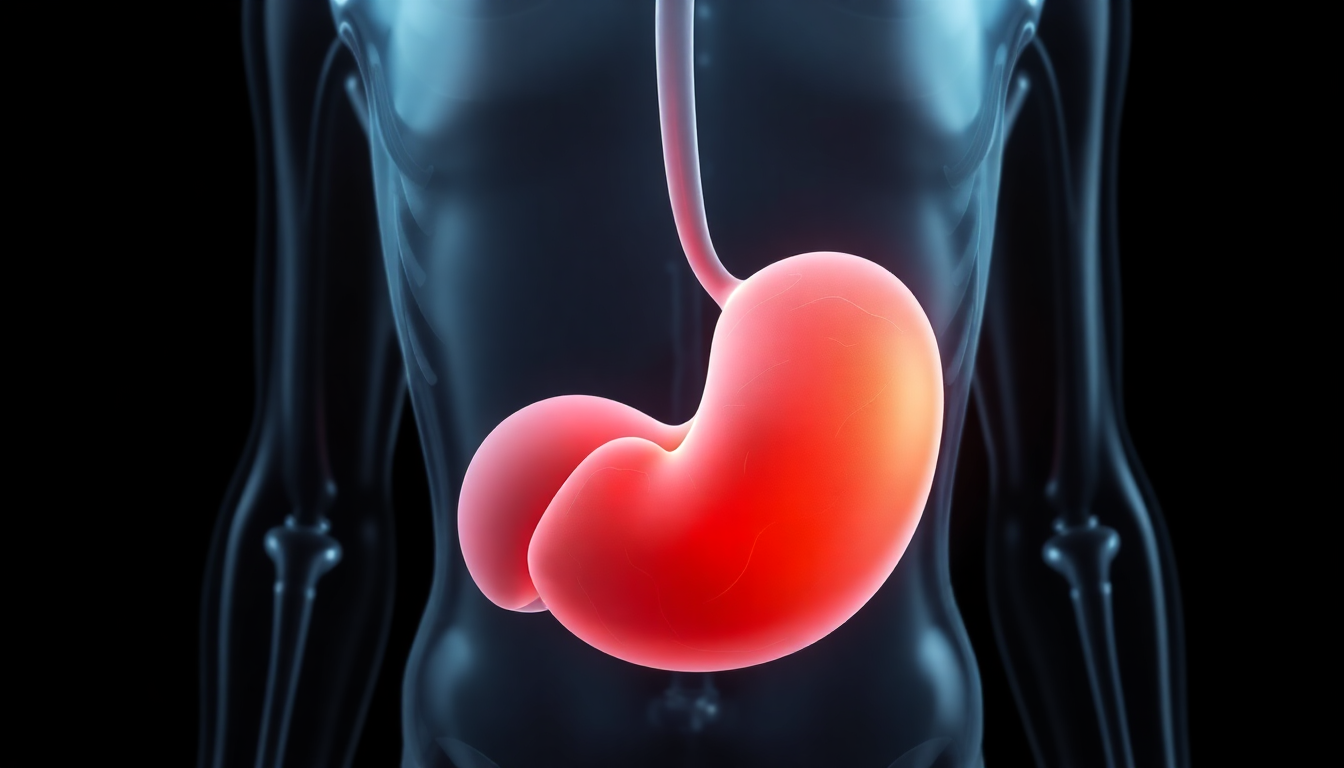
  • Strong contractions occur when empty, creating hunger sensations.
  • Migrating motor complex cleans stomach between meals every 90-120 minutes.
  • These fast waves can reach 3 contractions per minute.
Hunger Contractions
4

Regulation Factors

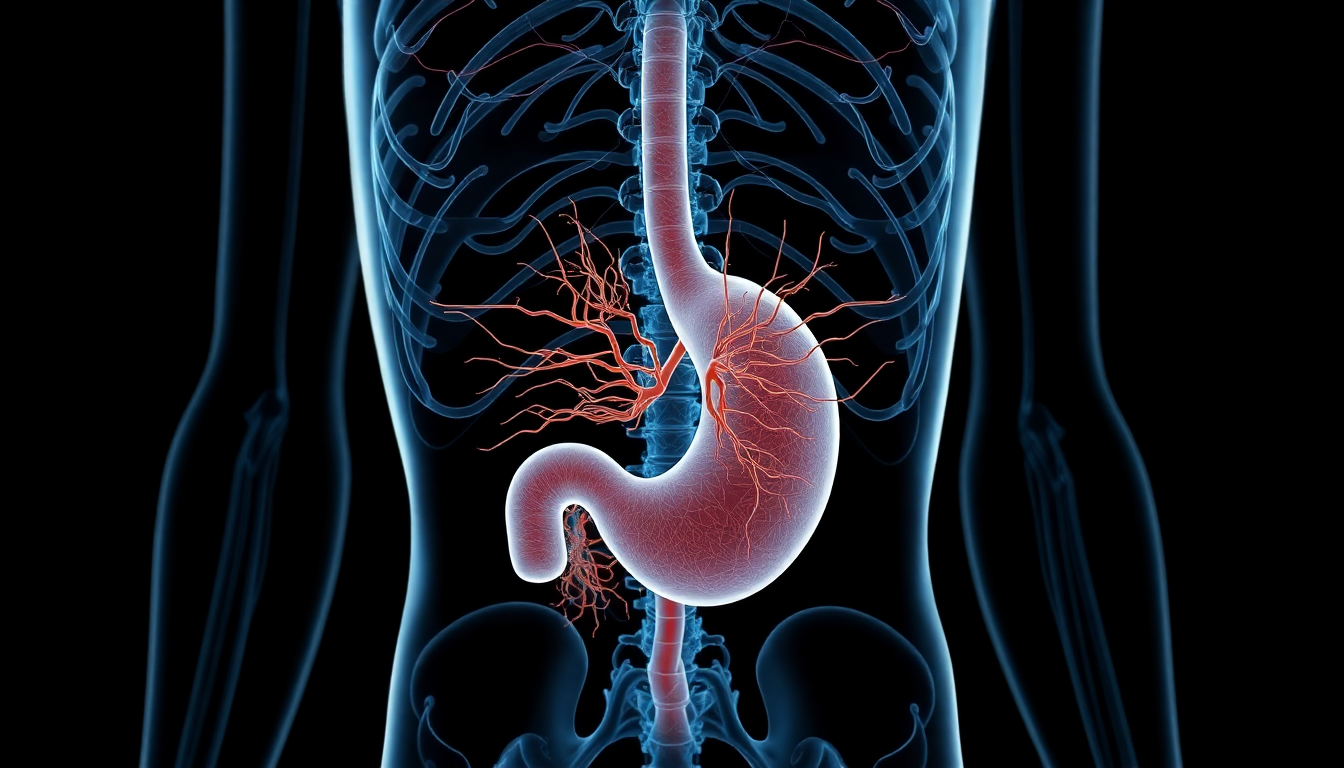
  • Vagus nerve stimulates motility; sympathetic nerves inhibit it.
  • Hormones like gastrin increase movements; secretin decreases them.
  • Fatty foods slow emptying; liquids pass through fastest.
Regulation Factors
5

Clinical Importance

  • Gastroparesis affects 10% of diabetics with delayed emptying.
  • Rapid emptying causes dumping syndrome after some surgeries.
  • Imaging techniques track movement using radioactive markers.
Clinical Importance
1 / 5