Most Important Diodes: History & Principles

📑 5 slides 👁 26 views 📅 3/17/2026
0.0 (0 ratings)

Introduction to Diodes

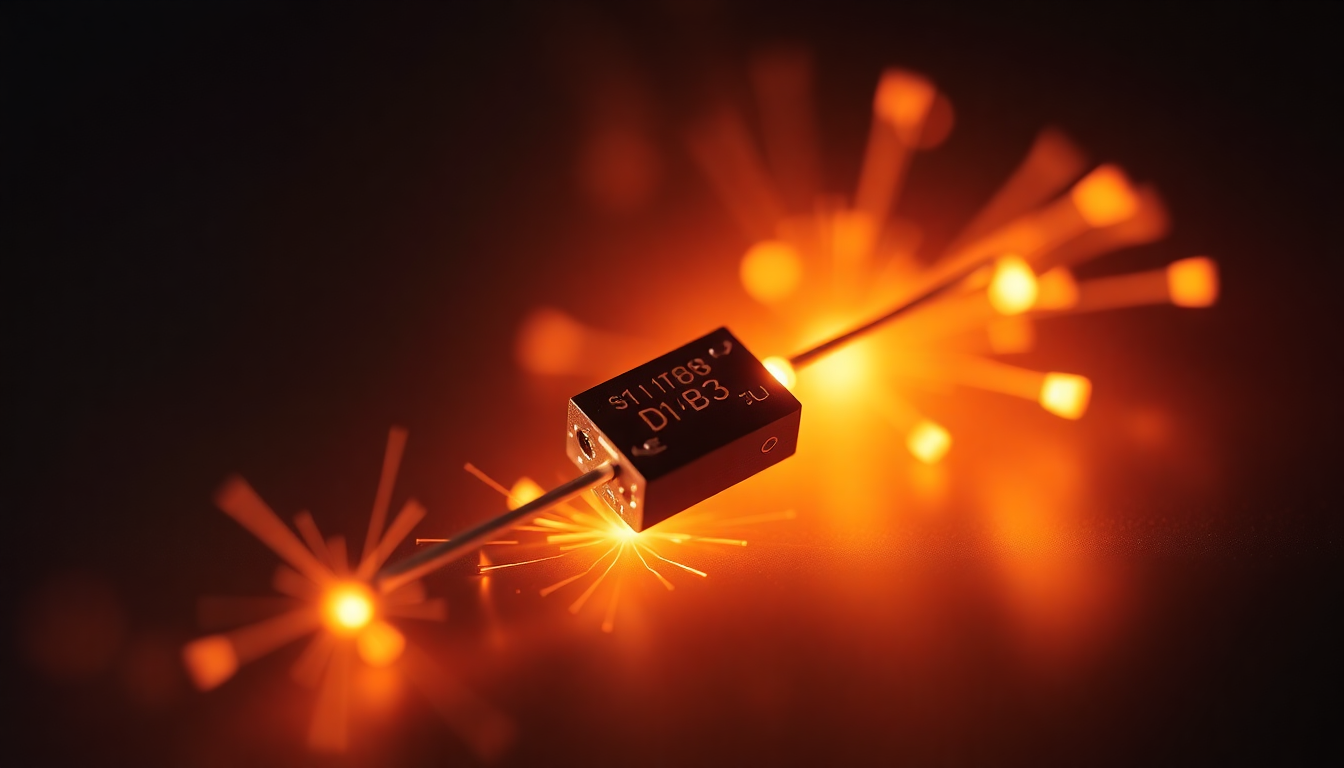
Diodes are semiconductor devices allowing current flow in one direction only.

Introduction to Diodes
2

The Vacuum Tube Diode

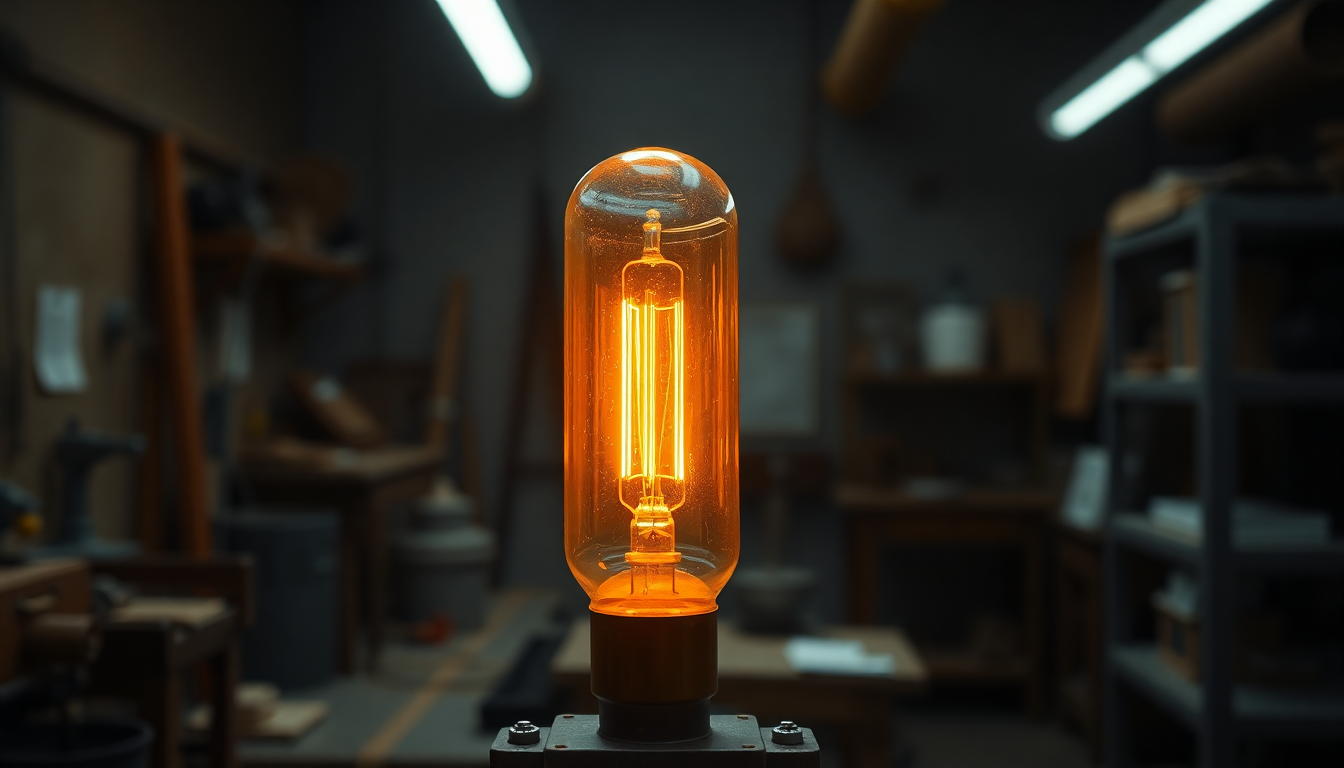
  • First diode was the Fleming valve (1904), a vacuum tube using thermionic emission.
  • John Ambrose Fleming's invention paved the way for radio technology.
  • Bulky and power-hungry compared to modern semiconductor diodes.
  • Still used in high-power RF applications and audio amplifiers today.
The Vacuum Tube Diode
3

Semiconductor Revolution

  • Germanium point-contact diodes invented in 1946 at Bell Labs.
  • Silicon diodes became dominant due to higher temperature tolerance.
  • Shockley's PN junction theory (1949) explained diode operation.
  • Led to development of transistors and integrated circuits.
Semiconductor Revolution
4

Light Emitting Diodes (LEDs)

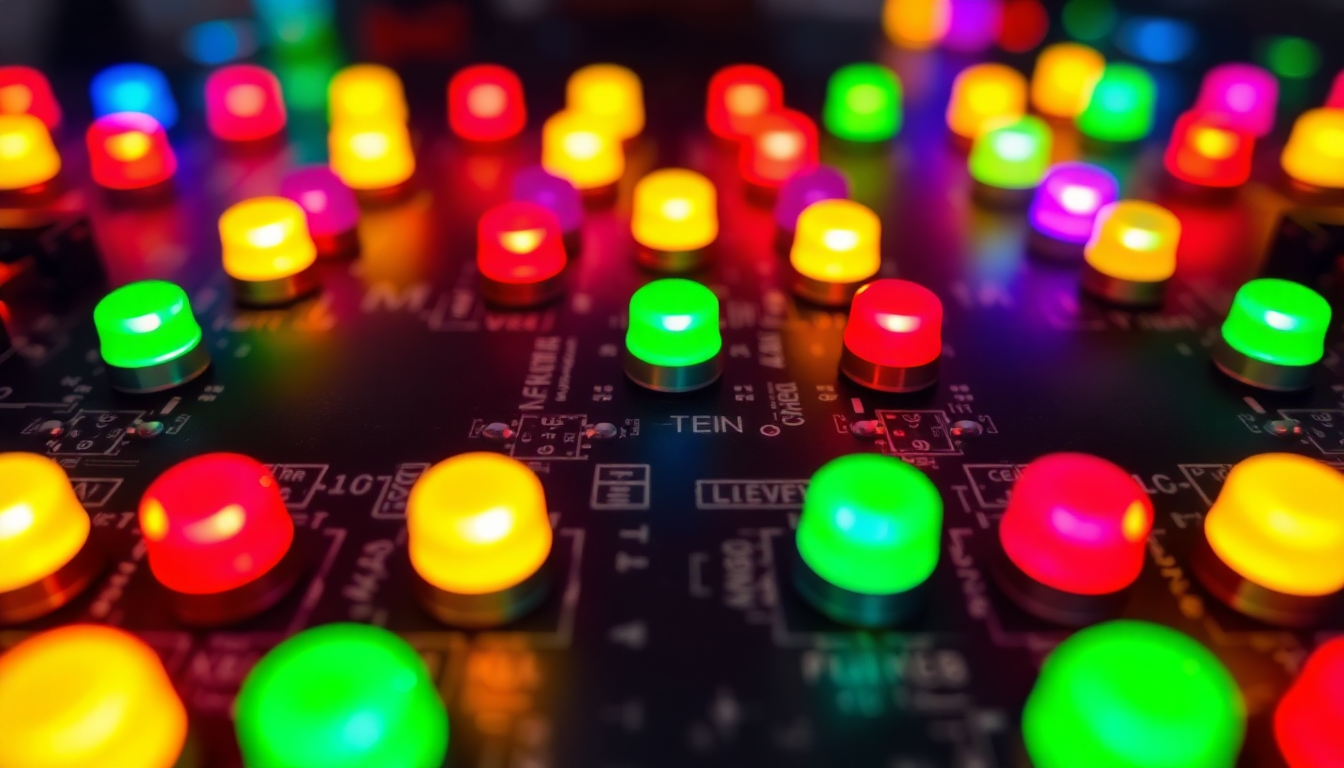
  • First practical LED developed in 1962 emitting low-intensity red light.
  • Nick Holonyak Jr. created first visible-spectrum LED at GE.
  • Blue LED breakthrough (1990s) enabled white LEDs and lighting revolution.
  • Modern LEDs achieve over 200 lumens per watt efficiency.
Light Emitting Diodes (LEDs)
5

Diodes Today & Future

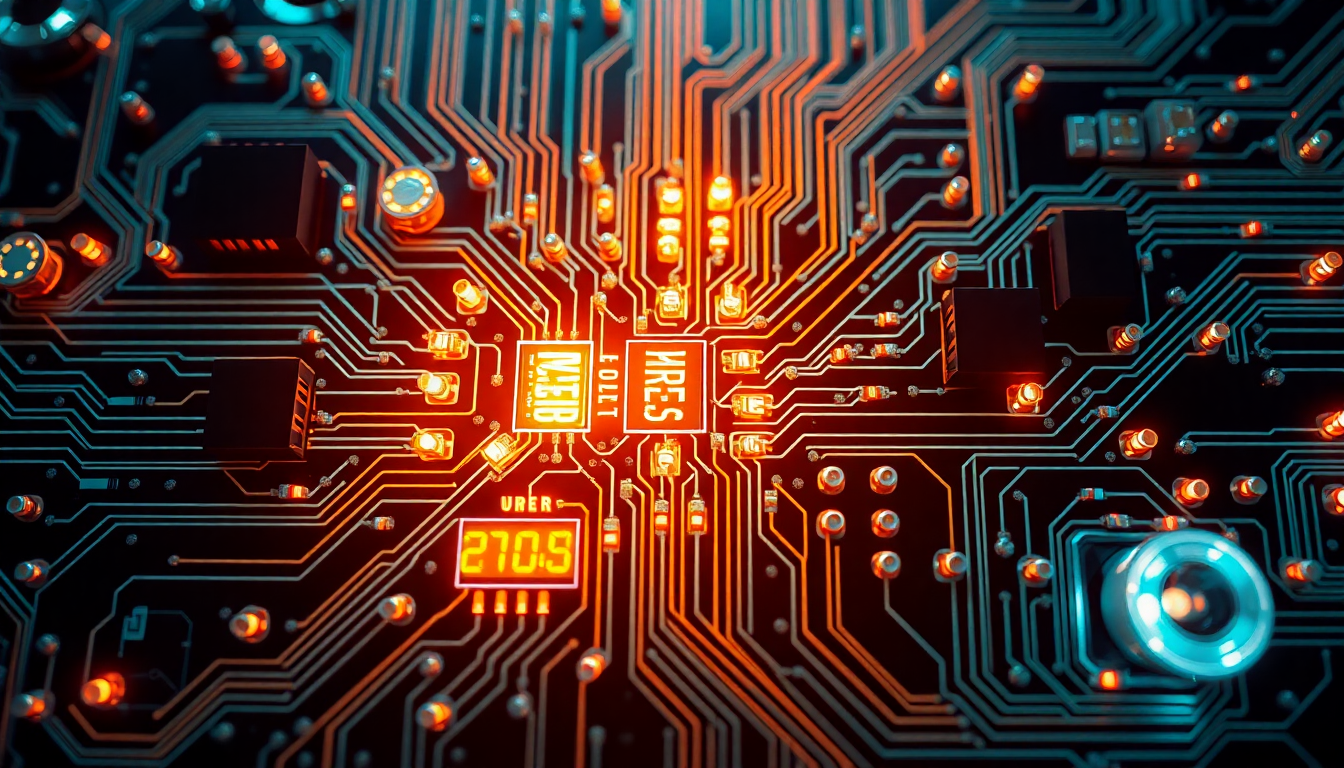
  • Schottky diodes enable high-speed switching in modern electronics.
  • Zener diodes provide precise voltage regulation in power supplies.
  • Quantum tunneling diodes pushing frequency limits beyond 1THz.
  • Organic LEDs and perovskite diodes promising flexible displays.
Diodes Today & Future
1 / 5