Pharmacognostic and Biological Investigation of Terminalia neotaliala Leaves

📑 10 slides 👁 29 views 📅 2/3/2026
0.0 (0 ratings)

Introduction to Terminalia neotaliala

Focus on cytotoxic and wound healing properties of leaves.

Introduction to Terminalia neotaliala
2

Pharmacognostic Profile Overview

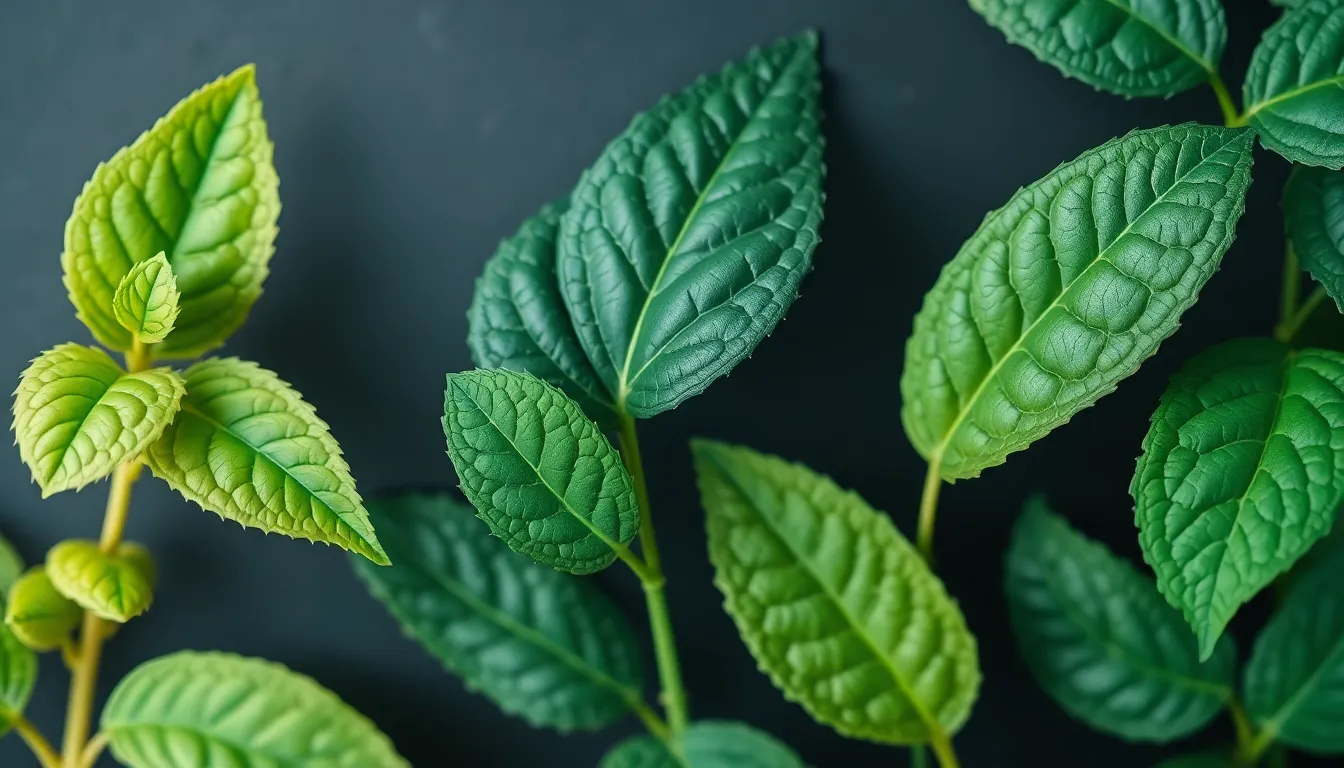
  • Botanical name: Terminalia neotaliala, family Combretaceae.
  • Leaves: simple, oblong-lanceolate, rich in tannins and flavonoids.
  • Traditional uses include hypertension and wound healing.
Pharmacognostic Profile Overview
3

Aims and Objectives

  • Explore phytochemical composition of T. neotaliala leaves.
  • Investigate antioxidant, cytotoxic, and wound healing properties.
  • Validate traditional medicinal uses with scientific evidence.
Aims and Objectives
4

Rationale of the Study

  • Leaves and bark studied; other parts largely unexplored.
  • Lack of in vivo validation and mechanistic understanding.
  • No standardized extraction or comprehensive pharmacognostic data.
Rationale of the Study
5

Hypothesis & Expected Outcomes

  • Bioactive compounds in leaves responsible for medicinal effects.
  • Identification of active fractions for future drug discovery.
  • Preliminary in vivo evidence for cytotoxicity and wound healing.
Hypothesis & Expected Outcomes
6

Methodology: Extraction & Fractionation

  • Fresh leaves macerated in methanol for crude extract.
  • Fractionation into water, ethyl acetate, chloroform, hexane.
  • Targeted bioactivity studies based on polarity.
Methodology: Extraction & Fractionation
7

Chemical Investigation

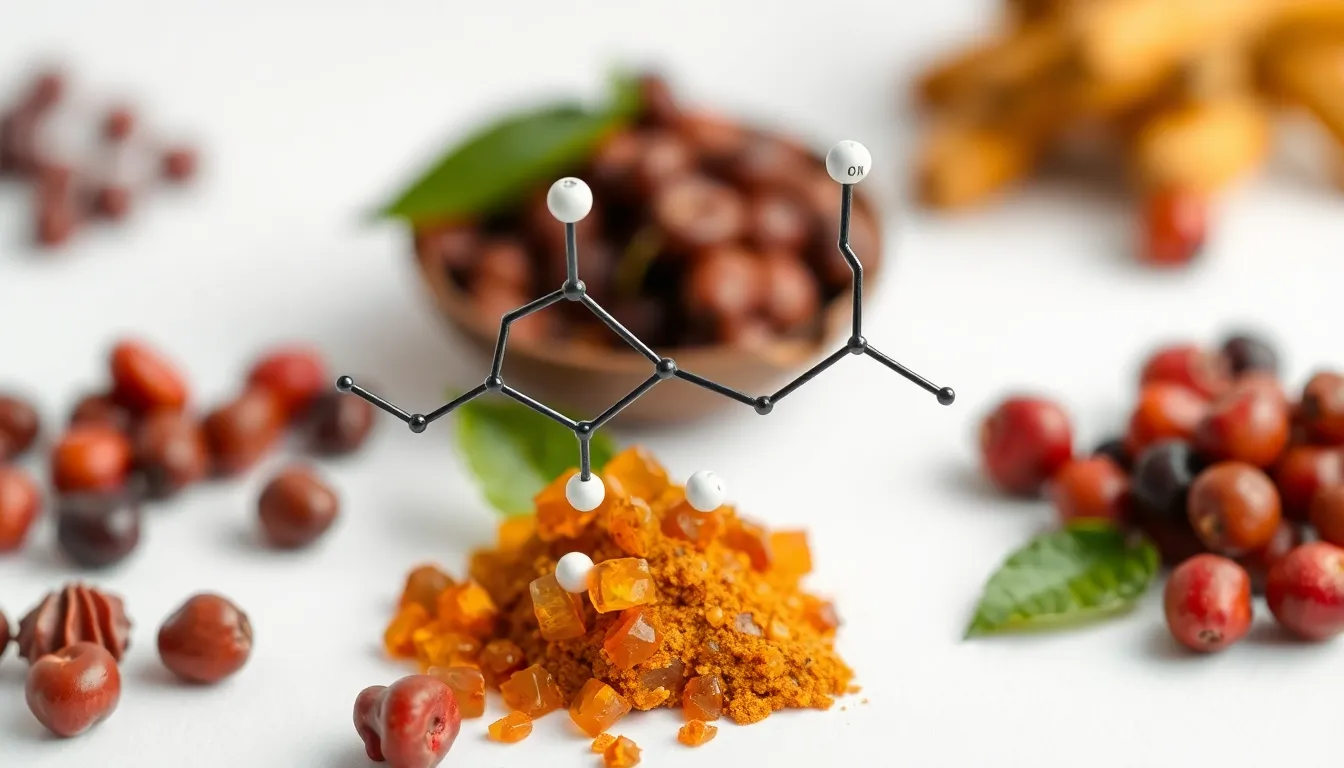
  • Phytochemical screening for alkaloids, flavonoids, phenols.
  • TLC/HPTLC fingerprinting and LC-MS profiling.
  • Antioxidant assays: DPPH, ABTS, FRAP, CUPRAC.
Chemical Investigation
8

Biological Investigation

  • Cytotoxic activity via brine shrimp lethality/MTT assay.
  • Anti-inflammatory activity using carrageenan-induced edema.
  • Wound healing tested with excision/incision models.
Biological Investigation
9

Expected Contributions

  • Comprehensive chemical profiling of T. neotaliala leaves.
  • Validation of ethnopharmacological claims with evidence.
  • Support for future in vivo and clinical studies.
Expected Contributions
10

References

  • Key studies from PLoS One, J Ethnopharmacol, and others.
  • Citations cover pharmacological and ethnomedicinal research.
  • Complete references available in the presentation notes.
References
1 / 10