Glasgow Coma Scale: Assessment and Pupillary Response

📑 5 slides 👁 2 views 📅 10/4/2026 📄 PDF
0.0 (0 ratings)

Introduction to the GCS

Published in 1974 by Graham Teasdale and Bryan Jennett, the GCS standardizes assessment of consciousness.

Introduction to the GCS
2

Assessment Approach

  • Use a consistent sequence: check the patient, observe spontaneous behavior, stimulate if needed, then rate.
  • Begin with normal speech, then speak loudly; use light touch before considering a painful stimulus.
  • Use painful stimulation only when the patient does not obey commands and has no spontaneous movement.
  • Apply a suitable stimulus carefully, such as nail-bed pressure or a trapezius squeeze, and observe the response.
Assessment Approach
3

Scoring the Three Responses

  • Eye opening scores 4 spontaneously, 3 to speech, 2 to pain, and 1 for no eye opening.
  • Verbal response scores 5 oriented, 4 confused, 3 inappropriate words, 2 incomprehensible sounds, and 1 none.
  • Motor response scores 6 obeys commands, 5 localizes pain, 4 normal flexion, 3 abnormal flexion, 2 extension, and 1 none.
  • Record each component separately, since the same total score can represent different response patterns.
Scoring the Three Responses
4

Pupils and Assessment Limits

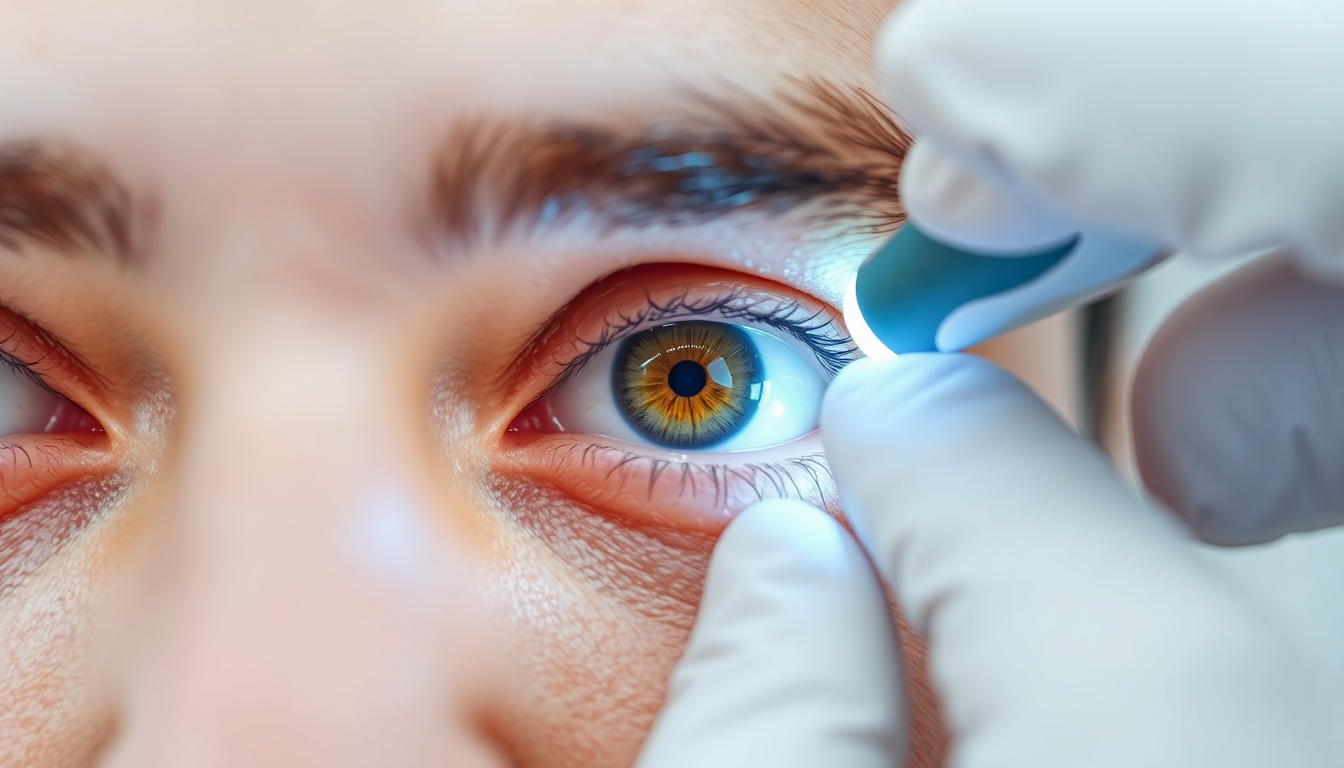
  • Pupils are usually equal and round; assess their direct light response, controlled by the oculomotor nerve.
  • Approach the pupil from the side with a light source; note brisk, sluggish, or absent response.
  • Interpret GCS cautiously when language barriers, hearing loss, or intellectual and neurological deficits affect responses.
  • Intubation, sedation, orbital or cranial fracture, and spinal damage can also limit reliable assessment.
Pupils and Assessment Limits
5

Key Takeaways

  • GCS describes consciousness through eye, verbal, and motor responses; assess and document all three components.
  • Repeat assessments consistently to detect changes in consciousness and support timely clinical decisions.
  • Interpret scores alongside pupil findings and clinical context, accounting for factors that limit the examination.
  • Early recognition of deterioration can inform treatment, management, and prognosis for patients with impaired consciousness.
Key Takeaways
1 / 5