Minimalist Architecture: 5 Key Structures
๐ 5 slides
๐ 8 views
๐
2/25/2026
Introduction to Minimalist Architecture
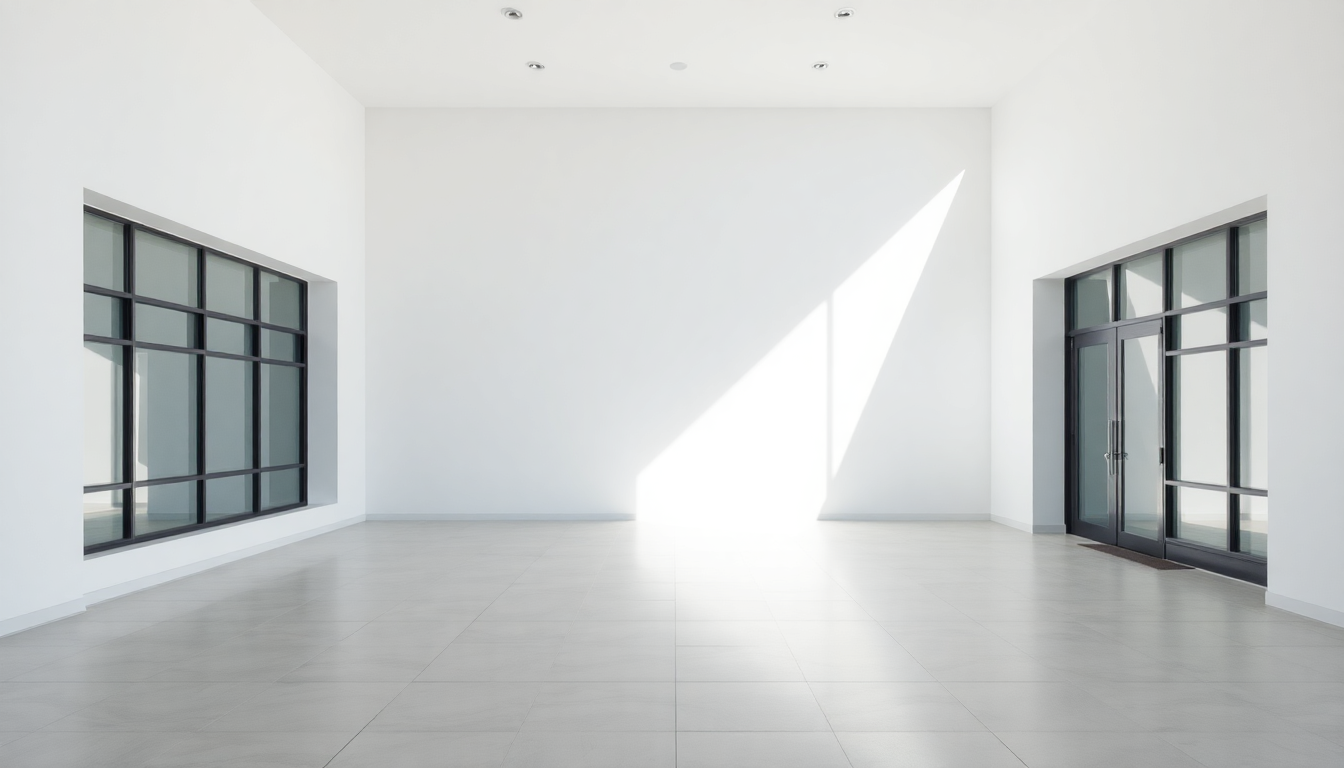
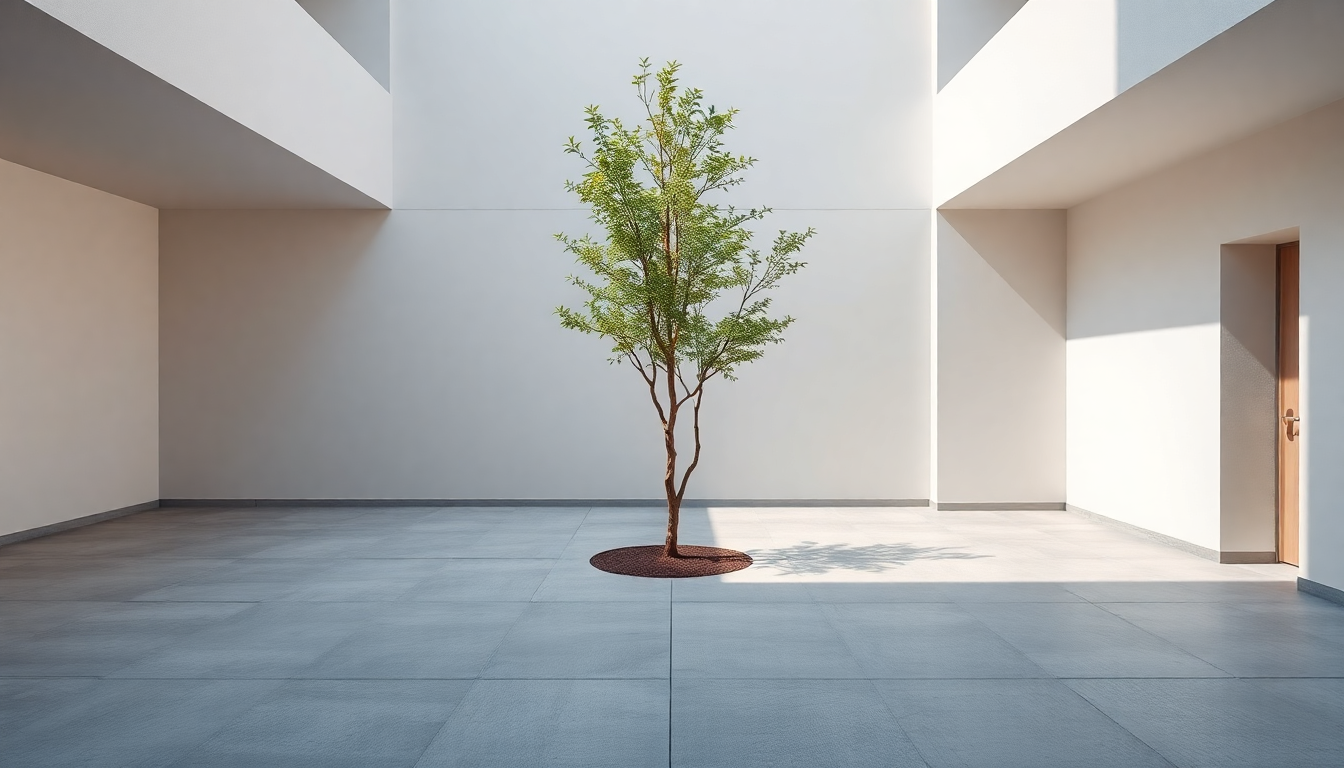
Minimalist architecture emphasizes simplicity, clean lines, and uncluttered spaces.
2
Key Elements of Minimalist Structures
- Use of geometric shapes: squares, rectangles, and clean angles dominate designs.
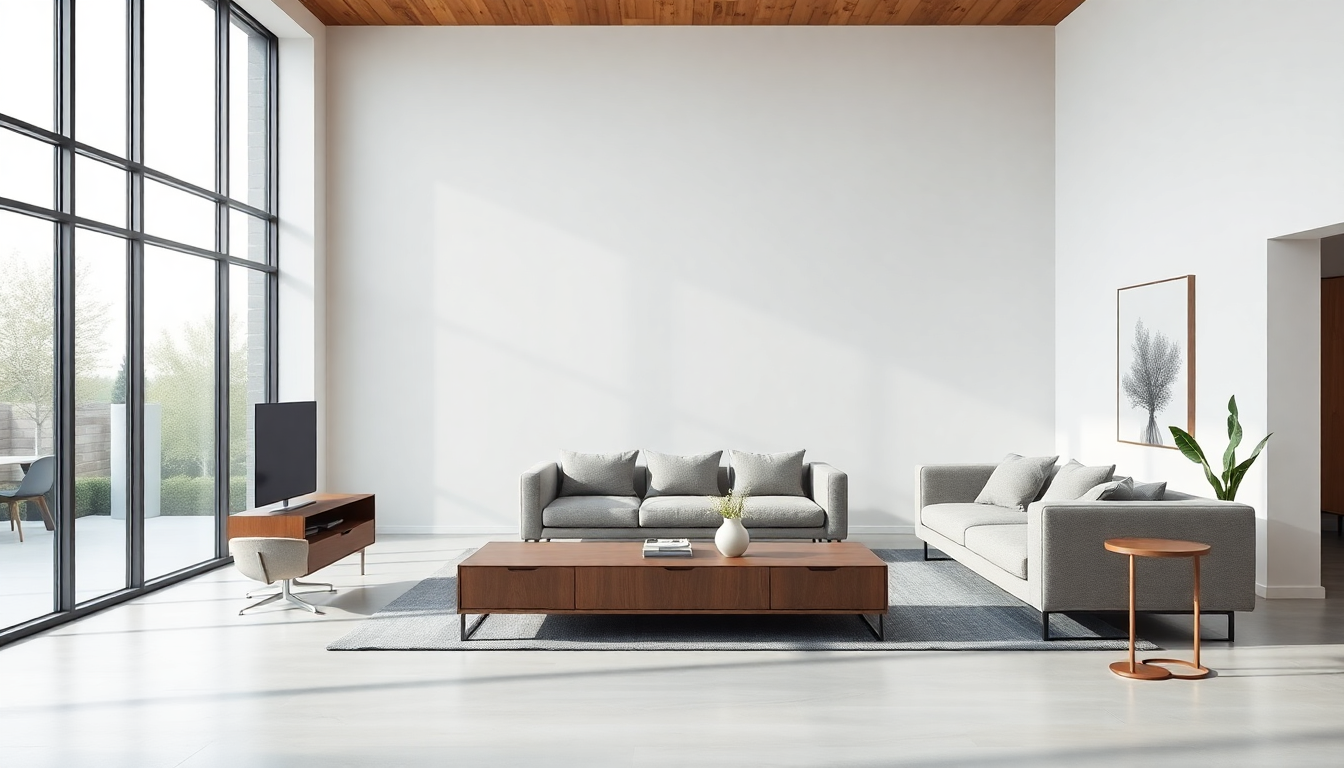
- Limited color palette: whites, grays, and earth tones create calm, cohesive spaces.
- High-quality materials: concrete, glass, and natural wood emphasize texture over decor.
- Open spaces: minimal furniture and decor enhance a sense of freedom and simplicity.
3
Structural Plan: Open Floor Concept
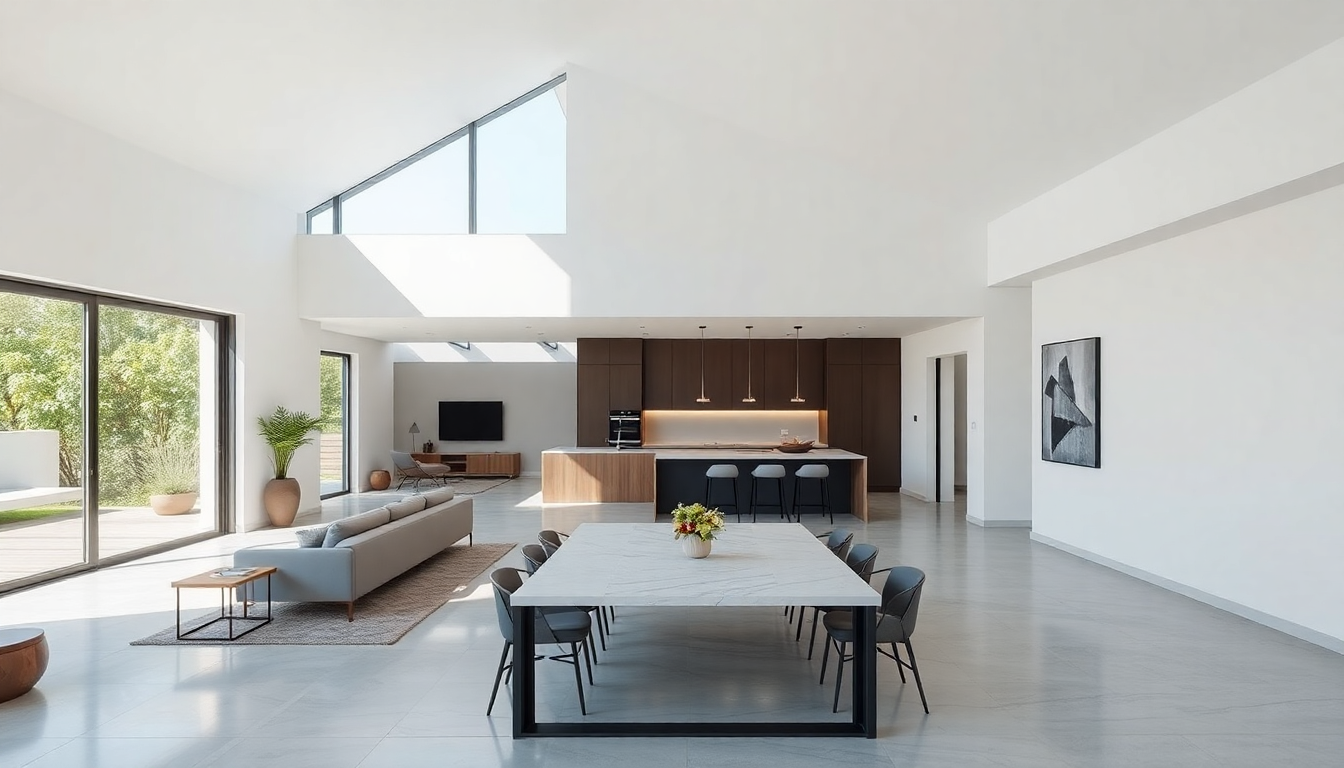
- Fluid layouts without walls to maximize space and light flow.
- Multi-functional areas replace traditional room divisions for efficiency.
- Built-in storage solutions maintain clutter-free environments.
- Integration with nature: large windows and outdoor access blur indoor-outdoor lines.
4
Iconic Minimalist Structures
- Farnsworth House: glass walls and steel frame exemplify transparency and simplicity.
- Tadao Andoโs Church of Light: concrete and natural light create spiritual minimalism.
- John Pawsonโs design for Calvin Klein stores: purity of space and form.
- Casa Malaparte: cliffside home with stark geometry and muted tones.
5
Conclusion: The Essence of Minimalism
- Minimalist architecture prioritizes purpose over ornamentation for timeless appeal.
- Creates tranquil, functional spaces that adapt to modern living needs.
- Encourages sustainability through efficient use of materials and energy.
- A design philosophy that celebrates โless is moreโ in built environments.
1 / 5