The Respiratory System: Respiration

๐Ÿ“‘ 20 slides ๐Ÿ‘ 21 views ๐Ÿ“… 2/4/2026
0.0 (0 ratings)

The Respiratory System: Respiration

Do Now: What do you remember about the breathing system from last lesson?

The Respiratory System: Respiration
2

Teaching Objectives

  • Recall main parts of the breathing system.
  • Understand difference between breathing and respiration.
  • Learn the aerobic respiration equation.
  • Explore respiration through hands-on activities.
Teaching Objectives
3

Keywords

  • Respiration, Breathing, Inhalation, Exhalation
  • Gas Exchange, Aerobic, Glucose, Energy
  • Carbon Dioxide, Oxygen, Water
Keywords
4

Think-Pair-Share

  • Question: How is breathing different from respiration?
  • Think alone for 1 minute.
  • Pair with a partner to discuss.
  • Share your answers with the class.
Think-Pair-Share
5

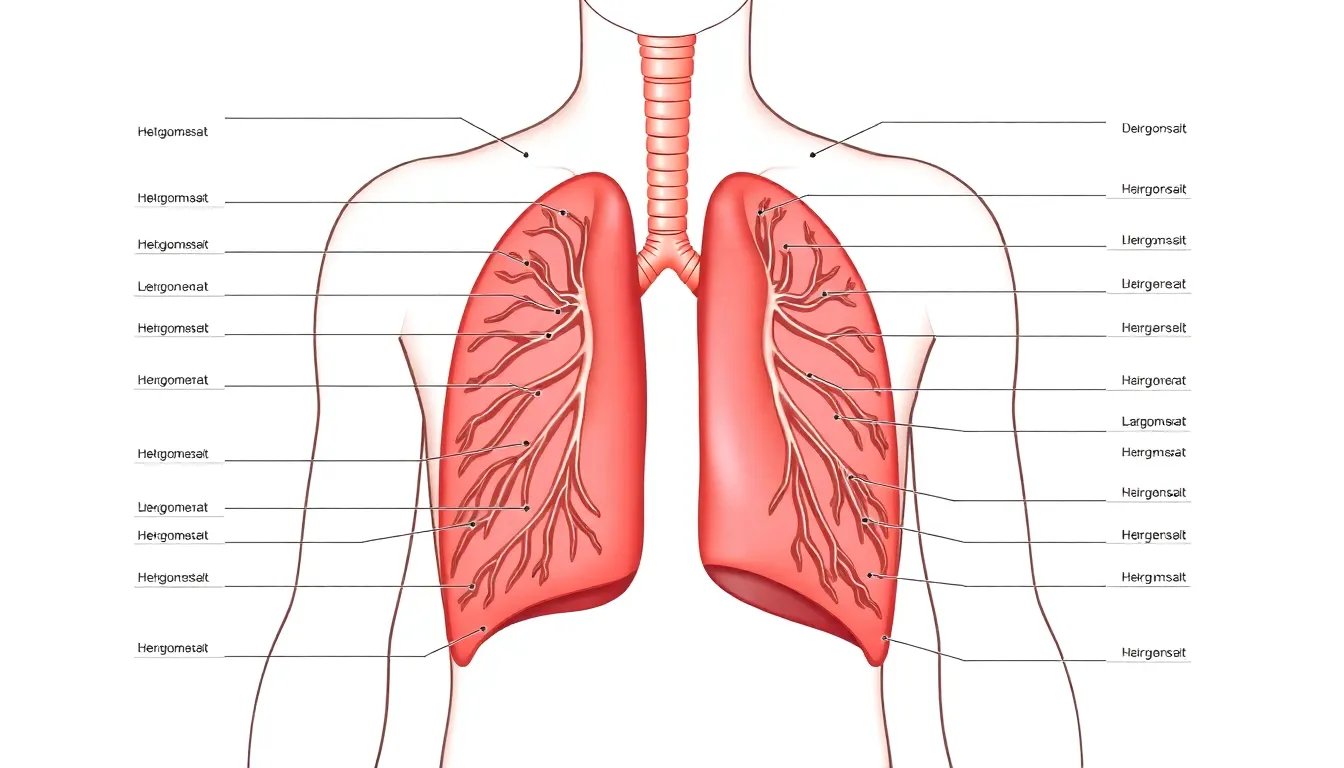
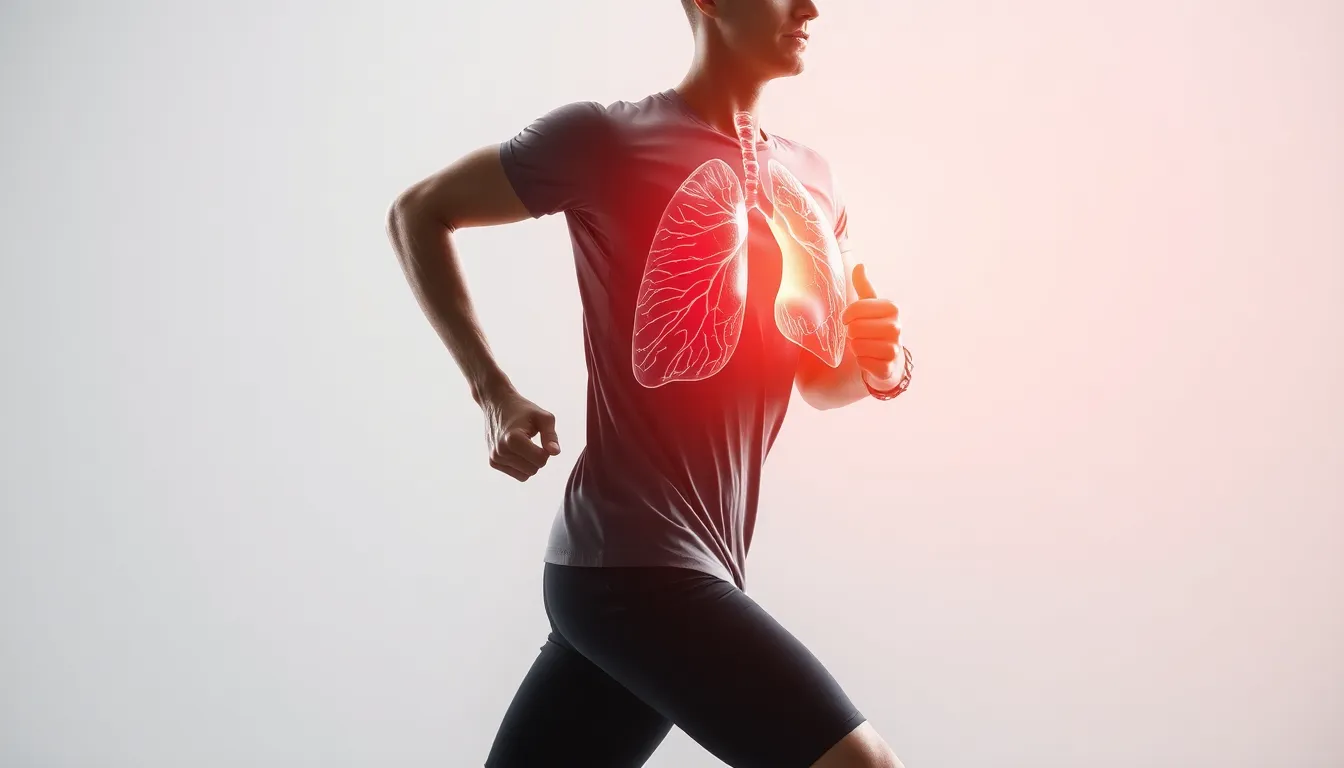
Main Parts of Breathing System

  • Nose, Trachea, Lungs, Diaphragm
  • Function: Air intake, filtration, gas exchange.
  • Inhalation: Diaphragm contracts, lungs expand.
  • Exhalation: Diaphragm relaxes, lungs deflate.
Main Parts of Breathing System
6

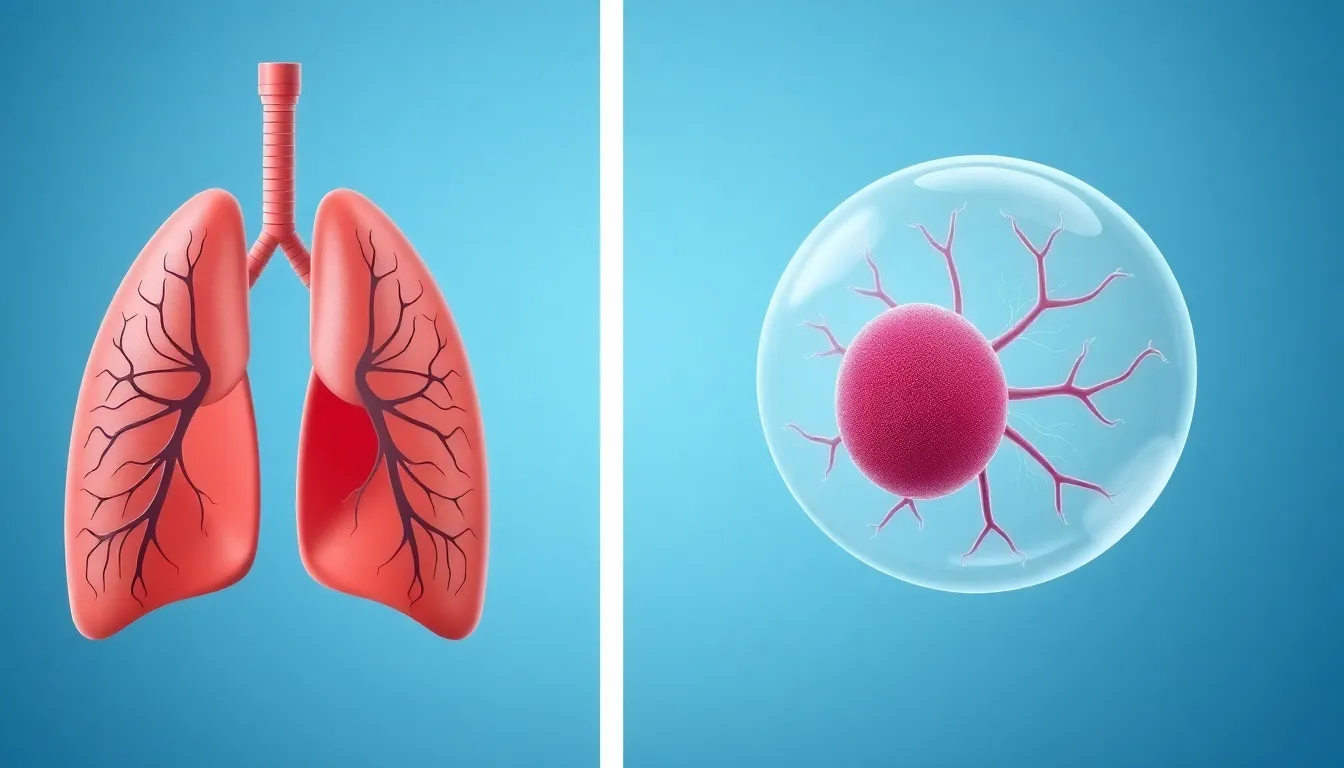
Gas Exchange Process

  • Occurs in alveoli (tiny air sacs).
  • Oxygen enters blood, CO2 leaves blood.
  • Diffusion: High to low concentration.
  • Essential for cellular respiration.
Gas Exchange Process
7

Breathing vs. Respiration

  • Breathing: Physical air movement.
  • Respiration: Chemical process in cells.
  • Breathing supplies oxygen for respiration.
  • Respiration produces energy (ATP).
Breathing vs. Respiration
8

Aerobic Respiration Equation

  • Glucose + Oxygen โ†’ CO2 + Water + Energy
  • Balanced equation: C6H12O6 + 6O2 โ†’ 6CO2 + 6H2O + ATP
  • Occurs in mitochondria.
  • Energy used for body functions.
Aerobic Respiration Equation
9

Why Respiration Matters

  • Provides energy for all body activities.
  • Essential for muscle contraction, brain function.
  • Without it, cells die within minutes.
  • Exercise increases respiration rate.
Why Respiration Matters
10

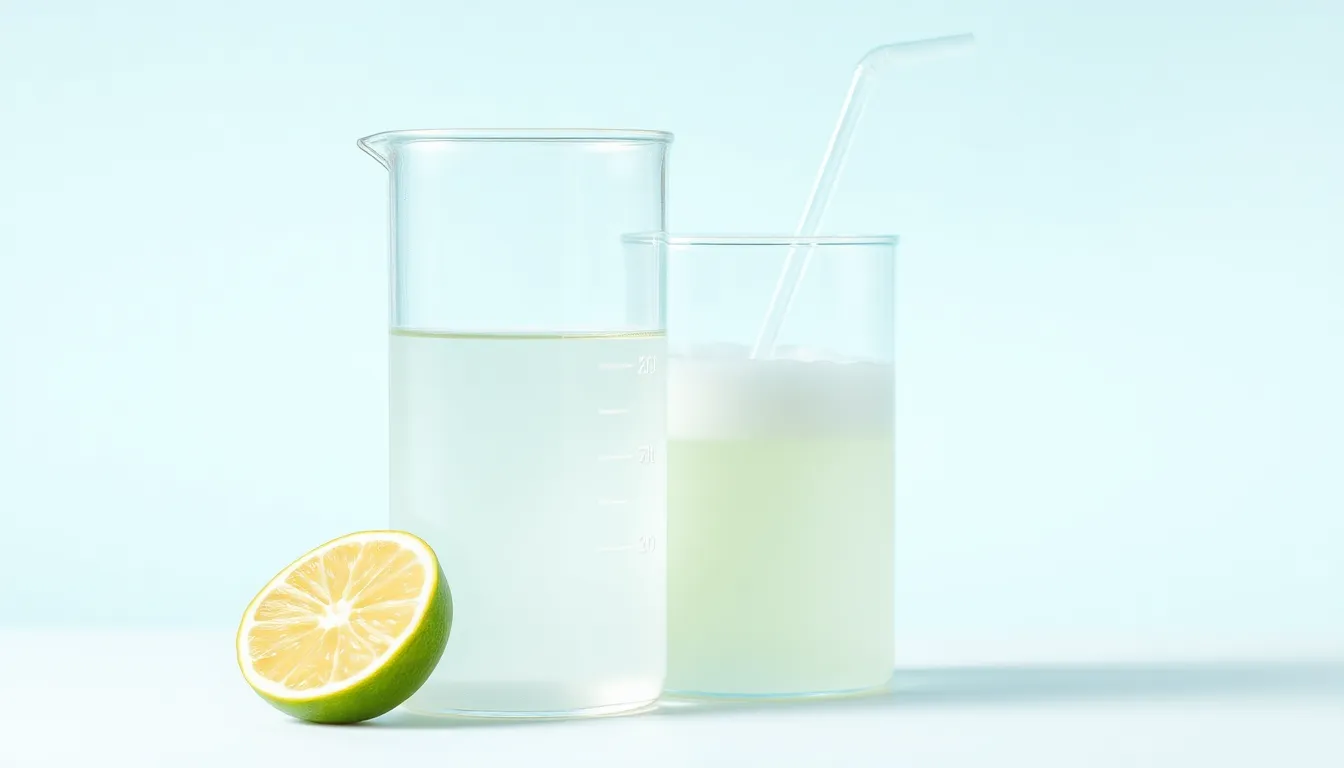
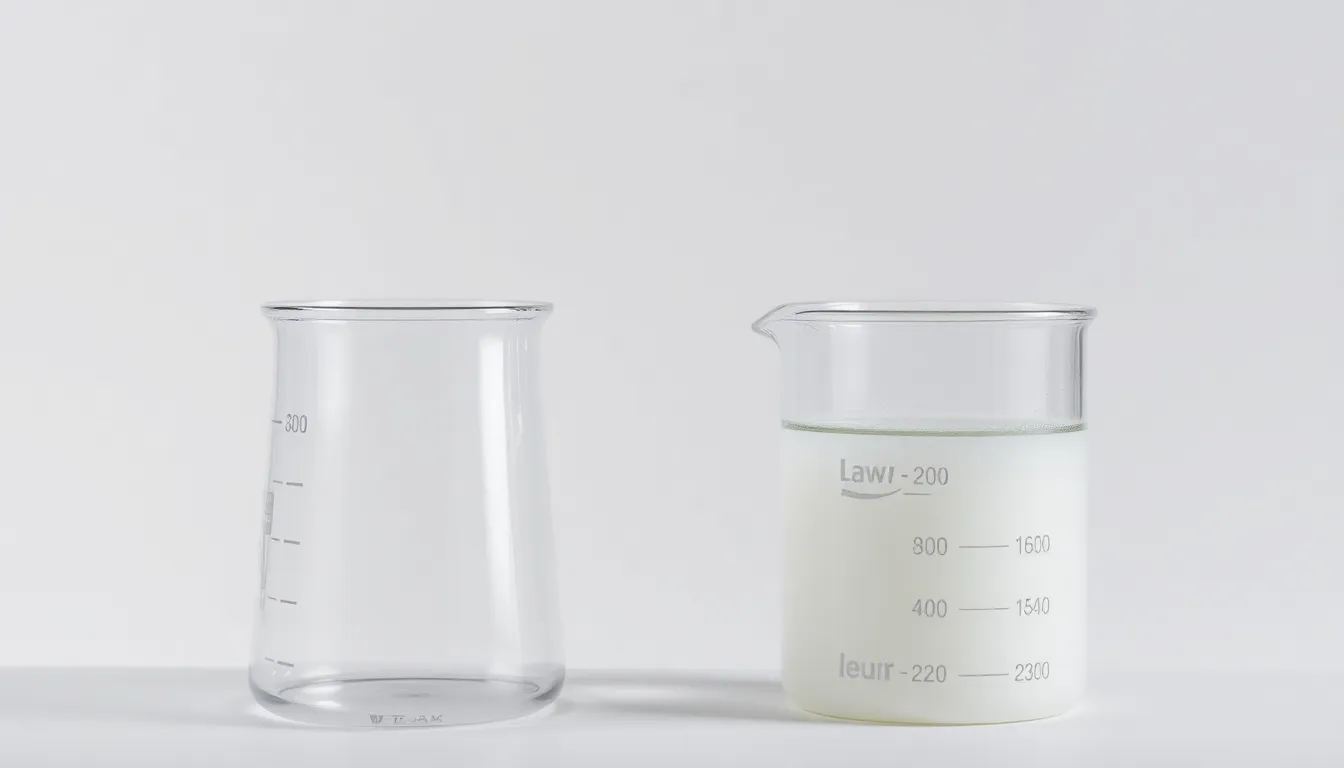
Experiment: Measuring CO2

  • Materials: Limewater, straw, beaker.
  • Blow into limewater through straw.
  • Observe color change (cloudy = CO2 present).
  • Record results and discuss.
Experiment: Measuring CO2
11

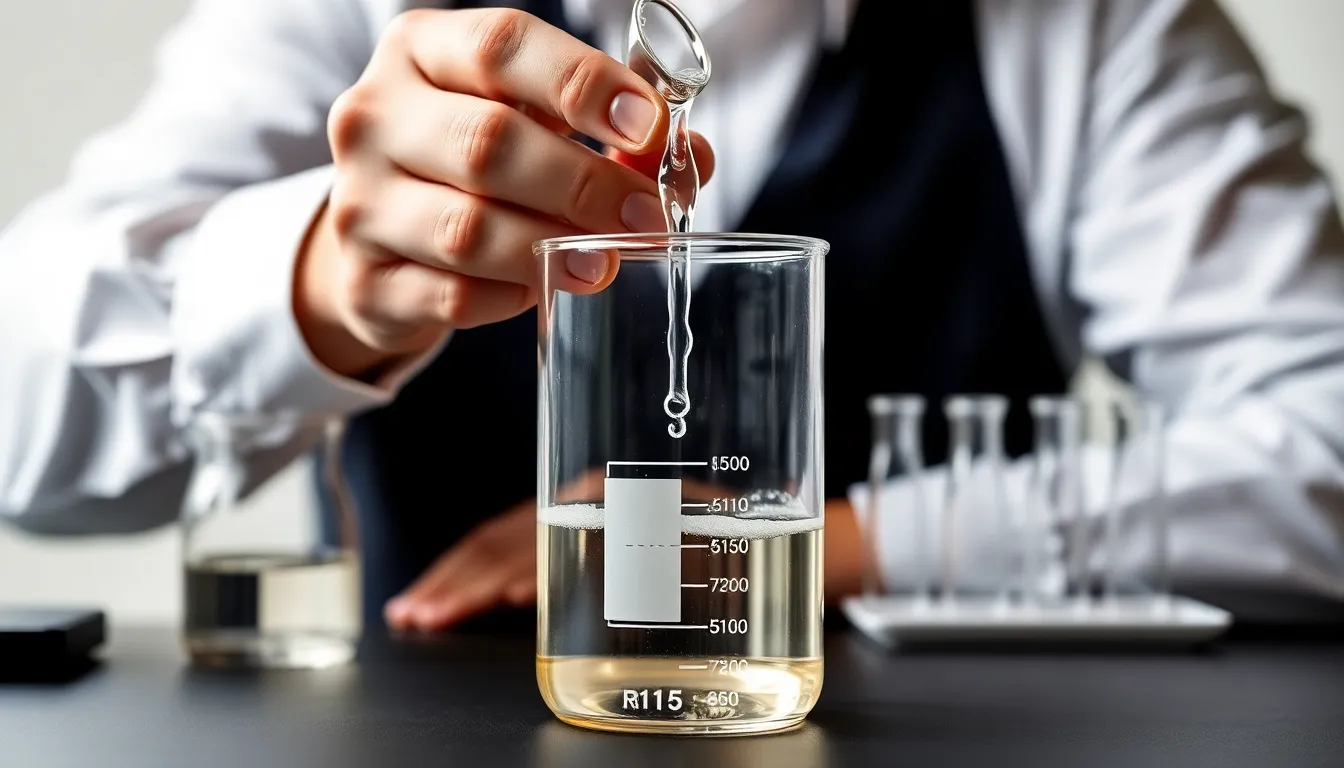
Experiment Steps 1-3

  • Step 1: Pour limewater into beaker.
  • Step 2: Insert straw, blow gently.
  • Step 3: Observe changes for 2 minutes.
  • Note: Do not inhale limewater!
Experiment Steps 1-3
12

Experiment Steps 4-6

  • Step 4: Compare to control (unblown) beaker.
  • Step 5: Discuss why CO2 is produced.
  • Step 6: Relate to respiration equation.
  • Clean up: Dispose properly.
Experiment Steps 4-6
13

Class Discussion

  • Why does exercise make you breathe harder?
  • How does respiration affect sports performance?
  • What happens if respiration stops?
  • Share real-life examples.
Class Discussion
14

Respiration in Daily Life

  • Exercise: More glucose + oxygen needed.
  • Sleep: Lower respiration rate.
  • Altitude: Less oxygen available.
  • Illness: Lungs may function poorly.
Respiration in Daily Life
15

Common Misconceptions

  • Breathing โ‰  respiration (one is physical, one chemical).
  • Plants also respire (not just photosynthesis).
  • CO2 isn't just wasteโ€”it regulates breathing.
  • Lungs don't produce energyโ€”cells do.
Common Misconceptions
16

Quick Quiz

  • 1. Which organ contracts during inhalation?
  • 2. What gas is produced by respiration?
  • 3. Where does gas exchange occur?
  • Answers: Diaphragm, CO2, Alveoli.
Quick Quiz
17

3 Stars and 1 Wish

  • โ˜… Recall breathing system parts.
  • โ˜… Explain respiration equation.
  • โ˜… Conduct CO2 experiment safely.
  • Wish: What more do you want to learn?
3 Stars and 1 Wish
18

Learning Outcomes Check

  • Can you name 3 breathing system parts?
  • Write the respiration equation.
  • How does exercise affect respiration?
  • Self-rate: ๐Ÿ˜Š๐Ÿ˜๐Ÿ˜•
Learning Outcomes Check
19

Homework Assignment

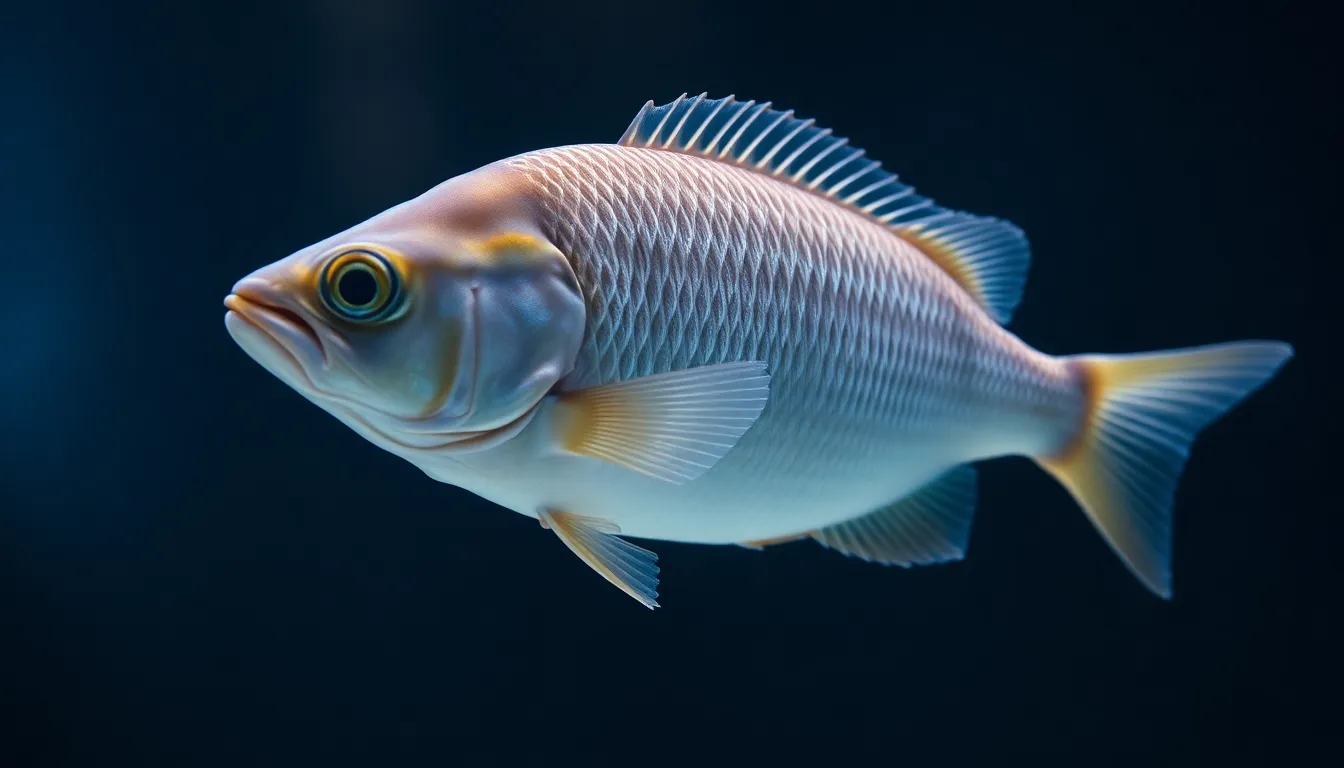
  • Research: How do fish respire underwater?
  • Write 5 bullet points.
  • Draw a labeled gill diagram.
  • Due: Next class.
Homework Assignment
20

Thank You!

  • Great work today!
  • Next lesson: Anaerobic respiration.
  • Keep exploring how your body works!
  • Q&A time.
Thank You!
1 / 20