Understanding Flaccidity, Spasticity & Cerebral Ataxia

๐Ÿ“‘ 10 slides ๐Ÿ‘ 30 views ๐Ÿ“… 1/22/2026
0.0 (0 ratings)

Introduction to Neurological Conditions

Overview of flaccidity, spasticity, and cerebral ataxia as neurological disorders

Introduction to Neurological Conditions
2

What is Flaccidity?

  • Characterized by weak, limp muscles with reduced tone
  • Often caused by lower motor neuron damage or peripheral nerve injury
  • Leads to decreased reflexes and muscle wasting over time
What is Flaccidity?
3

Causes of Flaccidity

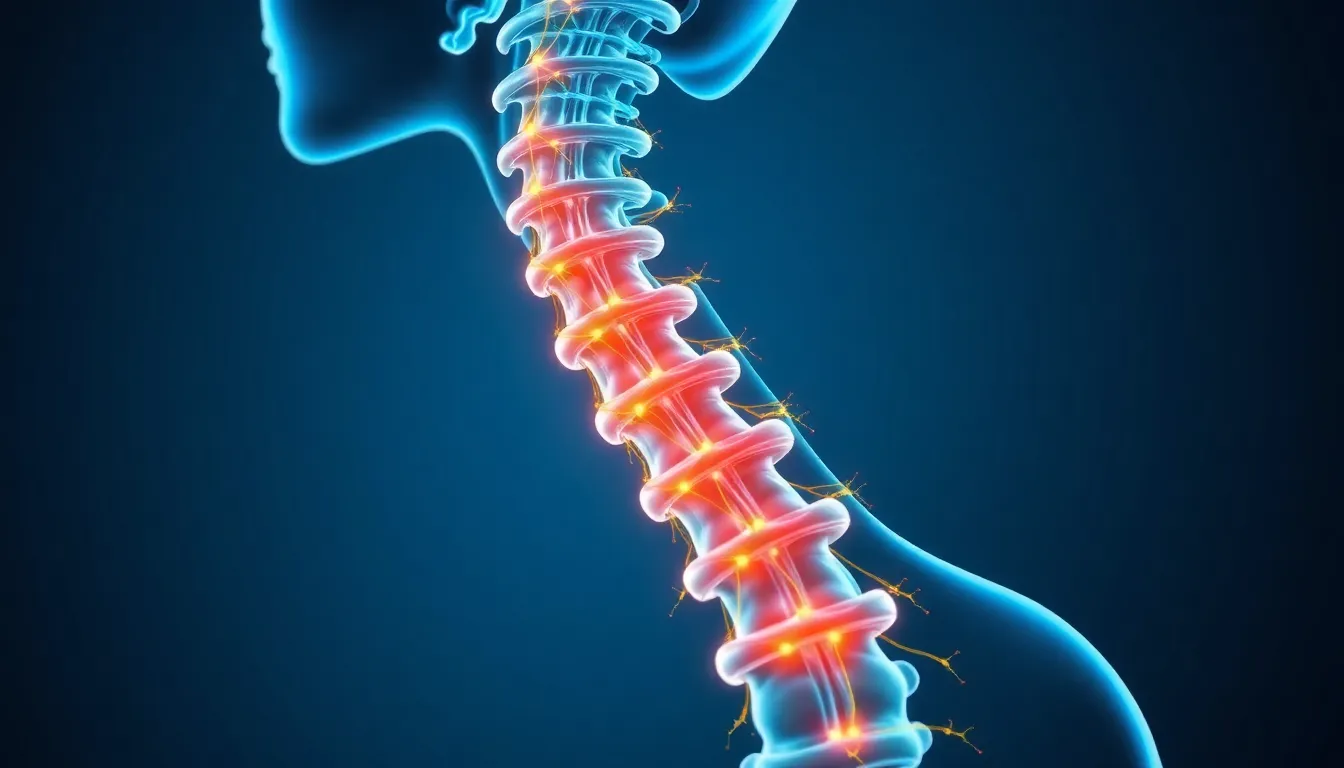
  • Spinal cord injuries affecting nerve signals to muscles
  • Conditions like Guillain-Barrรฉ syndrome or polio
  • Can be temporary or permanent depending on cause
Causes of Flaccidity
4

Understanding Spasticity

  • Hypertonia with stiff, tight muscles and exaggerated reflexes
  • Results from upper motor neuron lesions in brain or spinal cord
  • Causes involuntary spasms and movement difficulties
Understanding Spasticity
5

Spasticity Management

  • Physical therapy to maintain range of motion and prevent contractures
  • Medications like baclofen or botulinum toxin injections
  • Surgical options for severe cases like selective dorsal rhizotomy
Spasticity Management
6

Cerebral Ataxia Explained

  • Lack of muscle coordination affecting voluntary movements
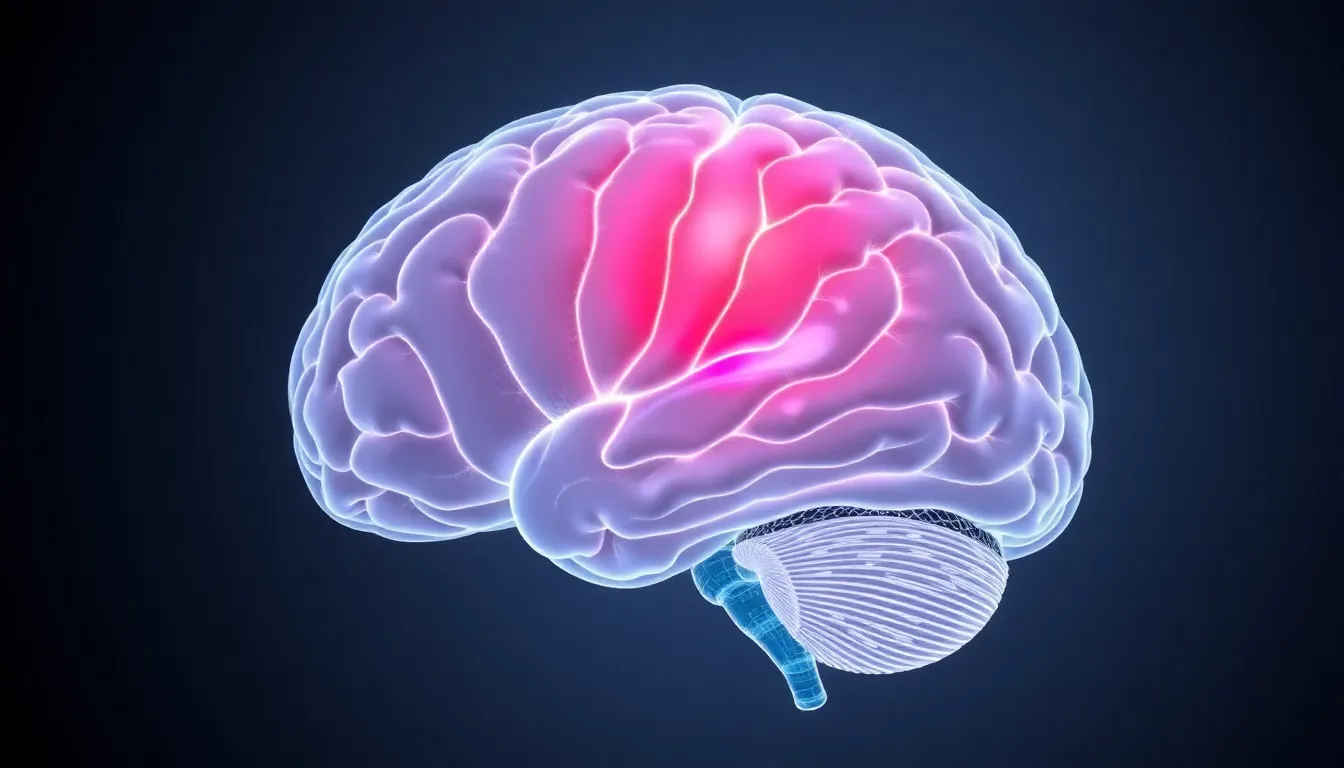
  • Caused by cerebellum damage from stroke, MS, or genetic disorders
  • Results in unsteady gait, slurred speech, and tremors
Cerebral Ataxia Explained
7

Types of Ataxia

  • Sensory ataxia from loss of proprioception
  • Vestibular ataxia affecting balance and eye movements
  • Cerebellar ataxia causing intention tremors and dysmetria
Types of Ataxia
8

Diagnosis Methods

  • Neurological exams assessing reflexes, coordination, and gait
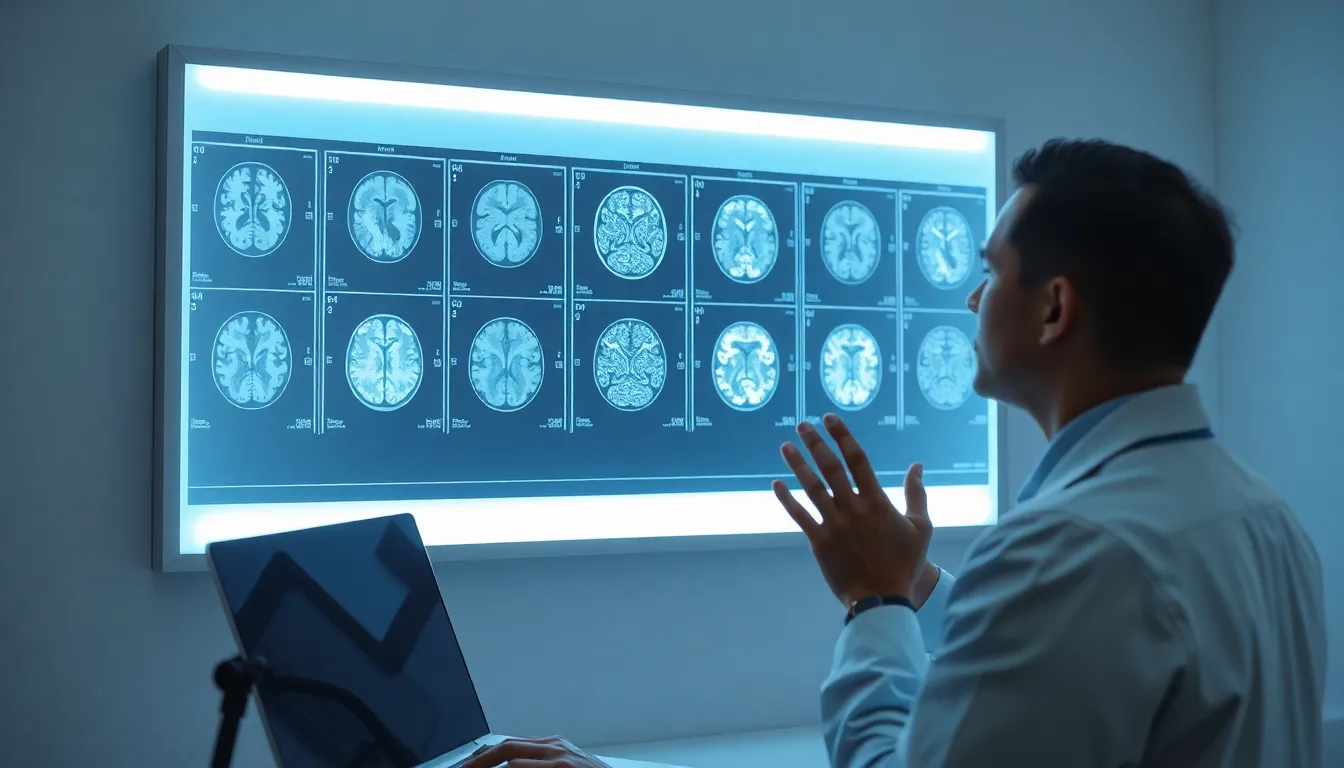
  • MRI scans to identify brain lesions or atrophy
  • Genetic testing for hereditary ataxias like Friedreich's ataxia
Diagnosis Methods
9

Treatment Approaches

  • Physical and occupational therapy for functional improvement
  • Assistive devices like canes or walkers for mobility
  • Speech therapy for dysarthria in ataxia patients
Treatment Approaches
10

Conclusion & Key Takeaways

  • Flaccidity and spasticity represent opposite ends of muscle tone disorders
  • Ataxia involves coordination deficits rather than tone abnormalities
  • Early intervention improves quality of life across all conditions
Conclusion & Key Takeaways
1 / 10