Journey Through Asia's History

๐Ÿ“‘ 10 slides ๐Ÿ‘ 48 views ๐Ÿ“… 1/23/2026
0.0 (0 ratings)

Introduction: Asia's Timeless Legacy

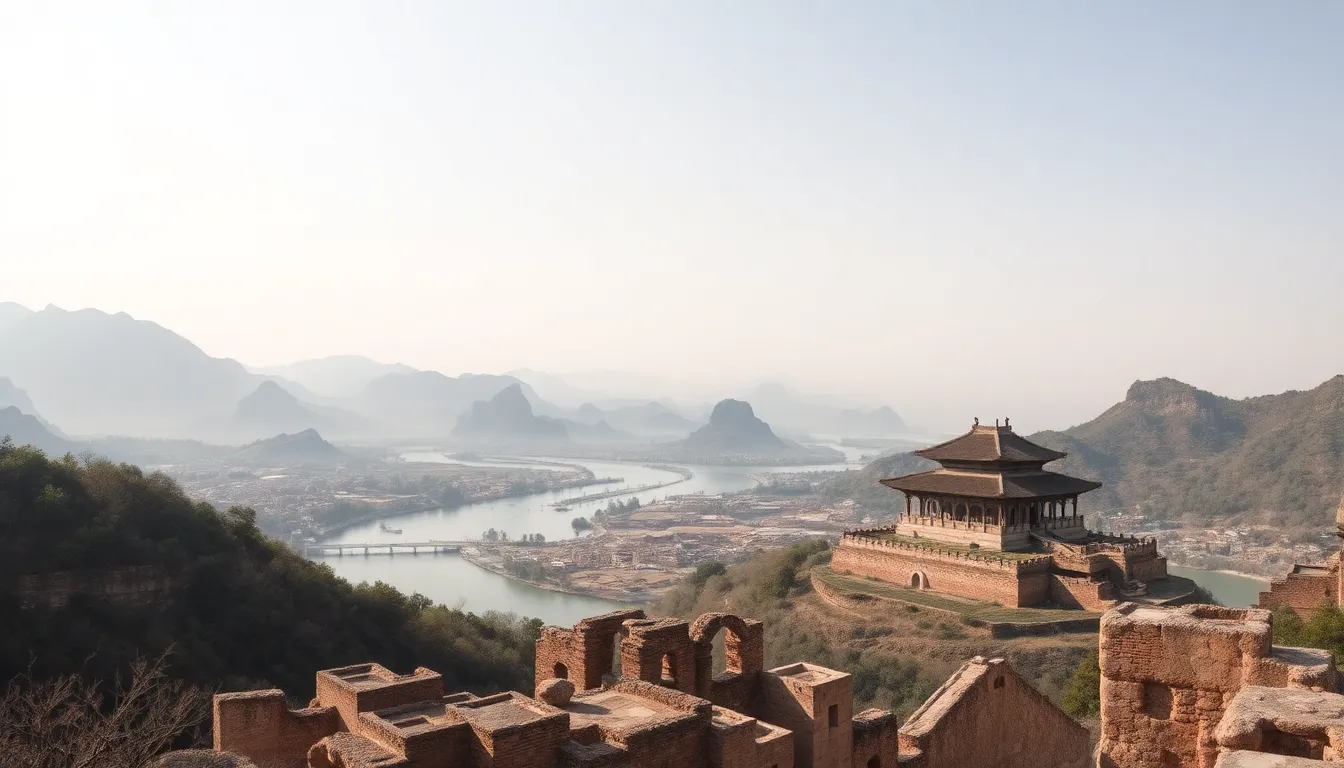
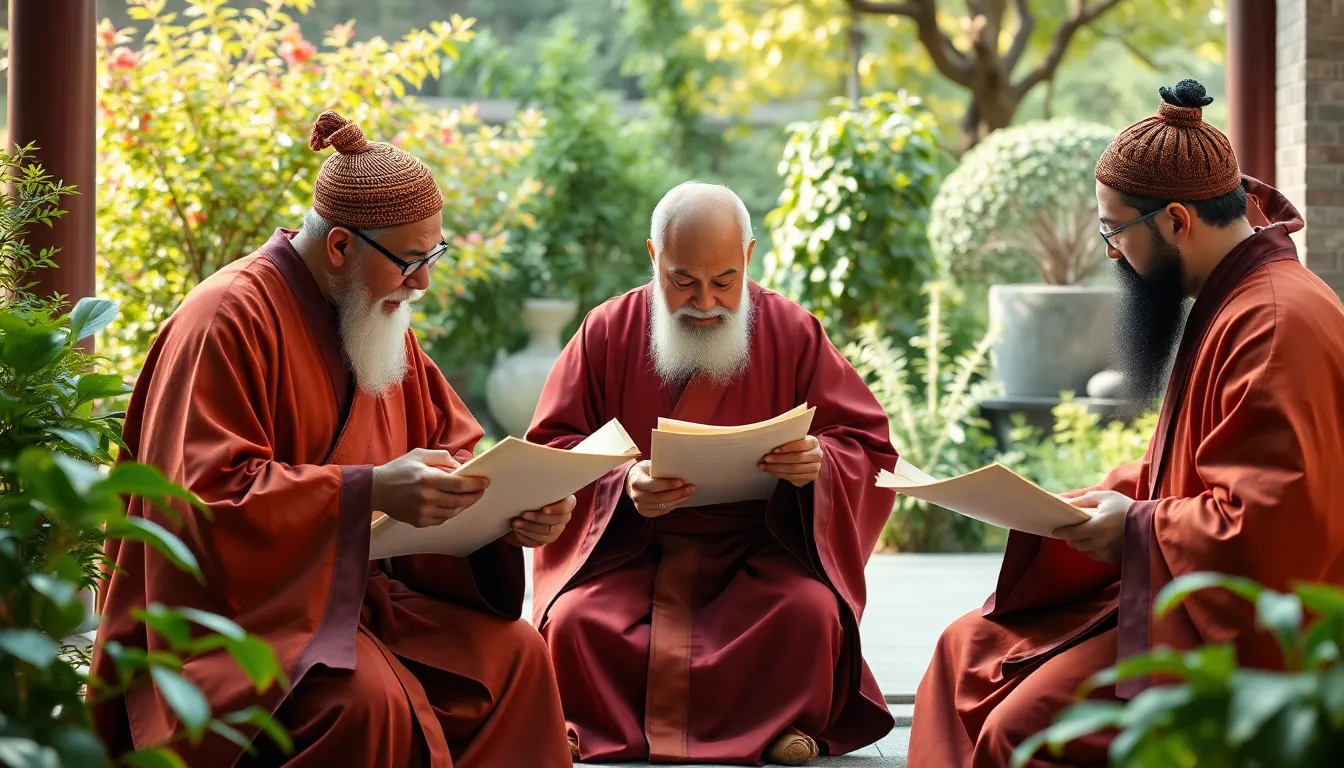
Asia is the largest continent, home to ancient civilizations dating back over 5,000 years.

Introduction: Asia's Timeless Legacy
2

Ancient Civilizations: Cradles of Culture

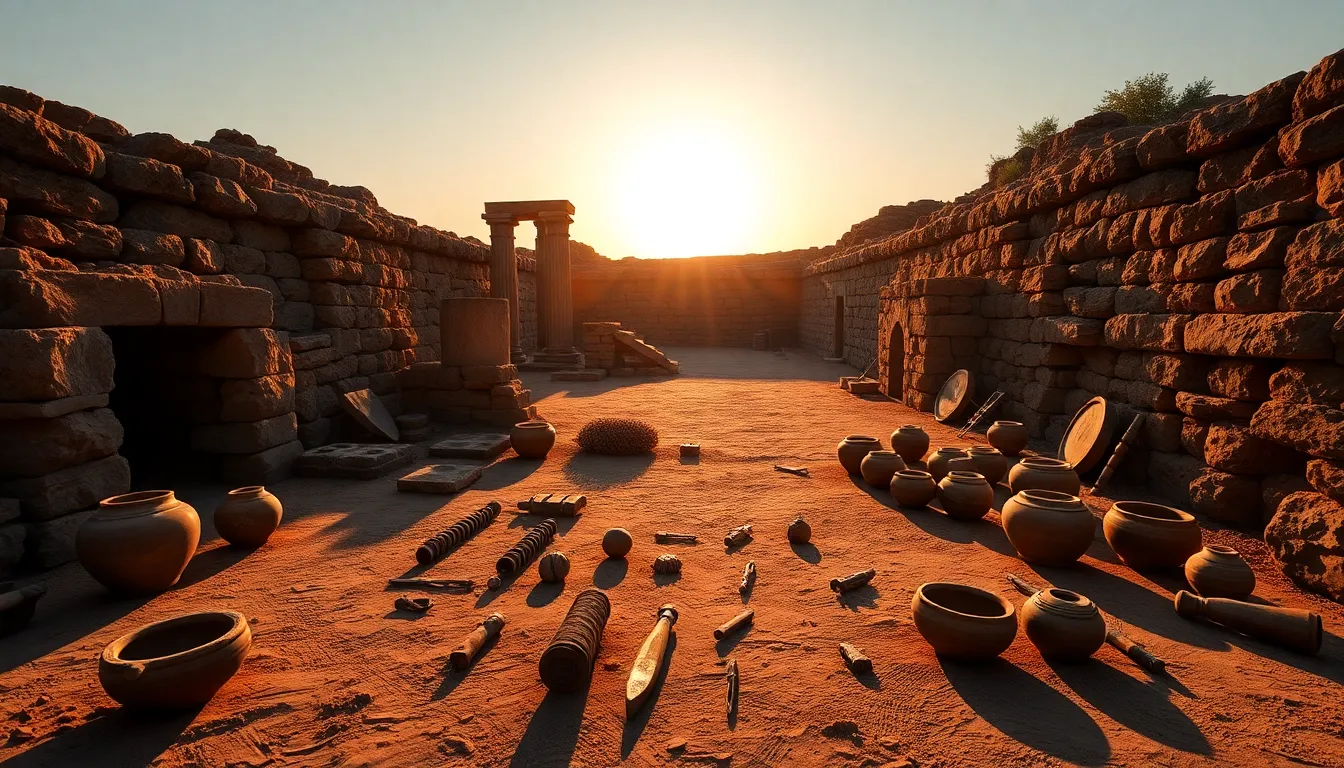
  • Mesopotamia (modern Iraq) and the Indus Valley (Pakistan/India) were among the first urban societies.
  • China's Shang Dynasty (1600โ€“1046 BCE) developed early writing and bronze technology.
  • The Harappan civilization (2600โ€“1900 BCE) had advanced city planning and drainage systems.
Ancient Civilizations: Cradles of Culture
3

The Great Empires: Power and Innovation

  • The Maurya Empire (322โ€“185 BCE) unified much of India under Ashoka's rule.
  • China's Qin Dynasty (221โ€“206 BCE) built the Great Wall and standardized writing.
  • The Persian Empire (550โ€“330 BCE) stretched from Egypt to India, fostering trade and art.
The Great Empires: Power and Innovation
4

Silk Road: Gateway of Exchange

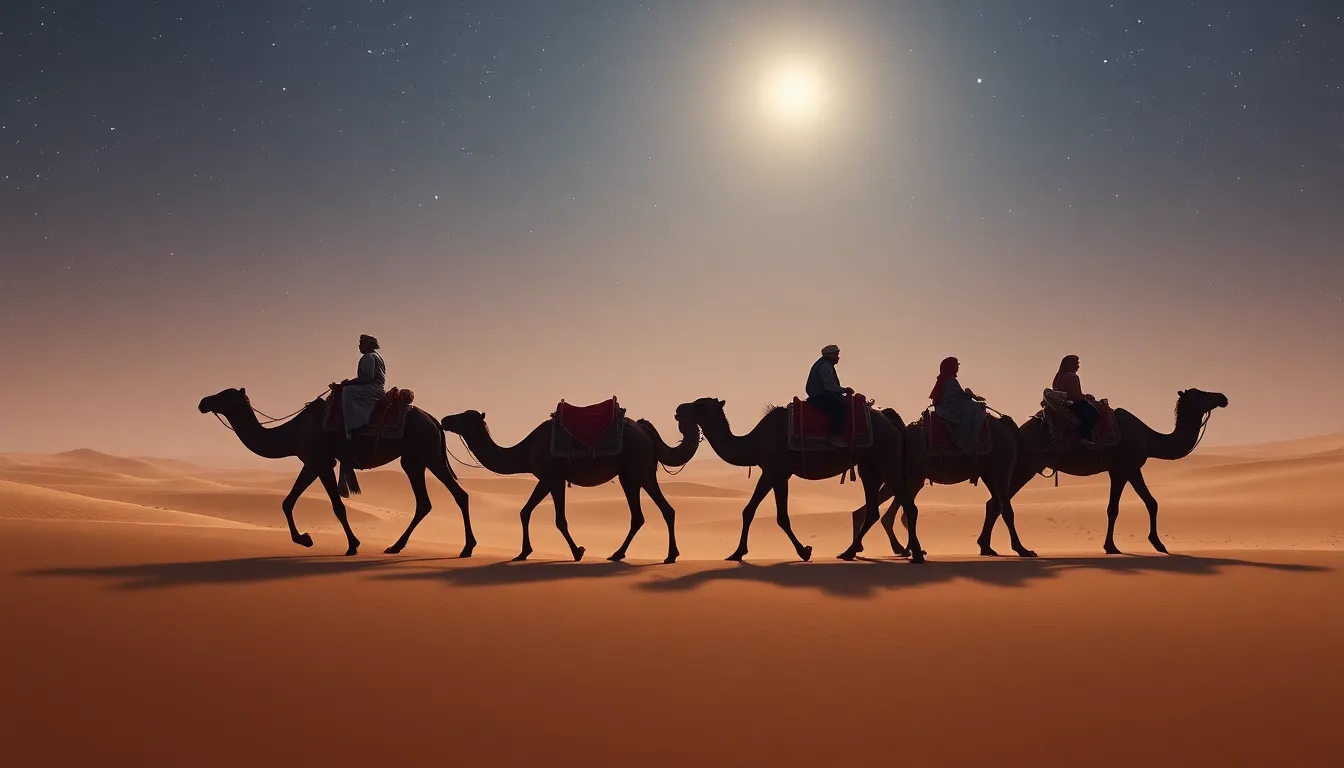
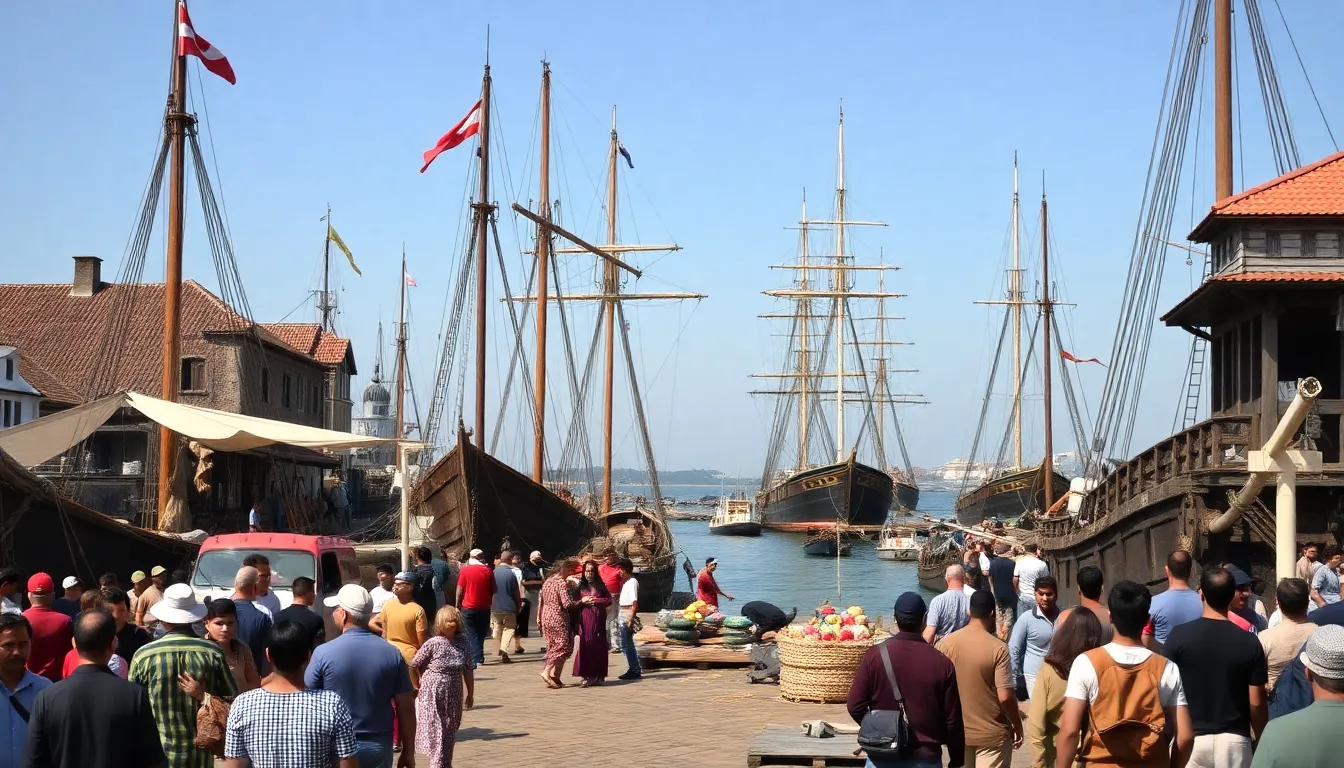
  • The Silk Road (130 BCEโ€“1453 CE) linked China to the Mediterranean, trading silk, spices, and ideas.
  • Buddhism spread from India to China and Japan via these routes.
  • Marco Polo's travels (1271โ€“1295) introduced Europe to Asia's wonders.
Silk Road: Gateway of Exchange
5

Golden Ages: Art and Science Flourish

  • The Gupta Empire (320โ€“550 CE) in India saw advancements in math (zero) and astronomy.
  • China's Tang Dynasty (618โ€“907 CE) was a peak of poetry, painting, and porcelain.
  • The Islamic Golden Age (8thโ€“14th century) preserved and advanced Greek and Indian knowledge.
Golden Ages: Art and Science Flourish
6

Mongol Conquests: Unity Under Chaos

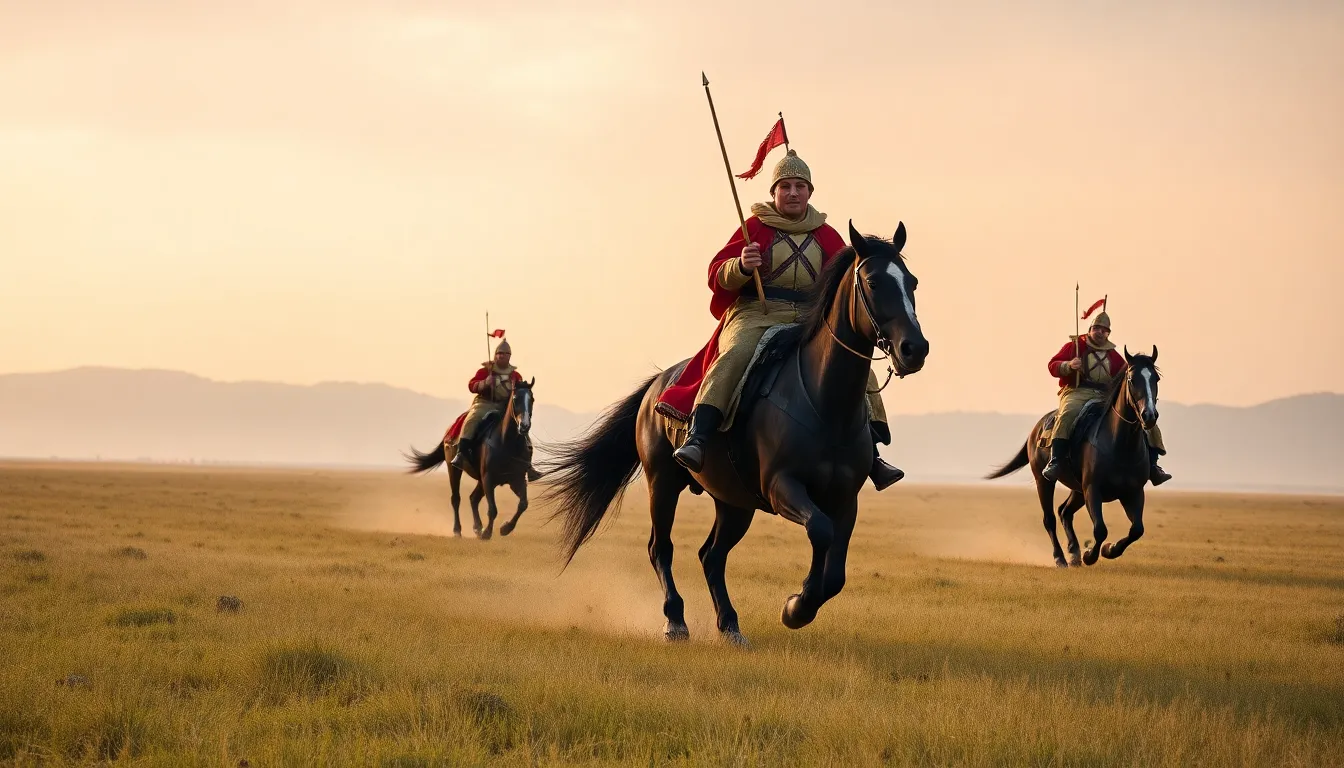
  • Genghis Khan (1206โ€“1227) created the largest land empire, from Europe to Korea.
  • The Pax Mongolica (13thโ€“14th century) ensured safe trade and cultural exchange.
  • Kublai Khan's Yuan Dynasty (1271โ€“1368) welcomed Marco Polo to China.
Mongol Conquests: Unity Under Chaos
7

Colonial Era: Winds of Change

  • European powers (16thโ€“20th century) colonized parts of Asia for spices and resources.
  • The British Raj (1858โ€“1947) transformed India's economy and society.
  • Japan's Meiji Restoration (1868) modernized the nation, avoiding colonization.
Colonial Era: Winds of Change
8

Wars and Independence: A New Dawn

  • World War II (1939โ€“1945) devastated Asia, with Japan's occupation of many regions.
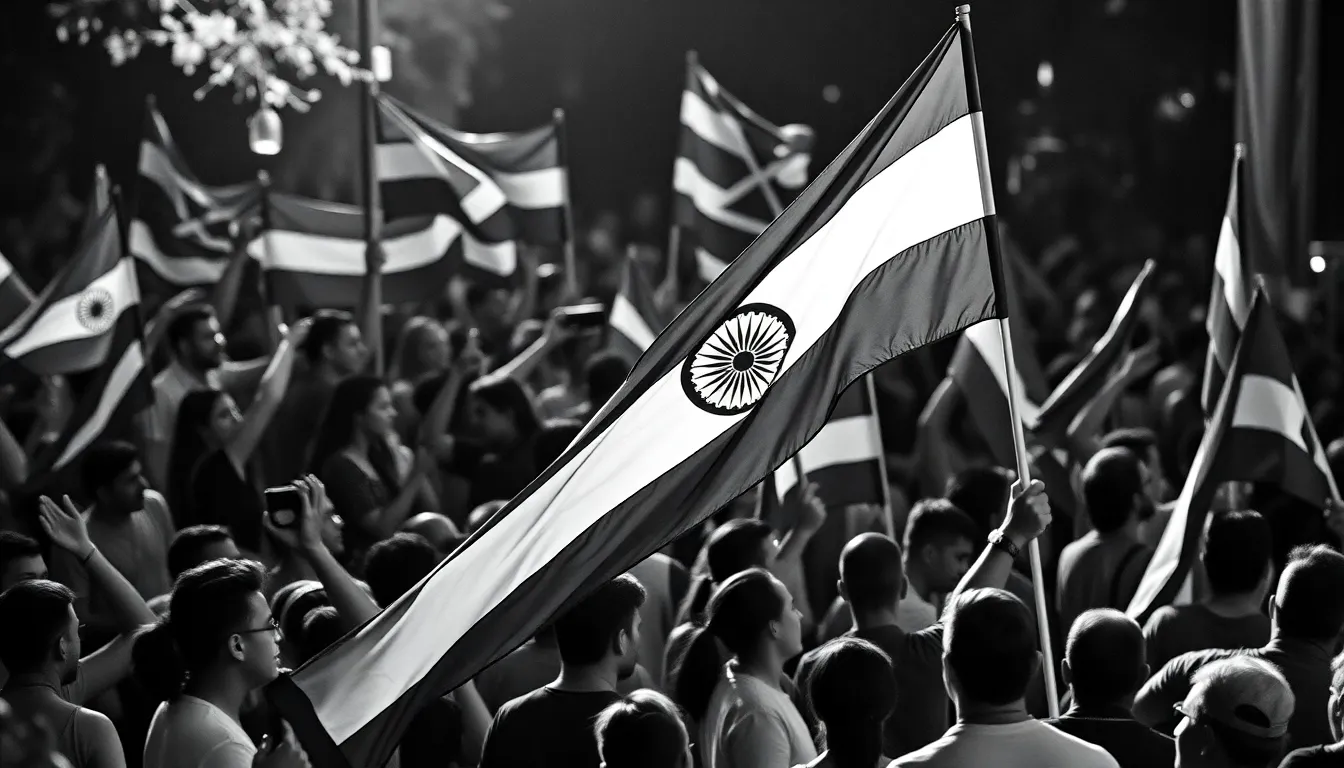
  • India and Pakistan gained independence in 1947, followed by others in the 1950sโ€“60s.
  • The Korean War (1950โ€“1953) divided the peninsula, a conflict still unresolved.
Wars and Independence: A New Dawn
9

Modern Asia: Growth and Challenges

  • China's economic reforms (1978) lifted millions from poverty, creating a global powerhouse.
  • South Korea and Japan became tech leaders, while India's IT sector boomed.
  • Climate change and inequality remain pressing issues across the continent.
Modern Asia: Growth and Challenges
10

Conclusion: Asia's Enduring Legacy

  • Asia's history is a tapestry of innovation, conflict, and cultural exchange.
  • From ancient empires to modern economies, its influence is global and timeless.
  • Understanding Asia's past helps us navigate its future and our interconnected world.
Conclusion: Asia's Enduring Legacy
1 / 10