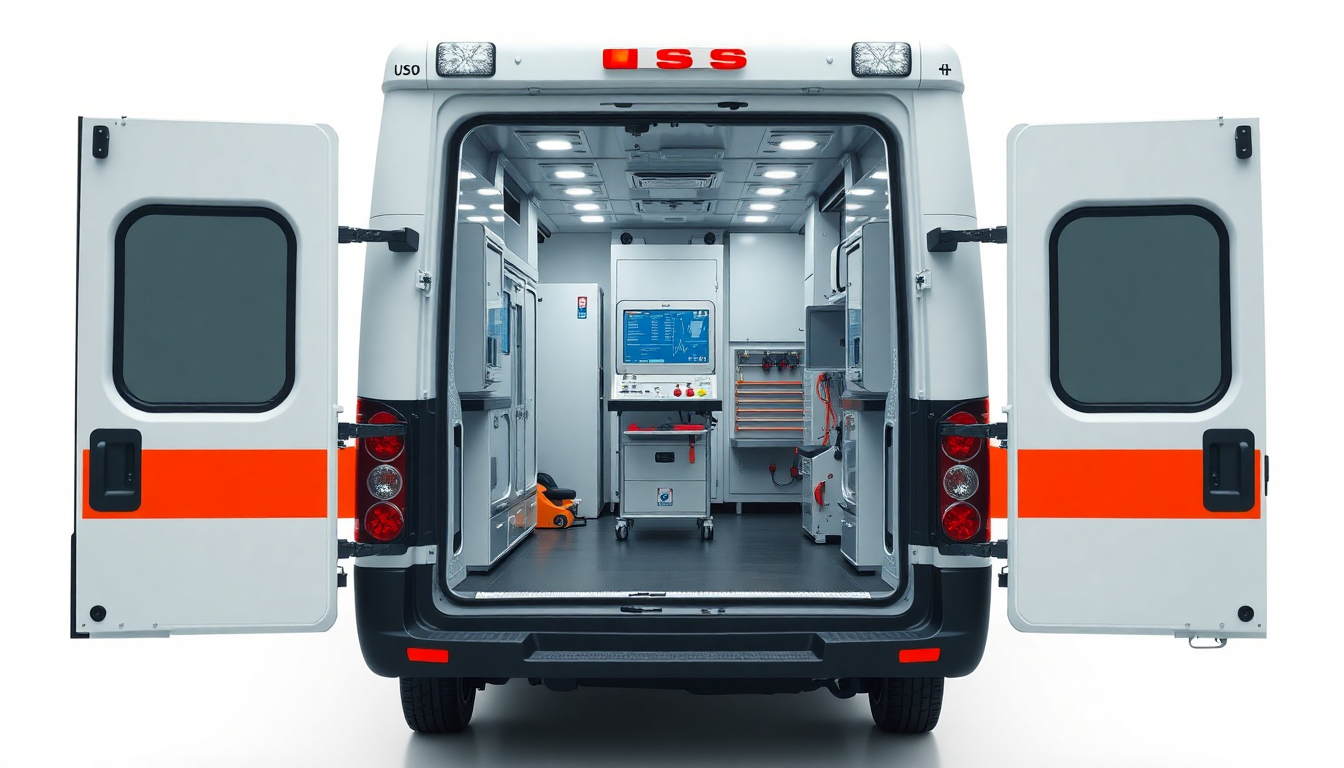
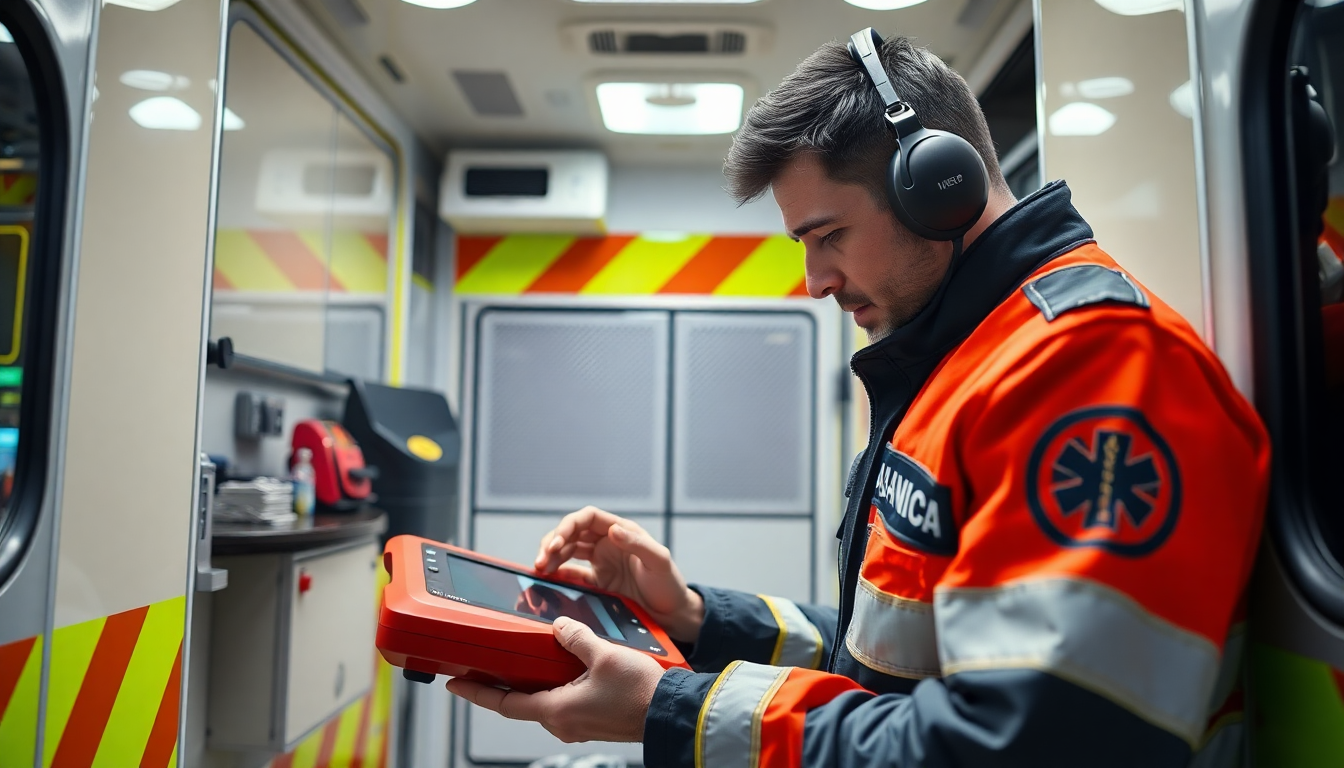
Ambulance's Defibrillator
📑 5 slides
👁 11 views
📅 2/18/2026
Introduction to Defibrillators
Defibrillators are life-saving devices used to restore normal heart rhythm during cardiac arrest.
2
Key Features and Excel Data
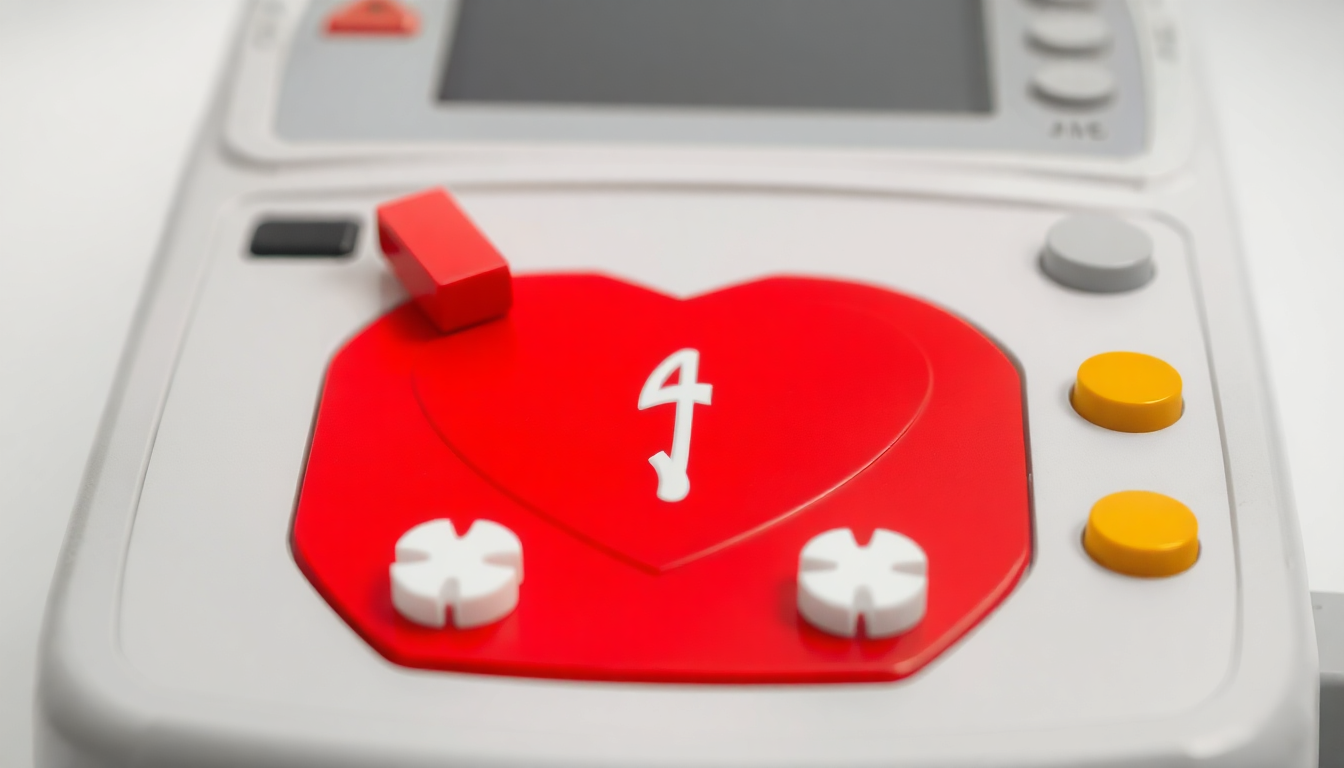
- Portable defibrillators weigh around 3-5 kg and are easy to carry in emergencies.
- They typically deliver shocks between 120-360 joules, depending on the patient's condition.
- Modern models include ECG monitoring and voice prompts for guided usage.
3
Photo Report of Usage
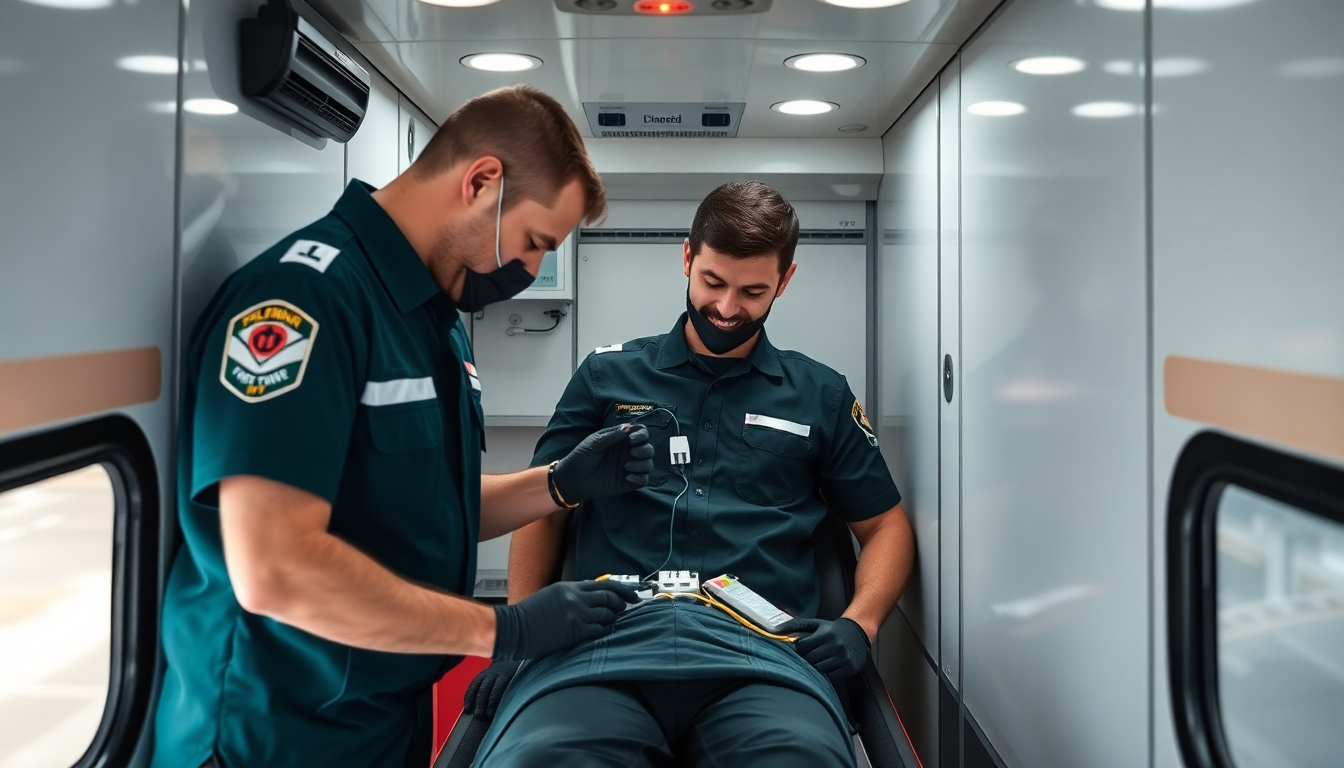
- Defibrillators are used by paramedics within the first few minutes of cardiac arrest.
- Proper electrode placement on the patient's chest is crucial for effective treatment.
- Training ensures that emergency personnel can operate the device efficiently under pressure.
4
Differences and Notes
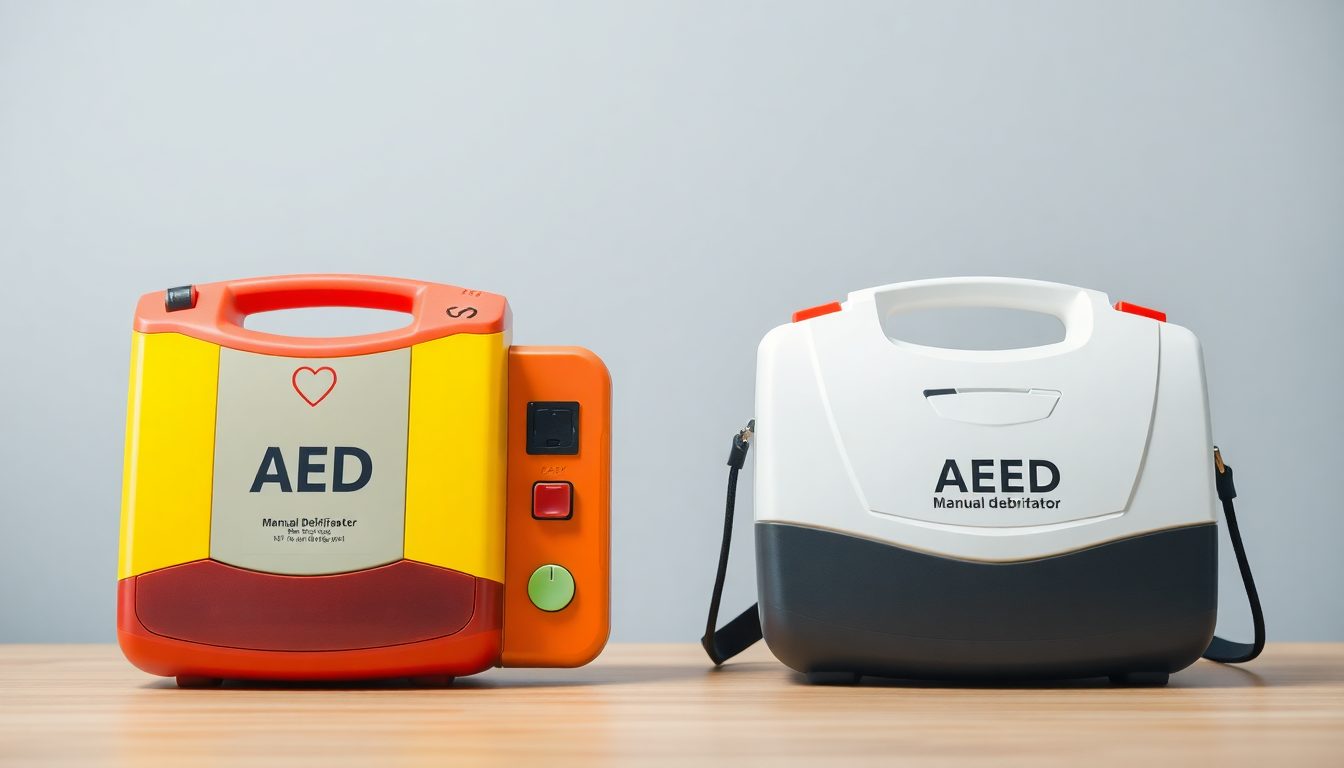
- Automated External Defibrillators (AEDs) are user-friendly for non-medical personnel.
- Manual defibrillators require professional training for precise energy adjustment.
- Regular maintenance and battery checks are essential to ensure device reliability.
5
Common Problems and Solutions
- Battery failure or electrode adhesion issues can delay life-saving interventions.
- Environmental factors like rain or extreme temperatures may affect device performance.
- Continuous training and equipment upgrades help mitigate these challenges.
1 / 5