Loss Functions in Deep Learning
📑 5 slides
👁 6 views
📅 2/27/2026
Introduction to Loss Functions
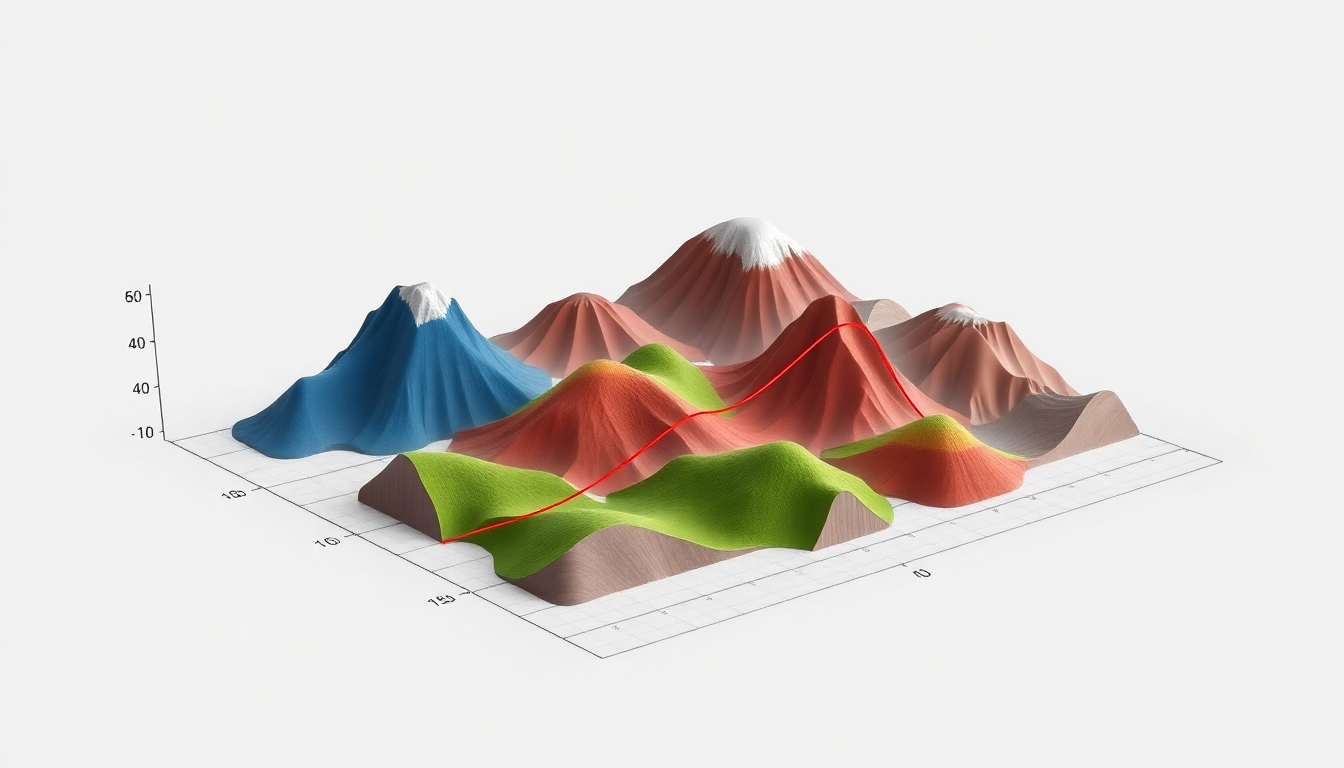
Loss functions measure how well a model's predictions match actual data
2
Common Regression Loss Functions
- Mean Squared Error (MSE): Squares differences, sensitive to outliers
- Mean Absolute Error (MAE): Robust to outliers, less sensitive than MSE
- Huber Loss: Combines MSE and MAE benefits with delta threshold
- Used for continuous value prediction like house prices or temperatures
3
Classification Loss Functions
- Cross-Entropy: Measures probability distribution differences, common for classification
- Binary Cross-Entropy: Specialized for yes/no classification tasks
- Categorical Cross-Entropy: For multi-class problems with one-hot encoding
- KL Divergence: Measures difference between two probability distributions
4
Specialized Loss Functions
- Hinge Loss: Used in SVM and some neural networks for classification
- Contrastive Loss: For siamese networks learning similarity metrics
- Triplet Loss: Learns embeddings by comparing anchor, positive, negative samples
- Custom loss functions can be designed for specific applications
5
Choosing & Optimizing Loss
- Select based on problem type: regression, classification, ranking etc.
- Consider mathematical properties like convexity and differentiability
- Combine multiple losses for complex tasks (multi-task learning)
- Proper loss choice significantly impacts model training and performance
1 / 5